





 Portuguese
  English
  Spanish
  2 min of reading
  0 comments


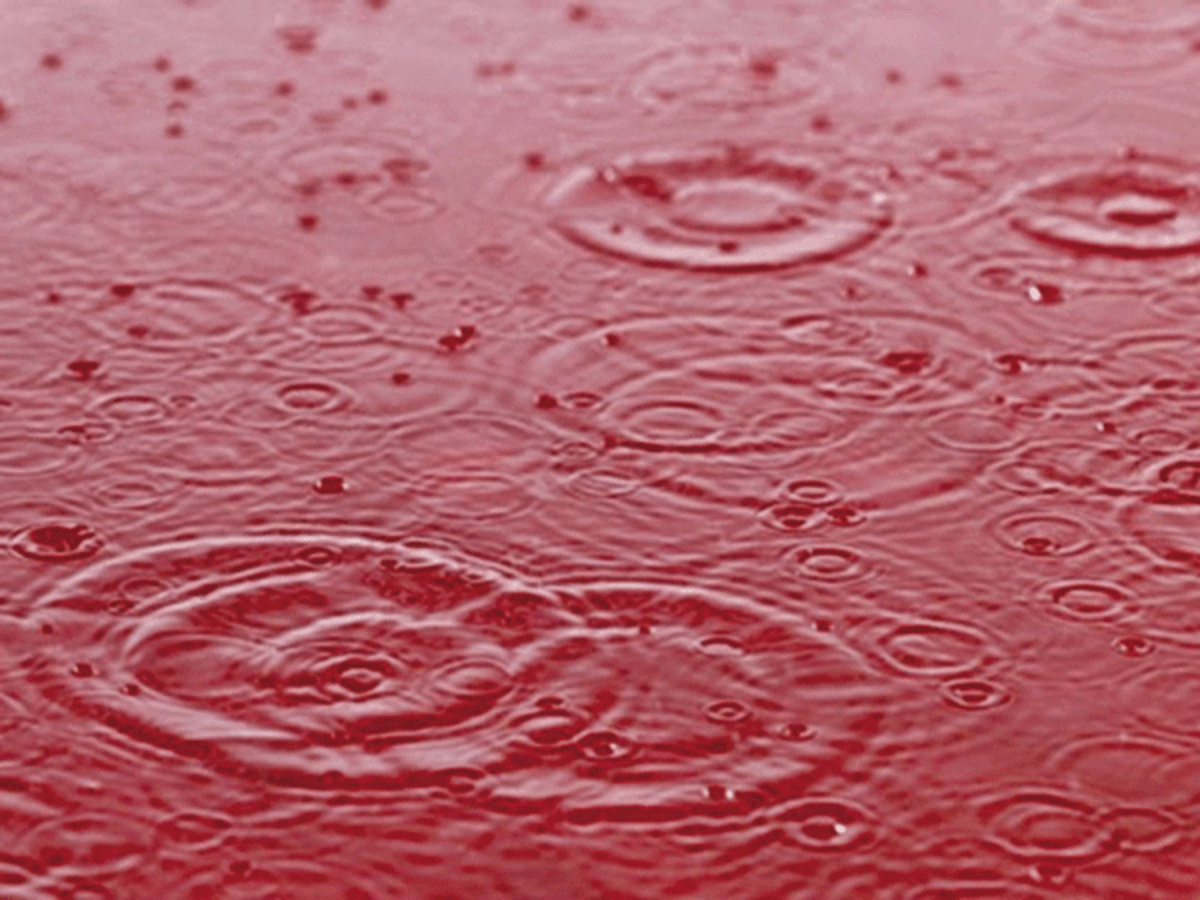
Learn More About This Peculiar Atmospheric Phenomenon, Commonly Known As Blood Rain That Arouses Curiosity And Even Apprehension.
Far from any mystical or apocalyptic connotation, the way blood rain occurs is a fascinating natural process, with implications for science and the environmental impact of blood rain.
But, after all, what causes this reddish coloration and in which countries has blood rain been recorded?
What Causes The Red Color? Unraveling The Mystery Of Blood Rain
Contrary to the dramatic name, blood rain is not, in fact, composed of blood.
-
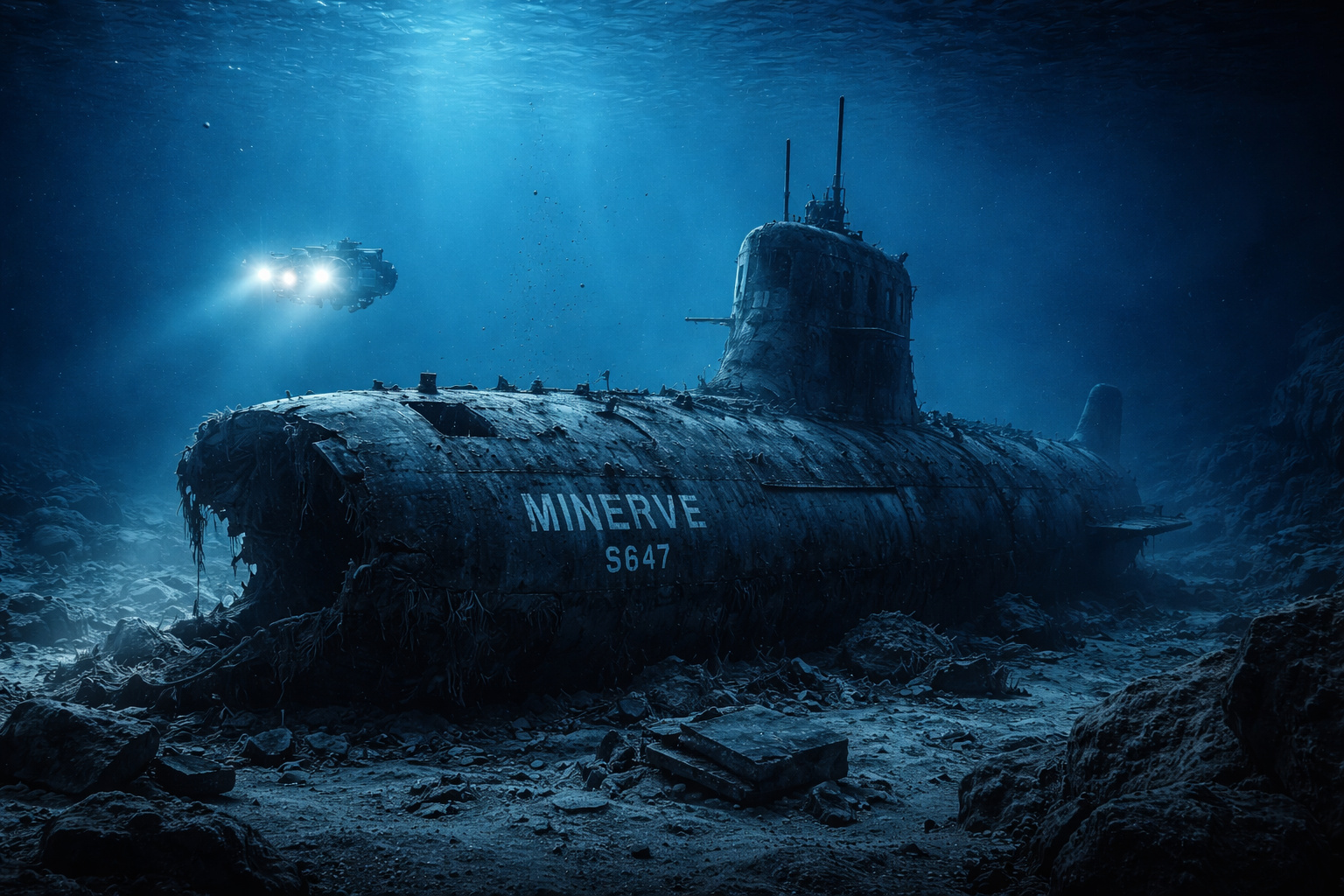
Few remember, but the submarine that disappeared in 1968 with 52 crew members was found after 51 years at the bottom of the sea at more than 2,000 meters, intriguing the entire world.
-
With 1,200 tons suspended, the Japan mega-structure in a grid shape with a floating sphere from Fuji TV features two 25-story towers connected by elevated walkways, titanium panels, and impresses the world with its ability to reduce wind impact.

-
The village where two rivers run side by side without mixing in Santarém and Alter do Chão reveals some of the most beautiful freshwater beaches on the planet.

-
Brazil’s nuclear submarine with a speed 5 times greater than normal advances after nearly 50 years and R$ 40 billion spent.

Its reddish coloration is due to the presence of dust and sand particles carried into the atmosphere by strong winds. Generally, these particles originate from arid or desert regions, such as the Sahara Desert in Africa or deserts in Asia.
When storms or low-pressure systems lift this dust to great heights, it can be transported thousands of kilometers.
When it encounters rain-laden clouds, these particles mix with water droplets. As they fall, the water droplets drag along the dust, giving the precipitation a hue that varies from orange to brick-red, reminiscent of blood.
The intensity of the color depends on the concentration and type of particles present in the atmosphere.
Global Occurrences And The Environmental Impact Of Blood Rain
Blood rain has been recorded in different countries, especially in Europe and the Middle East, due to proximity to large deserts.
In Italy, for example, it is a relatively common phenomenon, as well as in Spain and parts of France.
There are historical and recent records that attest to the occurrence of this type of precipitation in various other nations.
The frequency of the phenomenon can vary according to climatic patterns and the intensity of sandstorms.
In terms of environmental impact of blood rain, the presence of these particles can have varied effects.
Although desert dust can enrich the soil with minerals, excessive concentrations can affect air quality, cause respiratory issues in humans and animals, and even harm agricultural crops by depositing a layer of dust on plants.
Moreover, deposition in water bodies can alter their composition and affect aquatic ecosystems.
Scientists monitor these events to better understand the patterns of global dust transport and their consequences for climate and the environment.
Have you ever witnessed or heard accounts of blood rain? Share your experience in the comments!






Seja o primeiro a reagir!