





 Portuguese
  English
  Spanish
  3 min of reading
  1 comment





Unveiling The Secrets Of Compact Engines That Are Transforming The Market
According to leouve, the automotive industry is in constant evolution, and one of the protagonists of this transformation is the 3-cylinder engine. However, with the growing environmental concern and the search for energy efficiency, these compact engines are winning the streets and the hearts of consumers. But what do we really know about them? Let’s explore the myths and truths surrounding this technology and understand how it is redefining urban mobility.


Myths Debunked: The Durability And Efficiency Of 3-Cylinder Engines
- Comparable Longevity: The notion that 3-cylinder engines are less durable is a myth. With technological advancements, these engines are built with high-quality materials and advanced engineering techniques, ensuring longevity that competes with 4-cylinder engines.
- Controlled Vibration and Reduced Noise: Although 3-cylinder engines may have a natural vibration due to their compact size, innovations in counterweights and engine mounts have been effective in significantly reducing these vibrations. The investment in acoustic insulation by manufacturers has also been crucial in reducing noise, providing a quieter cabin.
- Robust Performance on Hills: Even though they are not pickups, contrary to the myth, 3-cylinder engines are not weak and are fully capable of handling uphill climbs. Advances in engine technology allow them to provide adequate torque, ensuring agile and responsive performance, even on challenging terrains.
- Simplified and Economical Maintenance: The simplicity of the design of 3-cylinder engines results in less complex and more accessible maintenance. With fewer moving parts, the frequency and cost of repairs and services are reduced, making maintenance more economical over time.
Undeniable Truths: Efficiency And Sustainability Within Reach
- Exceptional Fuel Economy: 3-cylinder engines stand out for their remarkable fuel consumption efficiency. Thanks to their sleek design and reduced internal friction, they can convert a greater amount of energy into motion, resulting in substantial fuel savings.
- Reduced Environmental Impact: The superior efficiency of these engines also means fewer pollutant emissions, such as CO2 and other greenhouse gases. This represents an important step towards reducing environmental impact and promoting a greener future.
- Compactness and Agility: The reduced size of 3-cylinder engines contributes to lighter and more agile vehicles, significantly improving the driving experience. This advantage is particularly useful in urban environments, where maneuverability is crucial.
- Technological Innovation: Equipped with the latest innovations, such as turbochargers, direct fuel injection, and start-stop systems, 3-cylinder engines raise the standards of performance and efficiency.
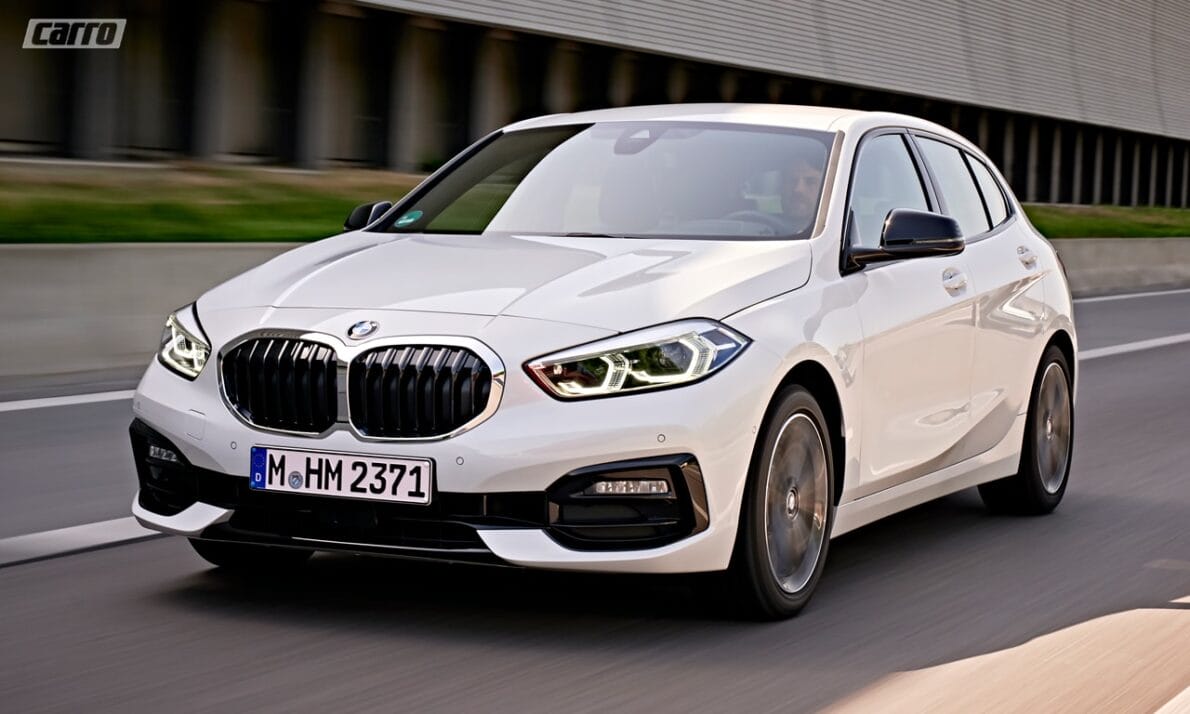
The 3-Cylinder Engine As A Pillar Of Automotive Innovation
In summary, 3-cylinder engines are not just a passing trend, but rather a consolidated reality that is shaping the future of the automotive industry. By understanding their true capabilities and benefits, we can appreciate their essential role in creating more efficient and enjoyable vehicles to drive. However, it is important to remember that each driver has unique needs, and the choice of the ideal vehicle should reflect the lifestyle and transportation demands of each individual.
Therefore, with this clear vision, the automotive industry continues to advance, and 3-cylinder engines remain a key piece in this progress. They represent not only a solution to current challenges but also a step towards a more sustainable and exciting automotive future.
-
Honda performs miracles in fuel consumption with a hatch that marks 13.2 km/l in the city and 15 km/l on the highway, leaving Polo, HB20, 208, and Onix behind and becoming a reference among compact cars without resorting to turbo or hybrid systems.

-
Six diseases that seem common but can prevent the renewal of the driver’s license for the elderly throughout Brazil and surprise experienced drivers — could any of them affect you without showing clear signs?

-
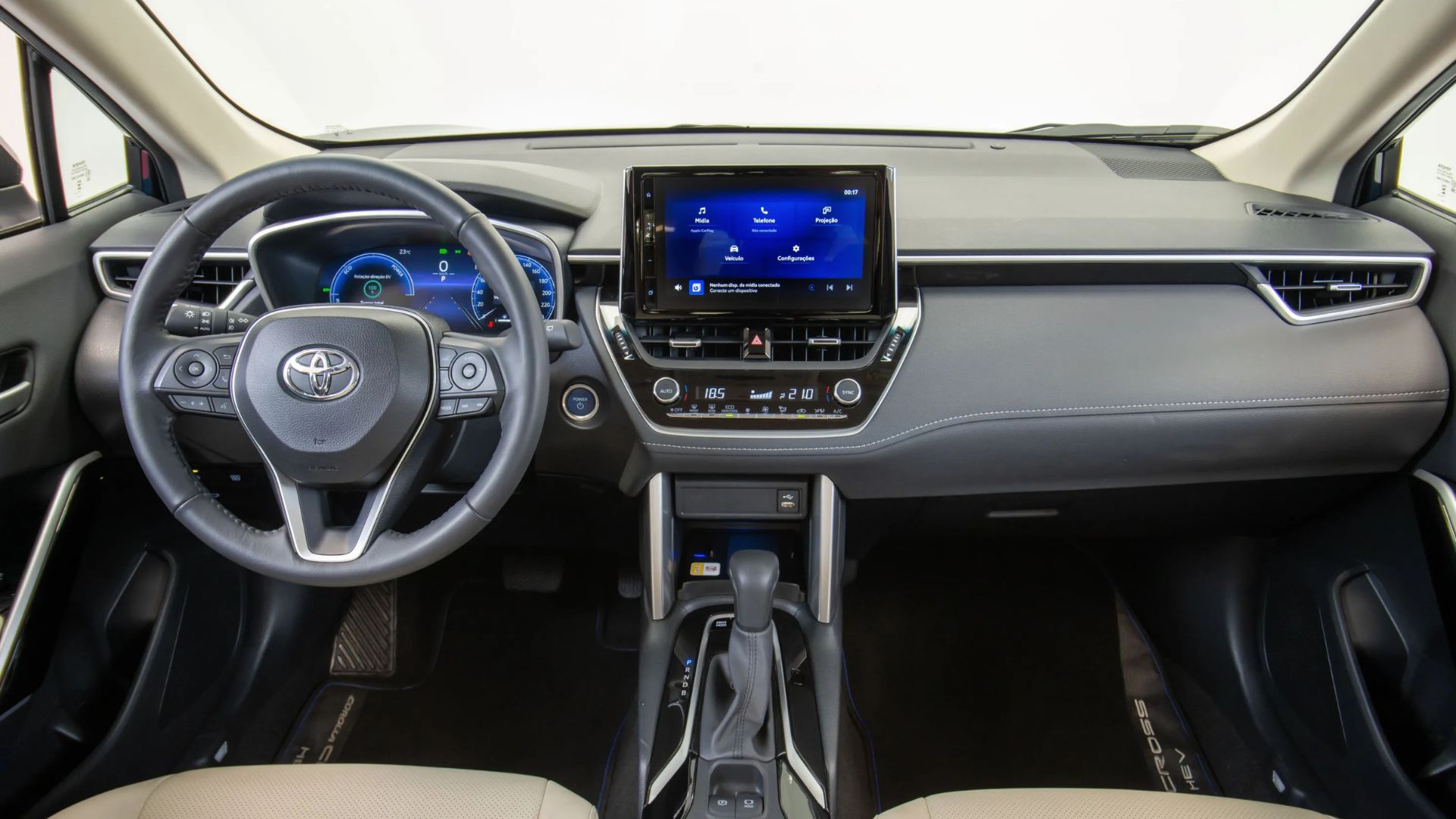
With 122 hp, fuel consumption of up to 17.7 km/l, and a trunk capacity of 440 liters, this hybrid SUV impresses even though it costs up to R$ 47,000 more than the Yaris — meet the Toyota Corolla Cross.
-
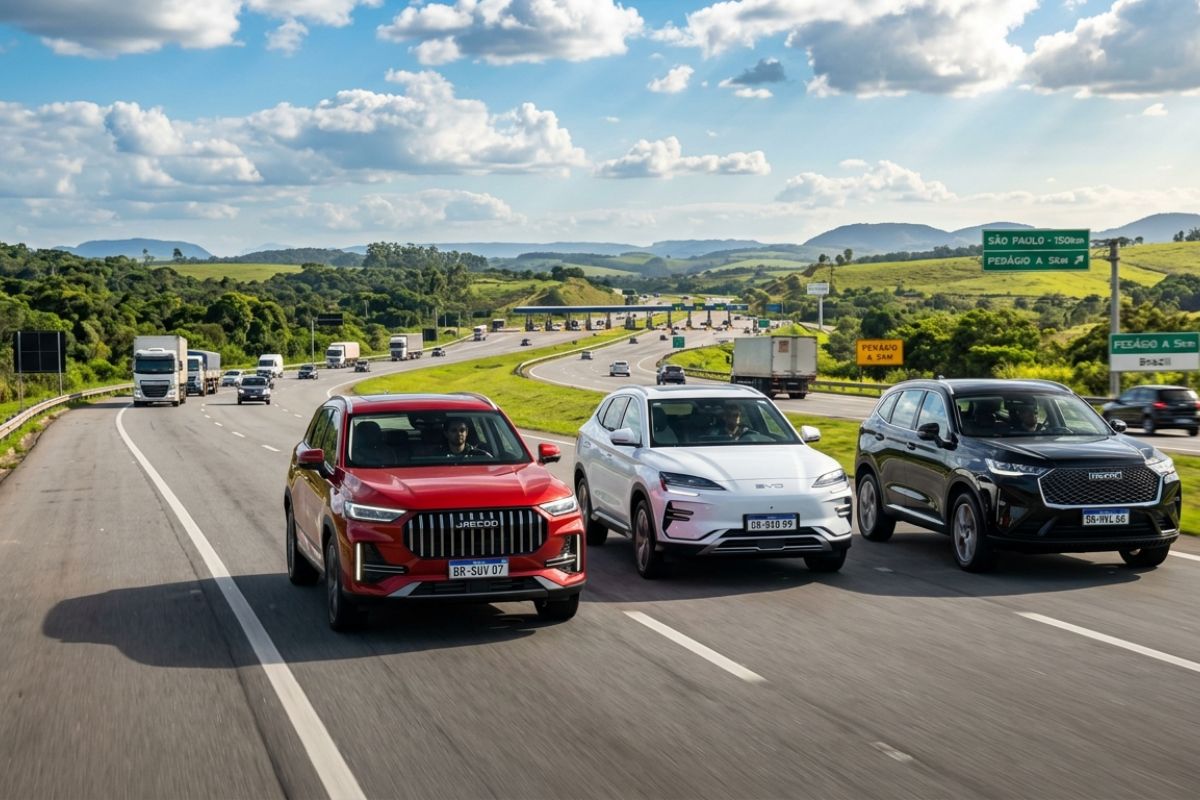
600 km with three Chinese plug-in SUVs, same mode and air conditioning on: Jaecoo 7, BYD Song Plus, and Haval H6 hit the road, and the pump reveals who was truly the most economical.









MUITA FALÁCIA. REPAROS CAROS, MECÂNICOS DESPREPARADOS PARA LIDAR COM FERRAMENTAS DE CALIBRAÇÃO EXISTENTES SOMENTE NAS AUTORIZADAS. SÃO MAIS FREQUENTES NAS OFICINAS COM BAIXA QUILOMETRAGEM. QUE O DIGA FORD KA E ÔNIX.
OS CONSUMIDORES AFLITOS COM A CORREIA DE BORRACHA BANHADA EM ÓLEO, POIS MESMO COM O ÓLEO ADEQUADO, SOFRE CONTAMINAÇÃO DA MIJOLINA BRASILEIRA.
O FIRFLAY 1.O COM TEM LUBRIFICAÇÃO DEFICITÁRIA NA CORRENTE DE COMANDO. SEM CONTAR OS PROBLEMAS NOS BICOS COM A INJEÇÃO DIRETA DOS TURBINADOS. CUSTO BENEFÍCIO RUIM A CURTO PRAZO. SÃO CARROS QUE NÃO DÃO RETÍFICA EM CASO DE EMPENO DO CABEÇOTE E SE FIZER FICA DEFICIENTE O SERVIÇO.