





 Portuguese
  English
  Spanish
  6 min of reading
  0 comments


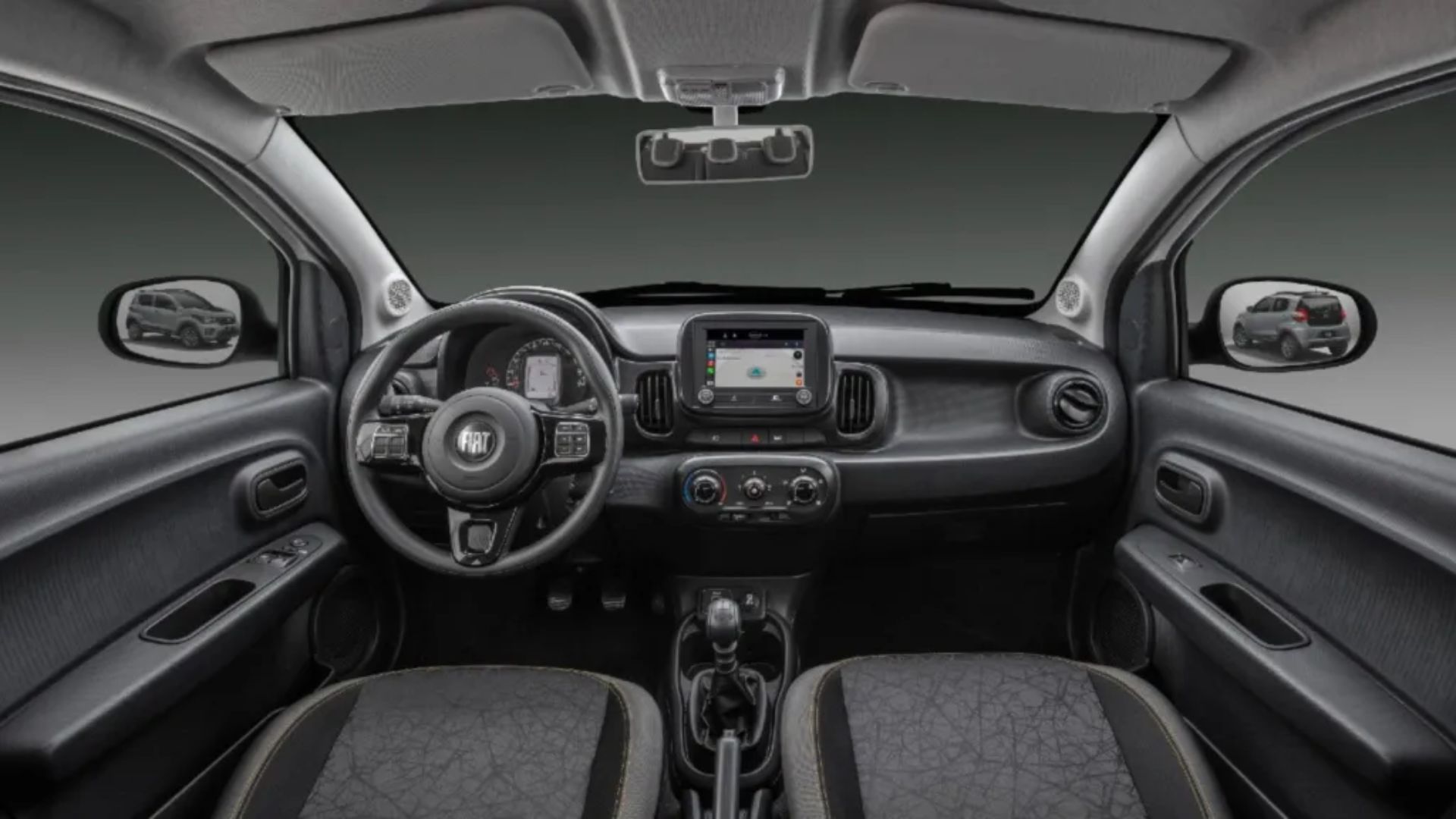
Used Car Market Heats Up Demand for Compact Hatchbacks with Simple Mechanics, Balanced Consumption, and Predictable Maintenance, Scenario in Which Established Urban Models Gain Space Among Drivers Who Prioritize Economy, Practicality in Traffic, and Lower Financial Risk in Purchase.
The Fiat Mobi remains one of the most recalled names when it comes to small, simple, and affordable-to-maintain cars in Brazil.
In the used car market, it frequently appears in searches from those prioritizing urban use, wanting a compact hatch for daily driving, and trying to balance consumption, maintenance, and parts with their budget.
The combination of reduced dimensions, known mechanics, and wide availability helps explain why the model remains competitive, even amid the overall price increase.
-
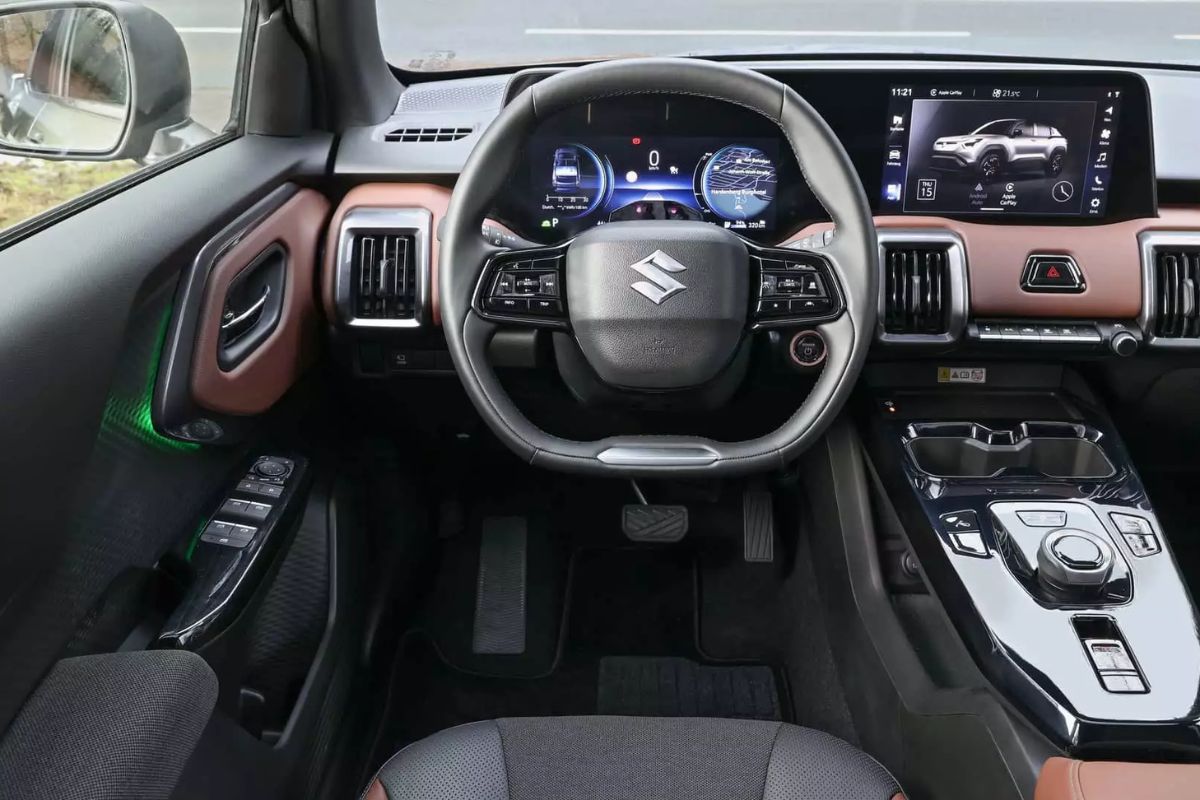
The 2026 electric Vitara arrives in Brazil and proves that Suzuki is not leaving: 4×4 traction, 184 hp, 61 kWh LFP battery, 293 km range, R$ 259,000, and a trunk capacity of 224 L.
-
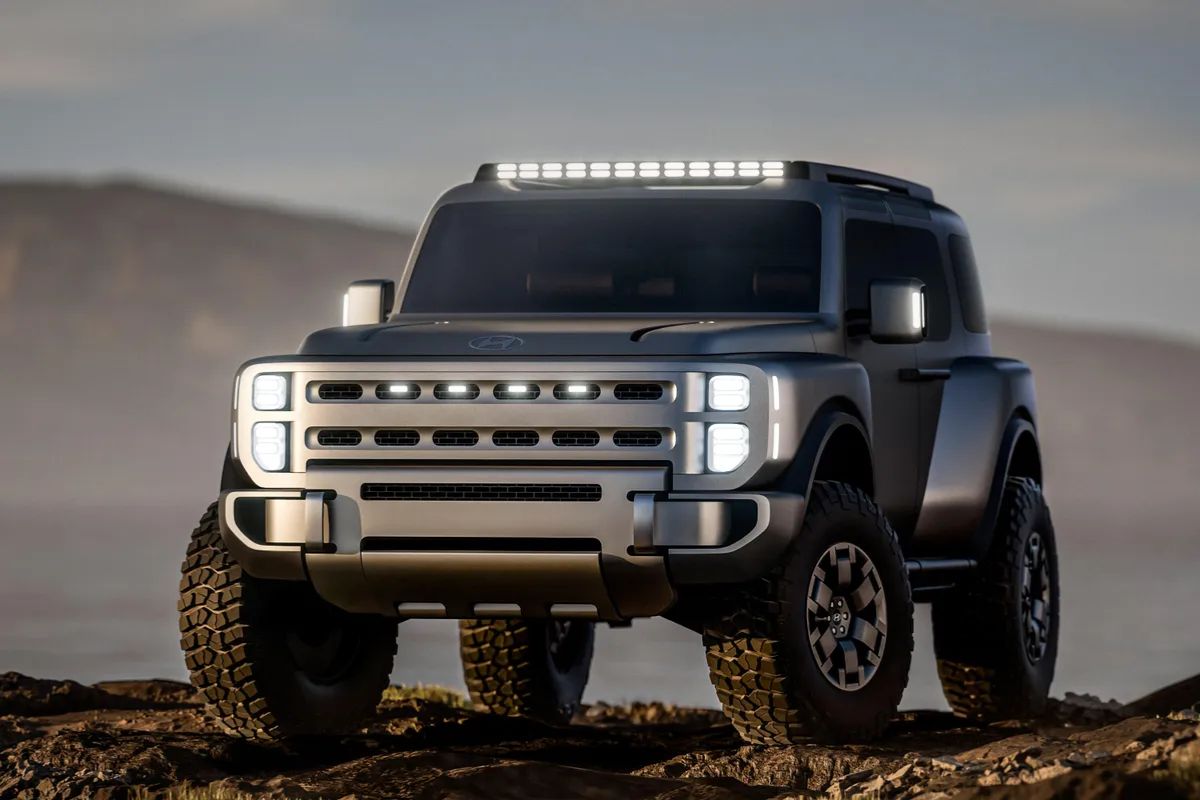
Hyundai has unveiled the Boulder, a square SUV with a body-on-frame design, 37-inch mud tires, and carriage-style doors that seems to be made to take on the Ford Bronco and the Scout Traveller in the United States.
-
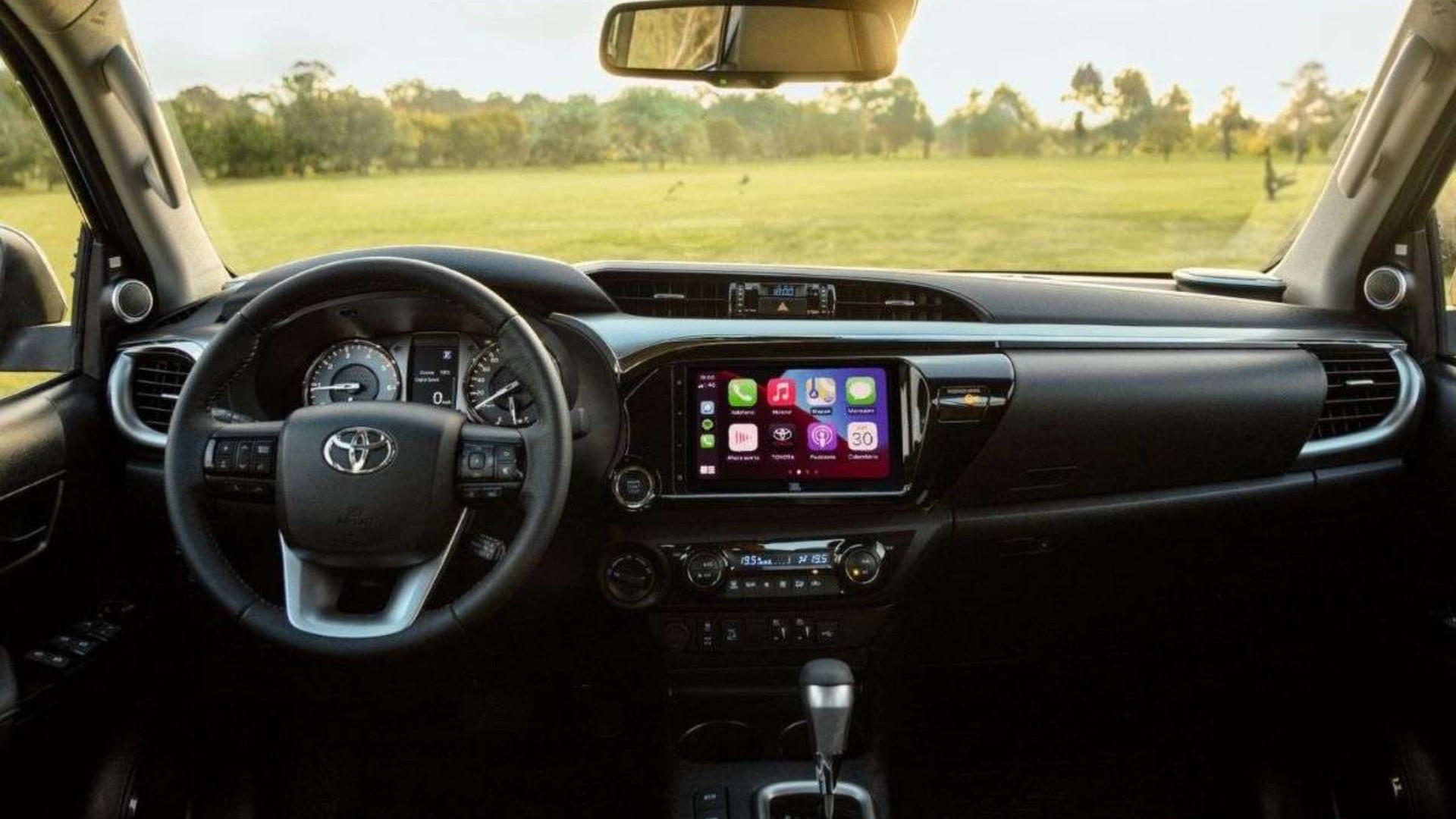
The Toyota Hilux is R$ 75.5 thousand cheaper and bets on the 2.8 turbodiesel engine with up to 204 hp and 50.9 kgfm to catch up with the VW Saveiro, which leads with 4,472 sales.
-
The new Renault Koleos has a screen exclusively for the passenger that is invisible to the driver, heated rear seats, and 29 assistance systems, but its Chinese competitors cost R$ 40,000 less and deliver more power.

In recent years, interest in used cars with a few years of usage has grown for a practical reason.
Many people have begun to aim for relatively recent cars to maintain a minimum package of comfort and safety without entering the prices charged for new models.
In this scenario, entry-level hatchbacks have gained traction, especially those that offer good ownership costs and predictable maintenance, with naturally aspirated engines and already established designs.
Ownership Costs Drive the Choice of Compact Used Cars
Among used buyers, the calculations are usually straightforward.
In addition to the purchase price, the costs include fuel, insurance, tires, maintenance, and any repairs.
Therefore, models with simple mechanics and easily found parts tend to have more liquidity in the market and are often seen as lower-risk choices.

At this point, the Mobi tends to appear as a functional alternative.
Even without offering the interior space of larger hatchbacks, the subcompact targets those who need a lightweight car for short trips, daily commutes, and urban routines.
For this type of use, the ease of parking and maneuvering weighs as much as the savings in fuel.
Compact Dimensions and Urban Proposal of the Fiat Mobi
The Mobi has a subcompact size.
It measures 3.57 meters in length and has a trunk capacity of 235 liters, numbers that help explain why it is frequently used as a work car, second family vehicle, or first purchase for those looking to leave public transport without assuming high maintenance costs.
Practically, this size favors tight parking spots and narrow streets, common in urban centers.
On the other hand, rear space and luggage area tend to require more planning for trips and transporting larger volumes.
This is typical behavior for the category.
Fuel Consumption of the Fiat Mobi According to Inmetro
On the topic that weighs most for many, consumption, the official numbers from the Brazilian Vehicle Labeling Program of Inmetro indicate that versions of the Mobi with a 1.0 engine and manual transmission can achieve 13.5 km/l on the highway with gasoline.
This value is often used as a reference by those looking for economy outside the city.
In the same table, urban data for versions evaluated in the cycle are also presented.
There are records of 9.6 km/l in the city with gasoline in certain configurations, as well as varying numbers when using ethanol.
As is the case with any flex-fuel vehicle, the actual result depends on driving style, traffic, tire pressure, vehicle condition, and even the type of route.
1.0 Fire Engine and Maintenance Impact
Until recently, the Mobi was sold in versions equipped with the 1.0 engine from the Fire family, featuring four cylinders.
This engine is known for its simple construction and wide maintenance network in the country.
In specialized materials and reviews, this engine appears with a power of 74 hp with ethanol and a torque of 9.7 kgfm, with variations when fueled with gasoline.

These numbers help explain why the performance is sufficient for a lightweight car focused on urban use.
There is no proposal for rapid acceleration or sporty handling.
In everyday use, the most cited advantage of this type of engine is the predictability of after-sales service.
Independent workshops are familiar with the engine.
There is a supply of both original and aftermarket parts.
The repairs tend to be less complex than in cars with more sophisticated solutions.
Still, the condition of the vehicle makes a difference, especially in units that have undergone irregular maintenance.
Versions, Equipment, and Differences Between Years
An important point when evaluating the used Mobi is that the list of equipment varies depending on the version.
There are configurations where power steering is included.
Other simpler versions may have a reduced package.
In earlier lines, there was even a combination of air conditioning, power windows, power locks, and onboard computer in intermediate versions.
Not always is the package identical across model years.
This requires checking the listing and the car itself.
Moreover, it is common to find units with aftermarket accessories installed later, such as multimedia radios, alarms, and sensors.

These items can change the perception of “complete” in the listing.
This does not necessarily mean that the equipment was factory-installed.
For those looking for a more practical car for daily use, this detail matters.
Items such as power steering, air conditioning, and power locks have a direct impact on daily routines.
Price of the Fiat Mobi Used Car and Market Variation
Although the idea of buying a used Mobi for something close to R$ 45 thousand frequently comes up in searches, the values fluctuate significantly.
The variation depends on the region, mileage, condition, version, and usage history.
Table references indicate levels above this range for certain years and configurations.
Recent listings on major platforms often show higher numbers in a good portion of the offers.
This is more common when the car has low mileage or is in more complete versions.
This does not mean there are no exceptions.
Cars with more mileage, a history of heavy use, aesthetic issues, or immediate service needs tend to be listed below average.
In this case, the buyer needs to evaluate if the initial savings will not be consumed by maintenance soon after the purchase.
Points to Consider Before Closing the Deal
When analyzing a used Mobi, certain points often prevent surprises.
It is worth checking if the maintenance records were documented.
It is important to verify if there are service receipts.
It is also advisable to watch for signs of severe use, such as worn-out tires, suspension noise, and misalignment.
Basic items deserve attention.
Functionality of the air conditioning, battery condition, dashboard lights, and interior finishes fall into this category.
In entry-level cars, small repairs can quickly add up.
Finally, checking the vehicle history and comparing the asking price, table value, and the actual condition of the car helps understand if the purchase makes sense.
In an entry-level subcompact, the margin between a good deal and a car that turns into an expense usually lies in the details of conservation and prior maintenance.
For those looking for an affordable hatch to navigate traffic and reduce daily expenses, are they willing to forego space and refinement in exchange for economy, or do they prefer to pay more for a larger and more equipped model?









-

-

-

5 pessoas reagiram a isso.