





 Portuguese
  English
  Spanish
  5 min of reading
  1 comment


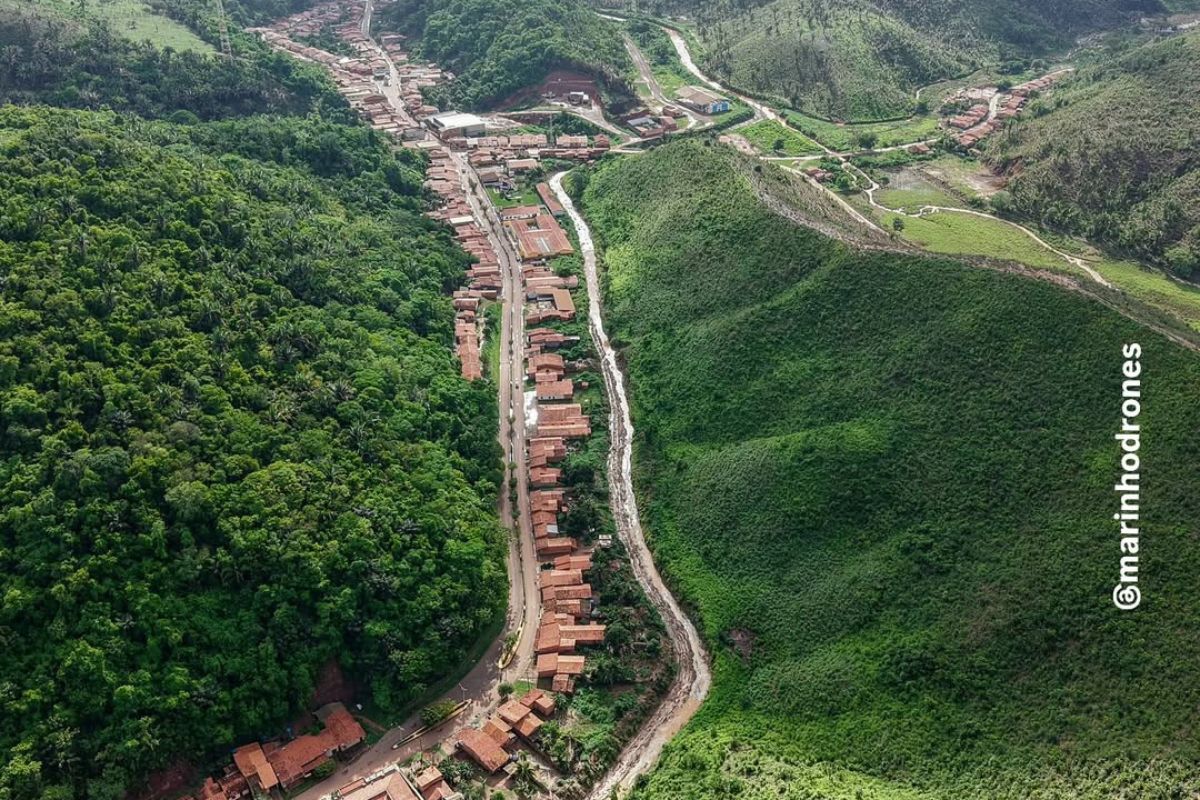


In Marajá do Sena, the Poorest City in Brazil, a Monthly Income Can Equal a Single Daily Wage in Rio de Janeiro, and the Contrast Reveals How Bolsa Família, Extreme Poverty, Lack of Running Water, and Absence of Formal Employment Shape Decisions, Schools, and Survival in a Rural Area of Maranhão.
The poorest city in Brazil shows up in the numbers, but also in the way Marajá do Sena measures time: by daily wages. When a housekeeper in Rio de Janeiro earns between R$ 150 and R$ 200 in a day, there are families that take an entire month to get close to that with side jobs, Bolsa Família, and informal work.
In Marajá do Sena, Maranhão, the comparison is not a metaphor. It organizes consumption choices, defines what goes into the pot, and exposes what extreme poverty does to a budget that needs to cover food, water, transportation, and school without a constant formal job.
Marajá do Sena and the Daily Income Benchmark
Eva Gonçalves da Silva, 37, describes her earnings straightforwardly: washing clothes, she makes the equivalent of a daily house cleaning wage in Rio de Janeiro, but spread throughout the month.
-
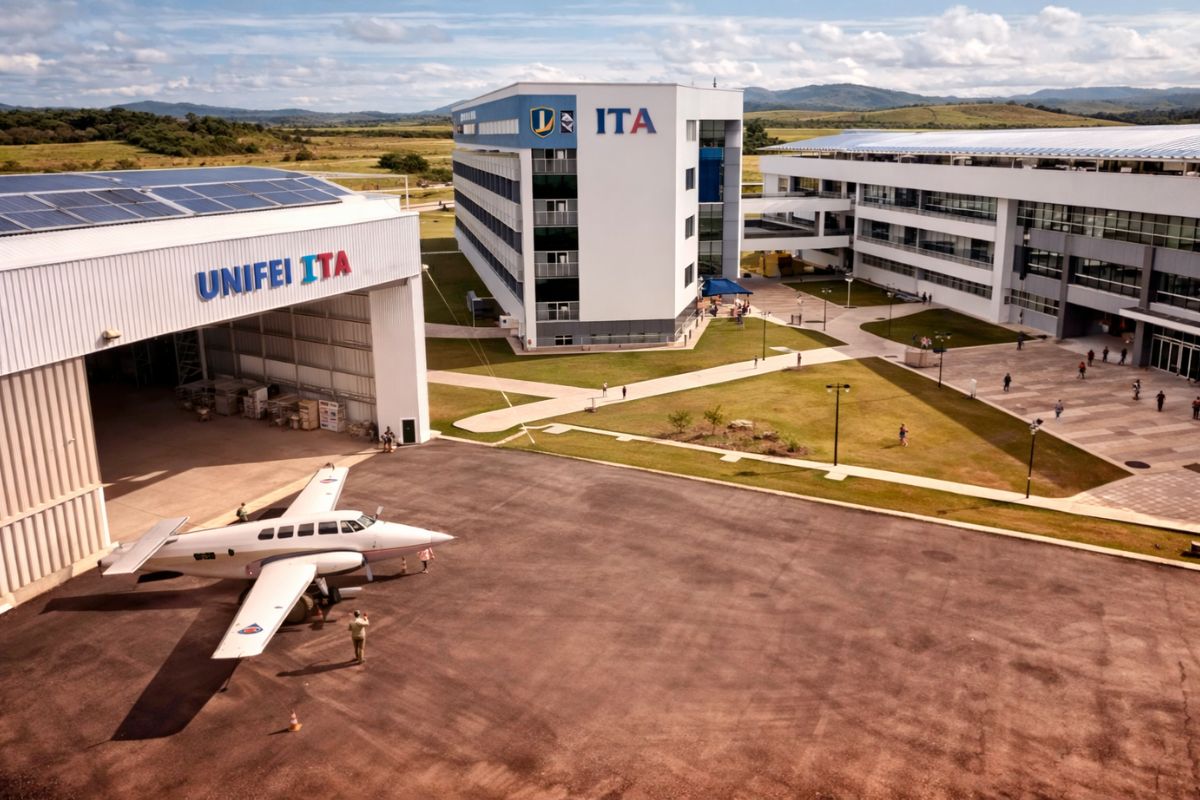
The institute that trained the greatest aerospace engineers in Brazil has just opened its first campus outside São Paulo after 75 years: ITA Ceará will have R$ 445 million, new courses in energy and systems, and classes are expected to start in 2027.
-
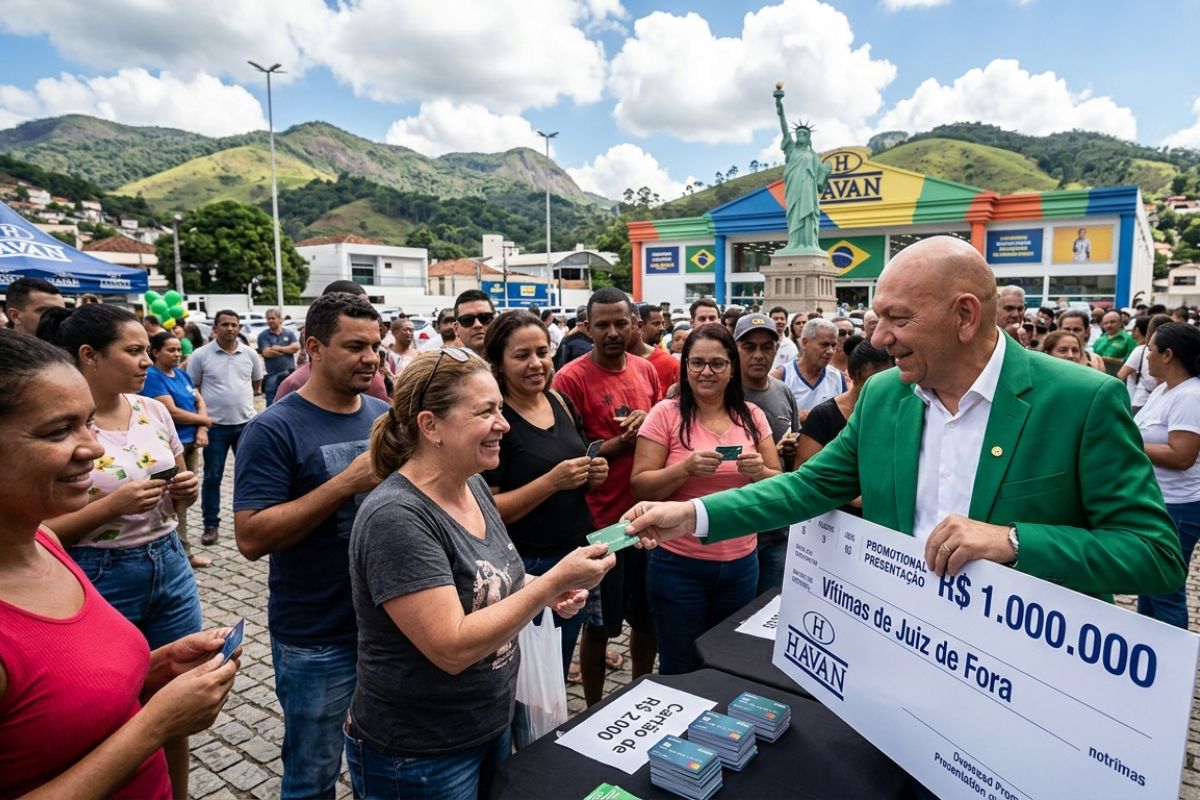
Luciano Hang, owner of Havan, goes to Juiz de Fora after the tragedy in February, brings R$ 1 million, hands out R$ 2,000 cards, and donates up to R$ 15,000 to victims in the region.
-
The Brazilian passport allows legal residence in dozens of countries without the need for a prior visa, and most Brazilians are unaware that they can apply for residency directly upon arriving in nations in South America, Africa, and even Europe.
-
Petrobras sends a message to Brazilian truck drivers after fuel collapse and reveals plan to have 100% domestic diesel.

When the reference is the value of one day, the monthly income loses scale and predictability. It’s at this point that the poorest city in Brazil ceases to be a label and becomes a method of survival.
The family’s income relies on intermittent work.
The husband digs artesian wells and clears the bush, typical activities in rural areas with little formalization.
Without formal employment, the family depends on taking up jobs as they come, which shifts the household economy to a logic of urgency, not planning.
Bolsa Família as a Floor, Not a Cushion
The only stable income mentioned is the Bolsa Família: R$ 165 linked to the children enrolled in school.
This amount serves as a survival floor, but it doesn’t cover the expenses when variable income fails.
In this scenario, Bolsa Família is not “extra”; it is what prevents immediate collapse.
In months when they manage to get additional work, the family totals about R$ 565.
This figure helps answer how much it costs to stay “afloat” in Marajá do Sena, but also reveals the limit: this sum still yields a per capita income of R$ 72, below the municipal average of R$ 96.25.
The practical effect is that any unexpected expense, from medicine to repairs, pushes the household back into extreme poverty.
Water, Bathroom, and the Expense That Doesn’t Count
In the simple home described, there is no full bathroom or filtered water. Like 86% of the population, the family relies on wells and uses cloths to filter the water.
In Marajá do Sena, only 13.9% of residents have a bathroom and access to running water, an indicator that often reflects health, time, and cost.
When running water is lacking, extreme poverty takes on an operational layer.
The routine requires fetching water, storing it, filtering it in makeshift ways, and managing losses.
This consumes hours of the day, increases physical effort, and creates sanitary risks that can generate additional expenses, especially in a context without formal employment and with fluctuating income.
Extreme Poverty Measured by Day and by Generation
The cited per capita income, R$ 2.40 per day, is described as lower than the extreme poverty line according to the World Bank.
This daily snapshot translates scarcity into micro-decisions: food, school supplies, transportation, and energy.
In practice, the poorest city in Brazil lives with such narrow margins that any interruption of side work or price increase turns into a crisis.
Social indicators reinforce the scope of the challenge: 91% of the population are vulnerable to poverty and 67% of children live in extreme poverty.
Moreover, 8.7% of children aged 6 to 14 are out of school, and 41% of youths aged 15 to 24 neither study nor work.
When youth cannot study or enter the job market, the municipality loses its engine of renewal and gets trapped in long cycles.
Formal Employment, Paved Streets, and the Door That Doesn’t Open
The figure for formal employment is straightforward: only 2% of the population has formal jobs.
In a municipality with about 7,600 inhabitants, with 85% in rural areas, this suggests low absorption capacity and little productive diversification.
Without formal employment, income depends on social programs, pensions, and public jobs, which concentrates the economy into a few payers.
Urban infrastructure also appears as an obstacle: the municipality has only 11.5% of its streets paved and there are hardly any companies capable of generating formal jobs.
Paving, here, is not aesthetic; it’s logistical. It determines whether businesses receive goods, services arrive, workers can move about, and whether investment sees predictability.
Who Stays in Consumption and Who is Left Out
Even in extreme poverty, there are small businesses and beauty salons frequented by public servants and retirees.
This detail shows that there is a circulation of money, but it is segmented: those with predictable incomes buy and maintain services; those living off side jobs buy at their limits and cut back quickly.
The result is an economy that moves, but does not integrate most.
State programs, like Mais IDH, appear as attempts to tackle infrastructure, housing, and education.
The decisive question is why Marajá do Sena continues to have such low indicators despite initiatives of this kind.
Part of the answer lies in the maturation time: sanitation, education, and mobility policies do not generate formal jobs immediately, and without formal employment, the municipality remains dependent on transferred income.
What the Poorest City in Brazil Reveals Beyond the Shock
The contrast with a daily wage in Rio de Janeiro exposes asymmetries in productivity, infrastructure, and access to opportunities.
But it also shows how extreme poverty organizes itself into routines, not just statistics.
In Marajá do Sena, survival consists of repetitive tasks, fragmented income, and decisions driven by scarcity.
If change involves expanding formal employment, it also involves reducing the invisible cost of life without running water, without a full bathroom, and with low paving.
When the basics fail, the entire economy operates with the brakes pulled.
And this helps explain why a city can be known as the poorest city in Brazil for so long.
If you have ever lived in a place where income depended on side jobs or Bolsa Família, what weighed more in your daily life: the lack of formal employment, infrastructure like running water, or the distance to bigger opportunities?
And in your municipality, is there any “marker” that makes inequality visible in a sentence? Tell what that signal is and how it appears in the routine, especially when extreme poverty becomes a daily reference.










É…infelizmente esse povo sempre acreditou em promessas dos políticos.