





 Portuguese
  English
  Spanish
 4 min of reading
  2 comments


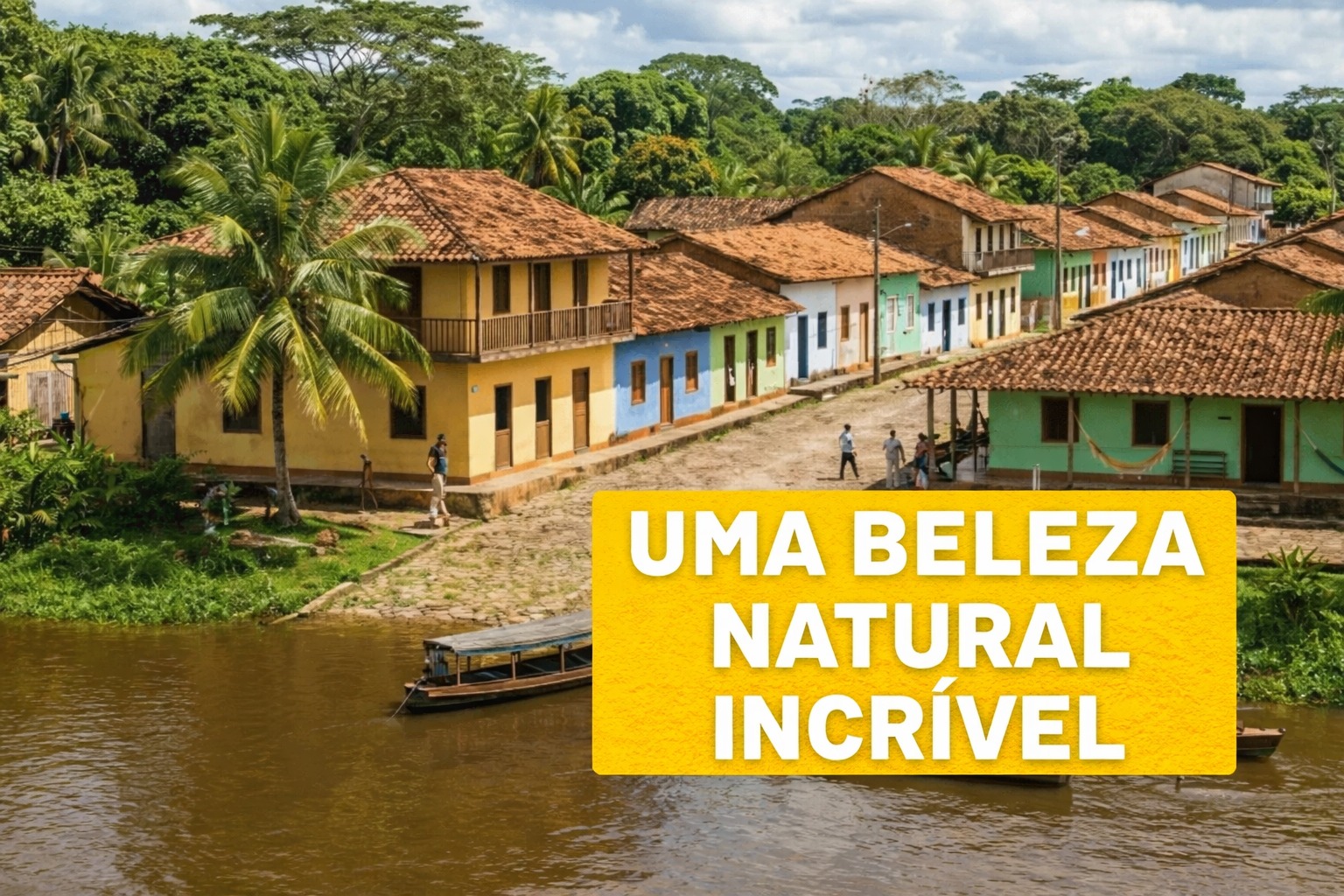


Capital of Acre Brings Together 415 Thousand Inhabitants, Rubber Tapping Tradition, Baixaria as Heritage, Urban Parks Integrated with the Forest, Cold Spell Phenomenon, and Key Geographical Position Linking Brazil to the Pacific
In the far west of Brazil, where the time zone changes and the forest meets asphalt, Rio Branco asserts itself as an Amazonian metropolis with its own identity, divided by the Acre River and strategically situated as the gateway to Western Amazon, gathering around 415 thousand inhabitants.
Forget coffee with bread. In Rio Branco, the morning starts with Baixaria, a dish recognized as an intangible heritage of the state and a daily symbol of food identity.
Made with corn couscous, ground beef, fried egg, and green seasoning, sometimes accompanied by salad, Baixaria serves as fuel for long journeys.
-
He started running at 66 years old, broke records at 82, and is now a subject of study for having a metabolic age comparable to that of a 20-year-old, in a case that is intriguing scientists and inspiring the world.

-
Oldest tree on the planet reappears after 130 years of searches: Wattieza, 385 million years old, was 10 meters tall and had no leaves or seeds; Gilboa fossils in New York solved the mystery in 2007.

-
A 48-square-meter house assembled in hours with 4,000 bricks made of recycled plastic that does not absorb moisture, has natural thermal insulation, and costs less than 90,000 reais in a complete kit.

-
Luciano Hang revealed that Havan’s air fleet has already accumulated more than 20,000 landings, 10,000 flight hours, and 6 million kilometers traveled, and he says that without the planes, the company would never have grown so quickly.


Present in popular markets, especially at the Bosque Market, the dish embodies local hospitality, hearty and affordable food designed to sustain urban workers and riverside dwellers.
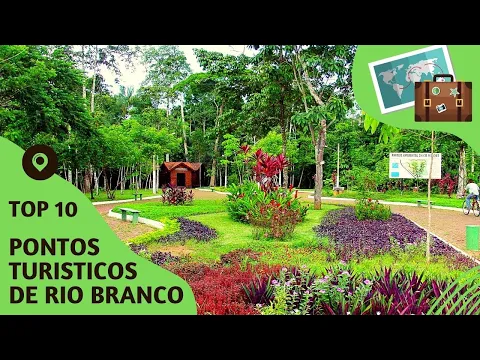

The City That Had to Fight to Exist on the Brazilian Map
The sense of belonging in Rio Branco stems from a unique past, marked by the Acrean Revolution and the incorporation of the territory into Brazil.
The Rio Branco Palace, with Greek columns, houses the state government and functions as a museum of the struggle led by Plácido de Castro.
Monuments and buildings in the city center preserve the memory of the confrontation against the Bolivian army, a central episode in Acrean political formation.
For residents, the red star on the state flag symbolizes the blood shed in the conquest of Brazilian citizenship.
Urbanism That Transformed a Stream into a Gathering Space
Rio Branco redefined its urban landscape by converting a degraded stream into the Parque da Maternidade, a national reference in environmental requalification.
With a length of 6 km, the park integrates bike paths, sports courts, and kiosks, serving as a leisure area and safe passage.
The space has become the city’s collective backyard, encouraging physical exercise, social gatherings, and daily coexistence among different neighborhoods.
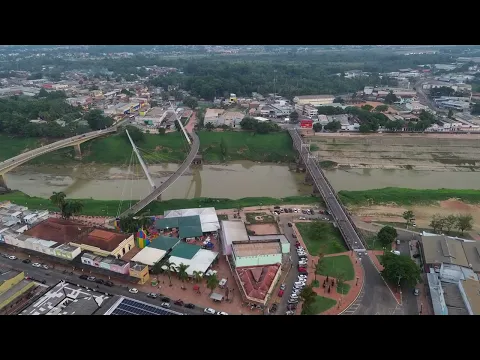
The Joaquim Macedo Walkway complements this integration by linking the historic center to the Second District over the Acre River.
When the Cold Arrives in the Amazon and Changes Local Routine
Despite its Amazonian location, Rio Branco is impacted by polar cold fronts that advance across the South American continent.
During what is called the Cold Spell, temperatures can drop rapidly from 35 °C to 12 °C, altering the habits and clothing of the population.
Coats reappear, wine consumption rises, and the urban climate temporarily takes on unusual characteristics for cities in the northern region.
This climatic phenomenon does not occur in capitals like Manaus or Belém, reinforcing the environmental uniqueness of Acre.
Experiences That Connect Recent History and Biodiversity
Tourism in Rio Branco combines historical memory and preserved nature, offering itineraries concentrated within and around the urban area.
The Gameleira Promenade marks the origin point of the city, with colorful buildings along the Acre River.
The Chico Mendes Park preserves wildlife in semi-freedom and honors the rubber tapper leader linked to environmental defense.
The House of Forest Peoples values indigenous and riverside cultures, while the geoglyphs attract regional archaeological interest.
Climate, Access, and Planning a Visit to Rio Branco
The hot, humid equatorial climate directly influences mobility, river levels, and road access to the Acrean capital.
According to data from the Climatempo portal, the so-called Amazonian summer concentrates the driest period of the year.
Between May and September, temperatures range from 30–34 °C during the day and 18–22 °C at night, with the possibility of cold spells.
From October to April, the rainy season records intense heat, high humidity, and greater difficulty in land movement.
Why Rio Branco Occupies a Strategic Position in the Country
Rio Branco represents Brazil’s final frontier, connecting Amazonian identity, political history, and continental geographical relevance.
The city is the starting point of the Pacific Highway, linking Brazil to Cusco and Lima in Peru.
Its cuisine mixes influences from the North and Northeast, while the memory of Chico Mendes reinforces the environmental legacy.
Walking at sunset along the Joaquim Macedo Walkway allows one to feel the breeze of the Acre River and understand how this capital balances between peace and resistance.
With information from Correio Braziliense.







Muito boa essa matéria, eu não tinha nenhuma informação sobre o Acre em relação a esses assuntos existentes no último estado brasileiro, gostei de saber dessas informações.
Interesante relato.