





 Portuguese
  English
  Spanish
  4 min of reading
  5 comments


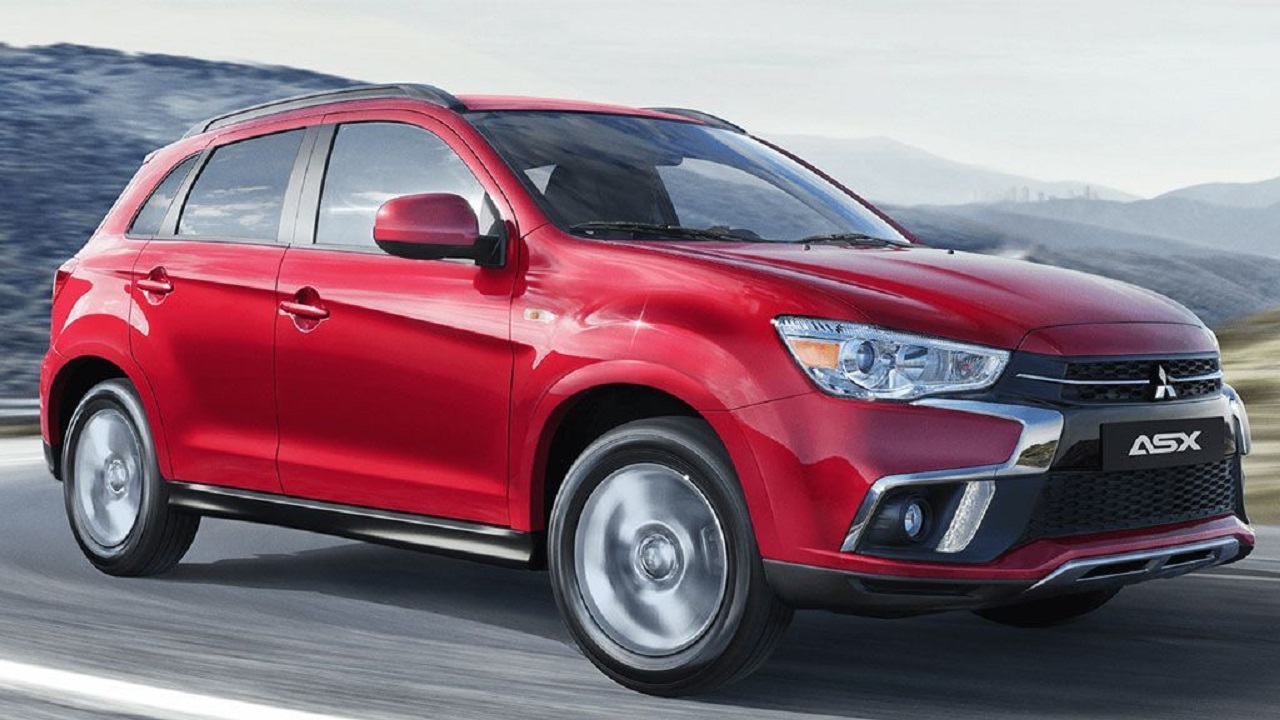


Heated Used SUV Market: Mitsubishi ASX SUV Is Gaining Traction, With Great Performance and Range. Discover If It Still Makes Sense to Buy the Mitsubishi SUV in 2025.
The used SUV market remains heated in Brazil, and one of the models that has gained the most attention in recent years is the Mitsubishi ASX. Known for its robustness and versatility, the Mitsubishi SUV is an interesting option for those looking for a car with good performance both on asphalt and on dirt roads, capable of tackling light trails with safety and comfort. But after all, is it still worth buying the Mitsubishi ASX in 2025?
What the Mitsubishi ASX Delivers to the Driver


Launched in Brazil in 2010, the Mitsubishi ASX arrived in the country as a compact SUV with dimensions similar to those of a medium hatch: 4.36 meters in length and 2.67 meters in wheelbase. Its trunk has a capacity of 409 liters, and the interior accommodates five occupants comfortably. Since the first versions, the model stands out for its good safety package, which includes front airbags and ABS brakes as standard items.
Over time, the ASX began to feature more complete versions, including seven airbags (front, side, curtain, and knee), traction and stability controls, hill-start assist, selectable 4×4 traction, rear sensors, proximity key with push-button start, electrically folding mirrors, digital air conditioning, and leather seats with electric adjustments. Some models also come with a panoramic sunroof and xenon headlights.
-
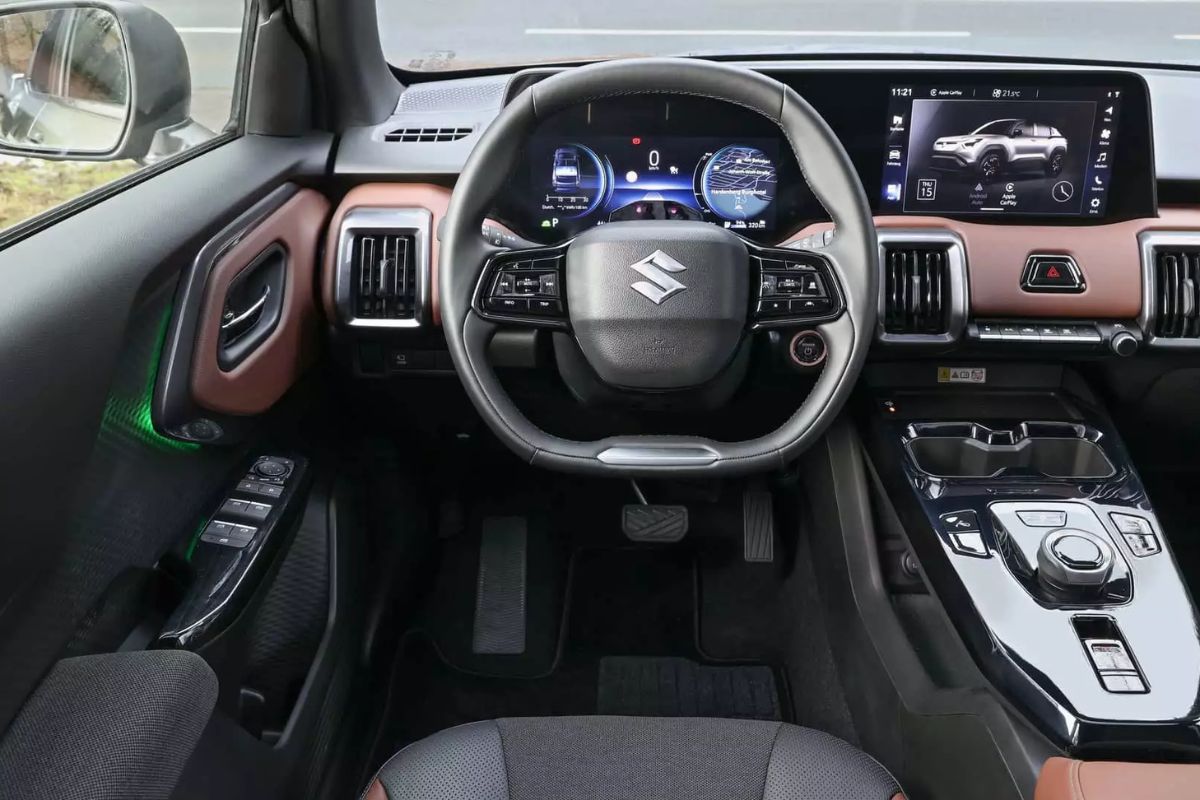
The 2026 electric Vitara arrives in Brazil and proves that Suzuki is not leaving: 4×4 traction, 184 hp, 61 kWh LFP battery, 293 km range, R$ 259,000, and a trunk capacity of 224 L.
-
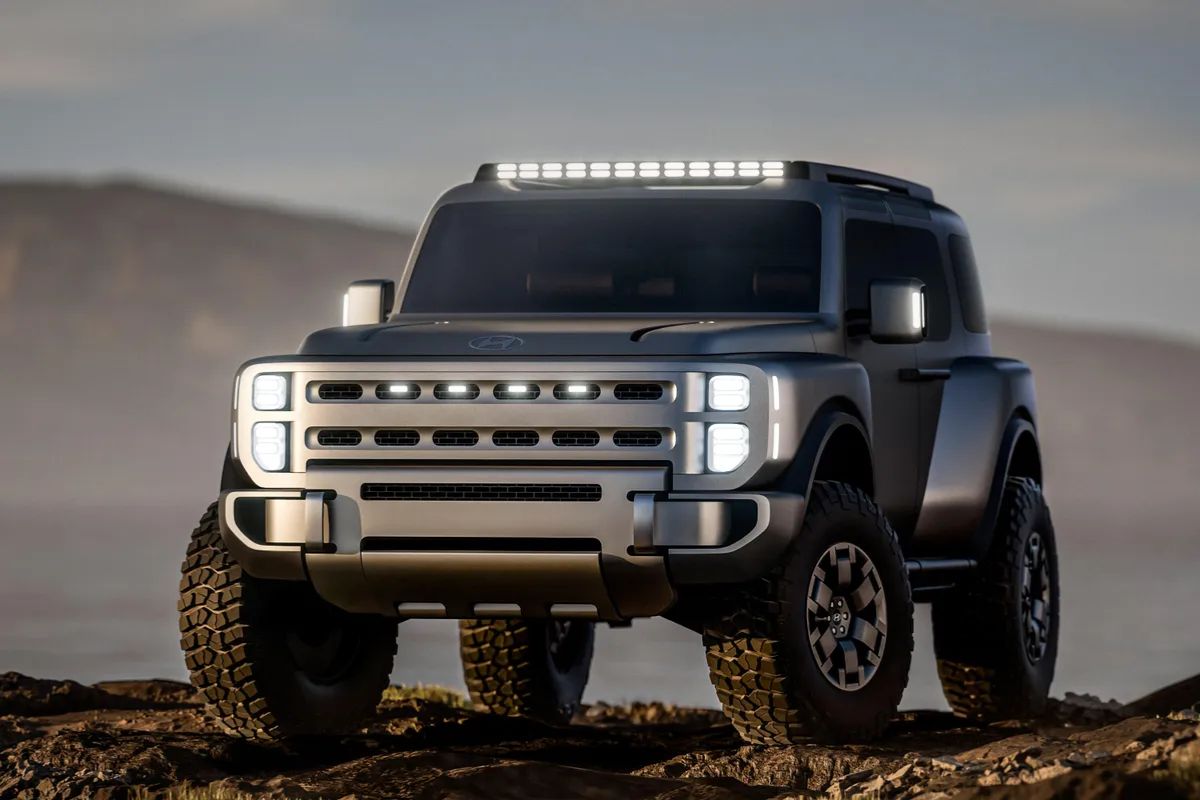
Hyundai has unveiled the Boulder, a square SUV with a body-on-frame design, 37-inch mud tires, and carriage-style doors that seems to be made to take on the Ford Bronco and the Scout Traveller in the United States.
-
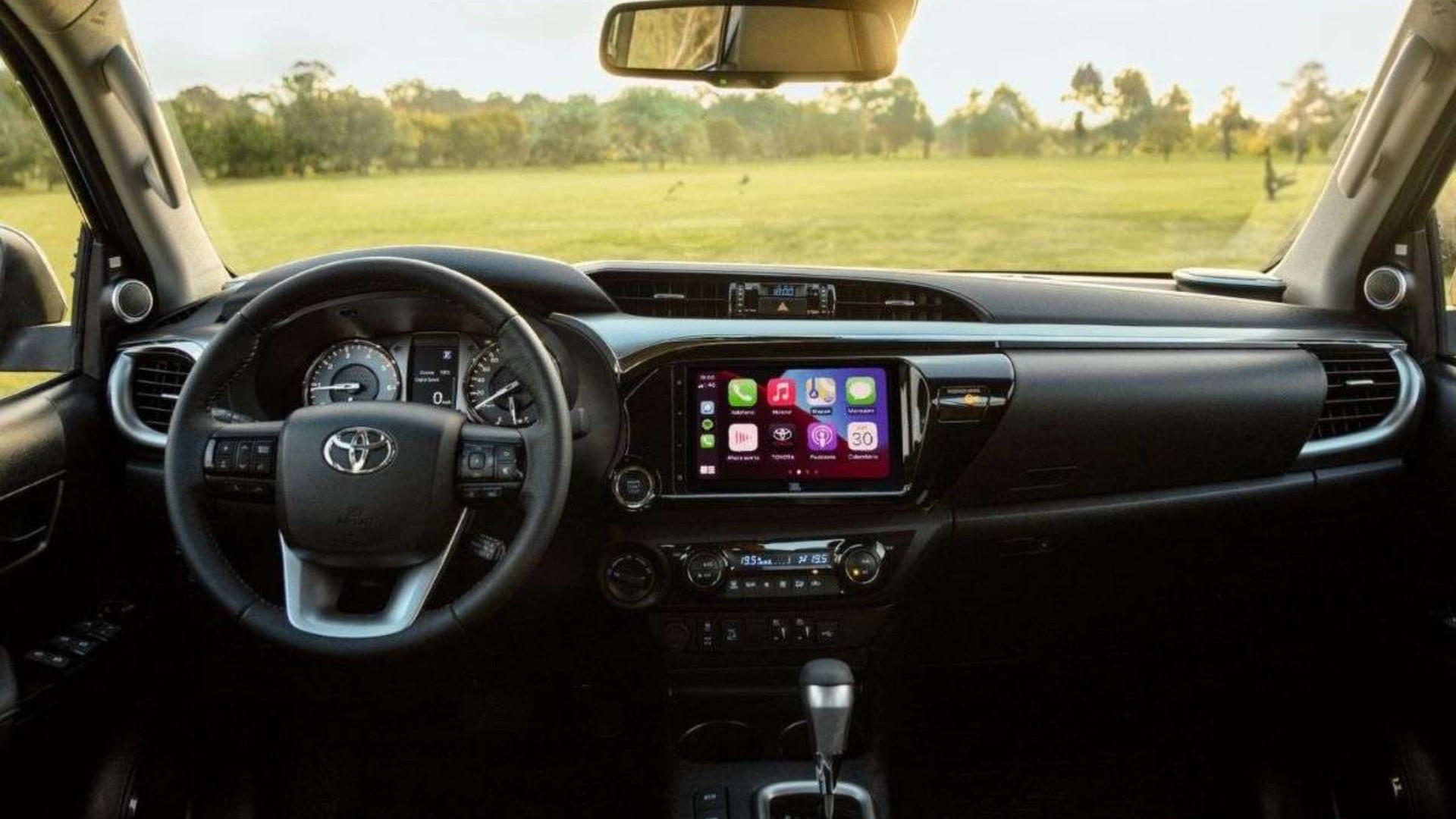
The Toyota Hilux is R$ 75.5 thousand cheaper and bets on the 2.8 turbodiesel engine with up to 204 hp and 50.9 kgfm to catch up with the VW Saveiro, which leads with 4,472 sales.
-
The new Renault Koleos has a screen exclusively for the passenger that is invisible to the driver, heated rear seats, and 29 assistance systems, but its Chinese competitors cost R$ 40,000 less and deliver more power.
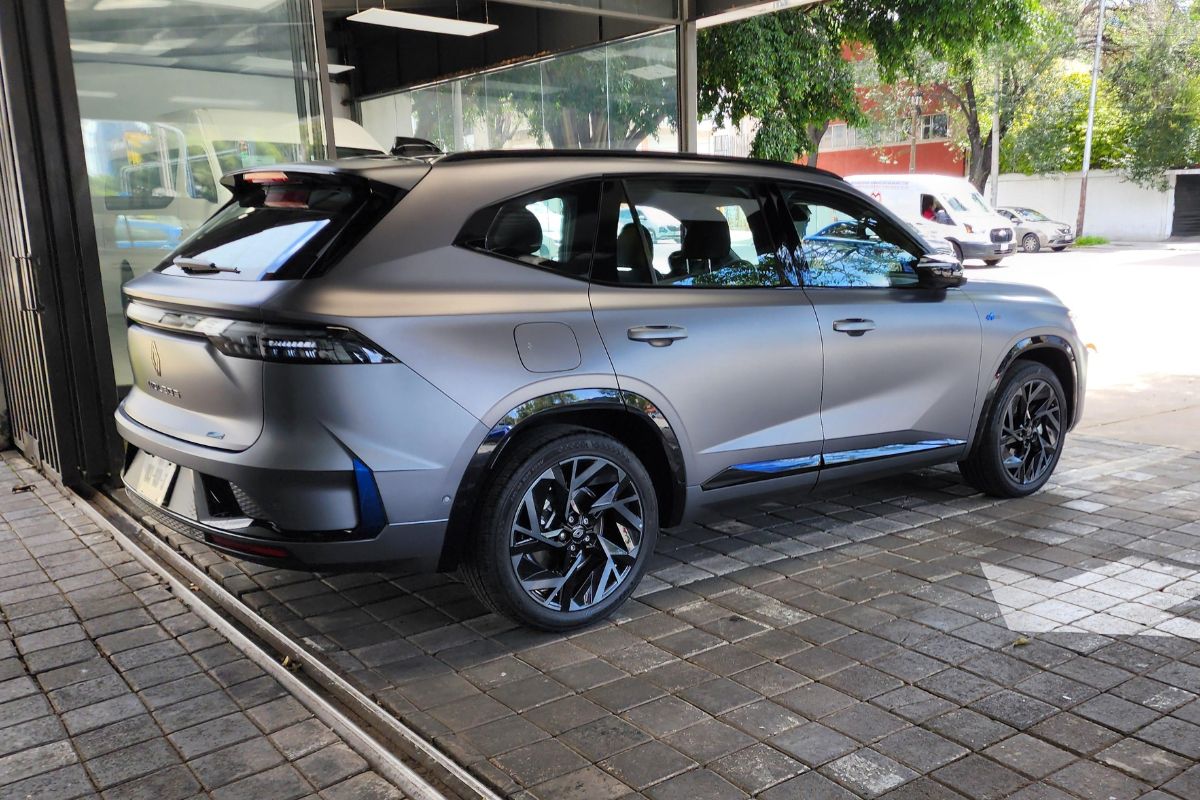

Technical Specifications of the Mitsubishi ASX 2.0 (Gasoline and Flex)
- Engine: 2.0 16V DOHC MIVEC (gasoline or flex, from 2018)
- Power: 160 hp (gasoline) / 170 hp (ethanol)
- Torque: 20.1 kgfm (gasoline) / 23 kgfm (ethanol)
- Transmission: 5-speed manual or CVT automatic
- Traction: Front or 4×4 (depending on the version)
- Average Urban Fuel Consumption: 9.5 km/l (gasoline)
- Average Highway Fuel Consumption: 13.5 km/l (gasoline)
- Top Speed: 190 km/h
- 0 to 100 km/h: approximately 11 seconds
- Fuel Tank: 60 liters
Evolution of the Mitsubishi ASX Over the Years
In 2012, the ASX became localized, with production at the Mitsubishi factory in Catalão (GO). It received 18-inch wheels, recalibrated suspension, and minor mechanical improvements. In 2015, the ASX Outdoor was launched, with 4×4 traction, manual transmission, a more adventurous look, and all-terrain tires.
From 2016, the model was only available with front-wheel drive and CVT transmission. In 2017, it received its last facelift in the front, with new zig-zag shaped chrome trims and a redesigned bumper. The rear was altered in 2018, with the introduction of the “flex” logo, marking the adoption of the flex-fuel engine with a pre-heating system.
The ASX was officially discontinued in 2021, being replaced by the Outlander Sport, a restyled version of the same car, which had a short lifespan: launched in 2020, it went out of production in December 2021.
Main Problems of the Used Mitsubishi ASX
Despite its qualities, the Mitsubishi ASX has some chronic problems reported by owners:
- High fuel consumption, especially in the automatic versions with the 2.0 engine and CVT;
- Suspension with short and firm travel, requiring frequent maintenance of bushings and bump stops;
- Recalls in 2010 and 2011 models due to the risk of the panoramic roof detaching;
- Units without a transmission fluid radiator, especially the first imported ones, which may exhibit noise and overheating of the transmission at high RPM;
- Wear of the valve timing chain, caused by the use of inadequate oil or overdue changes.
Which Version is Available for R$ 50,000?
The version of the Mitsubishi ASX that can be found in the price range of R$ 50,000 in 2025 generally corresponds to models manufactured between 2012 and 2014, especially in configurations with manual transmission and front-wheel drive (4×2).
These units usually have lower mileage than earlier versions from 2010 and 2011, and already incorporate localization improvements made by Mitsubishi at the factory in Catalão (GO), such as a suspension better suited to Brazilian terrain and discreet visual updates. The 2.0 manual model delivers 160 hp, features electric steering, air conditioning, a sound system with Bluetooth, and a multifunction steering wheel.
Although it does not come with 4×4 traction or the more sophisticated features of top-of-the-line versions, this option is well-regarded for offering lower maintenance costs and balanced performance for urban use. For those looking to buy the ASX for up to R$ 50,000, the main channels are online classifieds platforms, such as OLX, Webmotors and iCarros, in addition to used car fairs and multi-brand dealership networks.
It is important to prioritize vehicles with an up-to-date maintenance history, with no pending recalls, and to conduct a good inspection before purchase. It’s also worth negotiating the price on models with over 100,000 km driven.
Is It Still Worth Buying the Mitsubishi ASX in 2025?
With prices starting from around R$ 55,000 in the used car market, the Mitsubishi ASX remains an interesting option for those seeking a reliable, robust SUV with a good equipment package. The model offers comfortable driving, a still-current look, and good availability of parts.
However, it is important to evaluate the vehicle’s maintenance history and verify whether any recalls and updates have been properly carried out. Versions with manual transmission tend to be more desirable as they provide better responses and lower maintenance costs.
In summary, it is worth buying the Mitsubishi ASX in 2025, as long as the unit is well-preserved, reviewed, and with up-to-date maintenance.










Tenho uma 2011/12 e andando leve na estrada chega a fazer 13 por L. Mas o normal fica entre 11,5 a 12 no dia a dia.
É maravilhosa. Quero uma mais nova.
Não tenho, mas conheço muita gente que tem, o carro e excelente, mas nunca vi tanta mentira, esse aí não deve ter nem CNH.
Interessante que uma matéria sobre 06 suvs usados diz não é nada disso.