





 Portuguese
  English
  Spanish
  3 min of reading
  1 comment


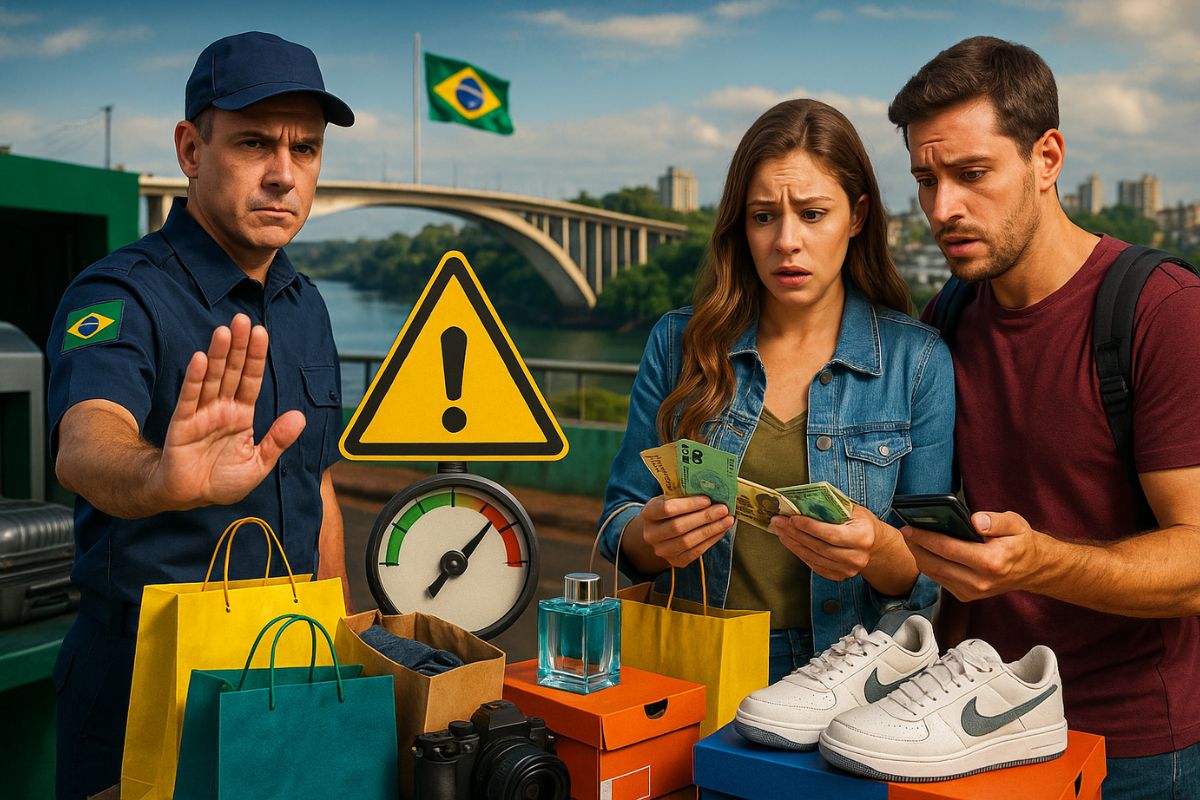


Federal Revenue Alerts: In Foz do Iguaçu, Purchases in Paraguay Made on the Same Day Count Towards the US$ 500 Allowance, Including Clothing and Perfumes.
According to information from the portal Compras Paraguai and the Federal Revenue itself in Foz do Iguaçu, the exemption limit for those crossing the land border with Paraguay is only US$ 500 (about R$ 2,600 in 2025). The detail that many ignore is that in the most common day trips to Ciudad del Este, practically everything falls within this limit, including clothing, perfumes, and new cell phones.
This happens because the Revenue only considers personal goods those that have been used during a longer trip with a stay abroad. On day trips, any newly purchased goods count towards the exemption limit.
How Does the Exemption Limit Work at the Border?
Every Brazilian traveler is entitled to US$ 500 in tax-free purchases. This amount applies to airfares as well as to land borders. The difference is in how the inspectors interpret the use of the acquired goods.
-
A new Brazilian shopping center worth R$ 400 million will be built in an area equivalent to more than 4 football fields, featuring 90 stores, 5 cinemas, a supermarket, a college, and parking for 1,700 cars, potentially generating 3,000 jobs.

-
Larger than entire cities in Brazil: BYD is building a 4.6 km² complex in Bahia with a capacity for 600,000 vehicles per year, but the discovery of 163 workers in conditions analogous to slavery has shaken the entire project.

-
With an investment of R$ 612 million, a capacity to process 1.2 million liters of milk per day, Piracanjuba inaugurates a mega cheese factory that increases national production, reduces dependence on imports, and repositions Brazil on the global dairy map.

-
Brazilian city gains industrial hub for 85 companies that is equivalent to 55 football fields.

On quick trips to Paraguay, clothing, cosmetics, electronics, and even perfumes are treated as common goods, rather than personal items. Therefore, they directly count towards the exemption limit. If the total exceeds the limit, the traveler must declare and pay the corresponding taxes.
When Are Clothing and Cell Phones Accepted as Personal Use?
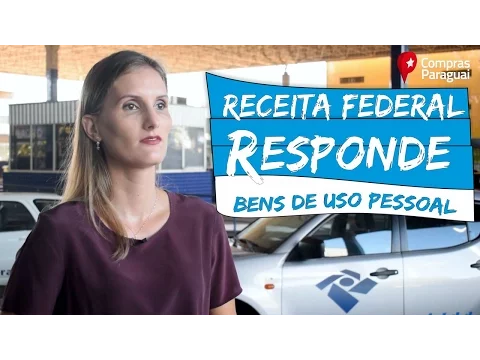

According to tax auditor Giovana Longo from Foz do Iguaçu, there is a difference between those who spend only a few hours in Ciudad del Este and those who stay in Paraguay. If the traveler stays in the country for a few days, items such as clothing worn during the stay and even a cell phone used can be considered personal use.
In the case of day trips, a new cell phone or newly purchased clothing are automatically counted towards the exemption limit. This means that the traveler must include these items in the US$ 500 limit, even if they are basic.
What Are the Penalties for Exceeding the Limit?
The Federal Revenue is clear: those who do not declare products and exceed the exemption limit can be fined 50% of the excess value, in addition to having the goods held until regularization. The tax amount is calculated on the total that exceeded the allowed limit.
In practice, this weighs heavily on those who cross the Friendship Bridge every day for quick purchases. A mistake can turn a saving into an immediate loss.
Is It Worth Buying in Paraguay?
Even with the exemption limit set at US$ 500, many Brazilians continue to choose to shop in Ciudad del Este because of the variety of products and lower prices. However, it is essential to calculate before crossing the border. Knowing exactly what counts towards the limit avoids fines and headaches with inspections.
The secret is to plan the purchase, keep the receipts, and, if necessary, declare the products right upon entry to avoid future complications.
The rule is simple but poorly understood: at the border with Paraguay, the exemption limit is US$ 500 and includes practically everything bought during day trips, including clothing and perfumes. Only on longer trips may certain items be considered personal use.
Do you think it’s fair that even clothing and perfumes count towards the exemption limit on day trips? Or should this rule be more flexible for the Brazilian consumer? Share your opinion in the comments — we want to hear from those who have been in this situation in practice.







Esse governo **** acaba com o Brasil e com os brasileiros fora Lula cachaceiro