





 Portuguese
  English
  Spanish
  4 min of reading
  29 comments


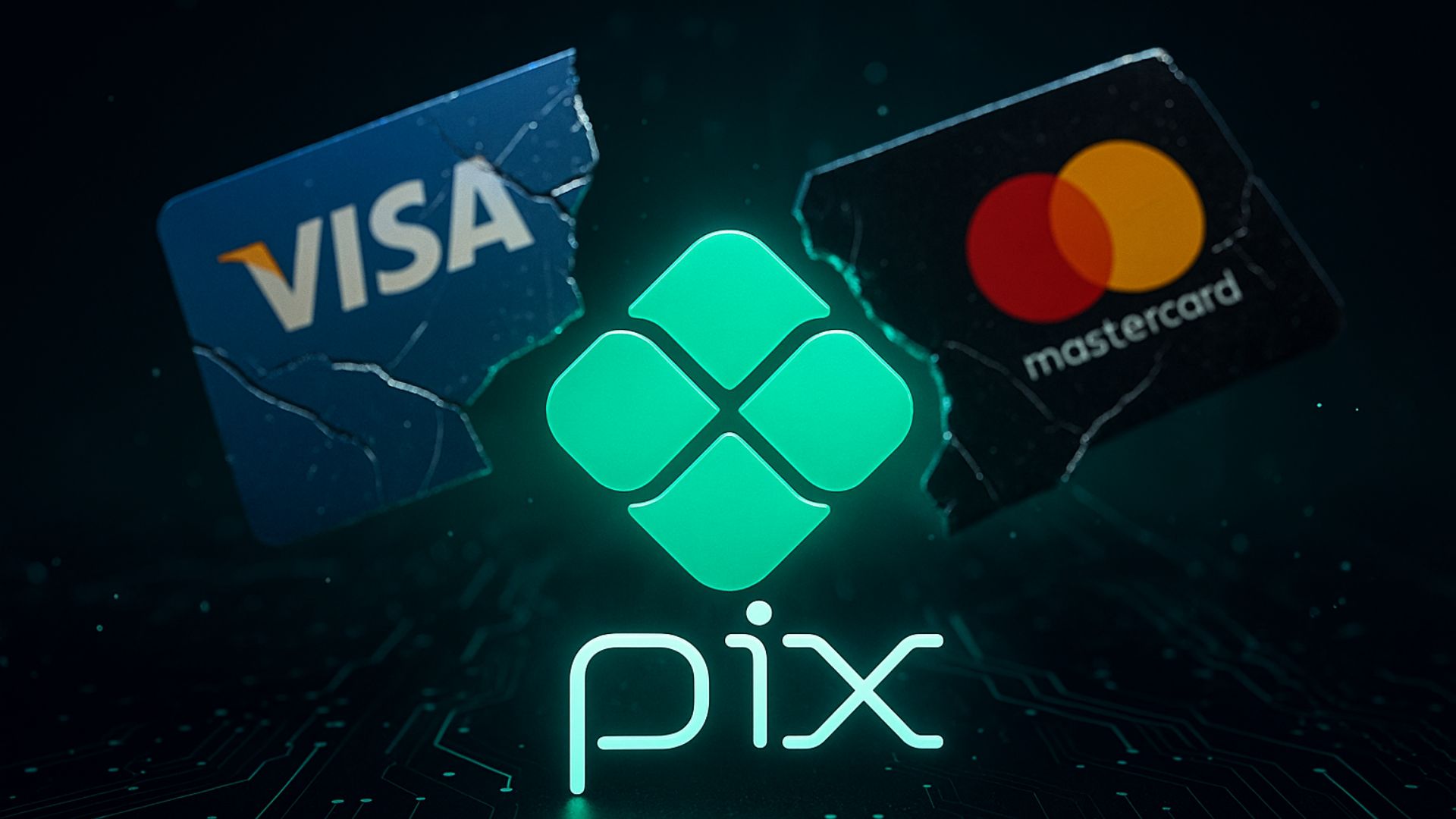


The Advancement of International Pix Draws Global Attention by Bridging Brazil with Unique Integration of Real-Time Payments with Latin American Countries, Expanding Technical Reach and Financial Impact of the System.
The Central Bank of Brazil has taken another step in expanding International Pix, a system aimed at enabling instant payments among Latin American countries.
The initiative, still in testing phase, was the subject of a video published this Tuesday (26) by fintech specialist Luiz Molla Veloso on the CNBC channel on YouTube.
According to him, the proposal aims to eliminate intermediaries and reduce costs that currently reach around 6 percent on international remittances.
-
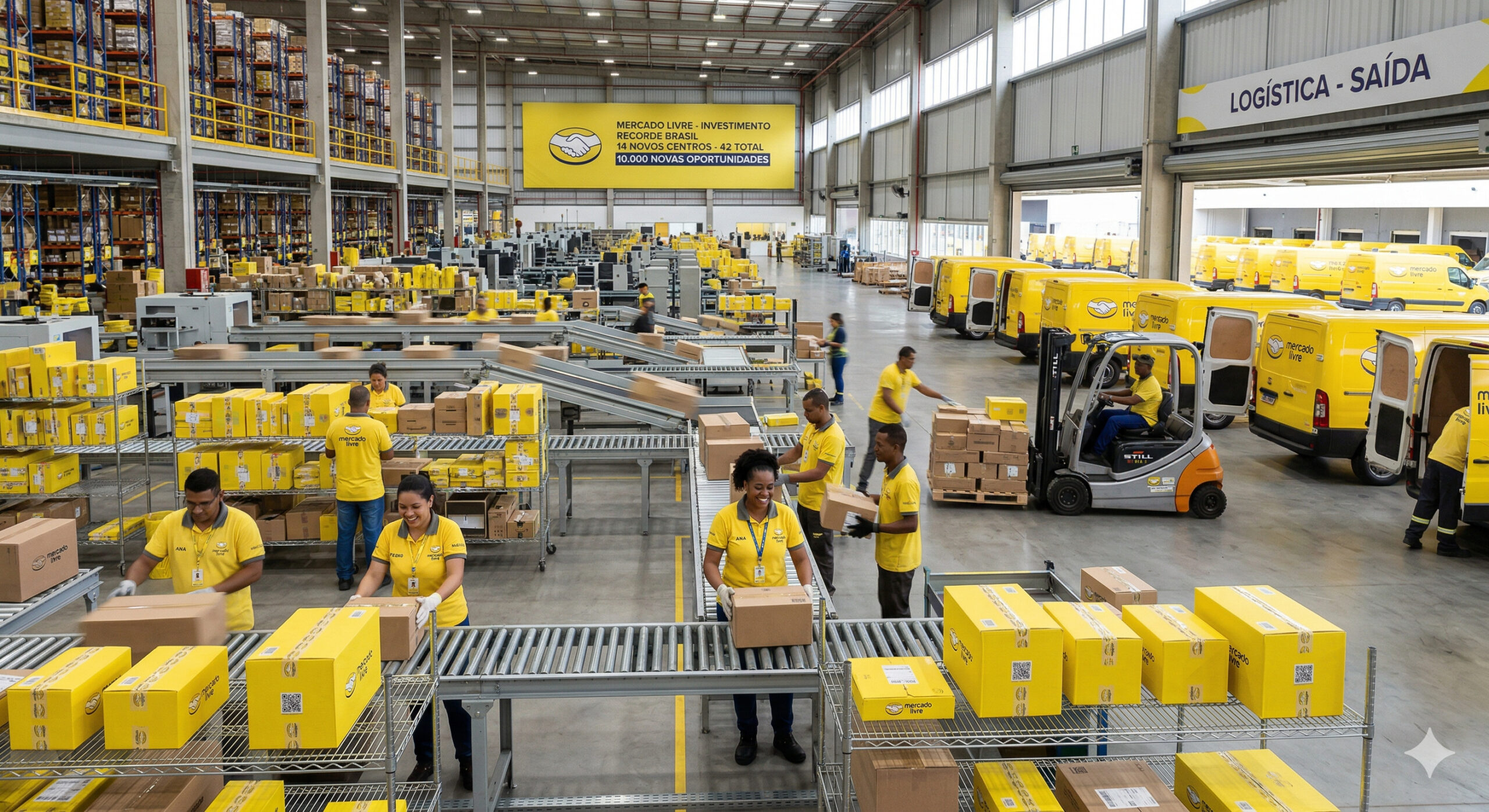
Mercado Livre “opens the vault” and announces a record investment of R$ 57 billion in Brazil in 2026, a value 50% higher than the previous year, with an expansion plan that includes 14 new logistics centers, totaling 42 units in the country and hiring an additional 10,000 employees.
-
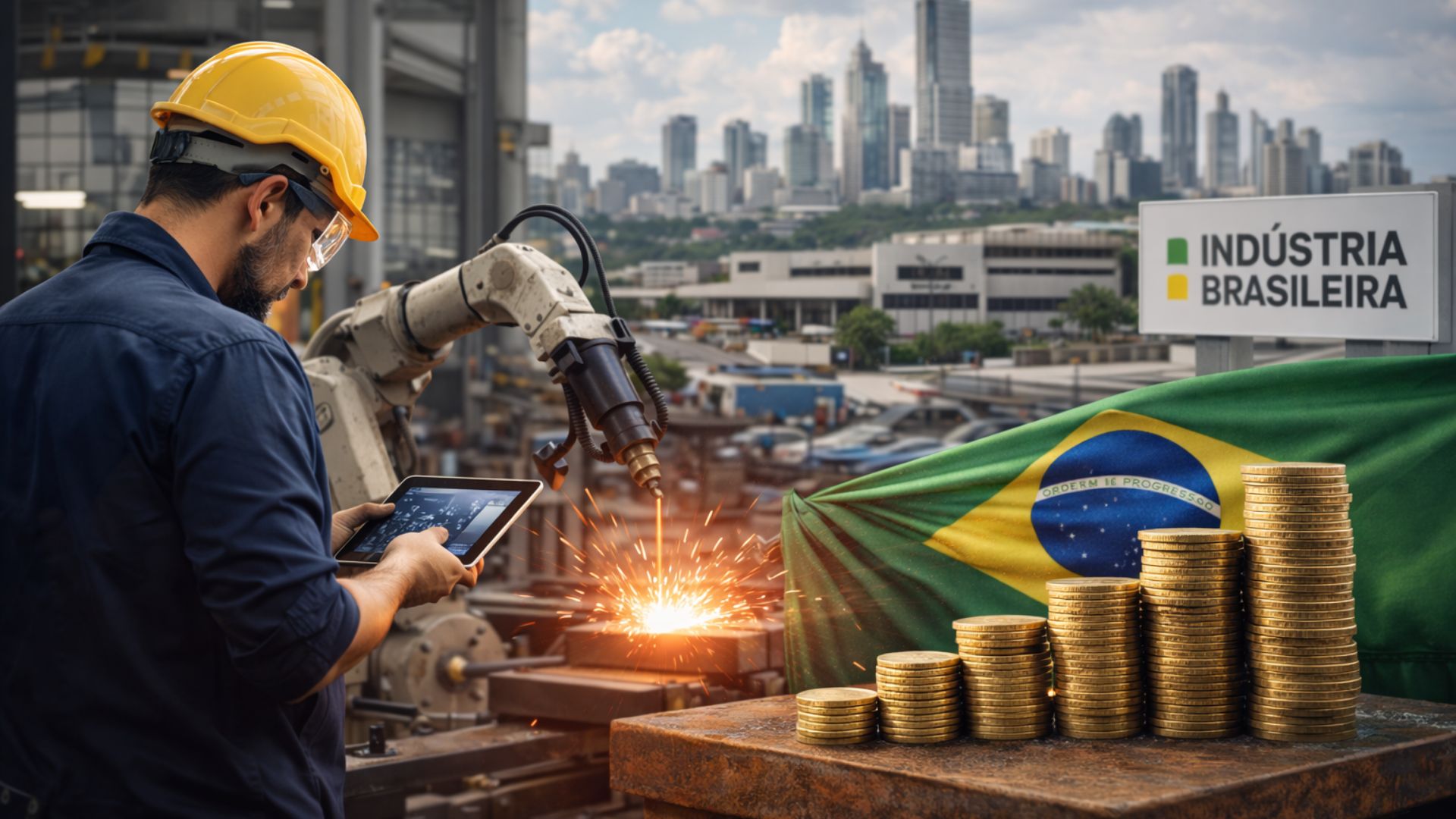
How investment in technology can revolutionize the national economy and enhance industrial gains, according to a study that highlights the direct impact on productivity, innovation, and wealth retention within Brazil.
-
The largest food company on the planet, JBS, has just opened a 4,000 square meter laboratory in Florianópolis to develop customized proteins that modulate muscle mass gain, immune response, and metabolic performance.

-
After nearly 30 bids and competition among industry giants, a Spanish company purchases one of the largest airports in Brazil for almost R$ 3 billion and takes over the management of Galeão in a concession that will last until 2039.


In his participation, Veloso explained that the integration between instant payment systems of different countries could place Brazil in a prominent position in the global financial scene.
According to the specialist, the goal is to allow a purchase made outside the country to be settled in seconds, just as it occurs in domestic transactions via Pix.
How International Pix Works
As detailed by Luiz Molla Veloso, some Brazilians have already seen foreign establishments accept Pix as a form of payment.
In such cases, the store performs a currency exchange operation behind the scenes, handling the international remittance for the customer.
With International Pix, however, this process would be automated.
Veloso explained that the system in testing would allow direct communication between the Brazilian Central Bank and the central bank of the partner country.
Thus, currency conversion and settlement would be executed in real time, without the traditional step of manual currency closing.
According to him, this change would drastically reduce two sensitive points: settlement time and operational cost.
As the specialist emphasized, the elimination of manual processes tends to make each transaction cheaper and faster, benefiting consumers and businesses.
Pix and the Swift System
During the interview, Luiz Molla Veloso was asked about the possibility of Pix replacing the Swift code, the global standard for transfers.
He stated that this is not the trend.
The specialist emphasized that Pix is inspired by Swift technologies and that its adoption tends to be stronger in countries with technological structures similar to Brazil’s.
Veloso added that instant payment systems assist in the digitization of money and reduce the need for cash issuance.
This can contribute to inflation control in some markets.
Partnerships and Integration with Colombia
According to the specialist, Colombia appears as one of Brazil’s most natural partners at this initial stage.
He recalled that the Brazilian company Pismo, now controlled by Visa, collaborates with the Colombian Central Bank in creating an infrastructure similar to Pix.
According to Veloso, the compatibility between technological architectures facilitates the rapid adoption of an interoperable system.
He further commented that countries with economic characteristics similar to Brazil’s have great potential to expand the use of instant payments.
Remittance Costs and Impact on Consumer
Although the Central Bank has not yet defined final values, Luiz Molla Veloso stated that the complete digitization of the process should significantly reduce costs.
He explained that part of the current fees derives from semi-manual stages that require human analysis.
As noted by the specialist, by transforming everything into a fully automated operation, the unit cost tends to approach zero, as already occurs with domestic Pix.
This savings should be passed on to the end user.
Pix as a Tool for Brazilian Influence
Luiz Molla Veloso also commented on the potential of Pix as a tool for Brazilian soft power.
According to him, exporting the technology could open doors for trade agreements and expand the country’s influence in the global debate on financial innovation.
The specialist asserted that a more active government strategy in promoting the model to neighboring nations would be important.
He emphasized that several national companies have high technological levels and can help other countries develop their own systems.

Latin America as Starting Point
According to Veloso, Latin America is the most natural ground for the beginning of the expansion of International Pix.
He cited geographical proximity, similarity between financial structures, and the technological evolution present in several countries on the continent.
The specialist also recalled that Brazilian tourists already use Pix for transactions in Argentina and Paraguay, demonstrating familiarity and growing demand.
Possibility of Expansion to Africa
When asked about negotiations with African countries, the specialist stated that he has not found formal records so far.
He pondered, however, that it would be a strategic opportunity.
Veloso recalled that Angola has previously had experiences with instant payments through SMS-like technologies.
In his view, solutions like Pix could benefit economies characterized by high cash usage.
For the specialist, expansion to Africa would be a natural step after consolidation in Latin America.
At the end of the interview published on CNBC, Luiz Molla Veloso reiterated that International Pix still depends on testing and multilateral agreements but sees Brazil closer to becoming a global reference in payment systems.
With the region’s rapid technological evolution, he believes that the next phase may transform how Latin Americans conduct transactions abroad.






Essa é a realidade, se vc tem a informação, vc sai na frente, ninguém da informação de graça, uma sabedoria da humanidade, vcs esquecem que os governantes carregam toda essas culpa, que por conta de ideologia na querem que o povo se instruí, quanto a isso os partidos de esquerda são sábios um
Logo vem o laranjão ameaçar quem aderir com tarifas de 100%
Ele defende o monopólio das empresas americanas que colocam milhões de dólares nas suas campanhas.
Cada qual c9m o seu qual ou seja cada um defenda o seu!
Visa e Mastercard sao monopolistas abusados. Desejo o máximo de prejuízo para eles