





 Portuguese
  English
  Spanish
  5 min of reading
  1 comment


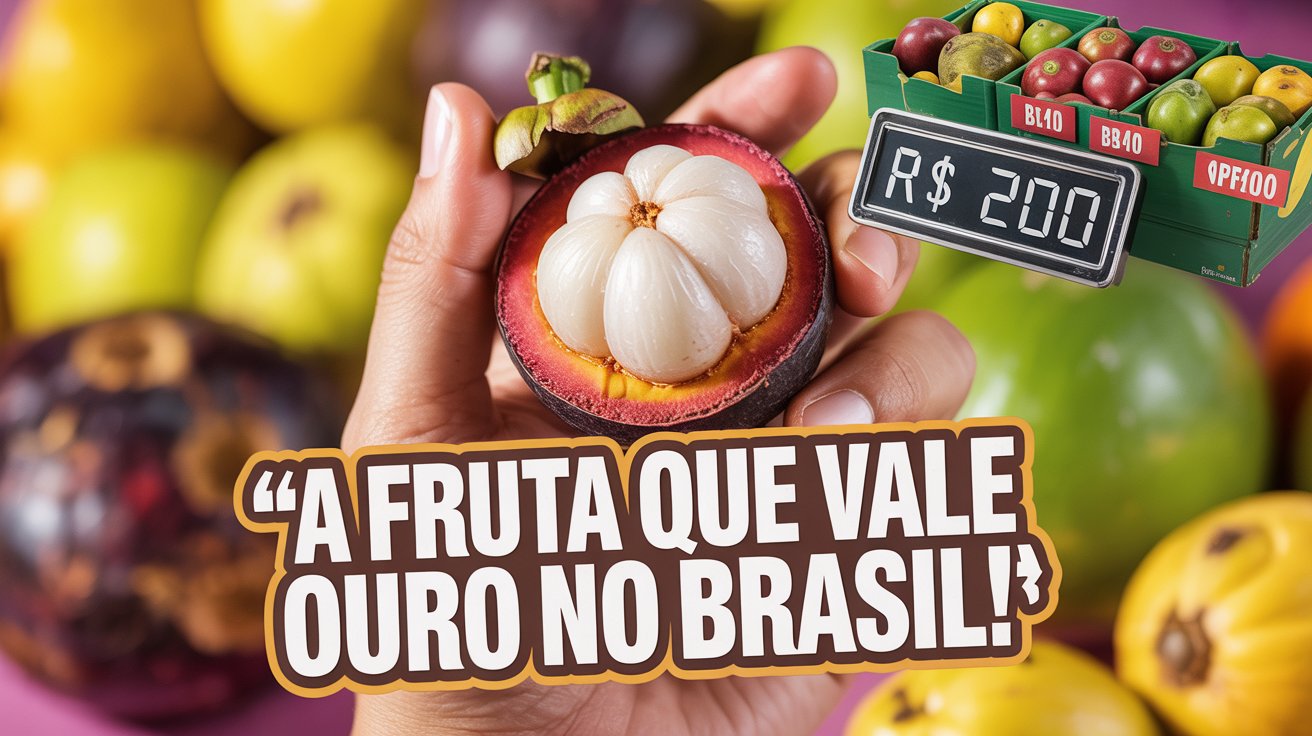


Exotic Fruit Of Asian Origin Reaches Record Value In Brazil, Surprises Consumers And Gains International Recognition For Its Unique Characteristics And Remarkable Flavor.
Neither pitaya nor cherry: mangosteen leads the ranking of the most expensive fruit in Brazil in 2025
In the Brazilian scenario of exotic fruits and high commercial value, the mangosteen stands out in 2025 as the most expensive fruit in Brazil, surpassing well-known names such as pitaya and cherry.
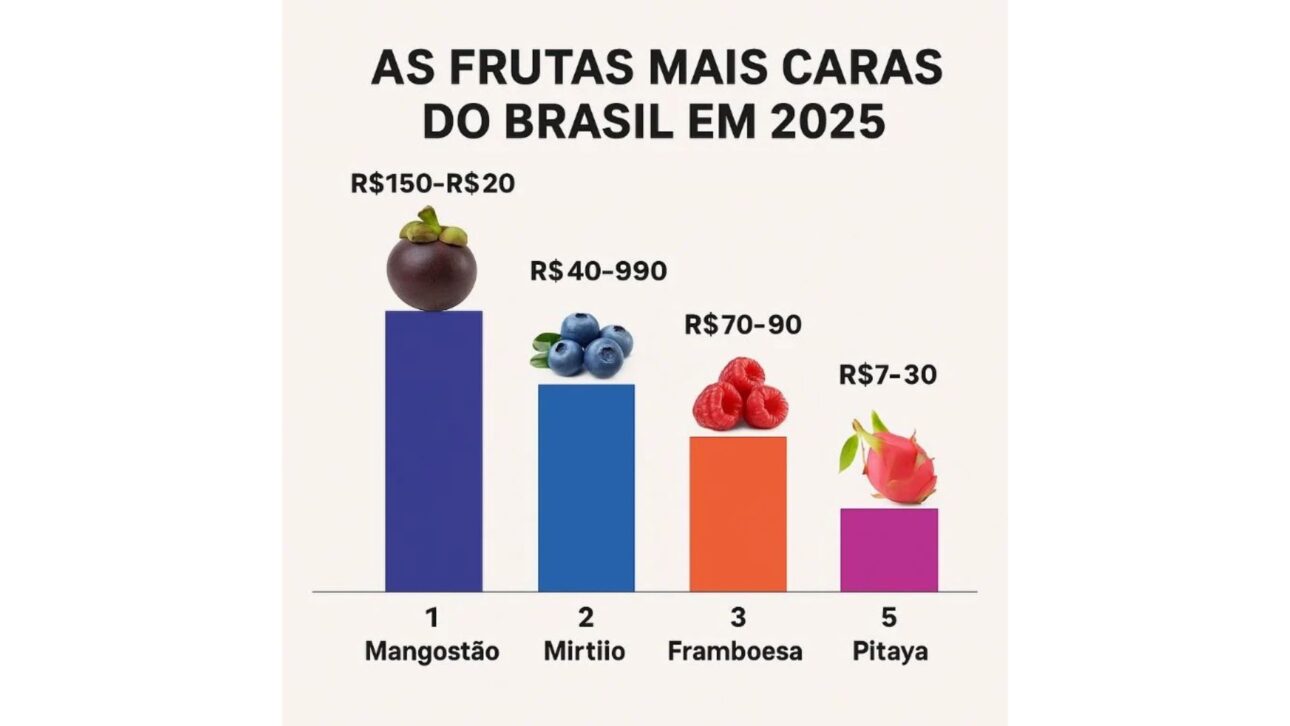
Despite its low presence in fairs and markets, this fruit of Asian origin reaches prices that can reach R$ 200 per kilo, especially in large urban centers, such as São Paulo, Rio de Janeiro, and Goiânia.
-
He started running at 66 years old, broke records at 82, and is now a subject of study for having a metabolic age comparable to that of a 20-year-old, in a case that is intriguing scientists and inspiring the world.

-
Oldest tree on the planet reappears after 130 years of searches: Wattieza, 385 million years old, was 10 meters tall and had no leaves or seeds; Gilboa fossils in New York solved the mystery in 2007.

-
A 48-square-meter house assembled in hours with 4,000 bricks made of recycled plastic that does not absorb moisture, has natural thermal insulation, and costs less than 90,000 reais in a complete kit.

-
Luciano Hang revealed that Havan’s air fleet has already accumulated more than 20,000 landings, 10,000 flight hours, and 6 million kilometers traveled, and he says that without the planes, the company would never have grown so quickly.


The pitaya, native to regions of Central America and Mexico, became popular in recent years due to its exotic appearance and manual cultivation, which increases its price.
The cherry, in turn, native to the Asian continent and dependent on low temperatures to bear fruit, is only found imported in Brazil, with high prices due to logistics and scarcity.
Still, none of these fruits reach the value of the mangosteen, considered rare even in the places where it is cultivated nationally.
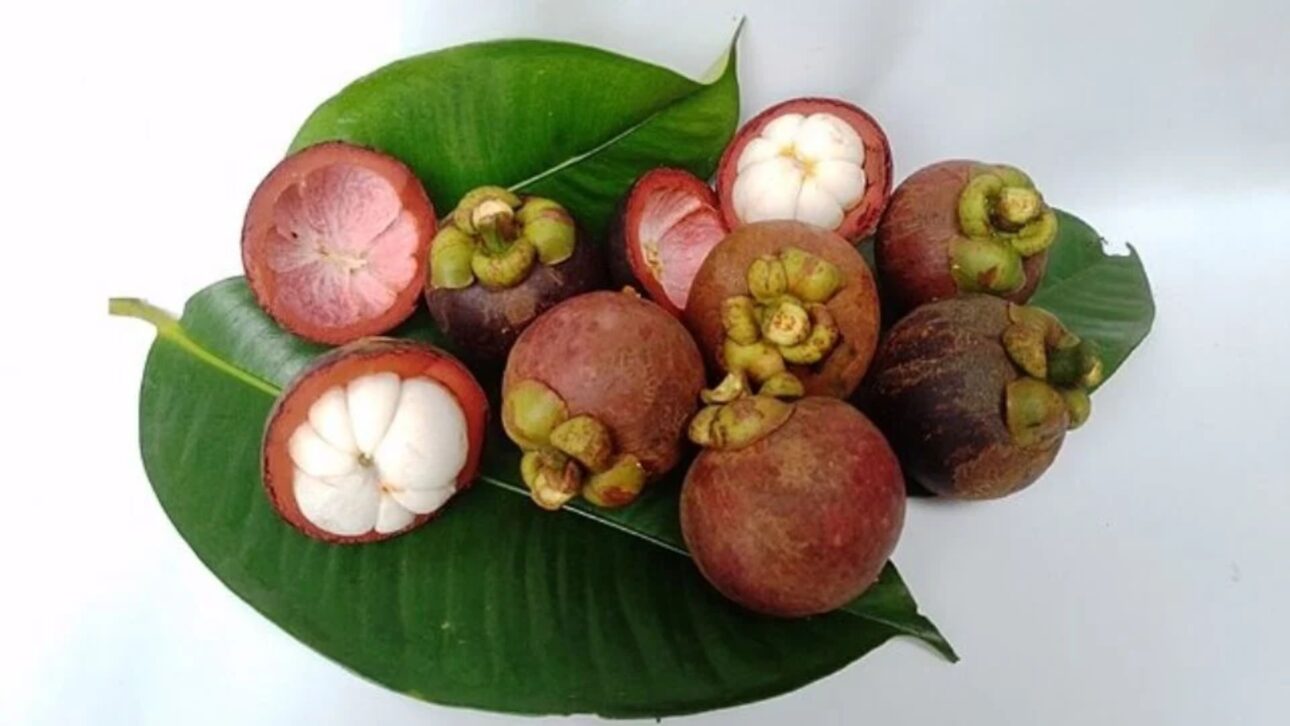
Mangosteen: Exotic Fruit of Highest Value in the Country
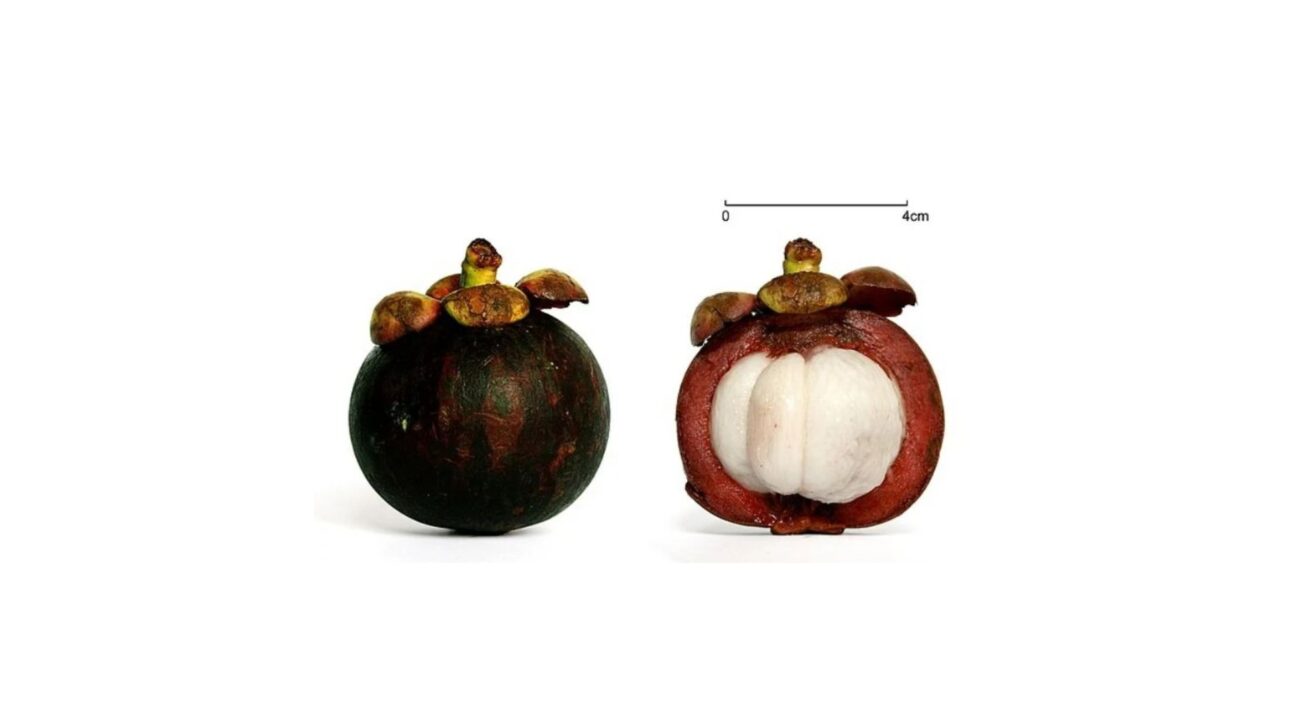
The mangosteen, also known as mangostin, is a small-sized fruit — between 5 and 7 centimeters in diameter — with a thick dark purple skin and an olive-green crown formed by robust petals.
A striking characteristic is at its base: dry lobes that form a sort of star, indicating how many segments the fruit carries inside.
The white, shiny, segmented pulp resembles garlic cloves but offers a creamy and delicate texture, close to that of lychee.

The flavor is often described as a subtle combination of sweetness and acidity, mixing notes of lychee, strawberry, pineapple, and peach, without excessive sugar or acidity.
The tropical aroma of the mangosteen contributes to its status as a distinguished and highly sought-after fruit for those seeking new and exclusive flavors.
For its organoleptic characteristics — which involve flavor, aroma, and texture — the mangosteen has already received the title of the most flavorful fruit in the world in international rankings.
Origin of Mangosteen And History Of Cultivation In Brazil
The first mangosteen seeds arrived in Brazil in 1935, initially in Bahia, marking the start of an experimental cultivation.
Later, in 1942, researcher Gregório Bondar, then director of the Northern Agronomic Institute — now linked to the Brazilian Agricultural Research Corporation (Embrapa) — brought about 400 seeds from an Indian ship docked at the port of Belém, Pará.
The plantation was established in 1944, and only eight years later, in 1952, the first trees began to produce fruit.
According to researcher José Edmar Urano de Carvalho, from Embrapa Eastern Amazon, the original orchard had 80 plants and, despite the time, 18 of them are still producing, even without intensive care in recent years.
Currently, the mangosteen is primarily cultivated in Bahia and Pará, with a planting area of approximately 200 hectares.
There are also smaller cultivations in southeast states, such as São Paulo — notably in the Vale do Ribeira — and Espírito Santo.
The productive cycle of mangosteen is long: the tree can take up to eight years to bear fruit for the first time, and each specimen can yield about 1,500 fruits over its lifespan.
The annual production volume in Brazil is around 2,500 tons, still considered low compared to the growing demand of the consumer market.
Mangosteen: Price Per Kilo, Comparison And Curiosities
The price of mangosteen varies according to the sales region.
In the producing regions, such as Bahia and Pará, the price per unit can be under R$ 15.
In large cities, especially at fine product fairs or places like the São Paulo Supply and General Warehouses Company (Ceagesp) and the Paulist Municipal Market, a box may be sold for up to R$ 200.
This quotation places the mangosteen above fruits like raspberry and blueberry, which also have high prices — between R$ 70 and R$ 99.50 per kilo — but do not reach the level of the Asian fruit.
In large urban centers, the kilo of mangosteen fluctuates between R$ 150 and R$ 200, making it the most expensive fruit found in the national territory in 2025.
This value reflects not only the rarity and the challenge of cultivation but also the international recognition of the fruit.
International Recognition: TasteAtlas Ranking And Market Position
The mangosteen received worldwide recognition by being elected by TasteAtlas, the international gastronomic encyclopedia, as the most flavorful fruit on the planet.
In the same list, the jabuticaba — a typical fruit of Brazil — secured second place, with special emphasis on the white variety, which is considered the rarest in the country.
The selection of mangosteen as the most flavorful fruit reinforces the growing interest of the Brazilian public in exotic foods with high sensory quality.
This international recognition drives the market for differentiated fruits in Brazil, generating opportunities for producers and sparking curiosity in consumers.
Why Is Mangosteen So Expensive In Brazil?
The high value of mangosteen results from several combined factors.
The slow production cycle, the need for specific agronomic care, and the low yield per tree make the fruit a luxury item.
Additionally, production being restricted to the states of Bahia and Pará limits supply, while the careful transportation of the fruit contributes to the increase in the final price.
Another relevant point is the search for foods considered superfruits, rich in bioactive compounds, vitamins, and antioxidant properties, which further enhances the mangosteen’s value among health-conscious consumers.
Despite the high price and low supply, mangosteen continues to attract interest not only for its exclusivity but also for its international recognition and unique flavor, noted as the best in the world by TasteAtlas.
Exclusivity, Curiosity, And Trends Of Mangosteen
Little known by most Brazilians, mangosteen positions itself as the most expensive fruit in Brazil in 2025, surpassing other high-value varieties and gaining ground in the palate of those seeking gastronomic novelties.
Its price, exotic flavor, and prominence in global rankings make this fruit a symbol of exclusivity in the country.
Have you ever tried mangosteen or know someone who has tasted this fruit considered the most flavorful and exclusive in the world? Share in the comments what you think of this novelty in the national market!







Não só já provei, mas também tenho uma árvore plantada em meu quintal, ainda não produziu frutos. Além de adubação e tratos culturais específicos, é uma planta que requer clima quente e úmido.