





 Portuguese
  English
  Spanish
  4 min of reading
  24 comments


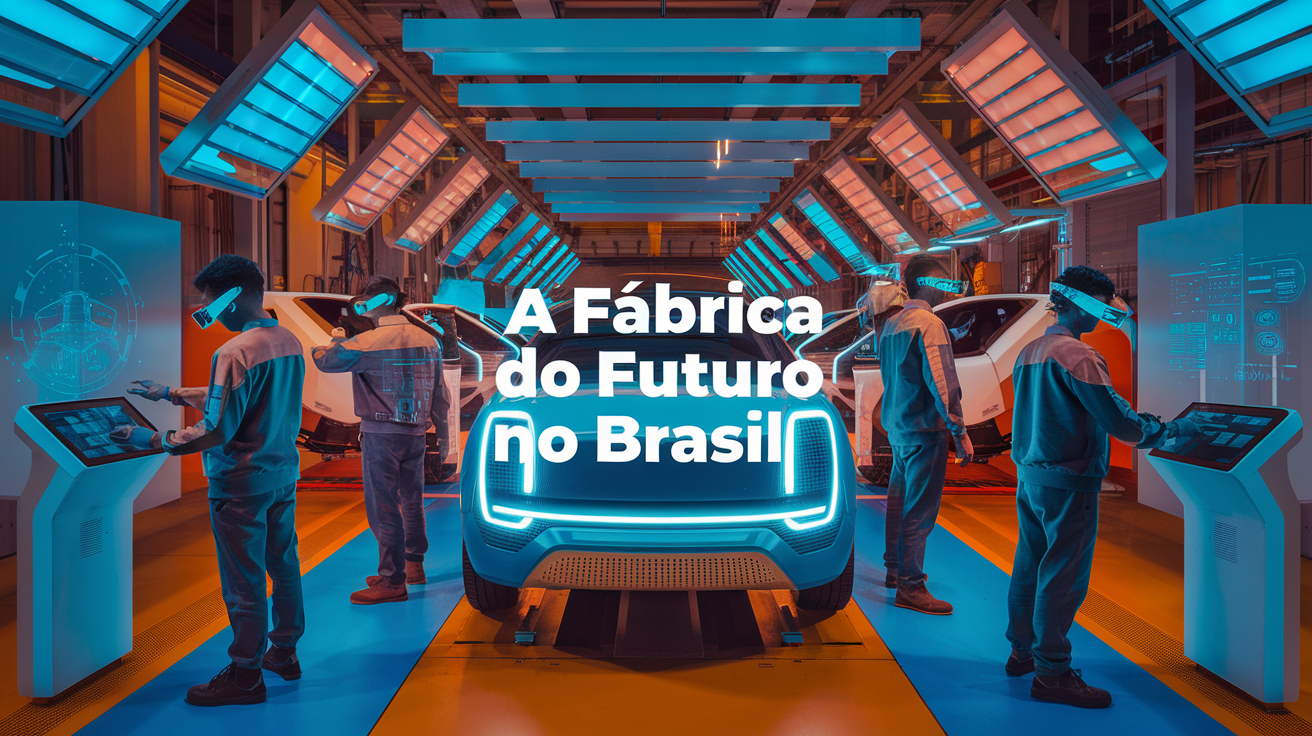


Surprising: The Manufacturer That Is Revolutionizing Car Production in Brazil! The Complex Is the Most Modern in the Country, Integrating Automation, Artificial Intelligence, and Sustainability. Discover How the “Industrial Metaverse” Is Changing the Future of Mobility!
Do you believe that the most advanced innovations in the Brazilian automotive industry come from traditional giants like Volkswagen, BYD, or Toyota? Well, it’s time to rethink that idea.
While many focus on these well-known brands, one manufacturer often goes unnoticed by most Brazilians — and that’s precisely why it surprises with cutting-edge achievements.
Renault, with its factory in São José dos Pinhais, Paraná, is leading a technological revolution that could change the way we perceive automotive production in the country.
-
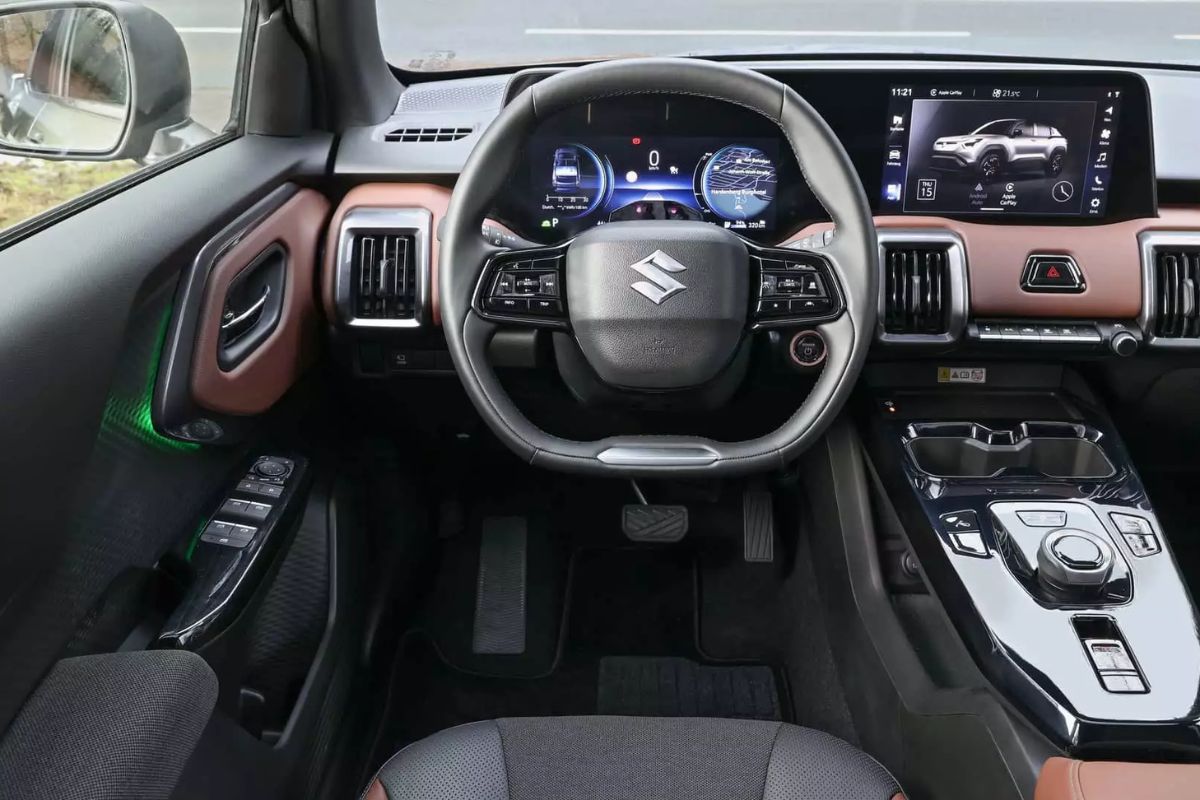
The 2026 electric Vitara arrives in Brazil and proves that Suzuki is not leaving: 4×4 traction, 184 hp, 61 kWh LFP battery, 293 km range, R$ 259,000, and a trunk capacity of 224 L.
-
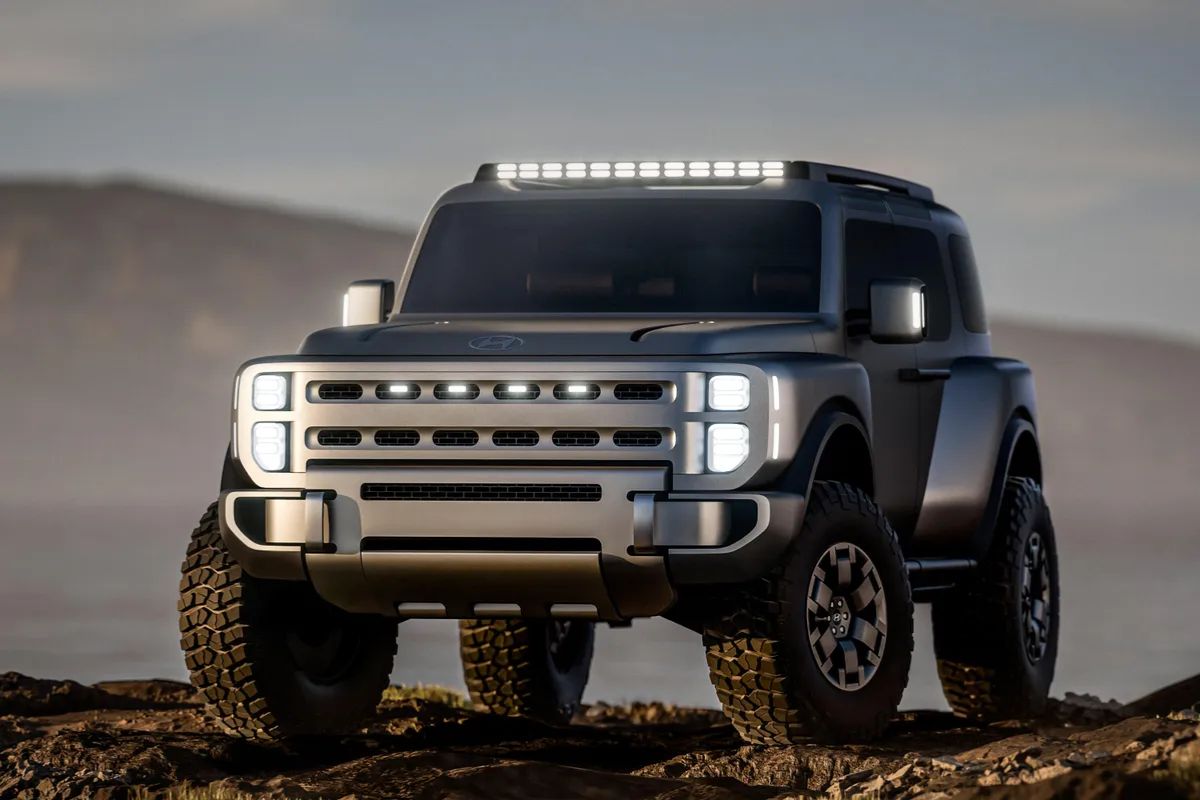
Hyundai has unveiled the Boulder, a square SUV with a body-on-frame design, 37-inch mud tires, and carriage-style doors that seems to be made to take on the Ford Bronco and the Scout Traveller in the United States.
-
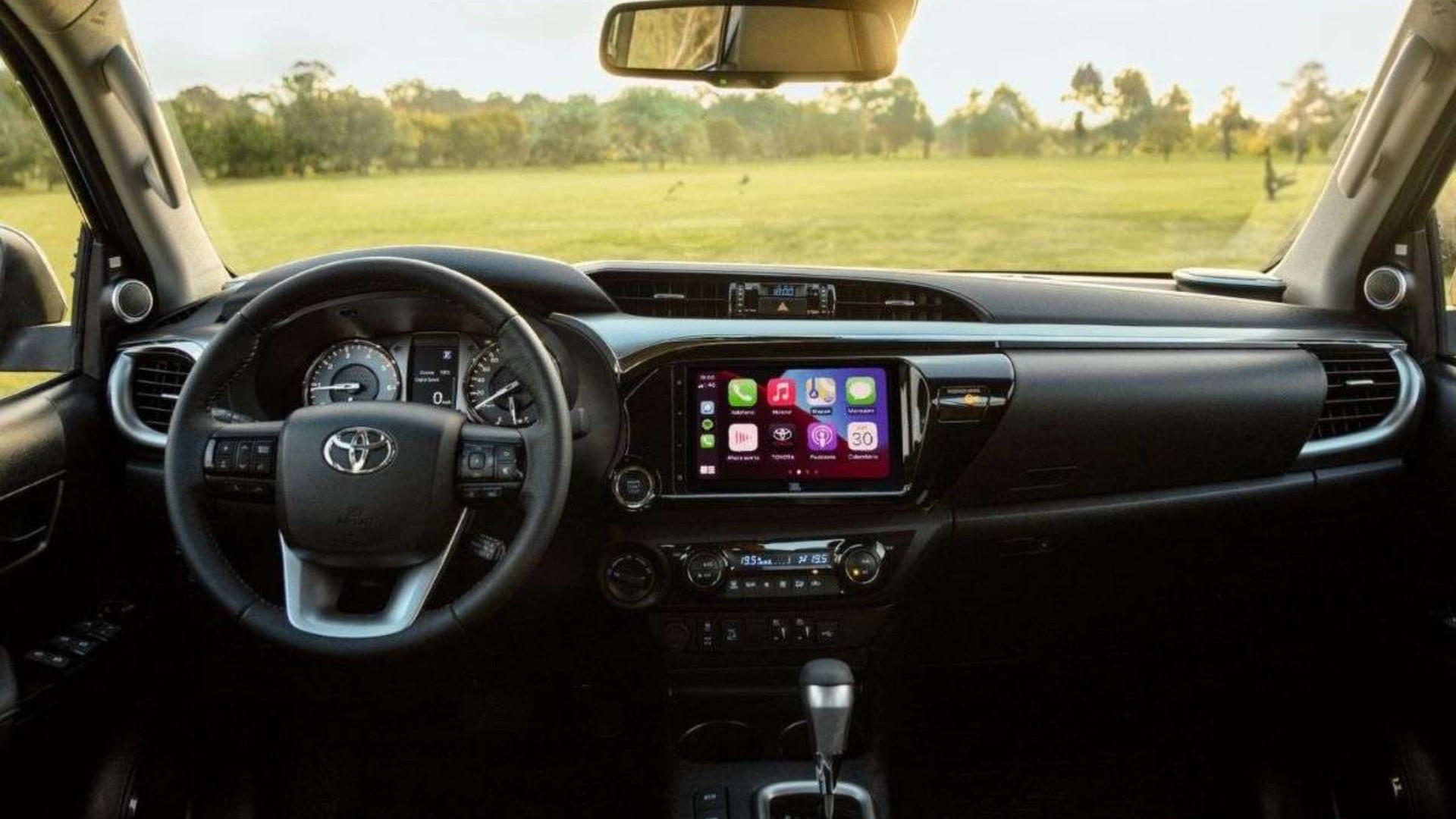
The Toyota Hilux is R$ 75.5 thousand cheaper and bets on the 2.8 turbodiesel engine with up to 204 hp and 50.9 kgfm to catch up with the VW Saveiro, which leads with 4,472 sales.
-
The new Renault Koleos has a screen exclusively for the passenger that is invisible to the driver, heated rear seats, and 29 assistance systems, but its Chinese competitors cost R$ 40,000 less and deliver more power.
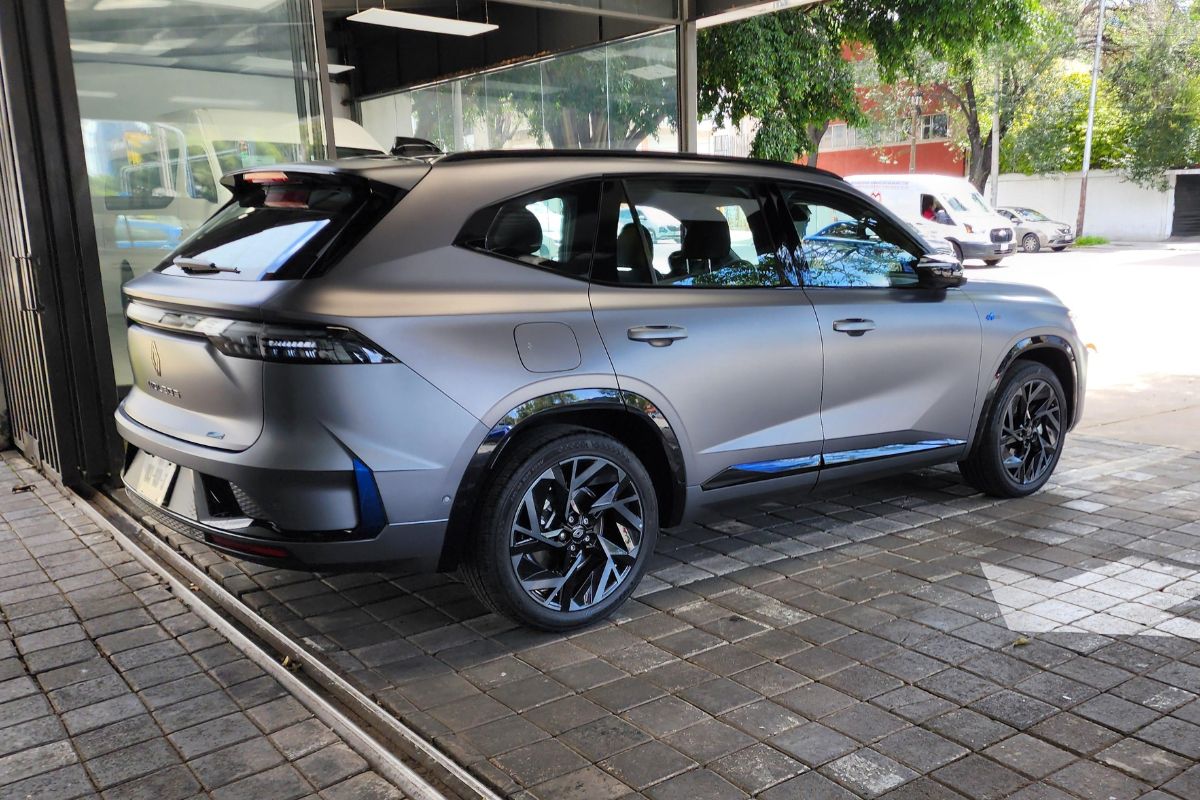

At the Ayrton Senna Complex, Renault not only manufactures cars but also redefines industrial processes with an impressive use of automation, artificial intelligence, and sustainable practices.
Recognized even by the World Economic Forum as one of the most advanced industrial plants in Latin America, the factory shows how innovation and technology can come together to create the future of mobility.
But what makes this place so special? Let’s explore how the so-called “industrial metaverse” and other innovations are transforming Renault into a global benchmark.
The Factory and the Concept of “Industrial Metaverse”
The Ayrton Senna Complex is the heart of Renault’s technological transformation in Brazil.
According to information from the Fórmula Turbo channel, the concept of “industrial metaverse” implemented in the factory goes beyond traditional automation.
It digitally integrates robots, machines, employees, and systems, creating an environment where everything works in a connected and optimized manner.
In day-to-day operations, this digital connection brings practical advantages. One example is the replacement of manual checklists with digital systems accessed via mobile devices.
Before the start of each shift, employees perform quick and precise inspections, without wasting time on outdated processes.
This means not only saving time but also reducing errors that could affect production.
Additionally, digital integration allows operations to be monitored in real time.
Every detail is analyzed to ensure that production steps follow the plan, increasing efficiency and reducing waste.
Automation and Artificial Intelligence in Action
Automation at Renault’s factory is among the most advanced in Brazil.
As highlighted by Fórmula Turbo, AGVs (Automated Guided Vehicles) play crucial roles in transporting parts and components within the plant.
These autonomous vehicles follow predefined routes but can adjust their paths as necessary, avoiding obstacles and optimizing workflow.
Another remarkable technology is the use of artificial intelligence (AI) on the assembly line.
With systems equipped with cameras and sensors, robots can capture high-definition images of parts such as engines and transmissions.
These images are compared to reference models in real-time, allowing for immediate identification of irregularities.
This millimeter precision eliminates the need for lengthy interruptions and ensures superior quality in the vehicles produced.
The Impact of the Digital Twin
One of the most intriguing innovations at the Ayrton Senna Complex is the use of the digital twin, a virtual exact replica of the physical factory.
According to the Fórmula Turbo channel, this technology enables detailed monitoring of each production process, even from a distance.
The digital twin not only aids in supervision but also allows engineers to run simulations and make adjustments before implementing them in the real factory.
This reduces costs and time, as well as ensures that any changes are safely tested before impacting operations.


Sustainability as a Priority
Renault not only invests in technology but also in sustainability. The Ayrton Senna Complex adopts practices that place environmental preservation as a priority.
One of the most notable initiatives is the use of solar energy to power part of the operations.
As a result, the factory reduces its reliance on non-renewable sources and lowers emissions of polluting gases.
Additionally, the manufacturer invests in water reuse systems and material recycling.
These actions not only reinforce its commitment to the environment but also generate positive impacts on the local community.
Preparing for the Future of Mobility
Renault has its eye on the future. At the Ayrton Senna Complex, advanced technologies are being developed to meet global market demands.
The company is already working with modular platforms that support electrification and automation, preparing for the era of electric and autonomous cars.
These platforms enable the creation of safer, connected, and more efficient vehicles.
Models produced at the factory, such as the Kwid, Sandero, and Duster, demonstrate Renault’s ability to adapt to the needs of Brazilian consumers while betting on global innovations.
The Relevance of the Ayrton Senna Complex for Brazil
With over two decades of history, the Ayrton Senna Complex plays an essential role in the Brazilian economy.
In addition to being responsible for a large part of Renault’s vehicle production for both the national and international markets, the factory generates thousands of direct and indirect jobs.
It also contributes to the training of highly qualified professionals, establishing itself as a regional development hub.
Do you think innovations like the “industrial metaverse” and electrification really represent a sustainable future, or are they just marketing strategies to increase companies’ profits? Share your opinion in the comments!









Pena que o padrão dos modelos de veículos que ela produza no Brasil sejam tão simplórios.
Já trabalhei em concessionária Renault por um bom tempo e havia um tema muito jocoso para lidar com os executivos da Renault. “O francês nunca erra! É por isso que não consertam as **** que fazem!!!”
A soberba sempre foi algo que atrapalhou a evolução da Renault.
A tecnologia, juntamente com a energia sustentável e a inteligência artificial levarão a nova revolução industrial no mundo
O único objetivo é, como sempre, a maximização do lucro.