





 Portuguese
  English
  Spanish
 4 min of reading
  0 comments



Paraná Invests in Concrete Pavement to Modernize 500 Km of Highways, Reduce Maintenance Costs, and Increase Road Durability. The Project Is the Largest of Its Kind in Brazil and Promises to Transform the State’s Road Infrastructure.
Paraná is leading an unprecedented project in the country: over R$ 3.1 billion is being invested in 500 kilometers of state highways in concrete.
This Monday (01), Civil Engineer Wilson Leite Junio recalled on his YouTube channel that the program, launched to transform the road infrastructure, focuses on a more durable pavement, capable of supporting heavy loads and reducing maintenance costs over the coming decades.
Concrete Gains Ground in Brazilian Highways
Unlike conventional asphalt, concrete has a service life up to three times longer.
-
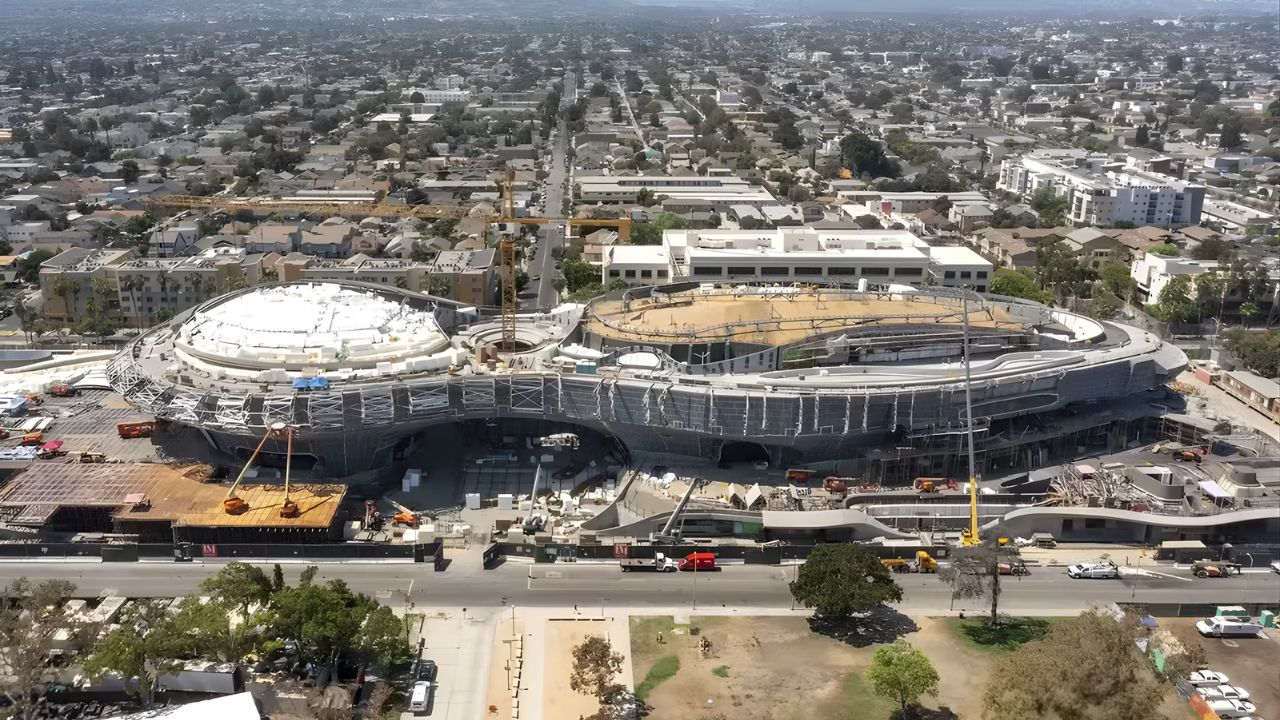
Created by George Lucas with over $1 billion, a futuristic museum in the shape of a spaceship with 1,500 curved panels is about to open in Los Angeles and will house one of the largest private collections of narrative art in the world.
-
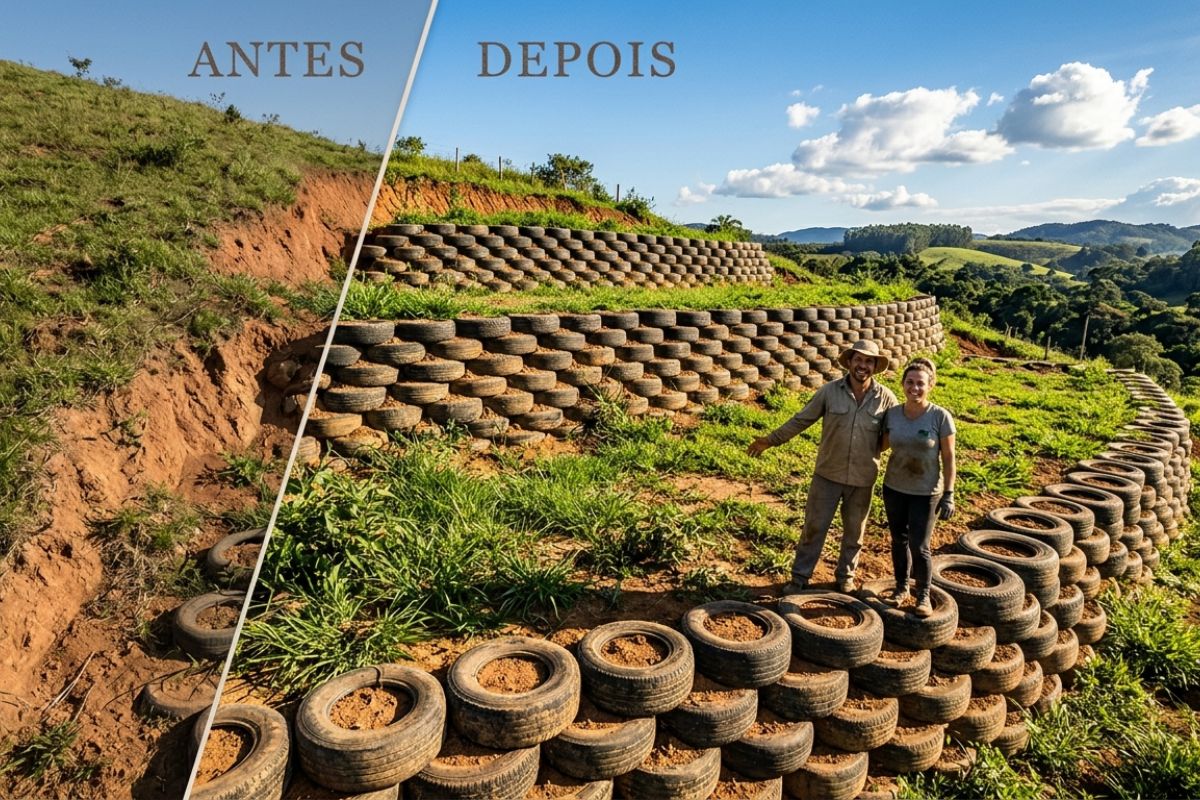
Couple shows how they built a retaining wall on their property using 400 old tires: sloped land turned into plateaus, tires are aligned, filled, and compacted with layers of soil, with grass helping in support and at almost zero cost.
-
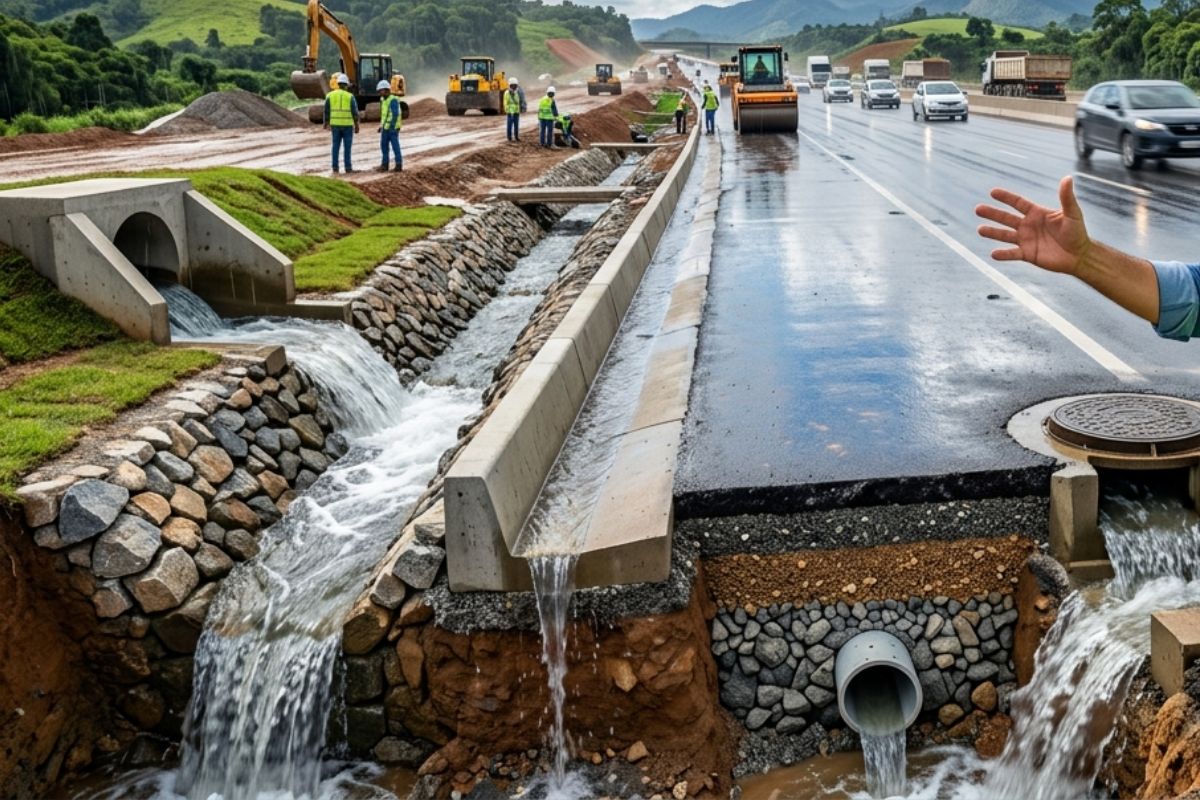
Engineer explains drainage during the rainy season: the difference between surface water and deep water, ditches, gutters, and water outlets on the road, as well as drains and drainage mattresses, to prevent erosion, aquaplaning, and flooding at the construction site today.
-
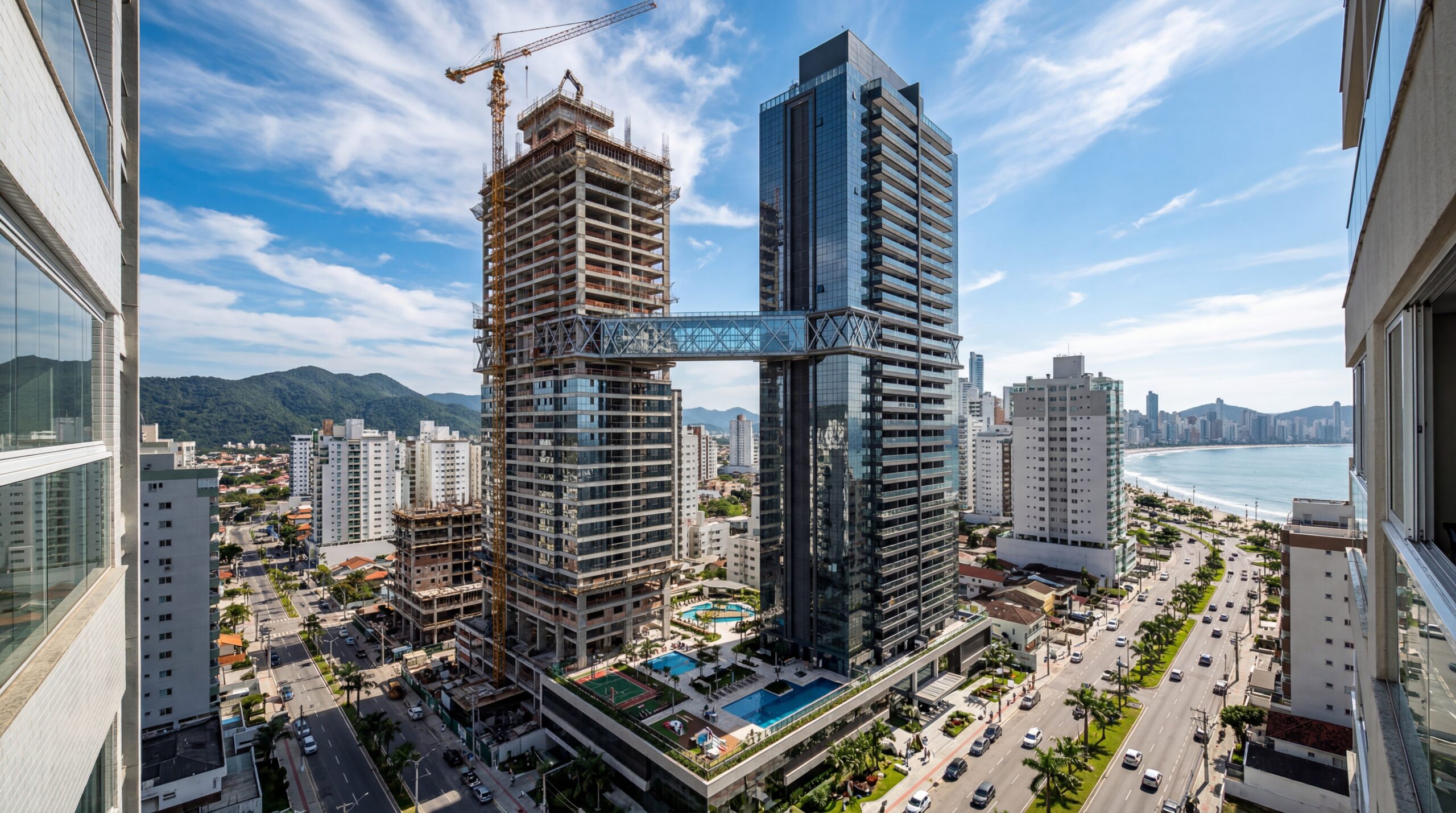
With 55 floors, 177 meters in height, a 15-meter walkway between the twin towers, ventilated facade, and 6,300 m² of leisure space, Ápice Towers already has one tower completed and another nearly at the top.

While asphalt resurfacing typically lasts five to eight years, rigid pavement can last from 20 to 30 years, according to experts.
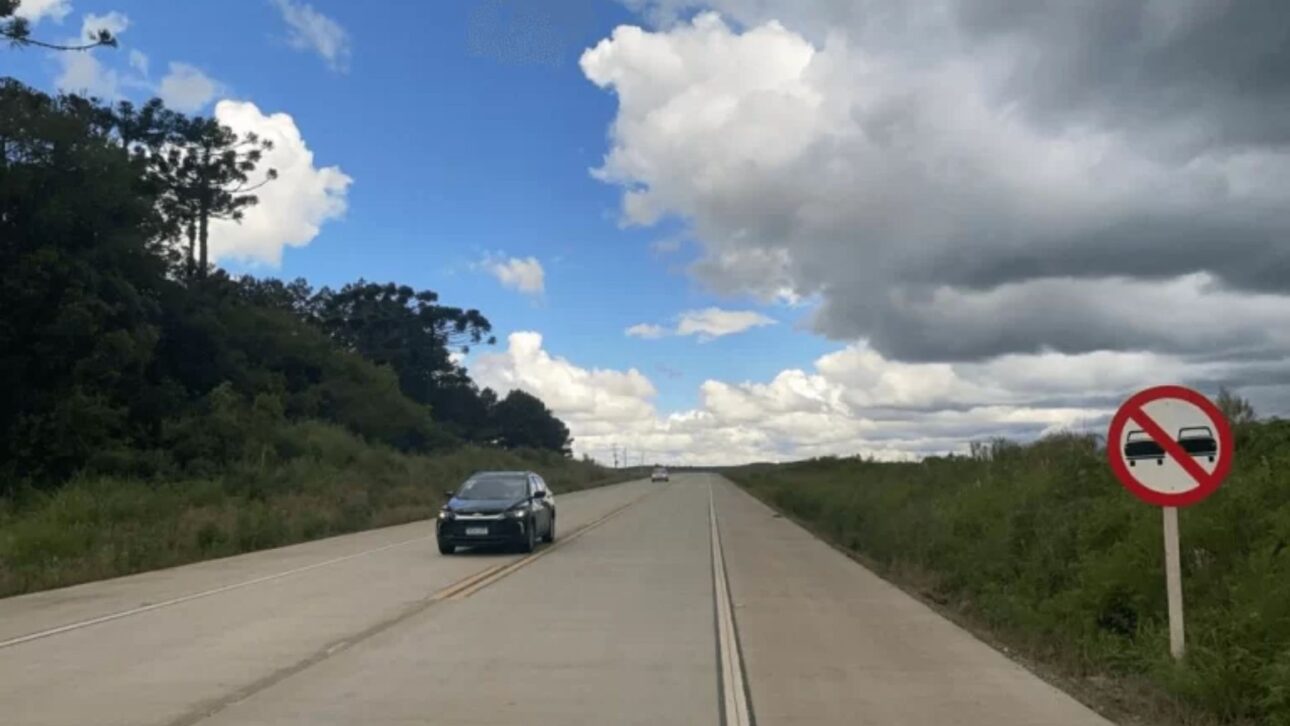
The choice primarily serves highways with higher truck traffic, where wear is usually accelerated.
This type of solution was not widely adopted before due to the high cost of cement, which made it less competitive compared to asphalt.
However, with the rise in oil derivative prices, the situation has reversed.
Today, concrete presents itself as a more economical alternative in the road’s life cycle.
Techniques Applied in the Works
The plan combines two execution methods.
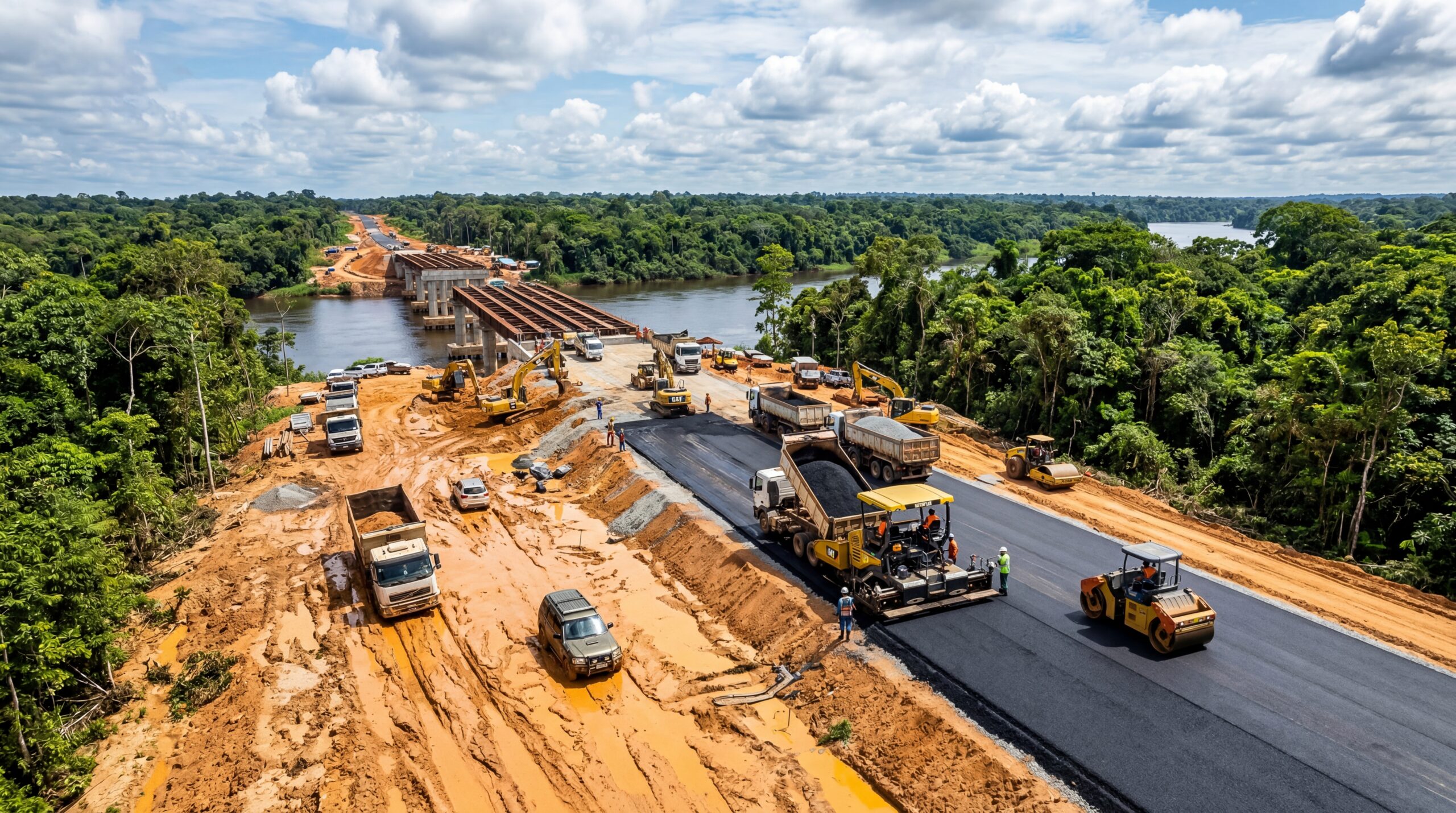
The first is the complete pavement construction, which begins with soil preparation, continues with reinforced base and sub-base, and receives the concrete slabs.
The second is whitetopping, a method that uses the existing asphalt as a structural base and applies a layer of concrete over it, a technique considered faster in some sections.
To ensure durability, engineers install transfer bars between slabs, allowing weight to be distributed evenly.
In the longitudinal axis, tie bars prevent parallel movements between lanes.
The surface receives a rough finish, called broom finish, which improves grip on rainy days and enhances safety.
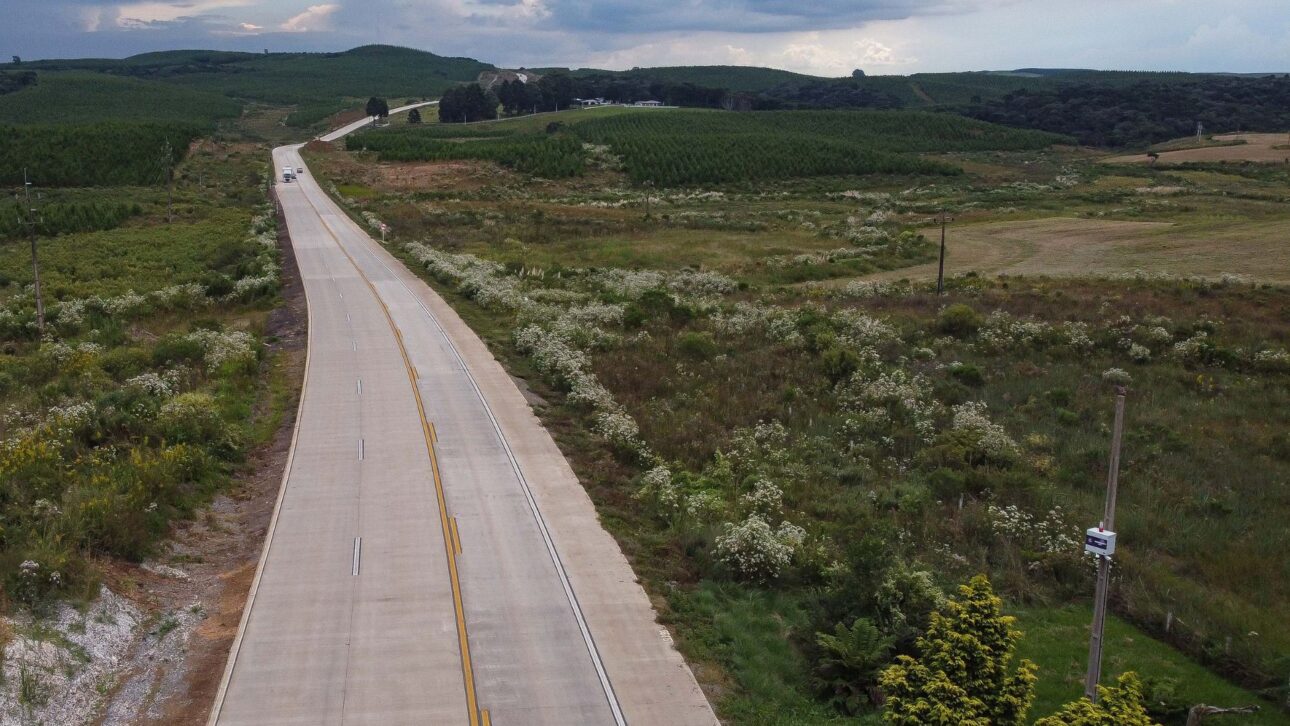
Major Ongoing Projects
Various regions of the state are already receiving investments.
In the Southwest, the PRC-280 adds 140 kilometers of whitetopping, connecting grain-producing municipalities to the concession axis.
In the Campos Gerais, the PR-151 is undergoing concrete recovery in a stretch of 32.7 kilometers between Ponta Grossa and Palmeira, with the implementation of third lanes and artwork.
In the Central region, PRC-466 is being doubled in concrete in two phases. The Pitanga–Turvo lot, covering 45.5 kilometers, involves R$ 514 million.
The Palmeirinha–Turvo stretch covers 27 kilometers and receives R$ 293.7 million. The interventions include viaducts and bridges to increase capacity.
The Coast is seeing the duplication of the PR-412, from Matinhos to Pontal do Paraná, covering 14.2 kilometers with R$ 274 million invested.
The work plans for marginal lanes and LED lighting, adapting the road to increased traffic during the summer season.
In the Curitiba Metropolitan Region, the Rodovia dos Minérios (PR-092) is advancing with concrete lanes, marginal lanes, a viaduct, a bike path, and new signaling.
Another highlight is the connection Mandirituba–São José dos Pinhais, which adds 26.6 kilometers of rigid pavement, facilitating productive flow to the airport.
More Safety and Lower Maintenance Costs
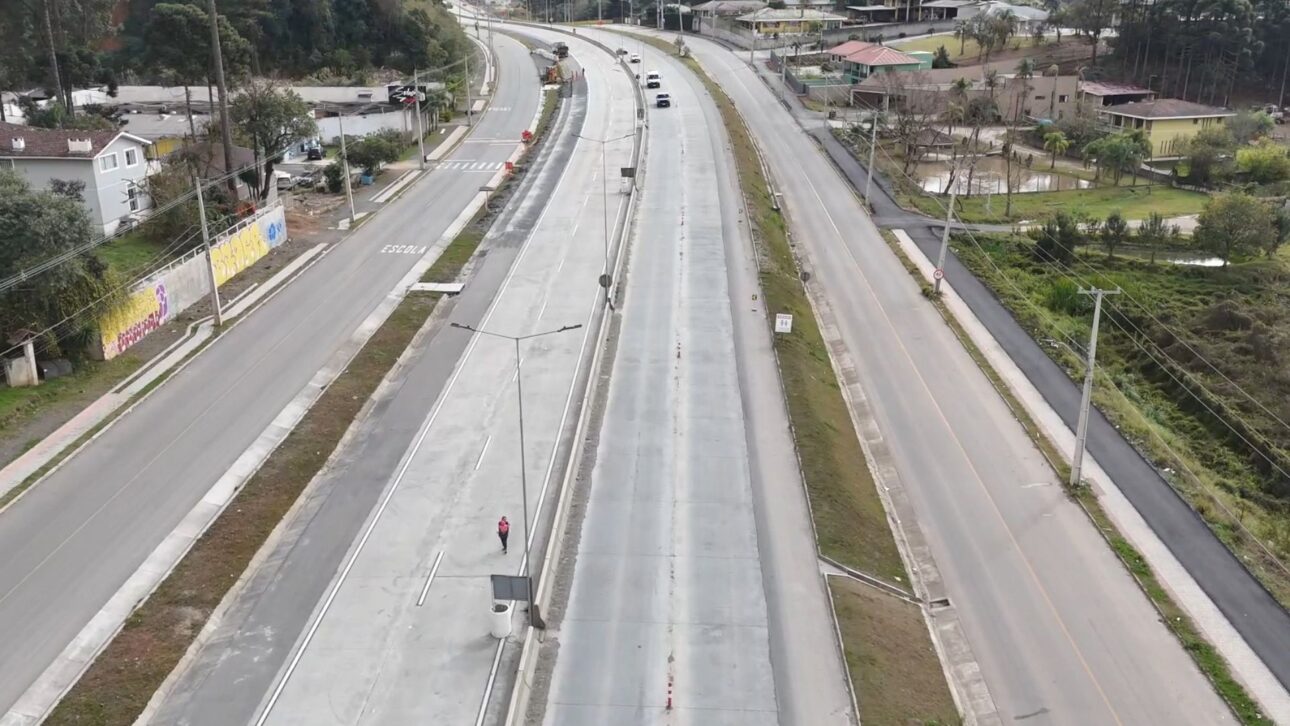
Besides structural robustness, concrete brings direct benefits to drivers.
The textured finish improves braking on wet pavement, while the light color increases the road’s reflectivity at night.
From an economic perspective, the main advantage lies in the reduction of recurring maintenance.
As the pavement lasts longer without the need for resurfacing, costs over the years decrease significantly. This also means fewer traffic interruptions for emergency works.
Technical Details That Make the Difference
In whitetopping, the application depends on the thermal condition of the asphalt surface.
If the pavement is too hot, cooling or prior treatment is necessary before concreting to avoid cracks due to rapid water loss during curing.
In new construction works, preparing the subgrade and aligning the bars are crucial to prevent structural failures.
Another point of attention is the curing of the concrete. Maintaining adequate moisture prevents cracks and ensures strength.
If each stage is performed correctly, the pavement gains longevity and supports heavy traffic without loss of quality.


Environmental and Logistical Impacts
By replacing asphalt layers with concrete, the state reduces dependence on petroleum derivatives.
The fewer repairs also decrease emissions associated with frequent construction and improve logistical efficiency, as trucks face fewer stops on sections under maintenance.
The program also generates indirect effects: jobs in the construction sector, greater competitiveness for agricultural and industrial production, and shorter travel times.
A Model for Other States
With 18 stretches in execution or already completed, Paraná consolidates a unique strategy in the country.
By adopting concrete on a large scale, the state is testing a model that can be replicated in high-traffic logistics corridors in other Brazilian regions.
Now, the question remains: can concrete paving become a new trend on Brazil’s main highways?






-

Uma pessoa reagiu a isso.