





 Portuguese
  English
  Spanish
  4 min of reading
  0 comments


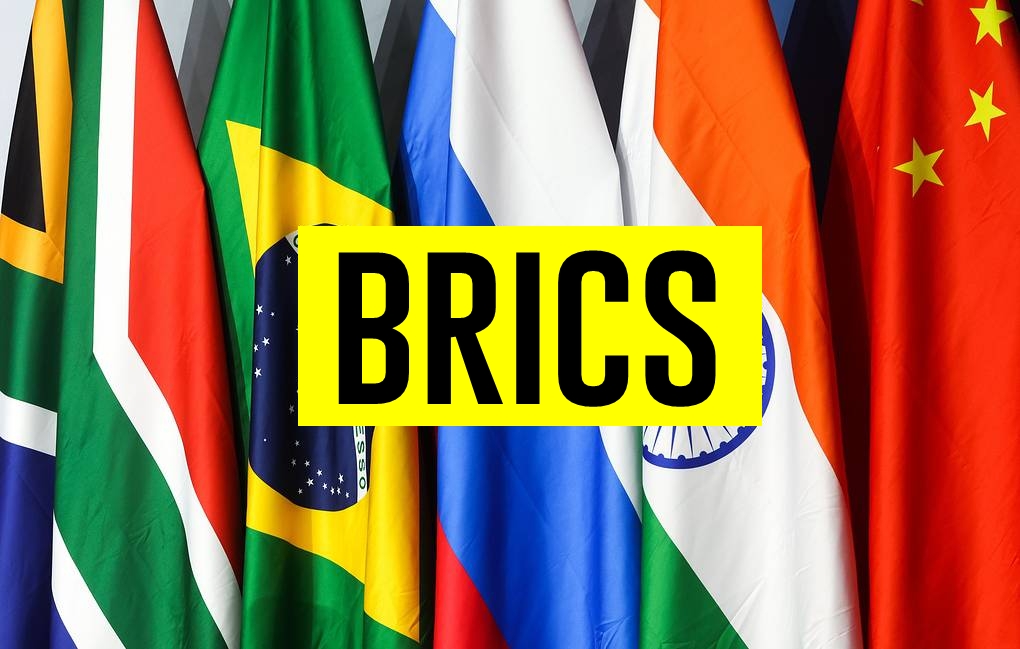
BRICS? Not At All! Major Newspaper Points Out That the Main Threat to the US Dollar Is Not the Bloc
The hegemony of the dollar as a global reserve currency has been questioned over the past few decades. While the BRICS bloc (made up of Brazil, Russia, India, China, and South Africa, now expanded with new members) is often cited as one of the major rivals to the dollar, a recent Bloomberg report suggests that the greatest danger to the currency does not lie in external alliances, but within the United States itself.
The BRICS Strategy and ‘Dedollarization’
The agenda of the BRICS aims to create alternatives to dollar dependency in international trade. Recently, members of the group expressed interest in conducting transactions using their own national currencies, reducing the dollar’s influence in their economies.
An example is China, which seeks to consolidate the yuan as an international currency. The country promotes bilateral agreements and encourages the adoption of the yuan in global trade.
-
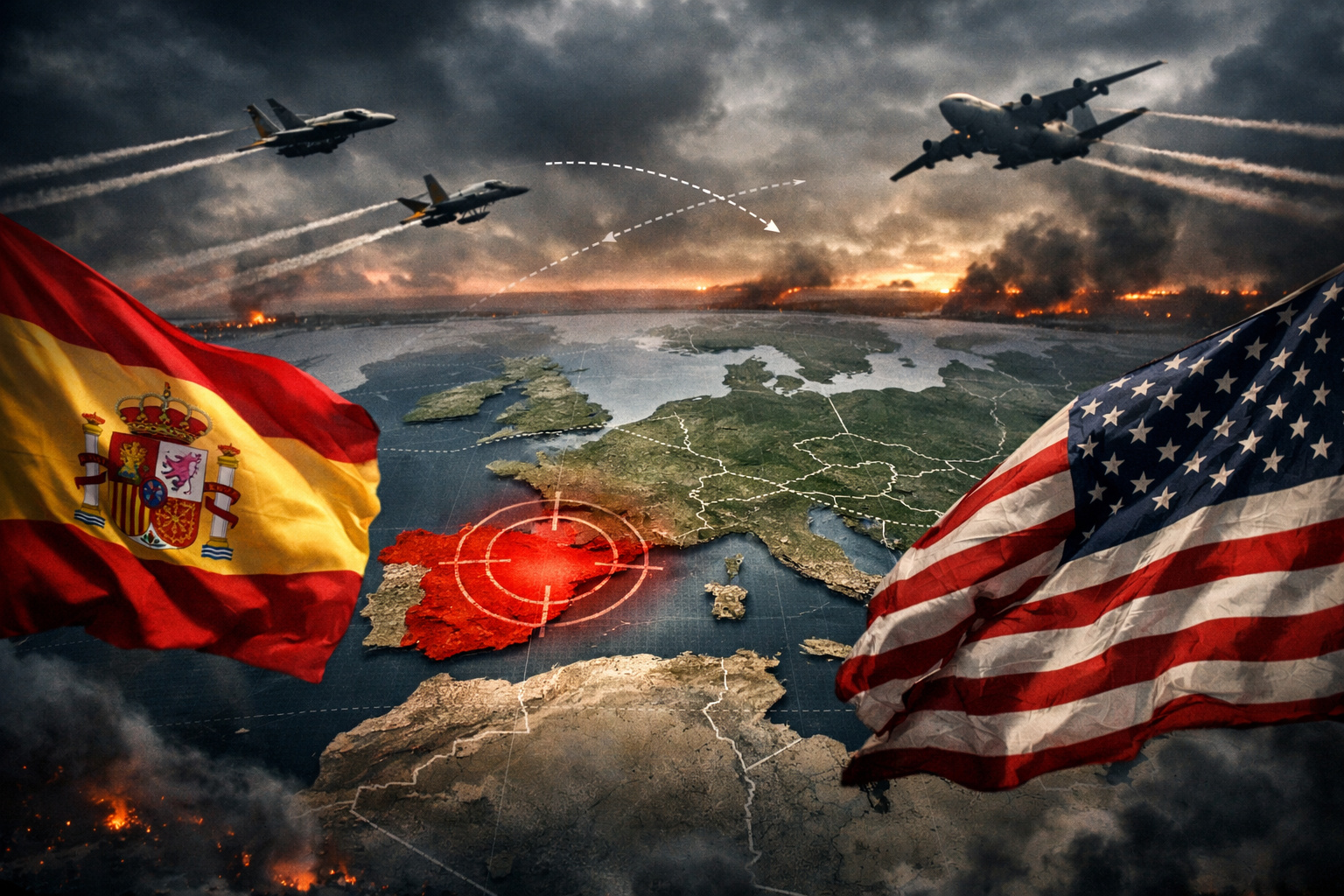
Spain challenges the USA and closes its airspace for operations against Iran, raising global tension and provoking the threat of a trade rupture.
-
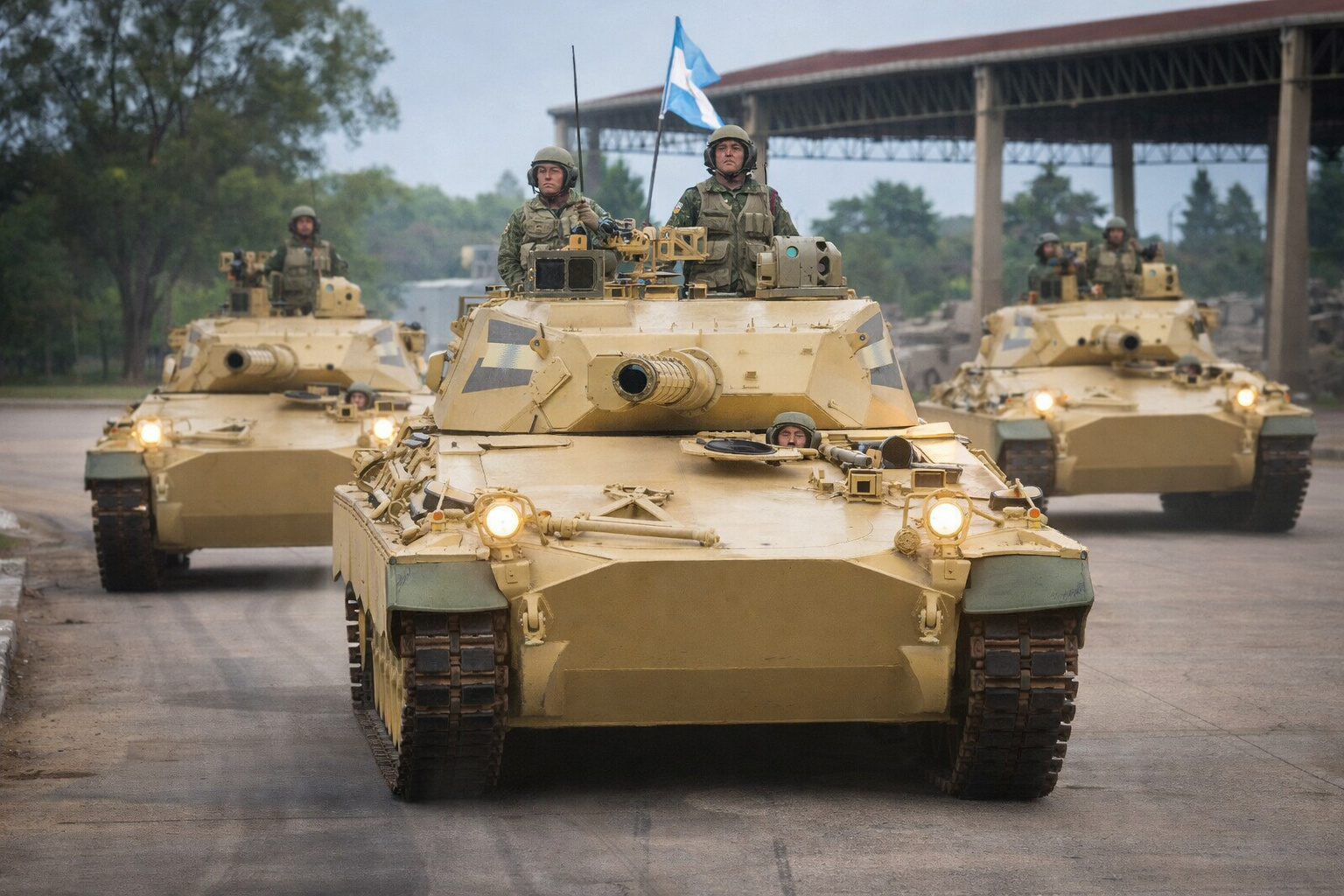
While no other country manufactures tanks in Latin America, Argentina activates the TAM 2C-A2 and raises a curiosity about the technological lag in the region.
-
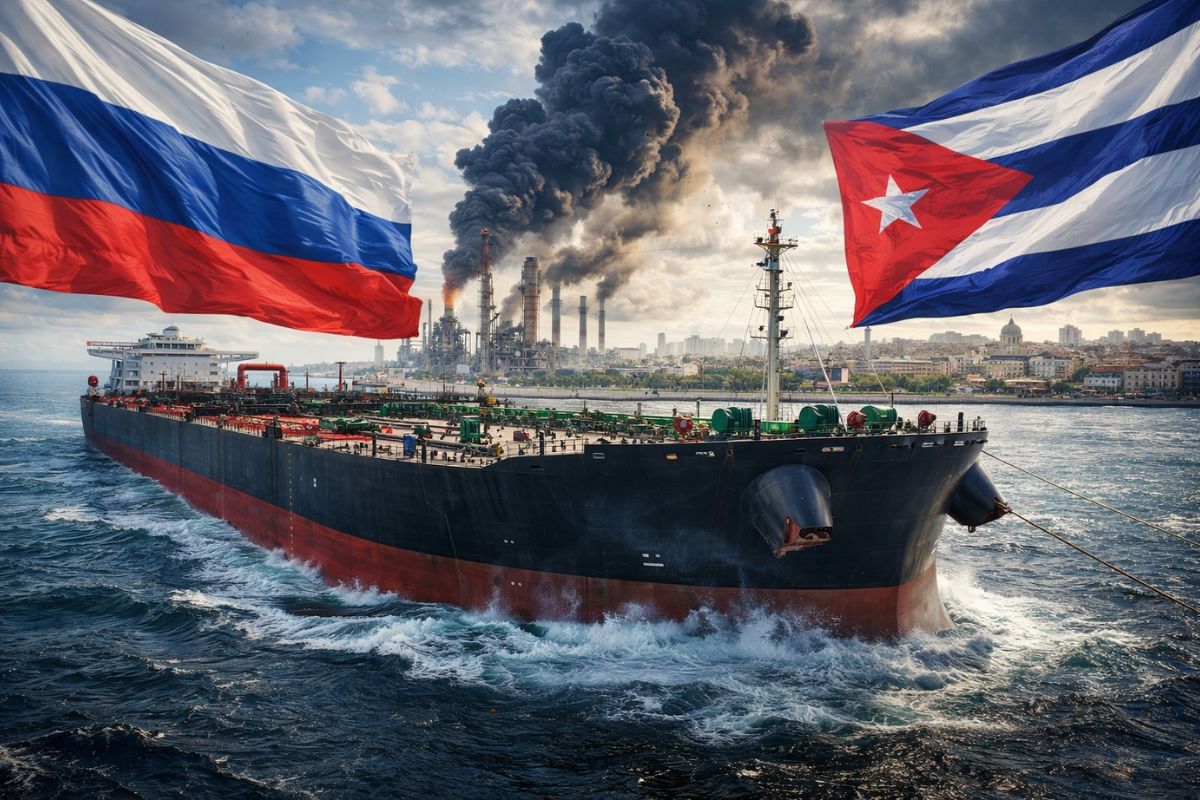
A Russian ship with 730,000 barrels of oil has just arrived in Cuba while Mexico negotiates fuel sales through private companies: the communist island is desperately seeking alternatives after losing its supply from Venezuela due to American military action.
-
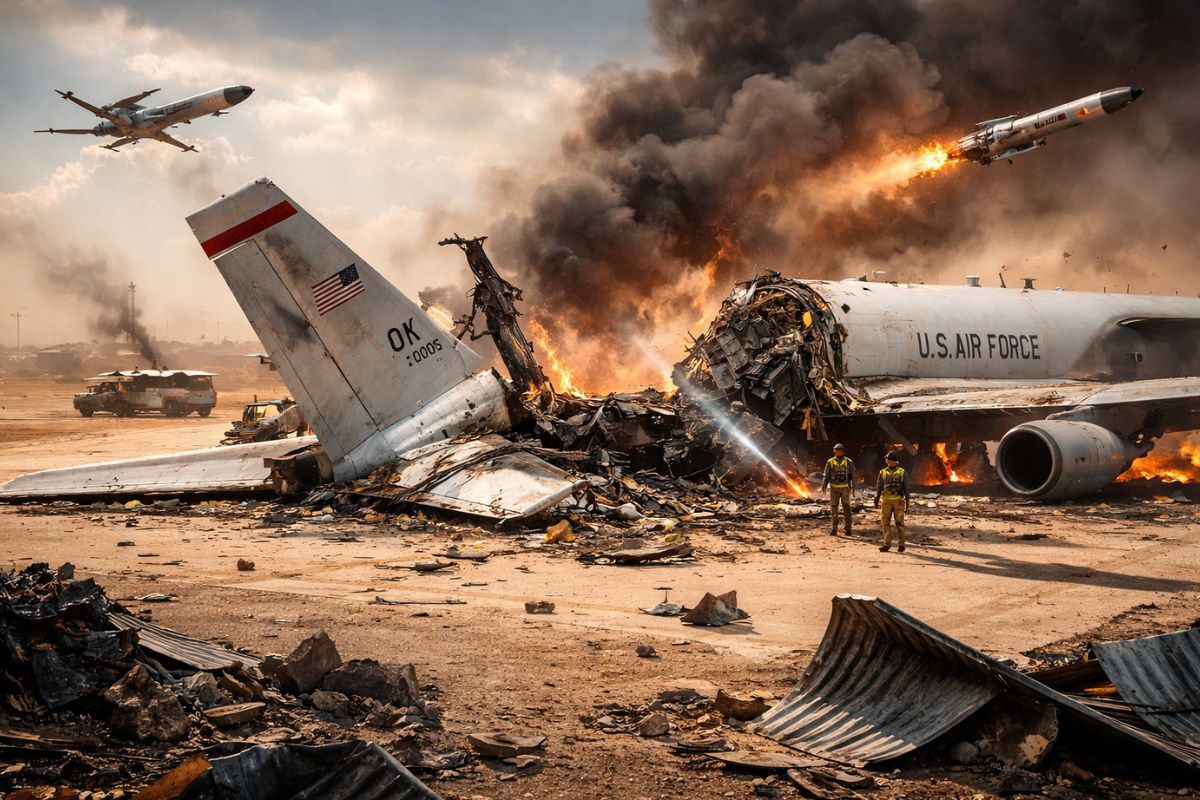
Iranian drones and missiles destroyed a 270 million dollar American spy plane in Saudi Arabia, splitting the E-3 Sentry aircraft in half and injuring 12 military personnel in an attack that exposes the vulnerability of U.S. bases in the Persian Gulf.

However, despite these movements, the influence of the dollar remains dominant. Currently, about 58% of global foreign exchange reserves are denominated in dollars, making any attempt at dedollarization a monumental challenge.
Moreover, the complexity of international trade poses a significant obstacle to replacing the dollar.
For instance, India may want to import more oil from Russia, but if there isn’t a corresponding export of Indian goods to the Russian market, the exchange in rupees or rubles becomes unfeasible. This creates a cycle of accumulating national currencies without practical utility.
Sanctions and the Role of the US in the Dedollarization Process
The sanctions imposed by the US on various countries also drive the search for alternatives to the dollar. Nations like Russia, Iran, and Belarus, often targets of unilateral sanctions, seek ways to conduct transactions outside the financial system dominated by Americans.
The need for these countries to create independent mechanisms intensifies as financial blockades hinder trade relations.
In this scenario, even countries allied with the United States are beginning to consider diversification. Institutions such as the Bank for International Settlements (BIS), controlled by Western central banks, have explored projects for transferring funds without using the dollar, although many have been halted due to political pressures.
The Real Danger: The United States Itself?
According to Bloomberg, it is not the BRICS that poses the greatest threat to the dollar but American policies themselves. The report highlights that the dollar’s power is tied to the reliability of the United States, not to threats or brute force.
The American economy holds an exorbitant privilege by controlling global foreign exchange reserves, but this privilege depends on trust in the country’s political and financial stability. However, excesses in external and internal policies threaten to erode that trust.
Among the factors mentioned are:
- Sanctions: Unilateral measures against various countries that fuel the search for alternatives to the dollarized system.
- Trade Tariffs: Protectionist decisions, such as increasing tariffs, which can destabilize global trade.
- Geopolitical Conflicts: Confrontational attitudes that undermine the US’s image as a reliable partner.
The document points out that thoughtless policies, such as the threats made by Donald Trump to hinder the progress of the BRICS, are counterproductive.
Instead of strengthening the dollar, these attitudes only encourage other nations to forge paths to escape US influence.
Practical Example: The Impact of Sanctions on India
A clear example of the impact of American sanctions is the case of India. The country was forced to stop importing oil from Venezuela and later from Iran due to restrictions imposed by the US.
As a result, India had to seek alternatives to meet its energy needs, facing difficulties in managing commercial relations with other partners like Russia. This scenario reinforces the call for a system less dependent on the dollar.
Global Dependence on the Dollar Still Prevails
Although dedollarization initiatives are underway, the dominance of the dollar remains intact. The power of the American currency lies not just in its universal acceptance but also in the trust placed in the economic and political stability of the US.
However, this trust has limits. Excessive sanctions, unilateral tariffs, and internal political instability are warning signs.
If the US does not balance its policies and reinforce its credibility, the impact on the dollar could be irreversible. This internal fragility is, according to experts, the biggest risk to the currency’s primacy.
Therefore, the greatest threat to the US dollar does not come from alliances like the BRICS but from the decisions made by the United States itself.








-

-

2 pessoas reagiram a isso.