





 Portuguese
  English
  Spanish
  4 min of reading
  5 comments





Nationwide Innovations Ranges From Medical Equipment To Popular Utilities Showcases Brazil’s Creativity And Contribution In Diverse Areas
When it comes to inventions created by Brazilians, the name of Santos Dumont is almost always the first to be remembered. But besides the aviation pioneer, Brazil has a long list of inventions that helped shape the modern world in various areas. From simple solutions to advanced technologies, many of these creations remain present in the daily lives of millions of people.
In this article, we highlight eight inventions developed in Brazil or by Brazilians that have had a direct impact on the daily lives of society, both inside and outside the country.
Call Identifier
The call identifier, known as Bina, was created by the Minas Gerais electrician Nélio José Nicolai. He registered the patent for the invention in 1992, at a time when telephony was still not widely accessible in Brazil.
-
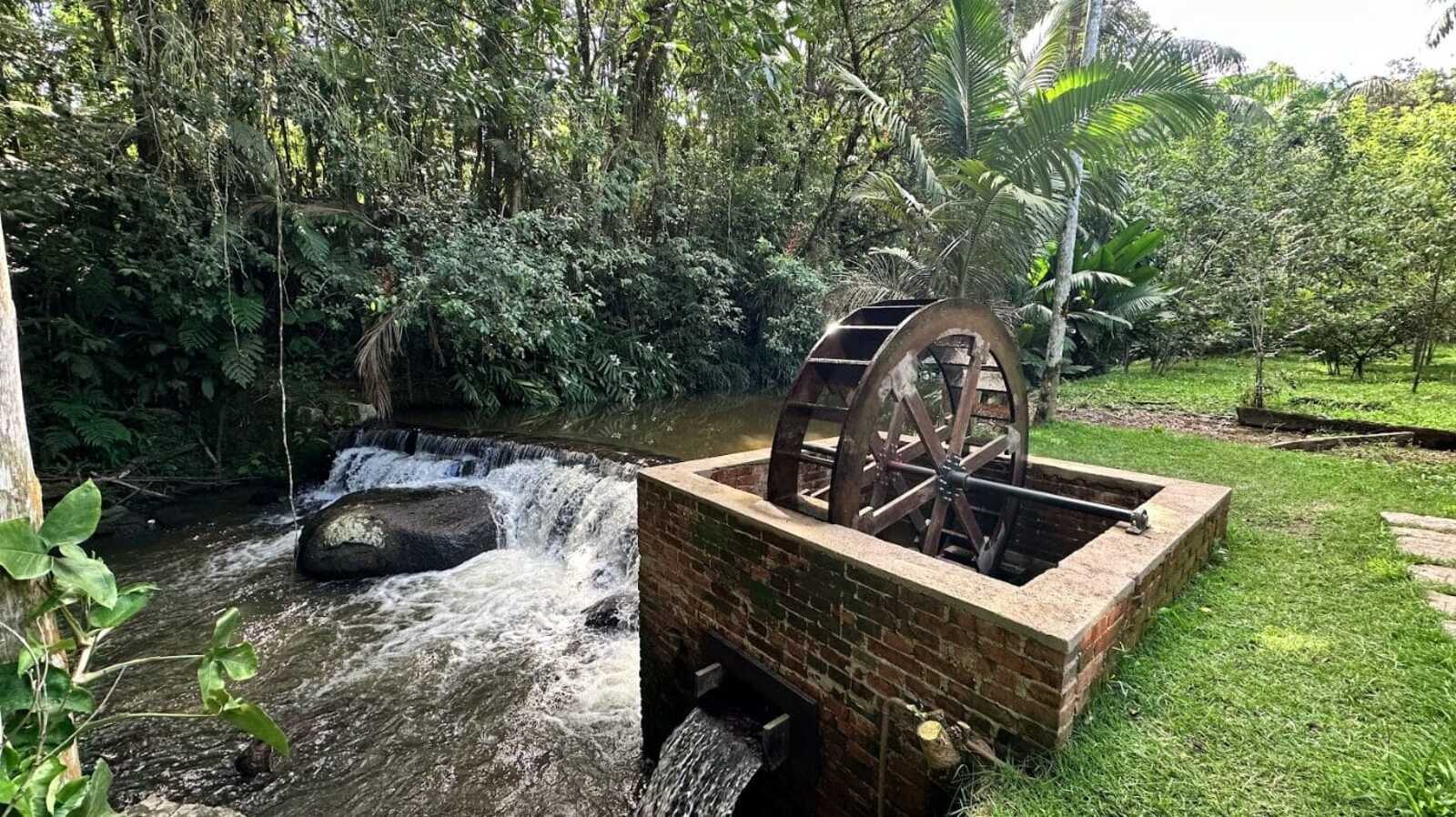
While restoring a historic mansion from 1910, a brick structure with an old turbine that generated energy from the Rio do Testo emerged, along with a hidden door and a rare floor concealed under layers of wax.
-
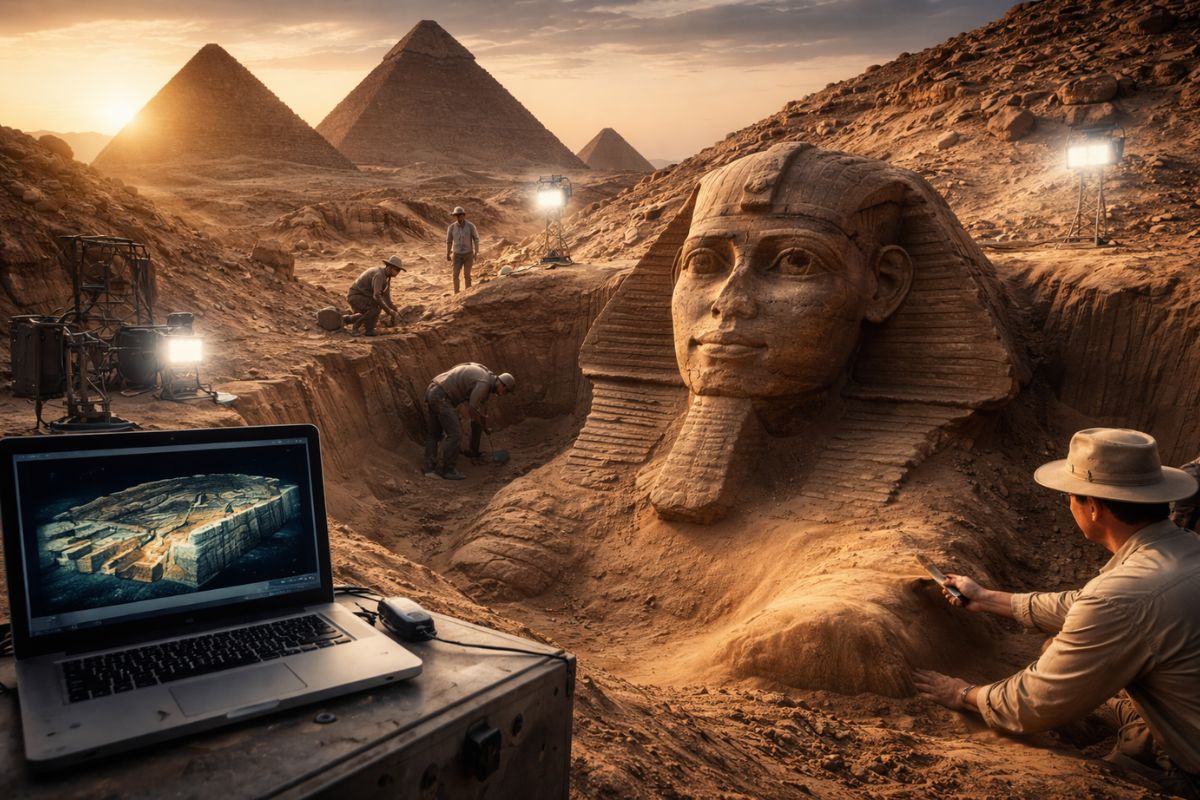
Italian researchers have detected what appears to be a second Sphinx buried under the sands of Egypt, and satellite scans reveal a gigantic underground megastructure hidden beneath the Giza Plateau for over 3,000 years.
-
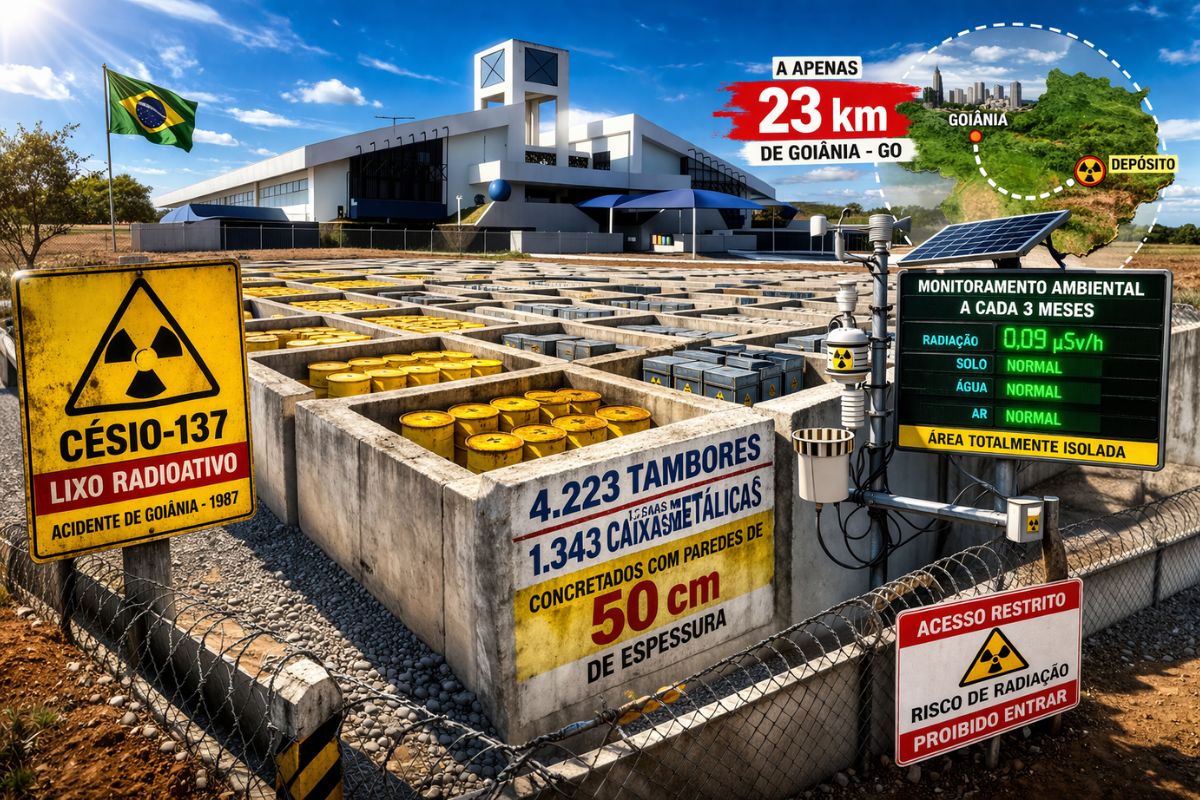
There are 4,223 drums and 1,343 metal boxes concreted with 50-centimeter walls that store the radioactive waste from Cesium-137 in the worst radiological accident in Brazil, just 23 kilometers from Goiânia, with environmental monitoring every three months.
-
Giant Roman treasure found at the bottom of Lake Neuchâtel in Switzerland reveals an advanced trade system, circulation of goods, and armed escort in the Roman Empire about two thousand years ago.


Despite having requested the patent, Nélio faced legal battles that questioned the authorship of the creation. Years later, the Federal District Court issued a favorable ruling for him. Nicolai passed away in 2017 at the age of 77, but left an important legacy for telecommunications.
Electric Shower
In the 1940s, engineer Francisco Canhos, born in Jaú, developed the modern electric shower. Known as Chico, he created a practical and safe solution to heat water directly at the point of use.
The operation of the device involves an electric resistance that heats the water as it passes through the system. The temperature is adjustable through an electrical current selector. To this day, the model created by Canhos remains widely used in Brazil.
Clay Filter
Although there is no single inventor attributed to the clay filter, the most well-known model, called the “Filtro São João”, was developed in the city of Jaboticabal, São Paulo. It emerged in the 1920s, initiated by Cerâmica Lamparelli, which used the abundant clay from the region.
With a structure of red clay and a porous candle, the filter became a symbol of water filtration in the 1980s and 1990s and is still very popular in many Brazilian homes.
Electronic Ballot Box
The Brazilian electronic ballot box was created in 1995 by a commission formed by the TSE with the support of technicians from INPE and CTA. The goal was to develop the Electronic Voting Collector, which would eliminate human interference in vote counting.
The initiative brought more agility and reliability to the electoral process. Currently, the Brazilian model is recognized internationally, despite being questioned by some groups.
Stereobelt, The Grandfather Of Walkman
The first portable stereo cassette player was invented in 1972 by Andreas Pavel. Born in Germany, Pavel moved to Brazil at the age of six and created the Stereobelt in the country.
He faced legal disputes to validate his invention and only in 1986 did he reach a royalty agreement with Sony in Germany. In 2004, a new agreement ended the legal disputes, although the Japanese company never acknowledged him as the creator of the Walkman.
Automatic Transmission For Heavy Vehicles
Two Brazilian engineers, José Braz Araripe and Fernando Lemos, created the automatic transmission with hydraulic fluid for heavy vehicles. The invention was sold to General Motors, which offered two options: US$ 10,000 upfront or US$ 1 per car sold with the technology.
Araripe chose the immediate payment. Despite controversies regarding the origin of the system, with mentions of a German company, the Brazilian duo is often credited with the innovation.
Convertible Military Airplane
The EMB-312 Tucano, created in 1980 by Hungarian-Brazilian engineer Joseph Kóvacs, is a turboprop training and light attack aircraft. Produced by Embraer, the model stood out for its versatility and innovative design.
One of its differentiating factors was the seating position, with the rear seat higher, which facilitated training. The Tucano was widely used by the Brazilian Air Force and helped establish Embraer’s reputation on the world stage.
Modern Antivenom
The Brazilian sanitarian Vital Brazil was responsible for creating the modern antivenom, based on studies by Frenchman Albert Calmette. Unlike the European model, which treated a single type of venom, Vital Brazil’s was more comprehensive.
He also founded the Butantan Institute in São Paulo, one of the main references in serum and vaccine production in the world. His contribution saved thousands of lives and continues to be fundamental in combating bites from venomous animals.
These inventions show that Brazilian creativity and talent go far beyond what is usually known. From a simple clay filter to complex systems like the electronic ballot box, Brazilian inventors have left deep marks in various sectors. Many of these creations continue to be used and admired.
With information from TechTudo.







O STF inventou o presodento
Faltou o balão do frei Bartolomeu de Gusmão
Inventor do Rádio: Padre Landel de Moura