





 Portuguese
  English
  Spanish
  6 min of reading
  0 comments


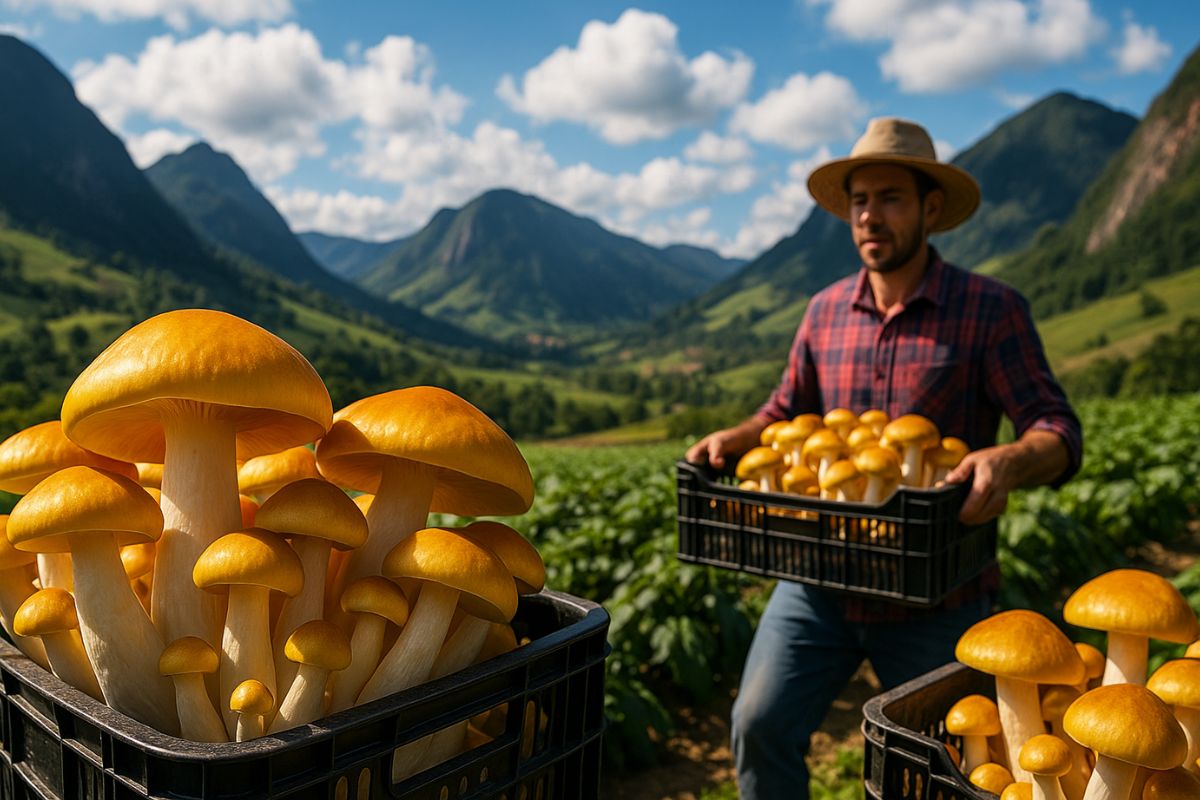
In Greenhouses At 16 Degrees In The Mountains Of Domingos Martins And Santa Maria De Jetibá, Small Producers Grow Mushrooms Year-Round, Supplying Restaurants, Increasing Family Farm Income And Attracting Research On Nutrition, Immunity, Cancer And Alzheimer’s In Espírito Santo, Putting The State On The Brazilian Map Of Fungi.
In the cold mountains of the Serrana region of Espírito Santo, mushrooms have ceased to be an exotic product from expensive restaurants to become the gold of family farming. In simple yet highly technical greenhouses, entire families take care of the fungi every day, transforming each tray into stable income, healthy food, and business opportunities in the countryside.
With a cold and humid climate, Domingos Martins and Santa Maria de Jetibá concentrate mushroom cultivation in the state. According to Incaper, production in Espírito Santo jumped from 12 tons in 2022 to 82 tons in 2024, demonstrating the scale of the turnaround. At the center of this story is producer Henrique Antônio Gomes, who traded life in the capital for a farm in the mountains and today leads, alongside his daughter Gabriela Pereira Almeida, a demanding routine inside the mushroom greenhouses.
Mushroom Cultivation Requires Low Temperature, Strict Routine And Attentive Eye

Inside the greenhouses, nothing is left to chance. The temperature remains around 16 degrees, humidity is controlled all day long, and lighting is always low. The roof is continually wet to maintain freshness, and even the sound of flowing water is part of the environment designed for the mushrooms.
-
A rural producer from Urubici cries as he shows 50 tons of plums thrown on the ground because no one wanted to buy them, and in desperation, he records a video asking anyone to come to the property to pick the fruits before they rot.

-
Unable to pass through Hormuz, Brazil activated a plan B that uses Turkey as a gateway to the Middle East: the route through Gibraltar and the Mediterranean is longer and more expensive but ensures that chicken, beef, and corn continue to reach Arab markets.

-
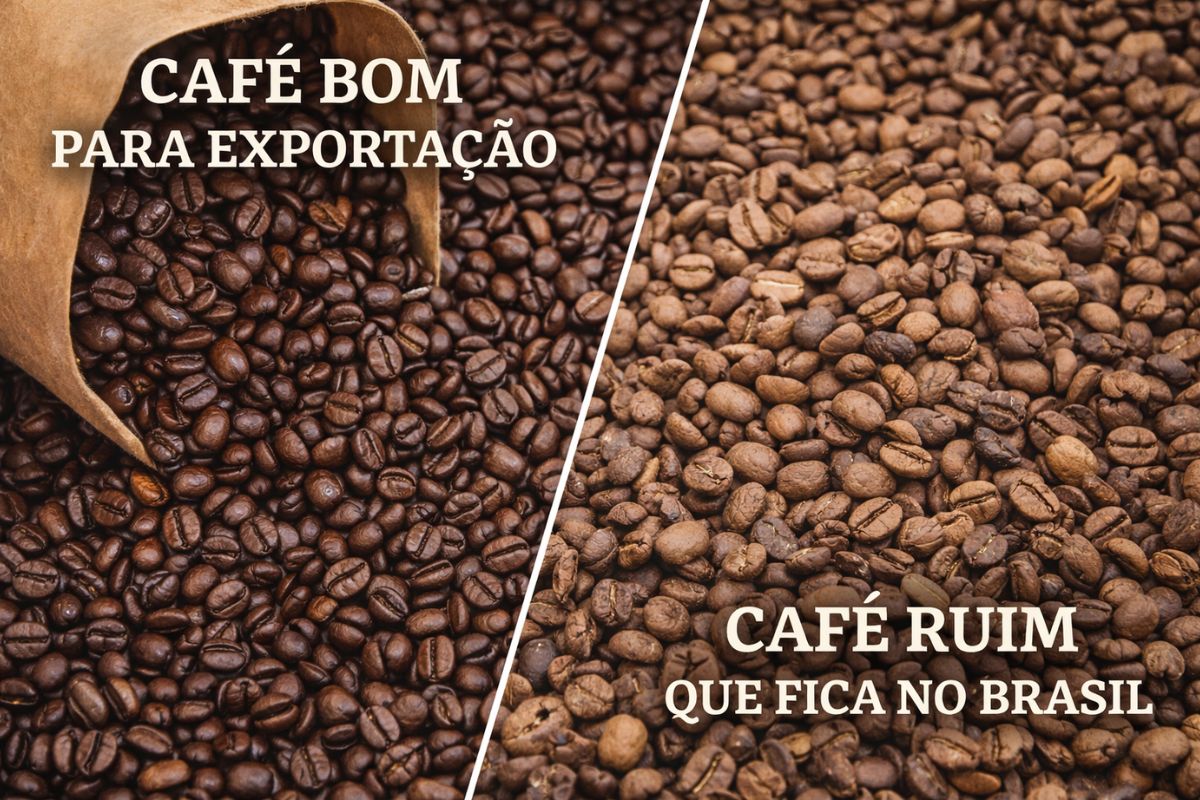
You grew up hearing that the good coffee from Brazil goes all abroad and the bad coffee stays for Brazilians, but this story has completely changed, and the numbers show that in the 1980s, thirty percent of the coffee sold here was adulterated with corn and barley.
-
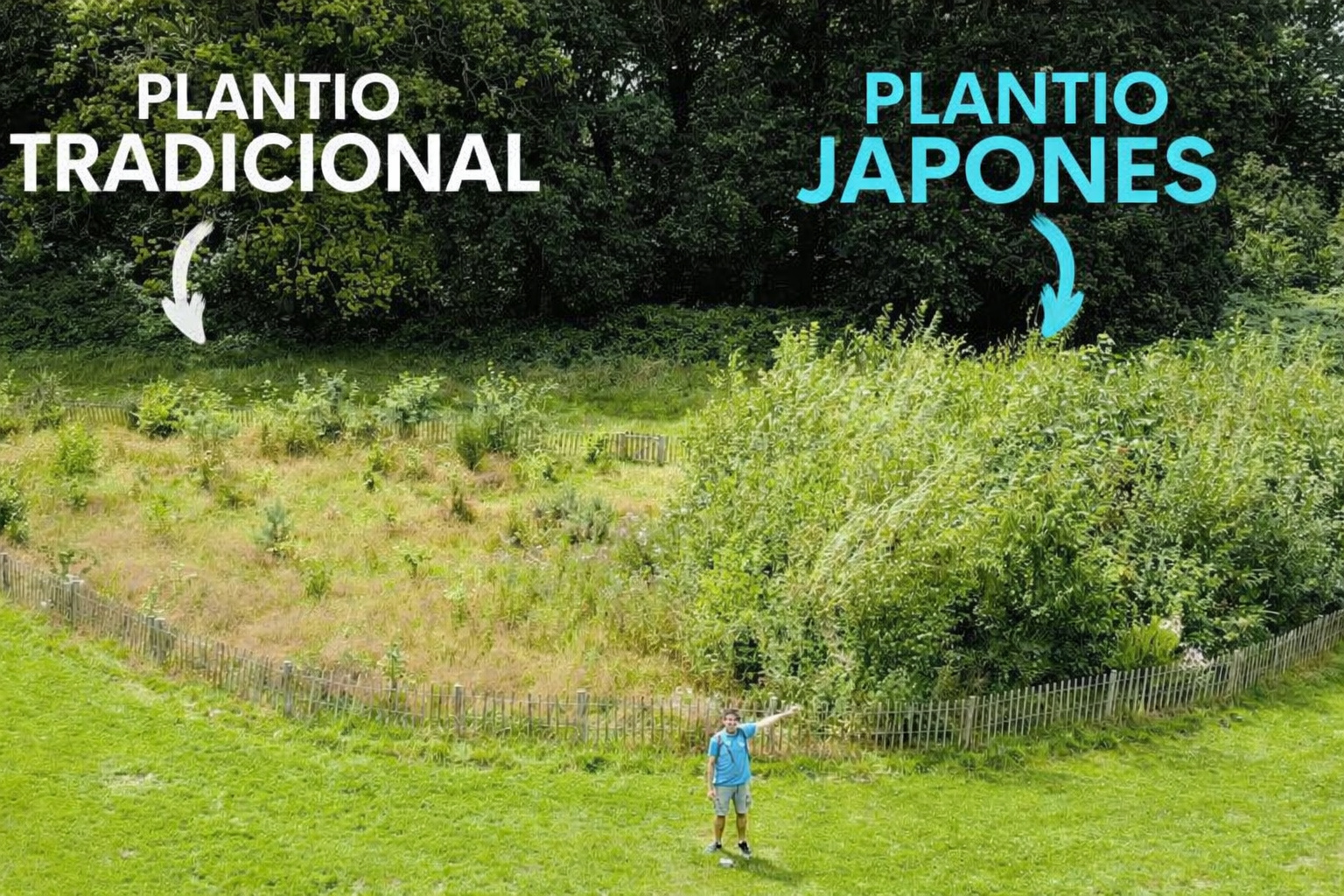
Engineer creates reforestation method that transforms small plots into dense forests in a few years using local biomass and can reduce environmental recovery costs.

Henrique explains that any misstep is costly. If there’s a mistake with humidity, temperature, or light, the result is visible on the plate.
“If you err in one of the three points, the mushroom grows of lower quality,” summarizes the producer, who learned to respect the fungus’s rhythm.
Today, the property produces about 200 kilos per week, with daily harvesting since in two or three days, the mushroom reaches the ideal size.
Family Farming Finds In Mushrooms A New And Stable Income
Henrique and Gabriela are part of a new group of farmers who see mushrooms as a concrete opportunity to diversify their small property. Previously focused on traditional crops, these families have begun to combine what they already grew with mushroom production that has greater added value.
Mushrooms have opened a source of income that does not depend solely on the harvest, rain, or the price of coffee and other commodities, providing more stability to the family’s finances. Production is divided between fresh sales and processing into preserves and antipasti on the farm itself, increasing the value of each kilo harvested while keeping all processing in the field.
Simple Technology, Deep Knowledge
Researcher Wilton Soares from the Federal Institute of Espírito Santo points out that behind every tray of mushrooms, there is a lot of science. Each species of mushroom requires a specific nutritional base and a different type of handling, always combining a carbohydrate source with a protein source in the substrate.
The champignon, for example, needs a pre-composted and then pasteurized substrate before receiving the mushroom, a technology that has been developed over the years and adapted to local conditions. This technical advancement, coupled with the knowledge accumulated by producers, helps explain why mushroom production has expanded so rapidly in the capixaba mountains.
Domingos Martins And Santa Maria De Jetibá Became Mushroom Hubs In Espírito Santo

From an almost invisible activity, mushroom cultivation has gained scale and consolidated Domingos Martins and Santa Maria de Jetibá as the main production hubs in the state. The cooler and more humid climate of the mountains creates the ideal environment for the growth of the fungi, reducing stress caused by excessive heat and abrupt temperature variations.
Most enterprises are family-owned and have a strong connection to organic practices. Mushrooms are grown with minimal heavy machinery, without the need for pesticides, which reinforces the image of clean and sustainable food. This combination of climate, knowledge, and family labor has helped put Espírito Santo on the national radar for mushroom production.
Types Of Mushrooms And Cultivation Methods In The Capixaba Mountains
In Espírito Santo, three types of mushrooms lead production on family properties: shiitake, shimeji, and champignon, also known as Paris mushroom. Each requires a specific type of handling, structure, and cultivation time, which distributes the work throughout the year.
The champignon is typically cultivated in pre-composted straw and covered with a layer of soil, with cycles around 90 days. It is a mushroom rich in proteins and fibers, very popular in preserves and everyday recipes, adapting well to temperatures around 20 degrees. The shiitake grows on eucalyptus logs, stays there for about six months, goes through thermal and mechanical shocks, and prefers darker environments, delivering a woody flavor and a full-bodied texture.
The shimeji, on the other hand, grows in bags with pasteurized straw, forming bouquets. In about 90 days, the bouquets are ready for harvesting. It is the most versatile mushroom, with brown, white, pink, black, golden, and citrine varieties, each with specific aroma, texture, and uses, from Asian dishes to vegetarian recipes and decorative salads.
From Farm To Table: Mushrooms Gain Space In Food And Restaurants
According to the G1 portal, the mushroom production of Henrique’s family has already reached Greater Vitória and Guarapari. Restaurants, end consumers, and small merchants buy directly from producers, who primarily use social media to promote their work.
Photos of well-plated dishes and creative recipes help to break the idea that mushrooms are difficult to prepare.
Gabriela reports that many customers have started to consume mushrooms weekly after discovering the product through social media.
The frequency of orders shows that the food has stopped being an occasional item and has started to be part of the daily menu, both in family homes and in professional kitchens looking for fresh and local ingredients.
Mushrooms In Health: Research Links Capixaba Mountains To Disease Combat
Besides being tasty food, mushrooms have gained space in health research. Professor Wilton Soares highlights that studies conducted at Ifes evaluate the positive effects of mushrooms in cancer treatment, Alzheimer’s care, and strengthening the immune system, always based on substances naturally present in these fungi.
In practice, this means that the mushrooms produced in the cold mountains of Espírito Santo may, in the future, integrate broader strategies for prevention and support therapies.
Although they are not medicines, mushrooms combine nutrients, fibers, and bioactive compounds that arouse the interest of researchers worldwide, connecting the small family greenhouse to significant scientific themes.
Future Of Mushrooms In Capixaba Family Agriculture
With production growing, new producers interested in cultivation, and the demand from restaurants and consumers high, the outlook for mushrooms in capixaba family agriculture is one of expansion.
The challenge now is to maintain quality, better organize distribution and strengthen access to research, technical assistance, and credit for small farmers.
In the cold mountains of Espírito Santo, every tray of mushrooms represents income, health, and the opportunity to remain in the countryside with dignity, linking daily work, science, and quality food. And you, would you place mushrooms produced in the capixaba mountains on your daily plate?







-

-

-

-

-

17 pessoas reagiram a isso.