





 Portuguese
  English
  Spanish
  5 min of reading
  0 comments


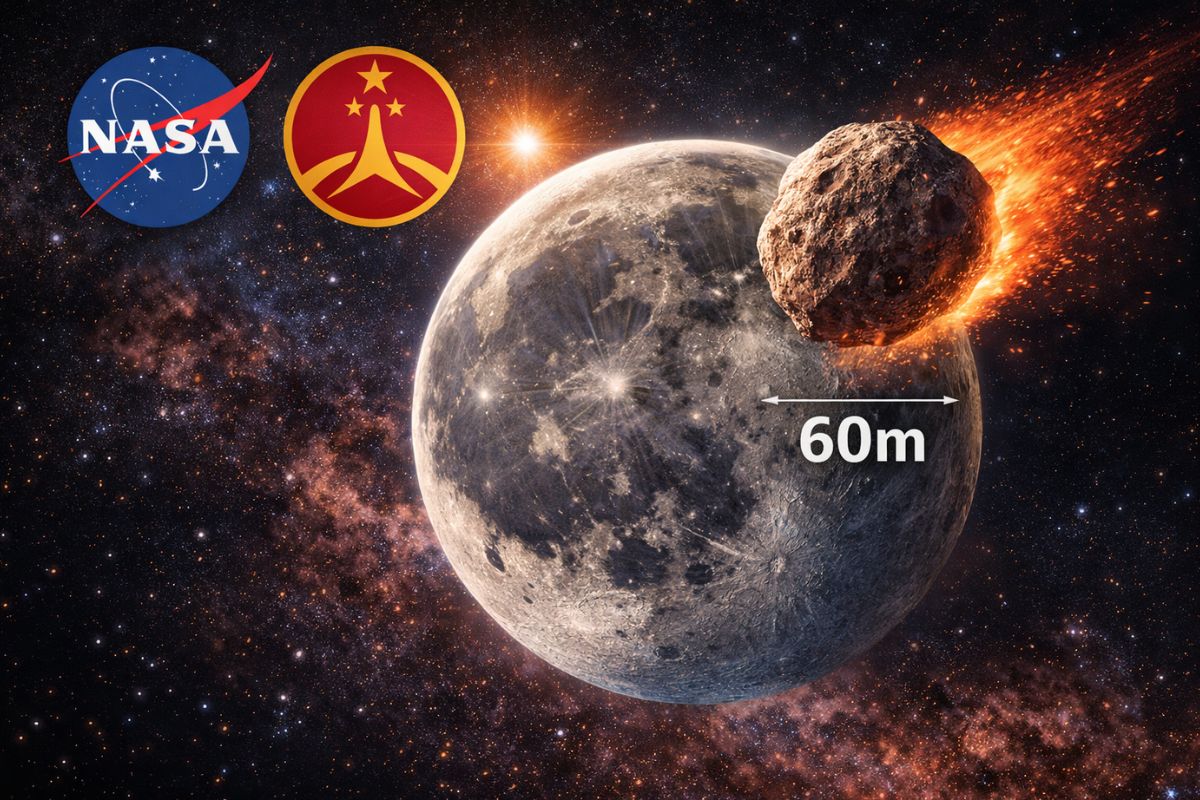
Space agencies warn that a 60-meter rock could collide with the Moon and eject a massive amount of dust and fragments into near-Earth space, at speeds sufficient to damage communication satellites, take down GPS signals, and compromise global internet for years, forcing cooperation between NASA and China to map the threat and protect orbital infrastructure
A 60-meter rock is on a collision course with the Moon, and the largest space agencies in the world are on alert. NASA and the Chinese space agency have identified that the impact of an object of this size on the lunar surface could eject a massive amount of dust and rocky fragments into near-Earth space. These materials would travel at extremely high speeds and could hit communication satellites, GPS constellations, and equipment that supports global internet, creating a debris storm capable of compromising the planet’s connectivity for years.
The scenario is concerning because modern society relies on satellites for practically everything: navigation, communication, financial transactions, aviation, logistics, and emergency services. If a debris storm generated by an impact on the Moon damages the network of satellites in low orbit, the world would face an unprecedented digital blackout. Cooperation between NASA and China to monitor the rock’s trajectory and develop protection protocols has become a priority in discussions between the space powers.
What happens when a 60-meter rock hits the surface of the Moon

The Moon has no atmosphere. This means that a space rock reaches the surface without losing speed or disintegrating, as would happen on Earth.
-
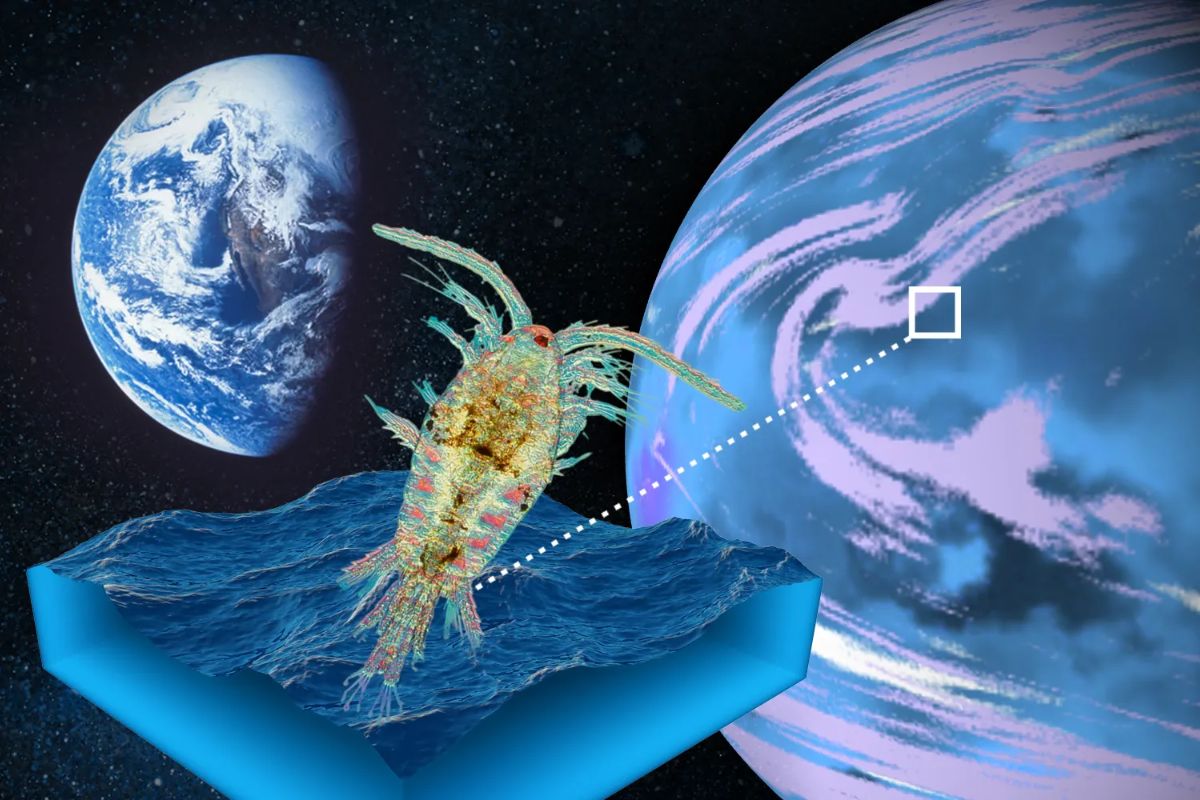
What the James Webb telescope found on the planet K2-18b is raising alarms in the scientific community: gases that on Earth only exist because of living organisms have been detected in the atmosphere of an oceanic world 124 light-years away from us.
-
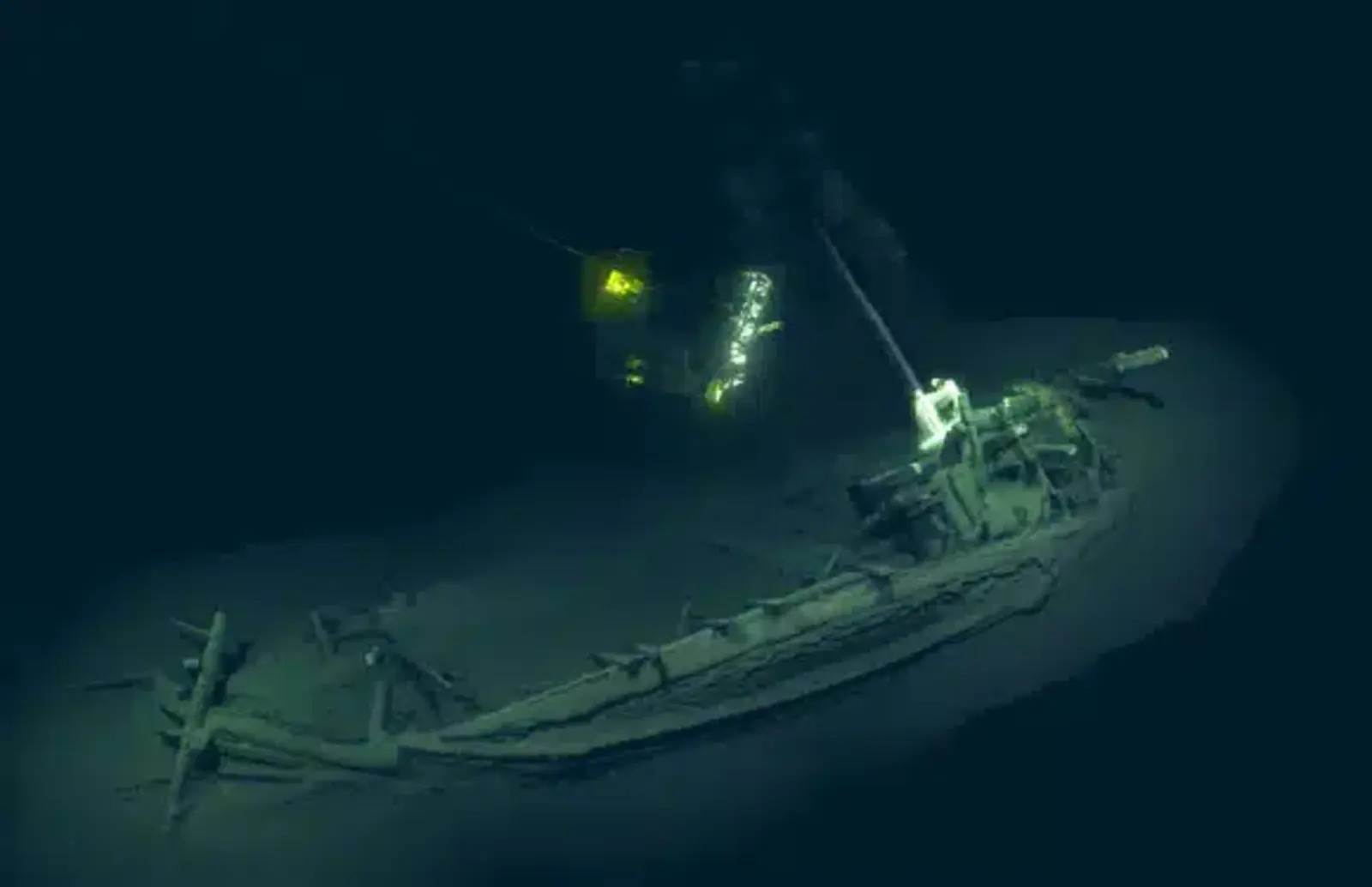
Divers found a nearly intact 23-meter Greek ship on the bottom of the Black Sea, so well preserved that it seems to have been frozen in time for 2,400 years.
-
The blood of astronauts is undergoing mutations in space, coagulating too much when it shouldn’t and too little when it needs to: three recent discoveries reveal that our bodies were simply not made to live outside of Earth.

-
A startup sends robotic gloves for users to wear at home while washing dishes, folding clothes, and making coffee; every finger movement is recorded and sent back to train a domestic robot that has already learned 10 million real tasks without ever having entered a kitchen.


An object of 60 meters hitting the Moon at typical asteroid speeds (between 20 and 70 kilometers per second) would generate an explosion capable of excavating a crater hundreds of meters wide and ejecting millions of tons of material into space.
Since the Moon’s gravity is about six times weaker than Earth’s, some of this ejected material would reach escape velocity and leave the Moon’s gravitational influence.
These fragments would enter orbits around the Earth or trajectories that would cross the orbital bands where communication, GPS, and internet satellites are stationed.
The result would be a cloud of debris spreading through near-Earth space, turning the orbital region into a field of microscopic and rocky projectiles traveling at extreme speeds.
How moon fragments can take down the internet, GPS, and satellites
The satellites that support global communication operate in environments that need to be clean and free of obstacles. A single particle a few millimeters in size, traveling at tens of kilometers per second, can pierce a satellite’s shielding and destroy its electronic circuits.
If a debris storm generated by an impact on the Moon hits the orbital bands where GPS constellations and satellite internet networks operate, the damage would be simultaneous and on a global scale.
The GPS system uses extremely precise signals that can be distorted by clouds of materials in space. Without GPS, commercial aviation loses navigation capability, goods transport is compromised, and emergency services lose location reference.
A prolonged failure of satellites would result in a logistical collapse affecting everything from banking operations to the functioning of transport and delivery apps. The fragments ejected by an impact on the Moon could maintain this scenario for years, until the debris cloud dissipates naturally.
Why NASA and China are cooperating to monitor the threat to the Moon
The scale of the threat has forced an unusual cooperation between the two largest space powers in the world. NASA and the Chinese space agency are joining efforts to map the trajectory of space rocks that could hit the Moon and to develop protection protocols for orbital infrastructure.
The exchange of real-time information allows satellite operators to perform evasive maneuvers on equipment before fragments reach occupied orbits.
In addition to monitoring, engineers are working on strategies to increase satellite resilience in extreme conditions.
Reinforced shielding with composite materials, software error correction systems, frequency diversification, and the creation of redundant layers of protection are the main areas of focus.
The goal is to ensure that even if some satellites are damaged by moon fragments, essential systems continue to operate.
What the world can do if satellites are damaged by moon fragments
If the worst-case scenario materializes, the immediate alternative would be to transfer data traffic to terrestrial networks. Submarine fiber optic cables and long-range transmission towers could absorb some of the demand that currently relies on satellites.
The excessive dependence on space assets needs to be balanced with investments in alternative terrestrial routes that function as backups in case of orbital collapse.
Companies managing network infrastructure are already discussing contingency protocols that include creating local emergency networks, developing terrestrial receivers more sensitive to weak signals, and expanding high-speed cable coverage in remote areas.
Preparing for a scenario where moon fragments damage the satellite network is not science fiction: it is a risk management issue that the largest space agencies in the world are already treating as a priority.
The day the Moon could become the biggest threat to digital life on Earth
A 60-meter rock on a collision course with the Moon may seem like a distant problem, but the consequences would fall directly on the daily lives of billions of people.
Without satellites, there is no GPS, no satellite internet, no military communication, no synchronized financial transactions, and no safe commercial aviation.
The cooperation between NASA and China to monitor and protect orbital infrastructure is the admission that humanity has built a civilization dependent on machines in space, and that a rock hitting the Moon could be enough to put everything at risk.
Did you know that an impact on the Moon could take down the internet and GPS on Earth? Do you think we are prepared for such a scenario or are we too dependent on satellites? What would you do if you were without GPS and internet for months? Leave your comments and share this article with those who need to understand what is at stake in space.







Seja o primeiro a reagir!