





 Portuguese
  English
  Spanish
  3 min of reading


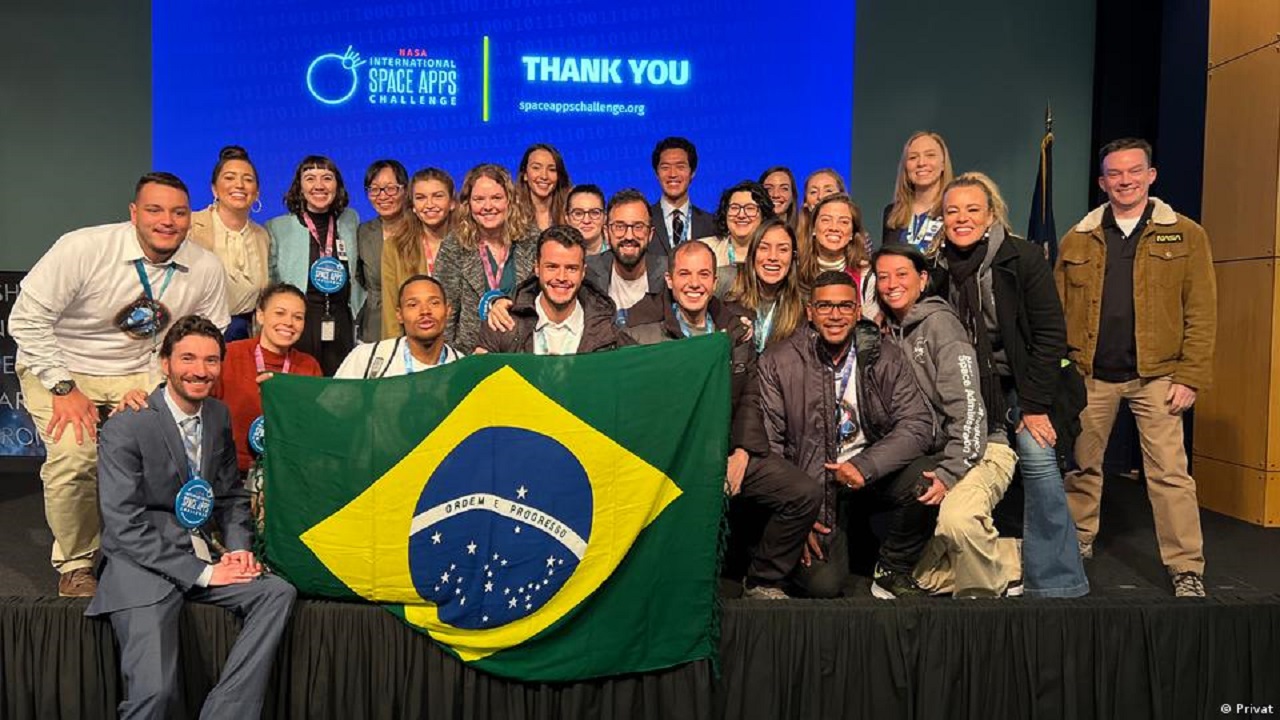
Brazilian Researchers Develop New System Using Satellite Images and Artificial Intelligence to Detect Oil Spills at Sea. Project Recognized and Awarded by NASA.
A group of Brazilians is developing a system that promises to use satellite images, algorithms, and artificial intelligence (AI) to detect the presence of spots caused by oil spills in the ocean. Inspired by Greek mythology, the system was named Poseidon, the God who protects the waters. To give an idea of the innovation, this was one of the winning ideas of the NASA Space Apps Challenge.
Meet the Project of the Brazilians that Was Awarded by NASA
The NASA Space Apps Challenge is an international competition aimed at finding amazing ideas based on data generated by the U.S. space agency to address both terrestrial and space challenges.
The award ceremony took place in March at NASA’s headquarters in the United States capital, Washington. The Brazilian group was formed to participate in the competition. Two of the members already knew each other from a previous competition held by the technology giant IBM. The others were invited to join the project that uses Artificial Intelligence to find oil leaks. Recently graduated in fields related to computing and technology, all members were already working in the private sector.
-
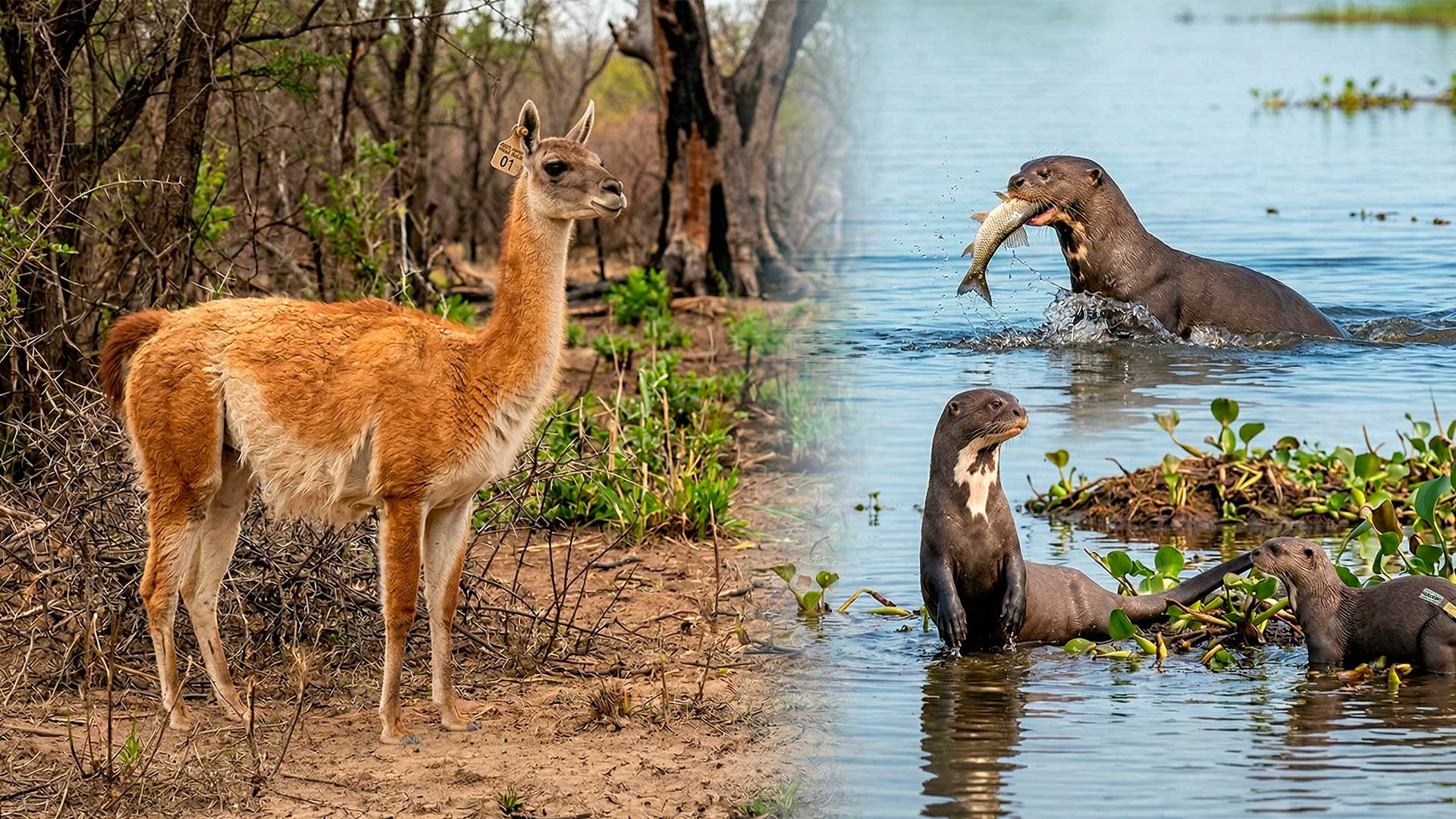
Argentina achieves the unimaginable after more than 110 years and reintroduces the largest native herbivore of South America to the Chaco to restore a lost link in nature.
-
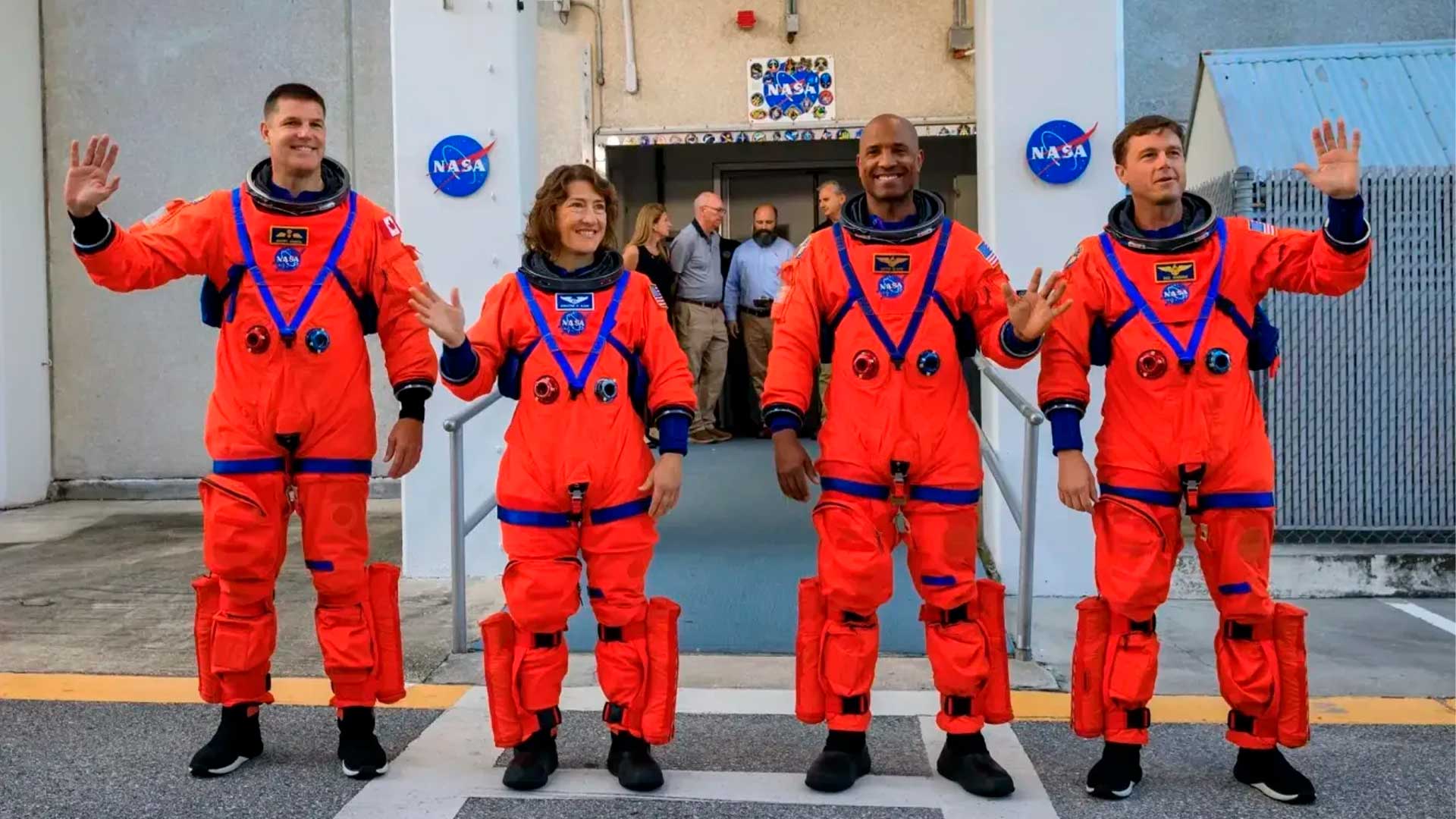
Returning to the Moon now costs a billion-dollar bill and reignites the competition between the USA and China for science, technology, and rare minerals on lunar soil.
-
While the world looks at oil, the war with Iran is already disrupting helium supply from Qatar, affecting car and iPhone chips, threatening AI expansion, and putting pressure on aluminum packaging at the highest value in four years.

-
Global warming will expose a treasure hidden under the ice of Antarctica and may spark an international dispute over gold and valuable minerals.


According to NASA’s competition rules, the entire project by the Brazilians was developed in 48 hours, on the date set for the event in 2019. The researchers learned about NASA’s challenge and have since had the established deadline to present a solution.
According to the data from the project submitted on NASA’s website, an application programming interface (API) could cross-reference data collected by satellites and, using algorithms and AI, more easily identify oil leak points offshore.
As per the description of the Brazilian project, the API could be utilized by third parties and governments, and this detection would enable competent authorities to act quickly in response, reducing environmental disasters and socio-economic impacts.
Environmental Disasters Could Be Prevented More Easily
Felipe Ribeiro Tanso, programmer, designer, and entrepreneur, one of the winning team members, explains how the mechanism works.
The system includes an AI that analyzes images captured by satellites and returns the probability of oil spots existing in a specific area of the ocean, alerting the responsible agencies for monitoring and reducing these accidents. Hence, the project’s goal is to minimize the environmental and socio-economic impacts that could affect millions of lives.
Since the proposal was made available in the form of an API, the system awarded by NASA can be integrated into other software or applications, making it easily applicable. Tanso emphasizes that this allows other tools to use their solution as part of their own systems.
NASA Invites Scientists to Spend Two Days at Its Headquarters
Ricardo Ramos, technologist and data scientist, another team member, states that the method developed by the researchers using AI is based on what are called neural networks. However, an improvement was made. Shortcuts were added to skip two or three layers to make the process faster.
Of the five members involved in the project team, only three attended the award ceremony. According to Tanso, the agenda included two full days at NASA’s headquarters, with recognition and the opportunity to have closer contact with the brilliant scientists responsible for various missions related to space exploration, such as the Artemis mission, which aims to return humans to the Moon.
Tanso emphasizes that just being in Washington and being welcomed at NASA’s headquarters was a significant achievement. It felt like a childhood dream coming true. Space-related topics have always fascinated him, and getting there had a very sentimental appeal for everyone.







Seja o primeiro a reagir!