





 English
  Francês
  Alemão
  Italiano
  Japonês
  Norueguês
  Portuguese
  Spanish
  3 min of reading


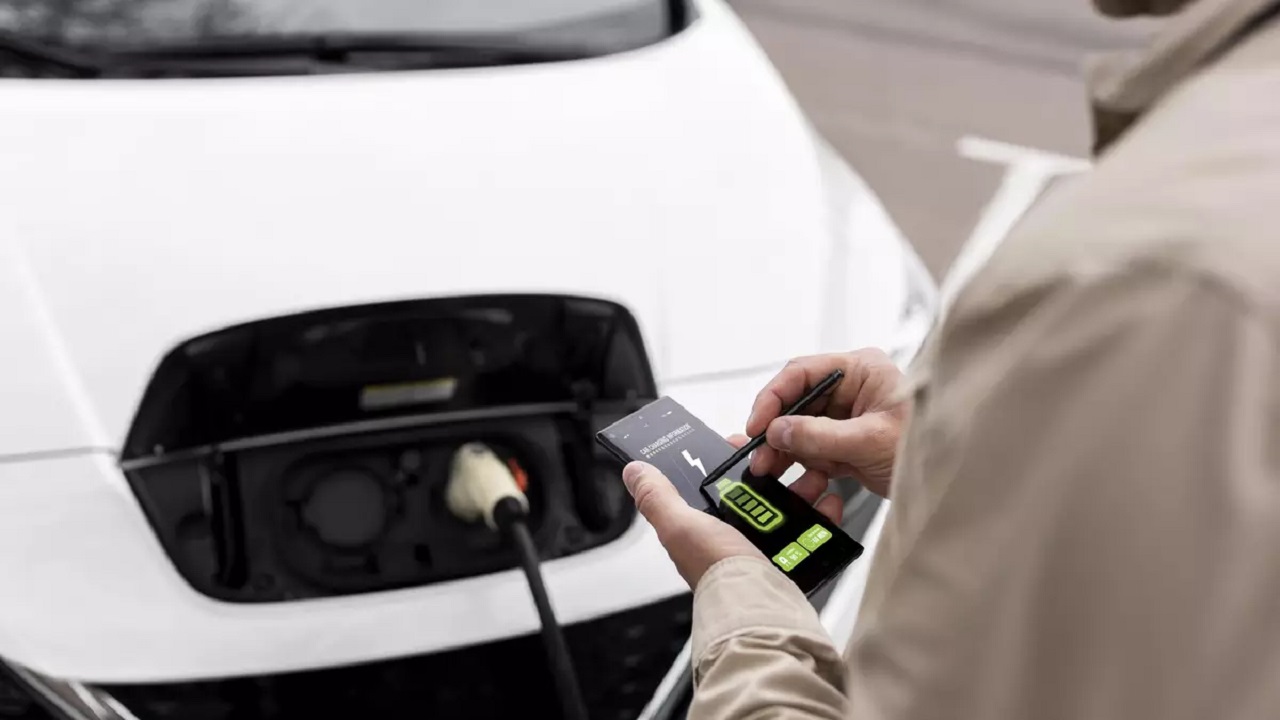
NASA Developed A Cooling System For Electronics That Would Be Used In Missions On The Moon And Mars. However, Scientists Decided To Allocate It To Electric Vehicle Charging.
NASA developed a cooling system for electronics in space that can be used for electric vehicle charging here on Earth. The model can boost the automotive market, allowing vehicles to be charged in just five minutes. To put this in perspective, the average time at major charging points for an electric car with a 40 kWh battery is 5 to 8 hours for a full charge on home networks.
NASA Technology Was Developed For Other Purposes
In a publication from the agency, it was explained that the Flow Boiling and Condensation Experiment (FBCE) project, heat transfer, can cool the cables that carry high currents, potentially enabling super-fast electric vehicle charging without the risk of overheating.
-
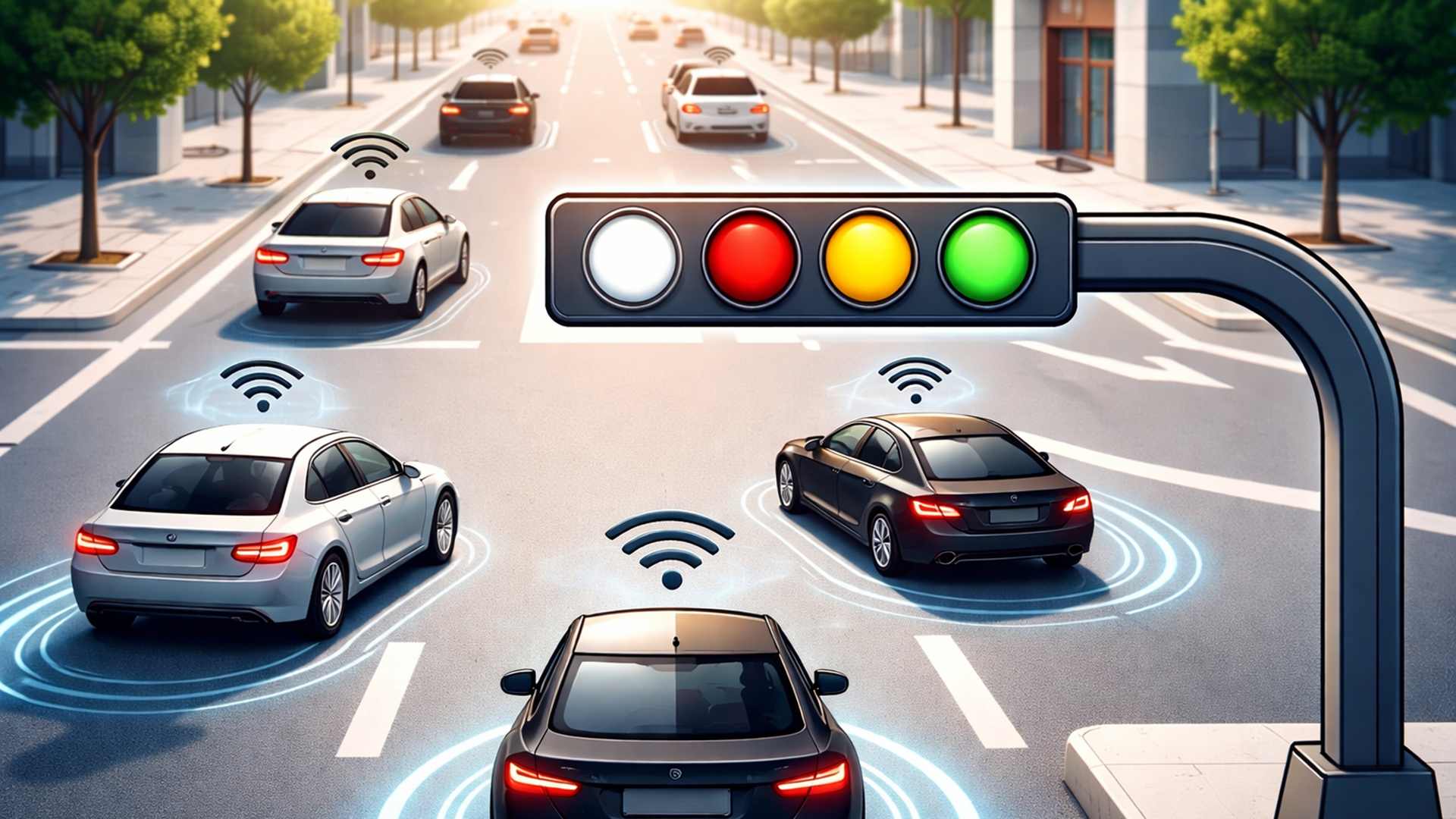
Engineers propose a fourth traffic light for intersections – the change promises to affect crossings, queues, and waiting times.
-
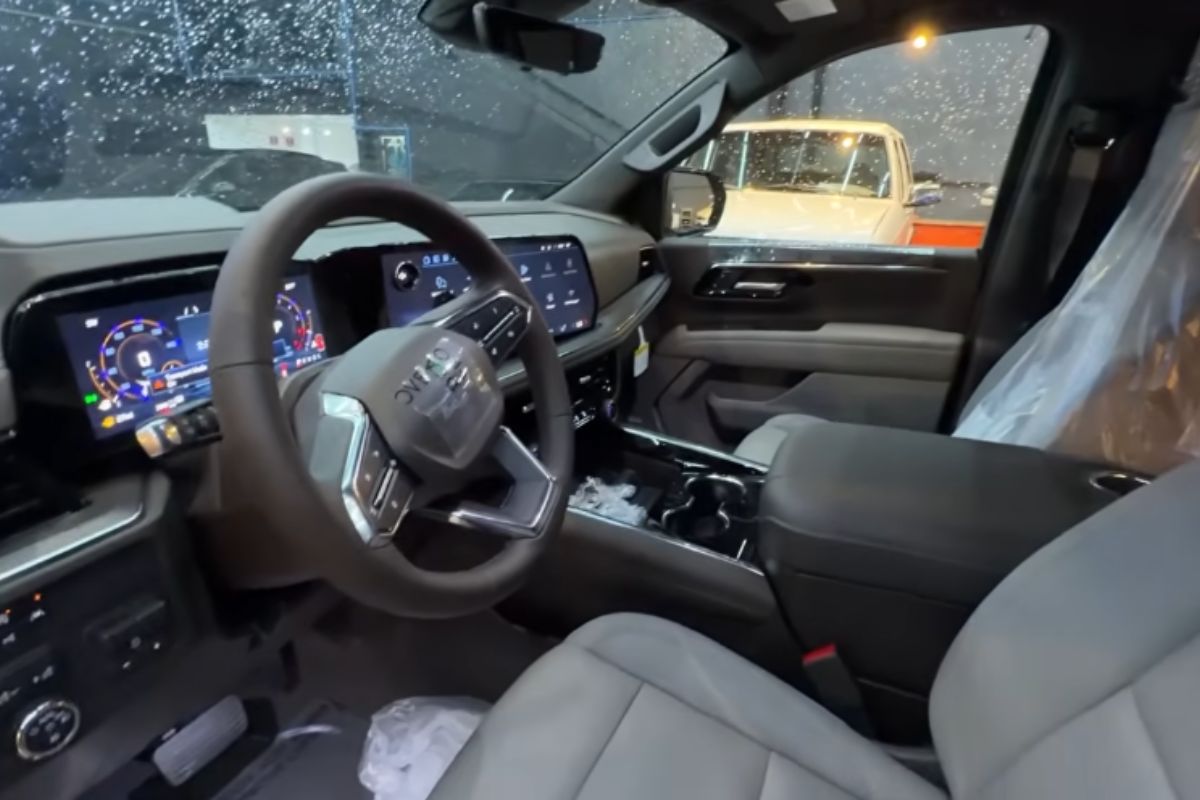
Chevrolet Suburban Z71 lands in Brazil with a V8 engine, off-road design, air suspension, seven seats, and colossal size, a rare version imported for around R$ 1.3 million with luxury and exclusivity.
-
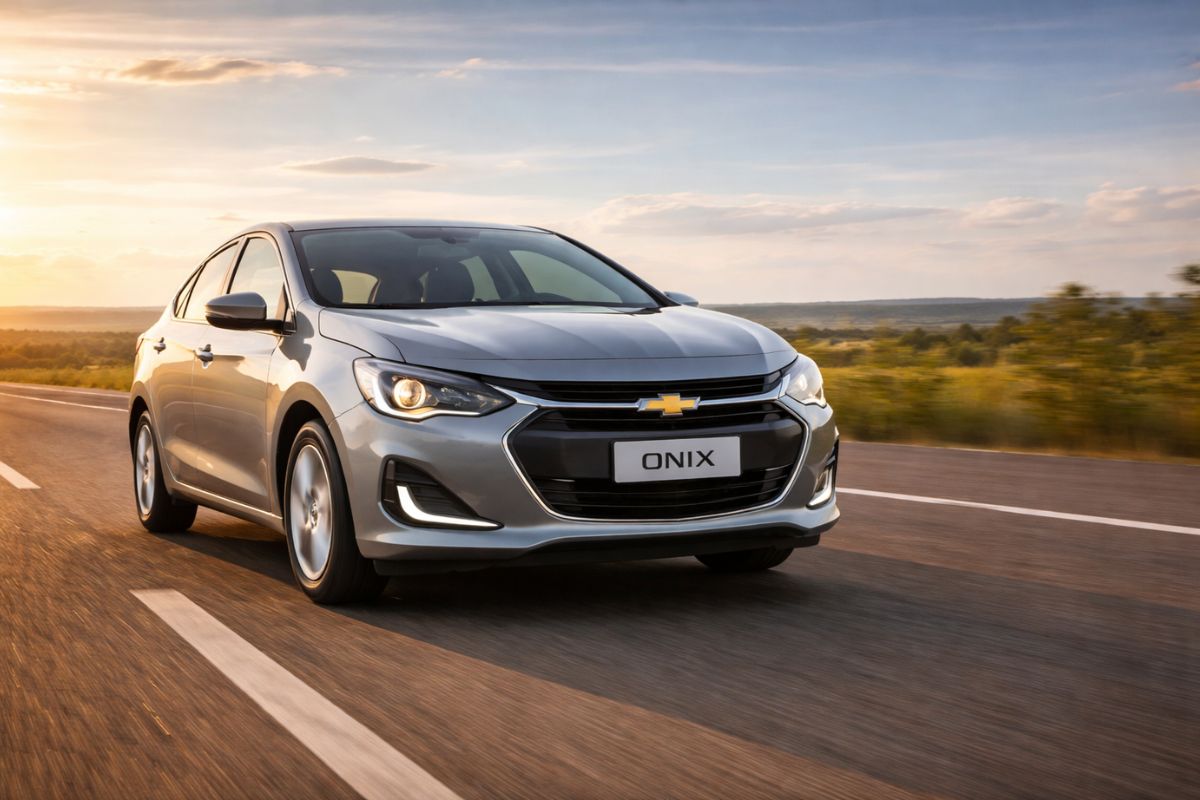
The Chevrolet Onix 1.0 turbo achieves 17.7 km per liter on the highway and ranks among the three most economical cars in Brazil in 2026, alongside two more expensive Toyota hybrids available at dealerships.
-
Little sister of the Hilux: Toyota launches Land Cruiser FJ with 4 radical versions, 2.7 engine with 166 hp and 4×4 traction with locking.
The initial goal was to allow the flow of two-phase fluid and heat transfer experiments to be conducted in a long-duration microgravity environment aboard the International Space Station.

According to NASA, the FCBE flow boiling module has heat-generating parts mounted along the walls of a flow channel where the coolant fluid is supplied in a liquid state. In this way, depending on the heating of these devices, the temperature of the liquid in the channel increases and the liquid adjacent to the walls begins to boil.
System Would Work In Missions On The Moon, Mars, And Beyond
After heating the liquid, small bubbles are formed on the walls that move away from the walls with high efficiency. According to researchers, this process transfers heat more effectively, taking advantage of the lower temperature of the fluid and also the phase change to vapor. This process is greatly improved when the liquid supplied to the channel is in a subcooled state.
The system was created to help provide nuclear fission power models for missions to the Moon, Mars, and beyond; vapor compression heat pumps to support lunar and Martian habitats; and systems to provide thermal control and advanced life support for spacecraft on board.
How Will NASA’s System Work For Electric Vehicle Charging?
The electric vehicle charging system has a cable that ends with a plug inserted into the vehicle’s charging port. Electrical current is delivered to the vehicle’s battery, which is responsible for powering the electric motor.
The passage of current through a conductor results in a finite amount of heat generation, and the higher the current, the greater the heat generated.
Due to temperature limits, charging cables for common rapid charge systems, at 42 kW, require substantial conductors, making the cable very heavy and difficult to maneuver.
With NASA’s technology, the dielectric coolant liquid flows through the charging cable, capturing the heat generated by the current conductor. Subcooled flow boiling allows scientists to deliver 4.6 times more current compared to the fastest electric vehicle chargers currently available on the market, removing up to 14.22 kilowatts of heat.
Source: NASA

Formado em Jornalismo e Marketing, é autor de mais de 20 mil artigos que já alcançaram milhões de leitores no Brasil e no exterior. Já escreveu para marcas e veículos como 99, Natura, O Boticário, CPG – Click Petróleo e Gás, Agência Raccon e outros. Especialista em Indústria Automotiva, Tecnologia, Carreiras (empregabilidade e cursos), Economia e outros temas. Contato e sugestões de pauta: valdemarmedeiros4@gmail.com. Não aceitamos currículos!





Seja o primeiro a reagir!