Portuguese
  Spanish


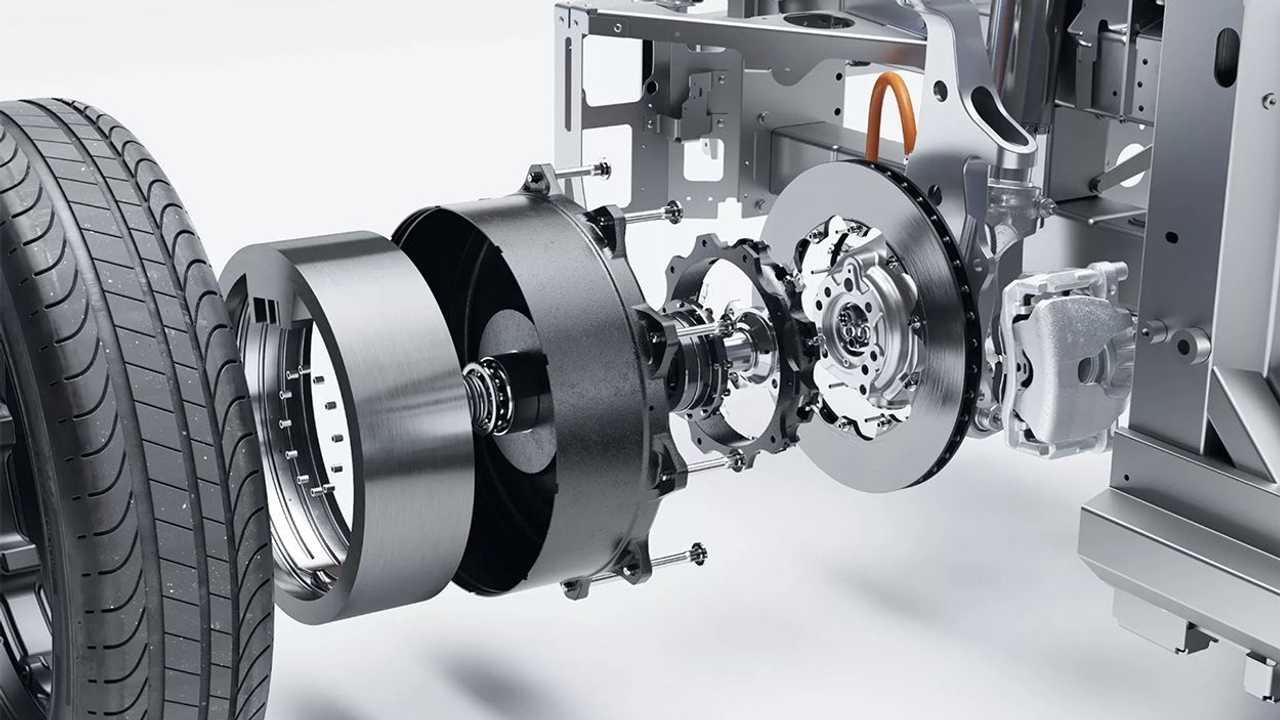

The Lightyear 0 Solar-Powered Electric Car Will Use A Wheel Motor From Slovenia-Based Elaphe As Part Of What The Manufacturer Claims To Be The Most Efficient Powertrain In Any Electric Car Today
The Lightyear, the first company to develop a solar-powered electric car, announced its newest partnership with Elaphe earlier this month, stating in a press release that the two companies are working together to achieve “world-class efficiencies” from the design of the new electric motor installed in Elaphe’s wheels. Lightyear is far from being the only company aiming to use wheel motors, but most other competitors consider the electric motors from Elaphe a highlight of the automotive industry.
Solar-Powered Electric Car Will Use Wheel Motors


The motors will be used in the Lightyear 0, a production version of the Lightyear One that made its public debut earlier this month. Lightyear aims to “outpace the competition” by maximizing efficiency with integrated solar panels that can assist in charging and generate greater range, preventing the model from being tethered to a plug.
On cloudy days, with an average commute of around 20 miles per day, the Lightyear 0 can last up to two months without plugging in. Starting at US$ 263,000, the Lightyear 0 will be built in Finland by Valmet Automotive, with motors supplied by Elaphe’s facilities in Slovenia.
-
End of an era in Brazil: beloved sedan by Brazilians is discontinued despite having a 2.0 engine with 151 hp, CVT transmission, 466-liter trunk, and up to 650 km of range.

-
New Law Proposal in Brazil Could Heavily Penalize Drivers: Dangerous Overtaking May Become a Serious Offense with Fines Increased Tenfold and a 12-Month License Suspension; Update on 2026 Progress

-
Electric Revolution: Watts W125 Motorcycle Offers 160 km Range, 90 km/h Speed, and Affordable Price Starting at $3,000
-
General Motors Replaces Over a Thousand Workers with 50 Cobots at Electric Vehicle Plant, UAW Union Criticizes Move Amid Industry’s Automation Push




Deliveries in Europe are scheduled to begin in November, but Lightyear has not confirmed plans to expand to other markets. A more affordable model is also in the works, but it likely won’t arrive before 2024 or 2025.
Other Models Besides The Lightyear 0 Will Use Electric Wheel Motors
In addition to the Lightyear 0, the Lordstown Endurance pickup is still expected to use a version of Elaphe’s wheel motors, manufactured locally in Ohio. Lordstown announced a licensing agreement with Elaphe in 2020 but soon faced financial difficulties that stalled the launch of the Endurance.
Since then, Lordstown sold its factory in Ohio to Foxconn, which will now produce the truck under contract that will also use electric wheel motors. Aptera also plans to use wheel motors in its three-wheeled electric vehicle, a choice effectively dictated by the vehicle’s unusual design.
Another similarity to Lightyear is the use of solar panels to extend range. Aptera claims that its electric vehicle can travel up to 1,600 km between charges using a combination of solar power and battery.
Manufacturer Of The First Solar-Powered Electric Car Resolves Range Issues And Reduces Charging Time For Electric Cars
The primary goal of the development team’s prototypes was to ensure that the solar generation aspect worked properly. Testing at noon, the apps for both test vehicles showed their panels producing 492 and 673 watts.
The maximum solar charging rate is slightly above 1 kilowatt, according to the company, roughly the same as a 120-volt outlet can provide, which can add up to 300 km of range per day – or 109,000 km per year.
The idea, then, is not for the sun to provide all the charging needed for the car. Instead, it is for the car to charge slowly during the day to extend its range and reduce the frequency of charging, perhaps significantly depending on usage patterns.