





 Portuguese
  English
  Spanish
  5 min of reading
  0 comments


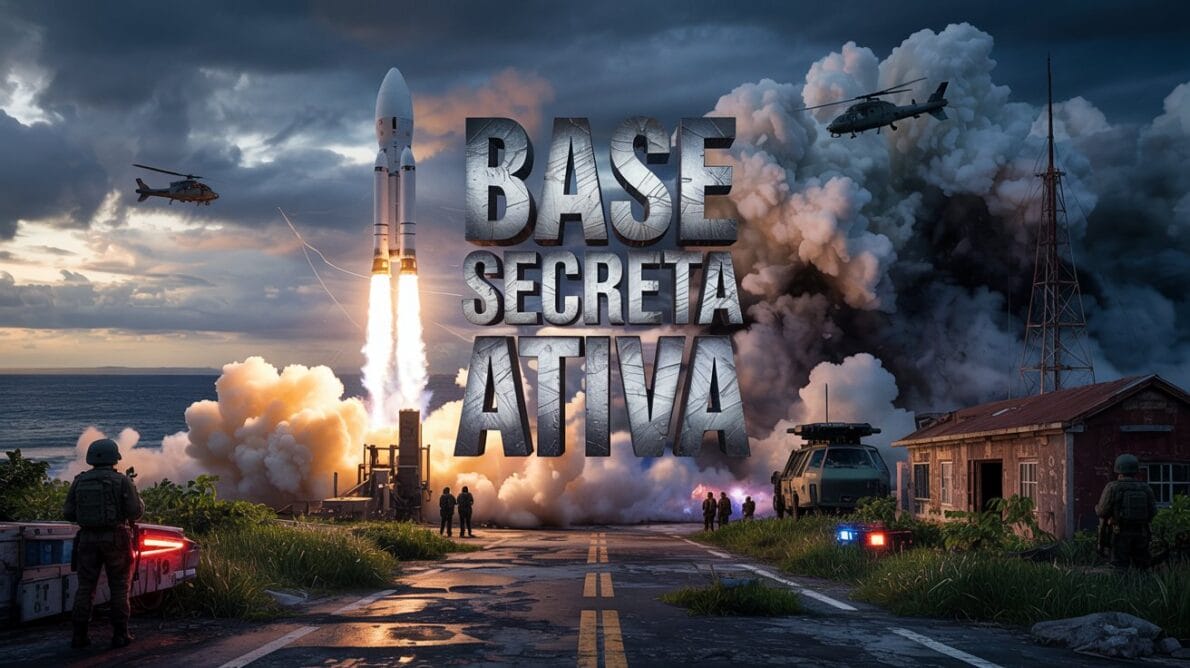
The United States Are Transforming an Abandoned Island in the Middle of the Pacific into an Ultra-Secret Center for Military Rocket Tests Capable of Crossing the Planet in a Few Hours with Tons of Weaponry or Strategic Supplies.
The United States Are Reactivating a Remote Island in the Pacific with a History of Nuclear Tests to Transform It into a Strategic Base for Global Military Transportation, according to official documents and recent satellite images analyzed by defense experts.
Johnston Atoll, located about 1,300 km west of Hawaii, has been chosen as the new testing center for the ambitious Rocket Cargo Vanguard program, developed by the U.S. Space Force.
The initiative aims to use reusable rockets to transport cargo and even troops anywhere on the planet in a matter of hours, offering an unmatched logistical advantage in the event of armed conflicts.
-
With 1,200 tons suspended, the Japan mega-structure in a grid shape with a floating sphere from Fuji TV features two 25-story towers connected by elevated walkways, titanium panels, and impresses the world with its ability to reduce wind impact.

-
The oceans are darkening all over the planet – what is happening?
-
The village where two rivers run side by side without mixing in Santarém and Alter do Chão reveals some of the most beautiful freshwater beaches on the planet.

-
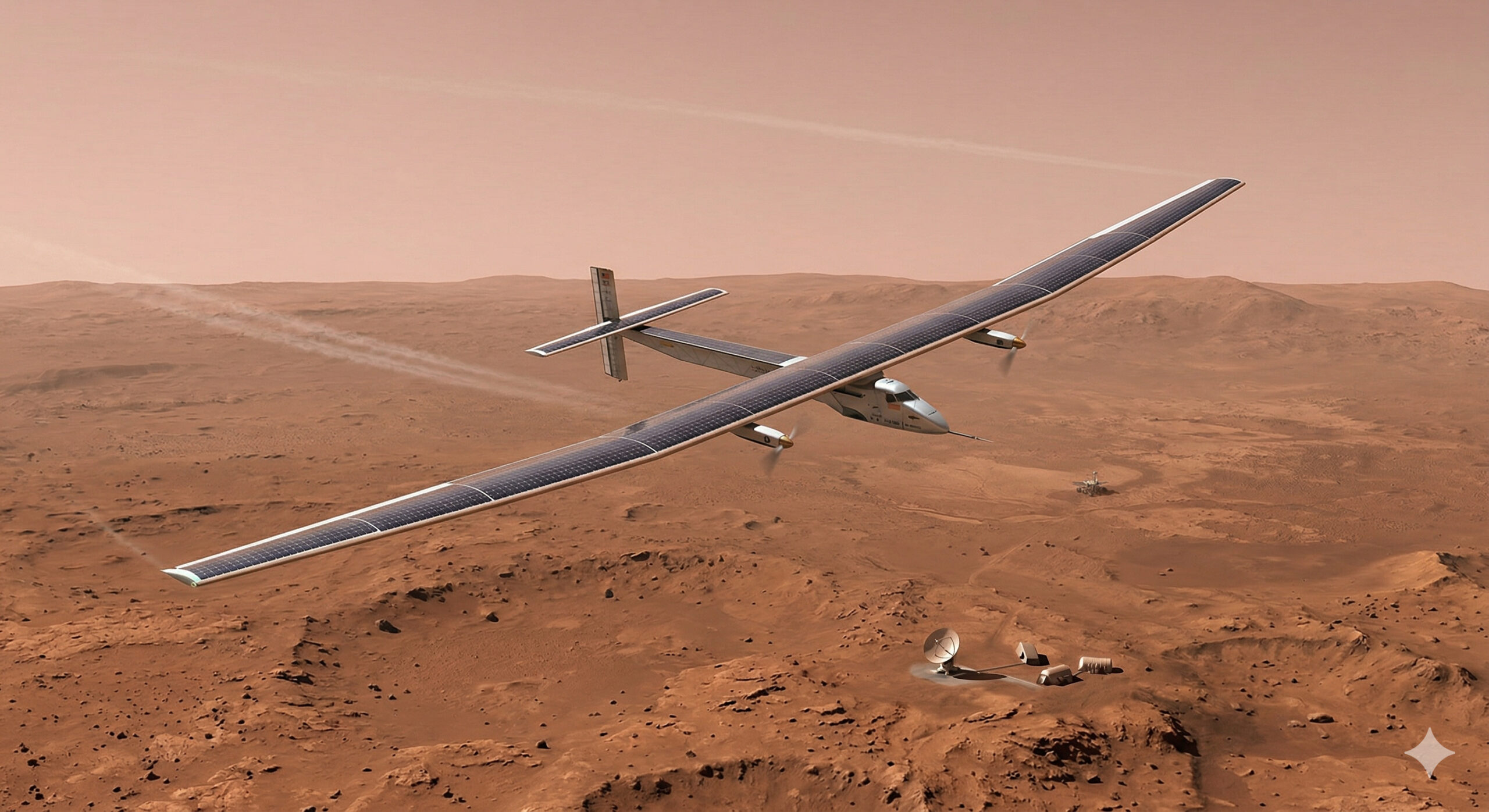
An engineer designs a solar plane to fly on Mars at an altitude of 1,000 meters and a speed of 300 km/h, covering 16,000 kilometers in a Martian year, 900 times the distance traveled by the Ingenuity helicopter in three years on the planet before experiencing a rotor failure, and NASA is already funding the feasibility study.

This military transformation occurs at a time of increasing global geopolitical tension, especially in regions like the Indo-Pacific, where the United States seeks to maintain its influence in the face of China’s advance.
According to the Department of the Air Force, the island will be equipped with two landing platforms and could conduct up to 10 tests per year over the next four years.
The expectation is that the first launches will occur as early as 2025, depending on environmental approval.
From Toxic Territory to Aerospace Hub
Johnston Atoll has a dark past.
Between the 1950s and 2000, the island served as a stage for nuclear tests and storage of chemical and biological weapons.
It was there that, in 1962, the nuclear explosion known as Starfish Prime took place, considered the largest ever recorded in space.
After decades of controversial military use, the island was officially deactivated in 2003 and converted into a National Wildlife Refuge, becoming part of the Pacific Islands’ National Marine Monument.
Still, structures like a 2.7 km runway and other military facilities remain visible in satellite images — and will now be reused.
The choice of location was not by chance.
The Air Force ruled out other locations, such as Kwajalein Atoll, Midway Island, and Wake Island, citing logistical limitations and environmental risks.
Johnston stood out for being federally owned, with controlled access, and for being less exposed to severe weather events — a decisive factor after storms hindered tests in other regions.

Rocket Cargo Vanguard: An Ambitious Project
Led by the U.S. Air Force Research Laboratory (AFRL), Rocket Cargo Vanguard is one of the boldest projects of the new era of modern warfare.
Its goal is to reduce the military cargo transport time from days or weeks to just a few hours, utilizing large rockets, focusing on mobility and response speed.
Since 2020, the Pentagon has been investing significant resources in exploring this technology.
The idea is to develop systems capable of transporting up to 100 tons of equipment — or even soldiers — directly to conflict zones, employing orbital or suborbital trajectories.
This logistical capability could transform the way the United States projects military power around the globe.
The Bet on SpaceX and Starship
SpaceX, Elon Musk’s company, is one of the main partners in developing this new military logistics, with its Starship rocket being pointed as a key piece of the program.
In 2022, the company received a $102 million contract to test cargo transport and humanitarian support technologies through experimental flights.
Despite some Starship tests facing failures and explosions, the Pentagon remains confident.
For General Philip Garrant, commander of the Space Systems Command, the combination of high payload capacity and reusability makes Starship one of the most promising options for Rocket Cargo Vanguard.
In addition to military use, the technology could benefit humanitarian operations in hard-to-reach areas, speeding up the delivery of medicines, food, or emergency supplies in the event of natural disasters.
Strategic Reactivation on the Global Board
The transformation of Johnston Atoll into a landing base for reusable space rockets represents more than just a simple logistical innovation.
It is a direct response to the new dynamics of global conflicts, where response time can determine the outcome of an operation.
If environmental assessment, expected in May 2025, is approved, the island will play a central role in U.S. military strategy.
Experts believe the site could become a continuously used aerospace logistics hub, expanding U.S. presence in the Pacific and reinforcing its ability to act swiftly in any emerging scenario.
The decision also signals the advancement of space militarization and the increasingly close integration between private companies and the defense apparatus of the United States.
In this context, Johnston Atoll could go from a forgotten territory to becoming one of the nerve centers of the future of modern warfare.
Environmental and Ethical Implications
The return of military activities to the island reignites debates about the environmental and ethical impacts of the militarization of natural areas.
Environmental groups have expressed concern about the reactivation of Johnston Atoll, warning of the risks of contamination, disturbance of local wildlife, and the potential violation of international preservation treaties.
On the other hand, authorities assure that testing will be conducted with strict environmental protocols, and that the site has already undergone a complete decontamination process.
Still, organizations like Greenpeace are calling for greater transparency and public monitoring of the planned operations.
A New Paradigm in Military Logistics
The Rocket Cargo Vanguard project exemplifies a growing trend: the transformation of military logistics through aerospace technology.
By using reusable rockets for refueling, the United States may completely redefine its crisis response strategies.
As a result, the world is closely watching the developments of this new phase of technological and military competition.
What was once a forgotten territory now projects itself as a key piece in the machinery of the United States’ global defense.
Will this new ultra-fast logistics only be used for security purposes, or are we moving towards a new era of military disputes in space?






Seja o primeiro a reagir!