





 Portuguese
  English
  Spanish
  4 min of reading
  0 comments


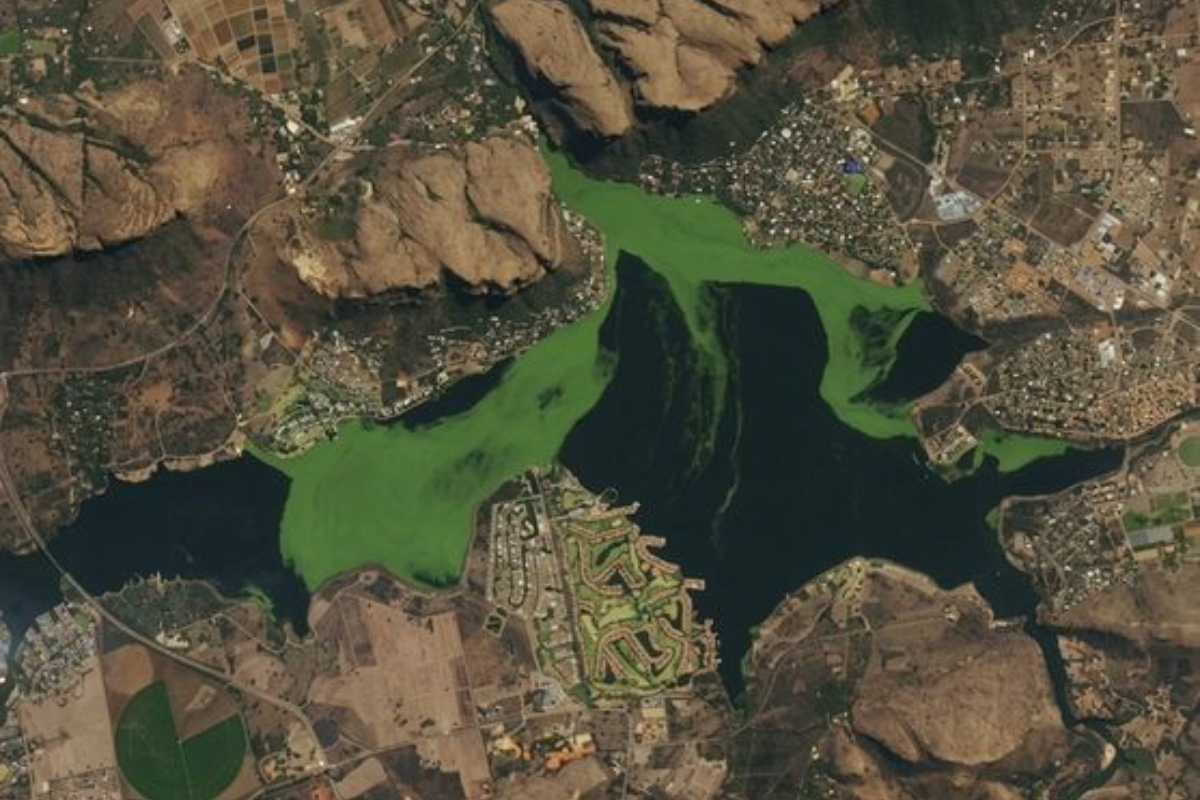
Behind the striking image released by NASA, there is a problem that has been dragging on for decades: nutrient pollution, invasive plants, and a reservoir increasingly close to environmental collapse.
A satellite image has caught the attention of experts and turned the world’s eyes to a serious environmental problem in South Africa. From space, NASA recorded an extensive green patch covering part of the surface of the Hartbeespoort Dam, a reservoir located near Pretoria.
At first glance, the scene may seem like just a natural phenomenon or a common change in water color. But, according to experts, what appears in the image is a sign of an old and dangerous imbalance, with direct impacts on aquatic life, water quality, and even public health.
What NASA observed in the reservoir
The image released by NASA’s Earth Observatory shows large green areas spread across the water surface. This intense and striking aspect reveals an environment overloaded with nutrients, a condition that favors the accelerated growth of organisms on the surface.
-
A YouTuber who was trying to recreate piece by piece the mechanism of the oldest computer in the world ended up helping scientists uncover how it, lost for about 2,000 years, likely measured time with impressive accuracy.

-
Retired airplanes are worth billions: behind the “junkyard,” a strict industrial process dismantles each part, recovers metals and electronics, transforms fuselages into clean raw materials, and returns value to the global industry.

-
While NASA is completing its first crewed flight around the Moon in over 50 years with Artemis II, China has set in motion the Tianwen-2 mission to capture up to 1 kg of material from an asteroid possibly linked to the Moon and bring it back to Earth in 2027 on a 10-year journey to deep space.

-
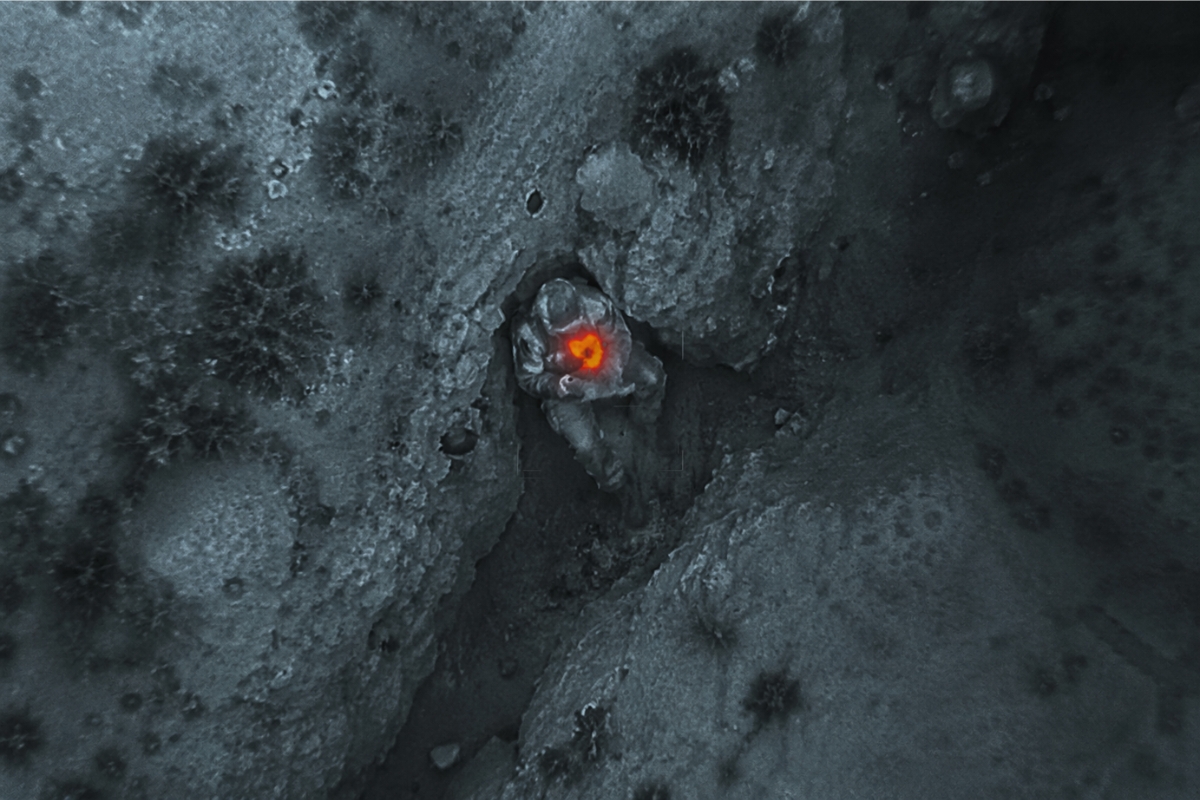
The USA would have located a downed pilot in Iran using technology capable of identifying the electromagnetic signature of the human heart from up to 60 km away.
This process is known as hypereutrophication. In simple terms, it occurs when water receives excessive amounts of substances like nitrogen and phosphorus, creating an ideal scenario for the uncontrolled multiplication of algae, cyanobacteria, and aquatic plants.
According to Bridget Seegers, a scientist affiliated with the Goddard Space Flight Center, the effect is comparable to that of a garden receiving excessive fertilizer: the more nutrients, the greater the biological growth tends to be. The problem is that, in aquatic environments, this “excess of life” can cause severe damage to the ecosystem.
It is not just algae: invasive plants are also advancing
The green mass observed over the dam is not formed solely by algae. It also includes invasive species of aquatic plants, such as Pontederia crassipes and Salvinia minima, known for forming dense layers over the water.
When these plants spread, they create a kind of vegetative carpet on the surface. This reduces light penetration into deeper layers, interferes with the natural circulation of water, and hampers the oxygenation of the environment.
Over time, this blockage affects the entire ecological balance of the reservoir. The water ceases to adequately support various forms of life, and more sensitive organisms begin to suffer the consequences first.
Lack of oxygen threatens fish and other species
One of the most concerning effects of this process is the formation of so-called dead zones. In these areas, the level of dissolved oxygen in the water drops so much that fish and other aquatic animals struggle to survive.
As fish depend on the oxygen present in the water to breathe through their gills, any sudden change in this balance can lead to mass suffocation events. Without safe areas to migrate to, many end up trapped in an increasingly hostile environment.
This risk has ceased to be just a hypothesis. In April 2023, part of the reservoir recorded a drop in oxygen associated with the death of a large number of fish, including hundreds of large carp.
Months later, in November 2025, new signs of crisis were reported, with fish seeking air near the surface. The pattern indicates that the problem remains active and reappears at different times, reinforcing the gravity of the situation.

An old problem that has lasted for decades
The Hartbeespoort Dam has not faced this situation for a short time. Built in the 1920s, about 40 kilometers from Pretoria, it has been experiencing persistent episodes of hypereutrophication for nearly half a century.
There was a temporary improvement in the 1990s when a bioremediation program was implemented to try to recover water quality. The results were considered positive, but the initiative was ultimately halted due to high costs.
Since then, the reservoir has shown continuous signs of degradation. The accumulation of nutrients, combined with the presence of invasive plants, keeps the dam in a state of difficult-to-control imbalance.
Where the contamination comes from
A study published in 2022 analyzed data from several decades and pointed to the Crocodile River as the main source of the material that feeds this degradation. The watercourse carries nutrient-rich waste from human activities to the reservoir.
Among the main sources are agricultural areas and golf courses, where the frequent use of fertilizers contributes to increasing the concentration of compounds like phosphorus and nitrogen. When they reach the reservoir, these elements further drive the growth of algae and aquatic plants.
This type of pollution is particularly difficult to combat because it does not depend on a single discharge point. It spreads across different areas of the landscape and is slowly carried by water until it reaches the lake.
Impacts go beyond aquatic fauna
The effects of the problem are not limited to fish. When water undergoes this type of deterioration, human supply can also be affected, as it becomes necessary to remove additional toxins and impurities before consumption.
Moreover, contact with this water can pose risks to people and animals. Experts warn of the possibility of skin irritations in water sports participants and even cases of poisoning in dogs exposed to the contaminated environment.
The image seen from space, therefore, is more than an impressive portrait. It serves as a visible alert of a silent process that compromises an entire ecosystem and demands continuous attention.





Seja o primeiro a reagir!