





 Portuguese
  English
  Spanish
  2 min of reading
  0 comments


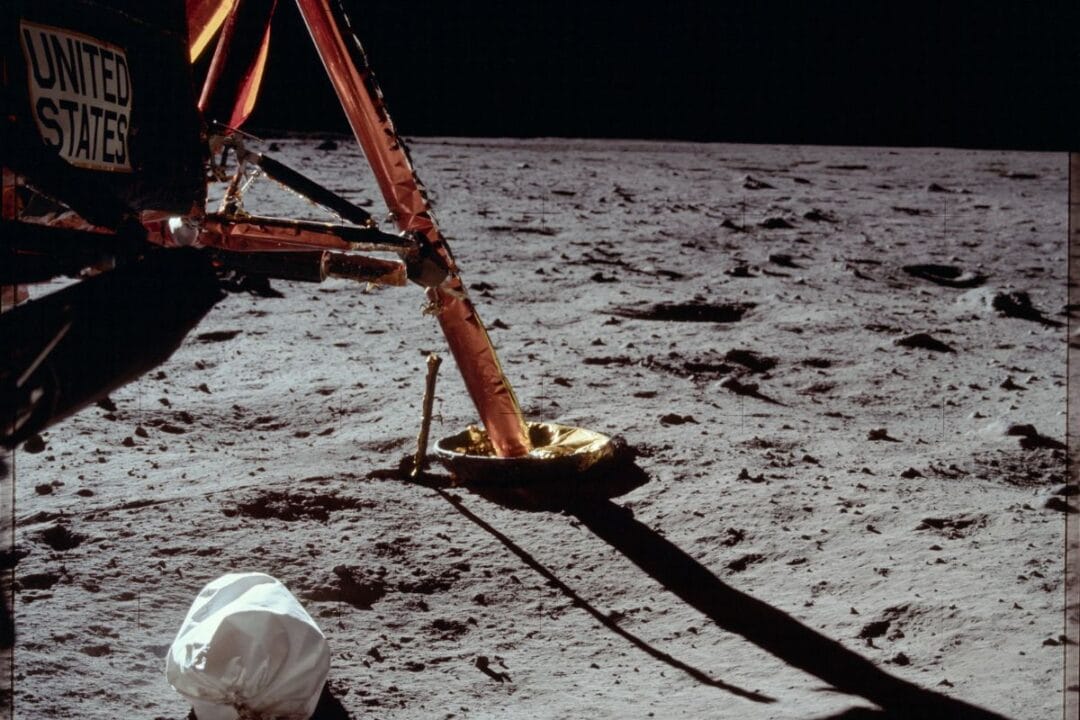
NASA’s “LunaRecycle” Challenge Aims to Transform Astronaut Waste from Apollo Missions into Water, Energy, and Fertilizers; Winning Proposal Will Be Implemented in the Artemis Program.
NASA is willing to pay US$ 3 million to anyone who can solve a nasty but scientific problem: recycling 96 bags of feces, urine, and vomit left on the Moon by astronauts from the Apollo missions between 1969 and 1972. The material, abandoned over half a century ago to reduce weight in the spacecraft, could now turn into an essential resource for future lunar bases.
The bags, discarded during the six Apollo missions that landed on the Moon, contain about 250 kg of human waste. According to NASA, the challenge is to transform them into water (H2O), gases like methane and hydrogen (for energy), or fertilizers, using technology applicable in space.
How to Turn Feces into Energy? NASA Seeks Innovative Solutions

The “LunaRecycle Challenge” requires that proposals meet strict technical criteria:
-
Something is happening around the Earth: Inside the huge explosion of fireballs in 2026

-
A hot air bubble coming from Argentina expands over Brazil, causing thermometers to exceed 38 degrees with a thermal sensation of 40 degrees in late March, affecting 6 states at once.

-
The radish leaf that almost everyone throws away has more polyphenols, flavonoids, and fiber than the consumed root, and a 2025 study showed that the leaf contains compounds that protect the intestine, combat inflammation, and may inhibit the growth of cancer cells.
-
A planet that seemed to defy the laws of physics has intrigued scientists for decades, until the James Webb revealed what is really affecting Saturn’s rotation.
- Process waste in a lunar environment (temperatures from -170°C to 120°C and extreme radiation);
- Ensure energy efficiency (maximum 1 kWh per kg of waste);
- Extract at least 50% of recyclable water per bag.
Apollo Missions vs. Artemis: The Legacy of Waste in Space Exploration
During Apollo 11, Armstrong and Aldrin left on the Moon not only footprints but also 12 bags of excrement. Now, with the Artemis program planning permanent bases by 2030, NASA wants to avoid the accumulation of biological waste. “We want lunar sustainability,” the agency stated in a press release.
LunaRecycle Challenge: Technical Criteria and a Prize of US$ 3 Million
Entries for the challenge will be accepted until September 2025. NASA will divide the prize into three phases:
- US$ 1 million for the best functional prototype;
- US$ 1.5 million for testing in a simulated environment;
- US$ 500,000 for integration into real missions.
Besides the risk of contamination by terrestrial bacteria, the bags represent a unique opportunity to study the survival of microorganisms in space. Preliminary technical data suggest that some of the material is still preserved, protected by the lunar vacuum.
If the “LunaRecycle” succeeds, NASA will not only solve a historical problem but also create a landmark for missions to Mars. As an agency engineer highlighted: “In space, even poop becomes a strategic resource.”







Seja o primeiro a reagir!