





 Portuguese
  English
  Spanish
  3 min of reading
  0 comments


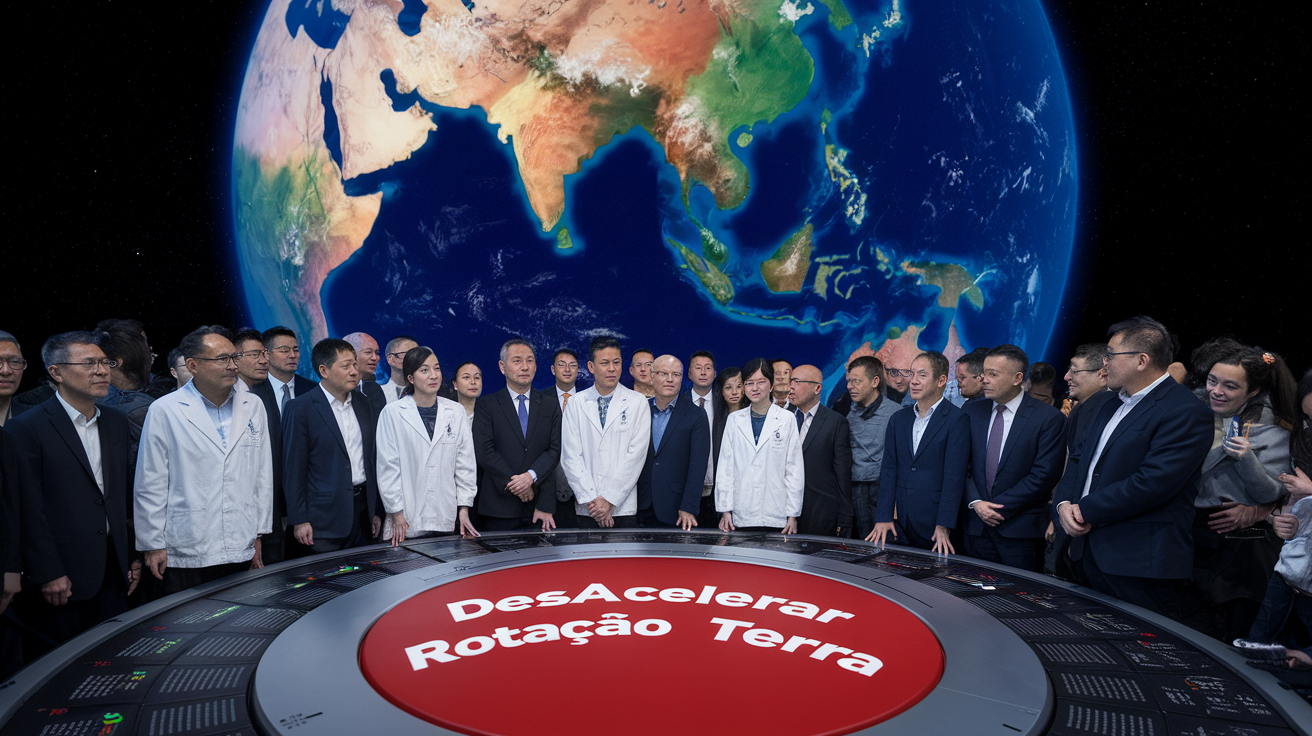
Can China Slow Down Earth’s Rotation? Understand How NASA Discovered That A Huge Chinese Project Is Impacting Our Planet’s Movement.
The Three Gorges Dam, located in China, is widely recognized as one of the greatest wonders of modern engineering. However, its impact on the planet may be much more significant than previously thought. According to NASA studies, the act of filling this gigantic dam has the potential to slightly slow down Earth’s rotation. While this idea may sound like it came straight out of a science fiction movie, it is grounded in solid physical principles and detailed scientific analyses that take into account the displacement of large masses of water and their effects on the planet’s balance.
The dam, which is the largest in the world, stores approximately 39 trillion liters of water at full capacity. This colossal volume of water displaces the planet’s mass, slightly altering Earth’s weight distribution. According to experts, this can impact the planet’s rotation, prolonging days by fractions of a millisecond. Although this may seem insignificant, these changes can have cumulative effects over time and raise questions about the environmental impact of megaprojects like this.
Where Did The Idea That China Can Slow Down Earth’s Rotation Come From?
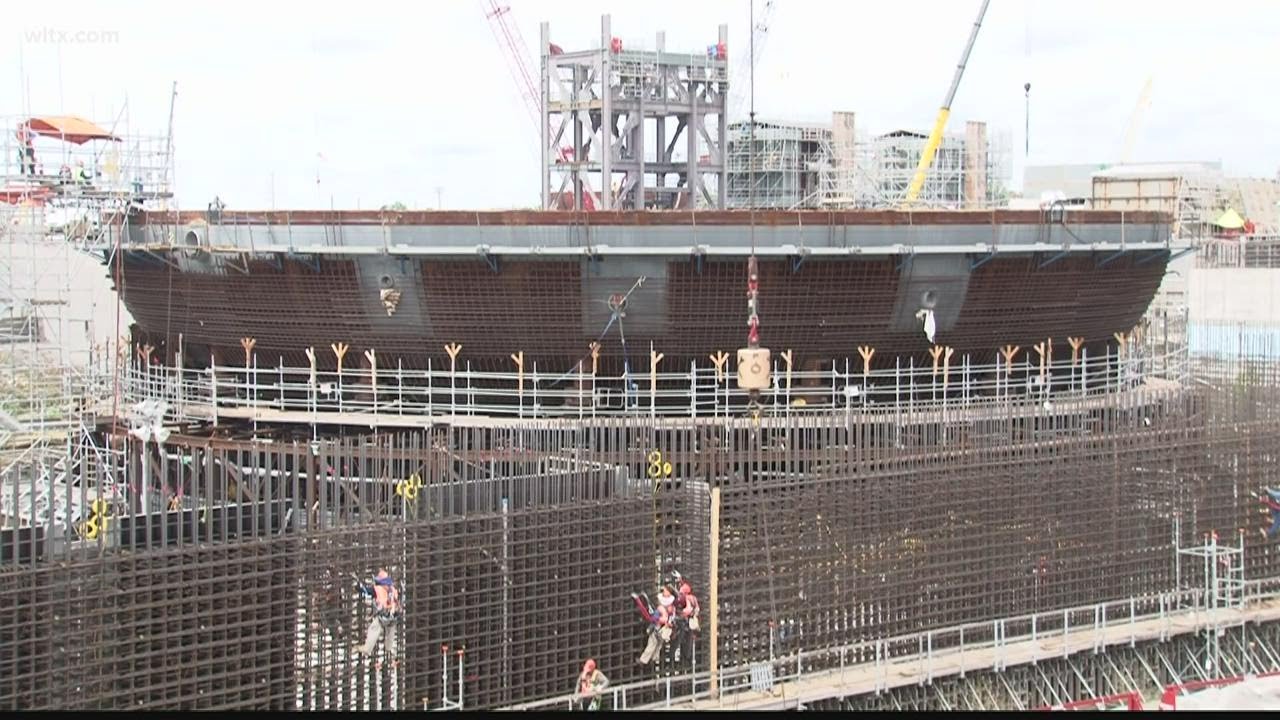
The Three Gorges Dam, located on the Yangtze River in Hubei Province, is the world’s largest hydroelectric power plant. Its construction took nearly 18 years and was completed in 2012. With a length of 2,335 meters and a height of 185 meters, this colossal structure can retain up to 40 cubic kilometers of water, or 40 billion liters. It is this massive body of water that, according to NASA, may impact the planet’s rotation.
-
Expedition 501: Scientists drill into the ocean floor and discover a giant reserve of fresh water hidden beneath the sea, extracting nearly 50,000 liters and revealing an invisible system that could reshape the map of water scarcity.
-
Archaeologists find an intact tomb over 2,500 years old, with more than 100 preserved objects, weapons, jewelry, and human remains never touched.
-
Volcanic lava transforms into threads as fine as human hair that travel over 30 kilometers by wind and fall like cutting rain on roofs and backyards in Hawaii and Iceland.
-
NASA issues a warning for the feared Godzilla El Niño that could change the planet’s climate in 2026 with extreme warming of the Pacific capable of causing devastating droughts in some regions and historic floods in others simultaneously.


The idea that China can slow down Earth’s rotation with the Three Gorges Dam originated from a NASA publication in 2005. At the time, researchers were studying the impact of the 2004 earthquake and tsunami in the Indian Ocean on the planet’s rotation.
They discovered that this earthquake, by displacing tectonic plates, had altered the mass distribution on Earth’s surface and, consequently, its moment of inertia. The moment of inertia is a physical quantity that characterizes how resistant a body is to changes in its rotation.
Understand How China Can Slow Down Earth’s Rotation
To illustrate this concept, we can use the example of a figure skater who, by pulling their arms close to their body, increases their rotation speed. Similarly, Earth’s rotation can be modified by changes in its mass distribution.
NASA scientists demonstrated that the 2004 earthquake reduced the length of a day by 2.68 microseconds.


In theory, China can slow down Earth’s rotation, given that a massive displacement of water, like that generated by the Three Gorges Dam, could have a similar effect.
Dr. Benjamin Fong Chao, a geophysicist at the Goddard Space Flight Center at NASA, explains that filling the dam could shift Earth’s pole position by about 2 centimeters and slow down Earth’s rotation, thereby increasing the length of a day by 0.06 microseconds.
Impacts Of These Changes Around The World
China can slow down Earth’s rotation, and despite these changes being minimal, they are nonetheless significant. They demonstrate the impact that human activities can have on the planet, even on a scale as vast as Earth’s rotation.
In fact, climate change, by causing ice melt at the poles and rising water levels in tropical regions, is also altering the mass distribution on Earth and, consequently, its rotation. The melting of ice leads to a transfer of mass from the poles to the equator, slowing down Earth’s rotation.
It is important to note that NASA researchers had already observed a slowdown in Earth’s rotation even before the construction of the Three Gorges Dam. This is primarily due to the gravitational pull of the Moon and other natural factors. However, the impact from China may slow down Earth’s rotation, even if only slightly, contributing to a general trend of slowing down the planet.





-

-

-

-

4 pessoas reagiram a isso.