





 Portuguese
  English
  Spanish
  3 min of reading
  1 comment





NASA’s Perseverance Rover Identifies Water, Organic Compounds, and Chemical Energy in Martian Soil, Rekindling the Search for Past Life on Mars.
NASA has just revealed a discovery that could revolutionize our understanding of Mars and its past. The Perseverance rover, which has been exploring the Red Planet since 2021, found a set of evidence in the soil of a site called Jezero Crater. This “trio” includes the presence of water, organic compounds, and a source of chemical energy, essential elements for life.
The data collected suggests that past life on Mars may have been more than just a dream for astrobiologists. However, the space agency emphasizes that there are still doubts regarding these conclusions, requiring deeper studies.
NASA Makes Surprising Discoveries in Jezero Crater
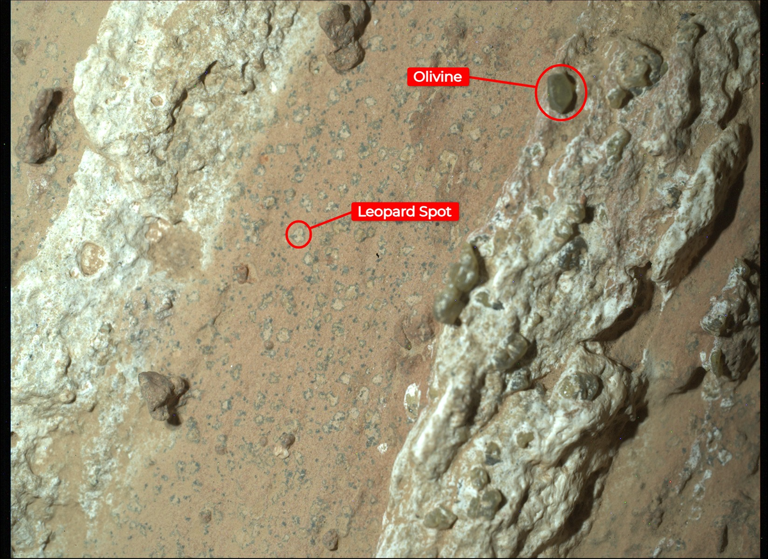
Perseverance found a unique rock, nicknamed “Cheyava Falls,” which exhibits intriguing characteristics. This formation contains veins of calcium sulfate, clear signs of the presence of water in the past. Moreover, the rock shows organic compounds detected with state-of-the-art instruments such as SHERLOC and PIXL, which analyze minerals in detail.
-
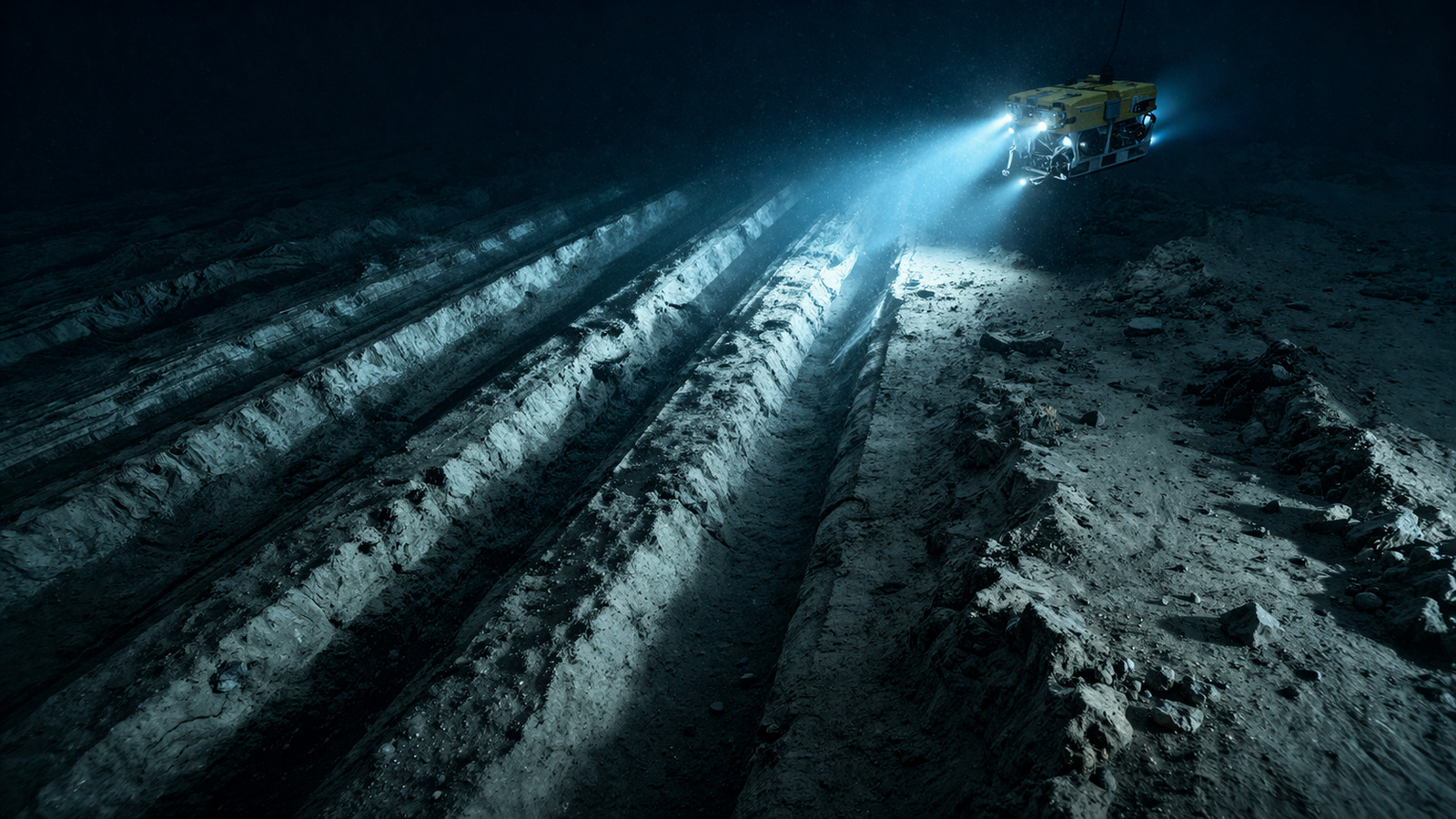
Scientists have found in the dark depths of the North Sea giant marks from 18,000 years ago left by colossal icebergs, and the discovery could help predict the future of Antarctica.
-
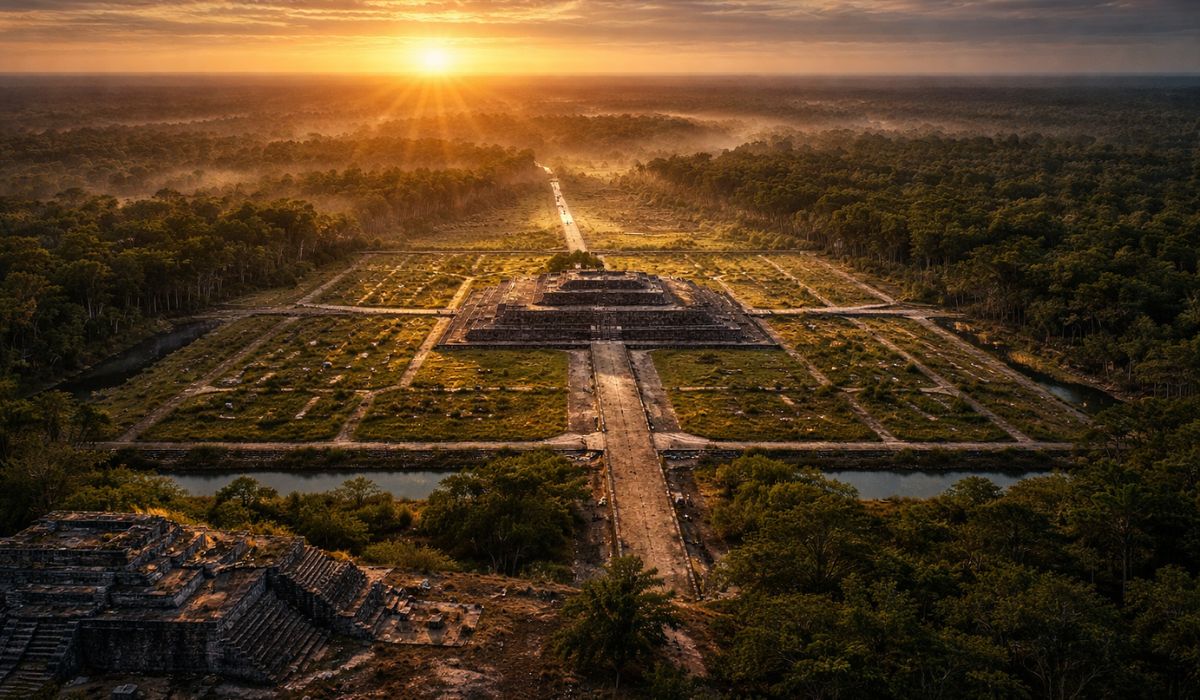
In Mexico, a 3,000-year-old Maya site with the dimensions of an entire city may have been built as a colossal map of the cosmos, created to represent the order of the universe and reveal how this people organized space, time, and rituals.
-
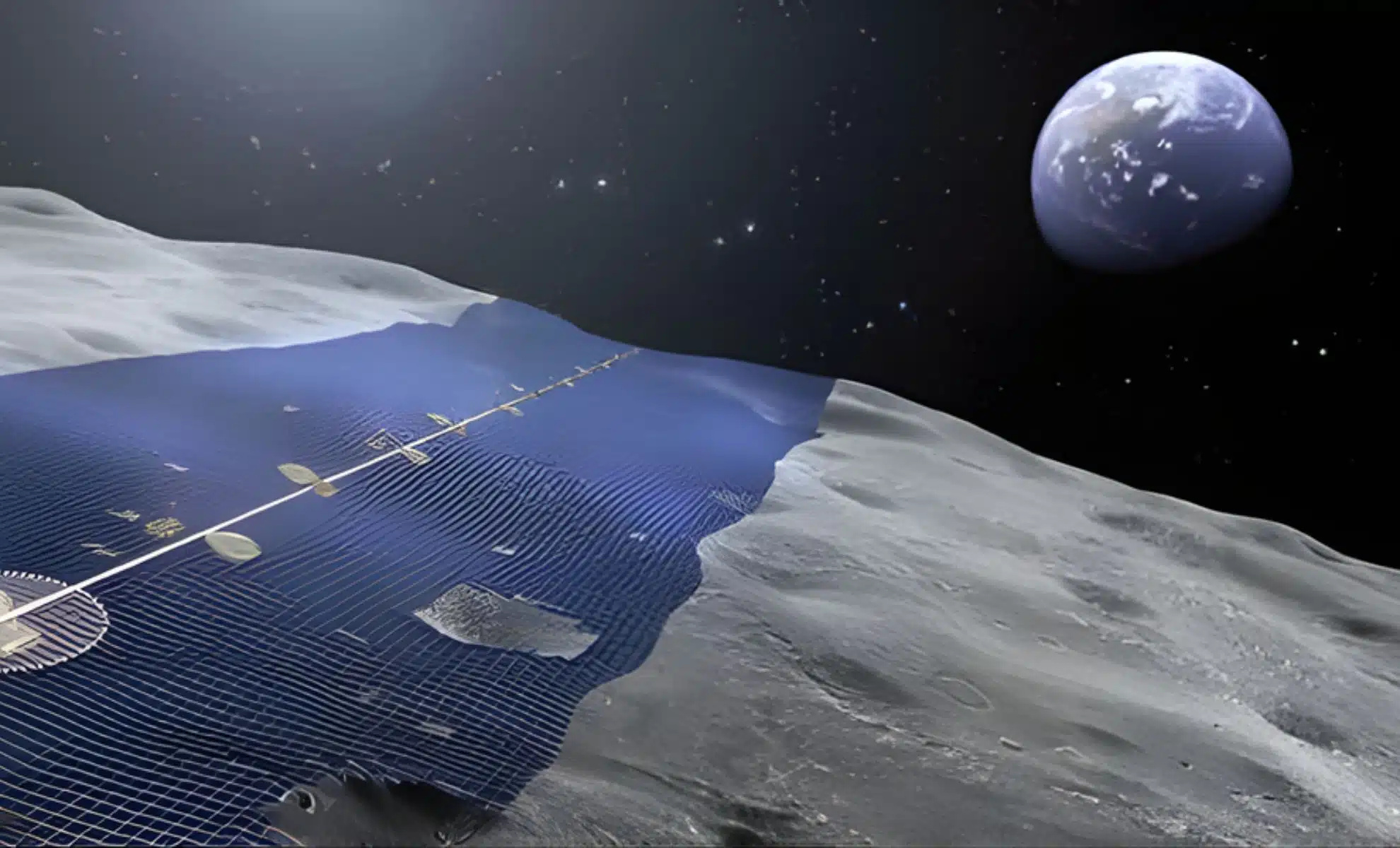
Japan wants to build a solar ring of 10,900 kilometers on the Moon to continuously send energy to Earth.
-
Weighing almost 1 ton, with temperatures of up to 3,000°C, the ability to launch 10,000 fragments within a radius of 1 km, capable of penetrating concrete and melting steel, Turkey’s terrifying bomb emerges as one of the most destructive non-nuclear weapons ever presented.


Another notable point is the presence of “leopard spots,” which may indicate chemical reactions capable of providing energy for potential microbes. Although these findings are exciting, NASA is still studying other possible explanations for the phenomena, such as volcanic activity.
Why Is This Discovery So Special?
NASA had previously identified signs of water on Mars, but this is the first time that three crucial elements—water, organic compounds, and chemical reactions—have been found in the same location. According to Ken Farley, a scientist on the Perseverance project, “Cheyava Falls is the most intriguing and potentially important rock analyzed so far.”
This discovery raises the possibility that Mars had conditions favorable for life billions of years ago. However, to definitively confirm whether past life on Mars actually existed, NASA will need to bring samples back to Earth for study.
Challenges for the Future
While exciting, the idea of bringing these samples back for study faces financial and technical barriers. It is estimated that a collection and transport mission would cost around 11 billion dollars. Analysis in terrestrial laboratories would be crucial to uncover whether the organic compounds and minerals found truly resulted from microbial activity.
This is not the first time Mars has shown intriguing signs. In 2017, the Curiosity rover found high concentrations of manganese, an element associated with the presence of oxygen and possible microbes. However, as in the current case, alternative explanations still hinder definitive conclusions.
A Step Towards Definitive Answers?
Perseverance, nicknamed the “six-wheeled geologist” by NASA, continues to be essential in the search for answers. Although it does not have a laboratory onboard, the rover collects samples for future missions, keeping the dream of understanding Mars’ past alive.
If past life on Mars really existed, the clues are closer than ever. In the meantime, the discoveries continue to fuel human curiosity and the desire to explore the unknown.
This discovery reinforces that Mars still has much to reveal. NASA continues to advance in its mission, and each new piece of evidence brings us closer to answering the eternal question: Are we alone in the universe?









OS EXTRATERRESTRES SOMOS NOS, OS TERRAQUEOS, VIEMOS DE UM PLANETA QUE SE ACABOU E PASSAMOS A VIVER AQUI. E NOS OS TERRAQUEOS ESTAMOS ACABANDO COM O NOSSO PLANETA.
PRA ONDE IREMOS AGORA?
O HOMEM NUNCA VAI DESCOBRIR A VIDA NO ESPACO.
POIS A VIDA SOMOS SOMENTE NOS.