





 Portuguese
  English
  Spanish
  6 min of reading
  1 comment


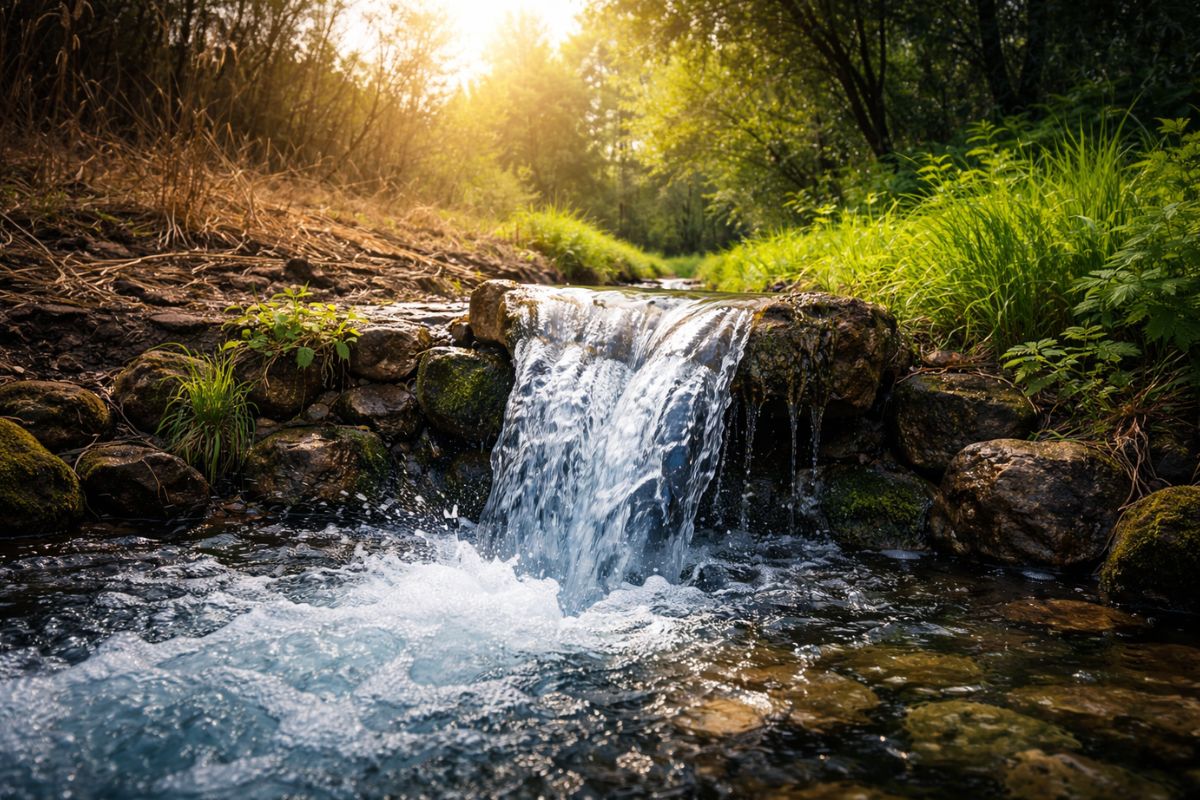


In A Refurbished Area In The Interior, The Spring That Was Almost Dying Began To Flow Again After Three Years Of Soil Conservation. With Restored Pasture, Brachiaria Sprouting, Lime Incorporated, And Terraces Holding Water, The Rain Stopped Flowing Downhill, Soaked In, And Reactivated The Local Aquifer.
On A Farm Called Jacarandá, Located In The Municipality Of Cascalho Rico, MG. In The Triângulo Mineiro Region, A Spring That Was Already At Its Limit, With Little Or No Water, Began To Flow Again In Just Three Years After The Highest Part Of The Area Underwent A Complete Management Overhaul. What Once Was Runoff Flowing Down The Hill, Carrying Soil And Causing Erosion, Became Water Soaking Into The Soil Profile And Reaching The Aquifer.
The Turnaround Happened With A Sequence Of Simple And Well-Connected Actions: Correcting Poor And Rocky Soil, Reforming Pasture With Brachiaria, Terracing To Contain Water And Reduce Flow Speed, And, As The Next Planned Step, Reinforcing Organic Matter With Chicken Bedding To Enhance Recovery. The Logic Was To Keep The Water Where It Falls Instead Of Letting It Run Downhill.
The Initial Scenario: Water Flowing Away And Soil Being Carried Along

The Project Is Managed By The Channel Didática Agrícola. The Upper Area Had A Classic Problem Of Sloped Land Without Efficient Conservation: When The Rain Hit Hard, The Water Rushed Down Quickly And Concentrated, Carrying Soil With It. The Result Was Not Just A Visual One Of “Washed Land.” It Was A Direct Loss In Two Points At The Same Time.
-
These living root bridges and ladders are over 700 years old and help indigenous people survive in one of the rainiest regions in the world.

-
From sertanejo star to international investor: Ana Castela invests millions in a mansion in the USA, creates a themed accommodation in Orlando, and shows that the “boiadeira” also wants to grow away from the stage.

-
The 10 most stunning motorhomes in the world: a $3 million trailer with a rooftop nightclub and garage for a Ferrari, “palaces on wheels” with Italian marble, private cinema, and five-star hotel luxury for billionaires.

-
Trump wanted to spend $400 million on the White House, but the courts prohibited the million-dollar construction.


First, The Water Did Not Infiltrate Enough. It Flowed Over The Surface, Gaining Speed And Disappearing Downhill. Second, This Same Flow Carried Soil Particles, Especially The Sandier Parts, Creating A Trail Of Sediments That Accumulated In The Lower Area. Instead Of Recharging The Underground System, The Rain Became Erosion And Burying.
The Upper Part Was Treated As The Source Of The Problem
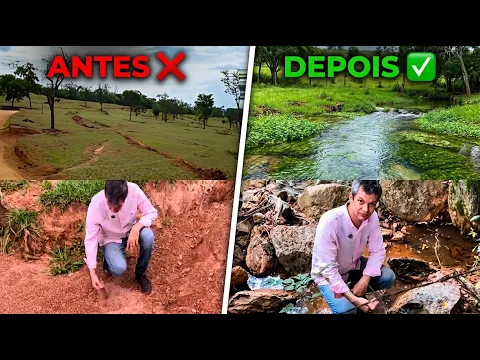

The Recovery Began In The Highest Area, Where The Management Was Described As A Complete Overhaul Of The Pasture. The Goal Was Not Just To “Plant Grass.” It Was To Rebuild The Conditions For The Soil To Retain Water Again.
Even Though It Was An Extremely Poor Soil, With A Lot Of Gravel And Rock, The Strategy Was To Correct The Base. Lime Was Applied And Incorporated Into The Soil, Creating Better Conditions For Planting The Pasture. The Brachiaria Was Sown And Began To Sprout.
The Expectation Is That, Over Time, The Area Will Become “Full,” Closed, With Continuous Cover. Living Cover On The Ground Means Less Impact From Rain, Less Runoff, And More Infiltration.
Brachiaria And Cover: The Ground Needs To “Close” Again
Brachiaria Is Cited As A Practical Piece Of The Process Because It Creates Green Mass, Covers The Soil, And Helps To Reduce The “Impact Point” Of Raindrops. In Fragile Terrain, Every Heavy Rain Becomes A Hammer Breaking Soil Aggregates And Dislodging Particles.
When The Pasture Begins To Close Up, The Water Begins To Meet Resistance And Have Time To Enter The Soil. Infiltration Increases Because The Surface Runoff Loses Strength. This Changes The Water’s Destination: Instead Of Running, It Enters.
Terracing: The Work That Held Water On The Hill
The Terracing Represents The Structural Turnaround. The Terraces Were Built About Two Years Ago, Even Before The Entire Pasture Overhaul Was Complete, And They Already Had A Significant Effect: Holding Water That Once Flowed Downhill.
In Practice, Terracing Acts As A Brake. The Water Stops Behaving Like A Continuous Flood And Is “Held” In Steps, Spreading And Infiltrating. This Detail Is Crucial Because Infiltration Does Not Depend Solely On Soil. It Depends On Time. The Water Needs To Stop Long Enough To Enter The Soil Profile.
The Recharge Of The Aquifer: The Invisible Path That Brought The Spring Back
With The Water Contained And Infiltrating, It Begins To Move Down Through The Soil Profile And Reaches The Aquifer. This Underground Reservoir, When Recharged, Begins To Sustain The Natural Water Output Below, Within The Denser Forest Area.
This Is Exactly The Logic Revealed In The Report: The Water That Falls In The High Area Stays There, Soaks In, Reaches The Aquifer And, Over Time, Is Able To Provide Water To Feed The Spring That Was Almost At The End Of Its “Useful Life.” It Is Not Magic. It Is Underground Storage Being Reconstructed Step By Step.
What Was Happening Down Below: Sand, Sediment, And The Burying Of The Spring
In The Lower Area, Inside The Forest, Signs Of What Was Happening Before Can Still Be Seen. The Water Came Loaded With Soil And Sand, And This Material Accumulated Right Where The Water Should Be Flowing. The Effect Was Twofold: It Burying The Outlet And Reinforcing The Idea That “The Spring Died,” When In Fact The System Was Disorganized.
The Strongest Point Of The Report Is The Direct Comparison: There Was A Period When The Water “Had Not Been Flowing For Some Time,” And Even In Heavy Rain, What Came Was Runoff With Soil Flowing Down The Hill, Without Recharging The Aquifer. The Water Passed By Quickly, It Did Not Pass By Nourishing.
Three Years Later: Water Returned To Appear Where It Originated
After Three Years Of Conservation Management, Terraces, And Pasture Overhaul, The Result Became Clear On The Ground. The Place That Was Completely Dry, Even During The Rainy Season, Began To Have Water Again.
The Difference Is Not Just That “Water Appeared.” It Is In The Way It Appears. Before, The Water Came As An Aggressive, Surface Flood, Carrying Material. Now, The Water Arrives From Below, Via The Aquifer. This Indicates That The System Has Returned To Functioning As A Spring, With The Aquifer Surfacing And The Beginning Of Natural Flow.
No Runoff, With Infiltration: The Change That Protects The Soil And Delivers Water
An Important Detail Is The Practical Phrase That Summarizes Everything: There Is No More Runoff. All The Water Is Arriving Via The Aquifer. This Change Is Often The Watershed Moment In Degraded Areas.
When The Water Stops Descending As Runoff, Erosion Decreases, The Soil Stops “Moving” Downhill, And The Lower Area Stops Receiving Sediment. At The Same Time, Recharge Increases, And The Spring Gains Strength To Resume Supplying The Stream Below. It Is The Recovery Of Soil And The Recovery Of Water Happening Together.
The Chain Reaction: Sustainable Pasture And Water Returning To The System
The Management Was Not Designed Just To “Save” The Spring. It Also Helps To Maintain The Pasture For A Longer Time, Because The Water Stays In The Soil Profile. When The Soil Retains Water, The Plant Suffers Less, And The Area Enters A More Stable Cycle.
And There Is A Clear Next Step Mentioned: Applying Chicken Bedding To Enhance Organic Matter.
This Points To A Reinforcement Of Structure And Fertility, Which Tends To Further Improve Infiltration And Water Retention. It Is The Kind Of Adjustment That Strengthens The System Beyond The Initial Result.
A Farm That Is Not Just About Cattle
The Report Also Indicates A Shift In Mentality: The Farm Is Not “Just A Producer, Just Of Cattle Production.” The Recovery Of The Area, The Care With Conservation, And The Valuation Of Water Show A Broader Vision Of What Sustains The Property.
When The Water Returns, The Territory Begins To Breathe Again. And When The Soil Stops Running Away In Runoff, The Area Stops Losing Its Future With Each Heavy Rain. The Spring Turning Into Water Again Is, In Practice, The Sign That The System Has Resumed Functioning.
In Your Region, Have You Ever Seen A Spring Disappear Due To Runoff And Erosion, Or Is There Still One That Can Be Recovered In The Same Way?







ONDE ISTO ACONTECEU ?????