





 Portuguese
  English
  Spanish
  5 min of reading
  0 comments


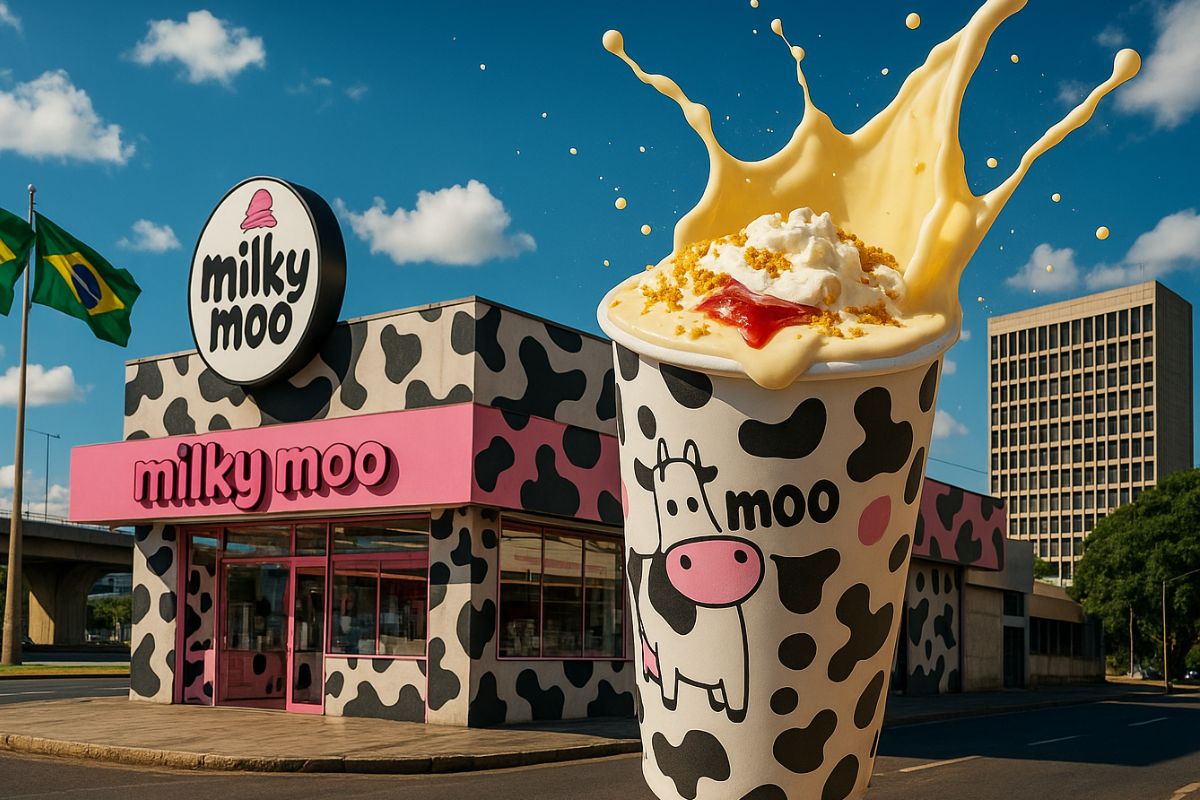
The Journey of MilkMu Begins in Goiânia, Accelerates During the Pandemic with a Simple and Scalable Operation, and Reaches Abroad While Maintaining Focus on a Unique Product, Franchise Expansion, and Growth Governance with Aggressive Goals
MilkMu transforms a classic fast food item into a core business: the milkshake as the central product, with a charismatic brand, lightweight and standardized operation. Founded on March 2, 2020, by Lohan Soares and partners, the chain evolved from a first store in Goiânia to hundreds of units in Brazil, maintaining the thesis that there was unexplored space for the prominence of milkshakes.
The plan was built to scale from day one. Instead of diluting focus with extensive menus, MilkMu invested in a single product designed for repeatability, experience, and brand. Operational simplicity adds to process standardization, allowing accelerated growth, presence in multiple formats, and ongoing international expansion.
Origin in Goiânia and the Thesis of Prominence
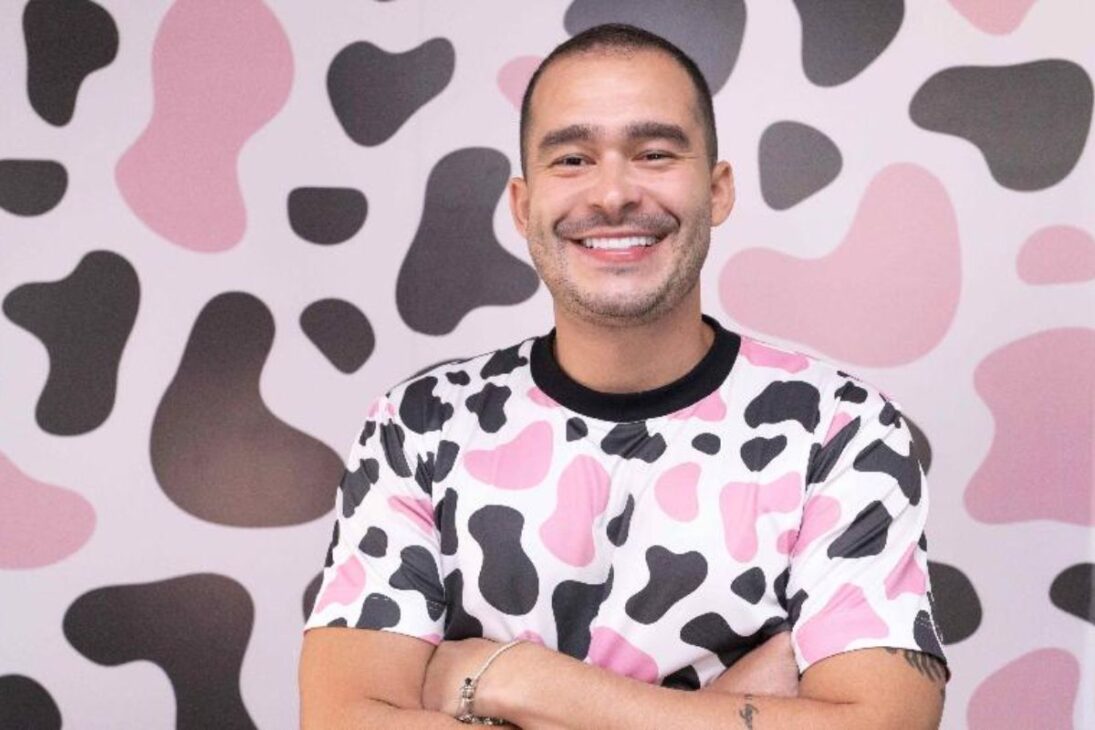
The first unit was opened in Goiânia with an investment of R$ 120,000, split between Lohan Soares and partner Paulo Sérgio. The entry into the food sector came after the founder’s previous experience in footwear and services, adding branding and customer service vision.
-
Oil surged to $115 a barrel due to the war in the Middle East, and diesel in Brazil has already risen to R$ 7.45 per liter, while the United States…

-
Brazilian city bets on the business environment to generate jobs and attract investments in the energy sector — secretary reveals strategy at Macaé Energy 2026.

-
50 viaducts, 4 tunnels, 28 bridges, and 40 kilometers of bike paths: BR-262 in Espírito Santo will receive 8.6 billion reais for the largest engineering project in the state’s history, inspired by the Immigrant Highway in São Paulo.

-
Brazil produces too much clean energy and doesn’t know what to do with it: over 20% of solar and wind capacity was wasted in 2025 while investors flee and 509 renewable generation projects were abandoned in the last year.


The market reading was straightforward: the milkshake was a supporting actor and there was space to make it the protagonist.
The brand focused on accessible identity, simple language, and emotional connection. Each order calls the customer by name, raising the service standard.
The goal has always been scale, avoiding the “just another store” model and aiming, from the outset, for goals of dozens and later hundreds of units.
From Lockdown to Scale: Expansion Timeline
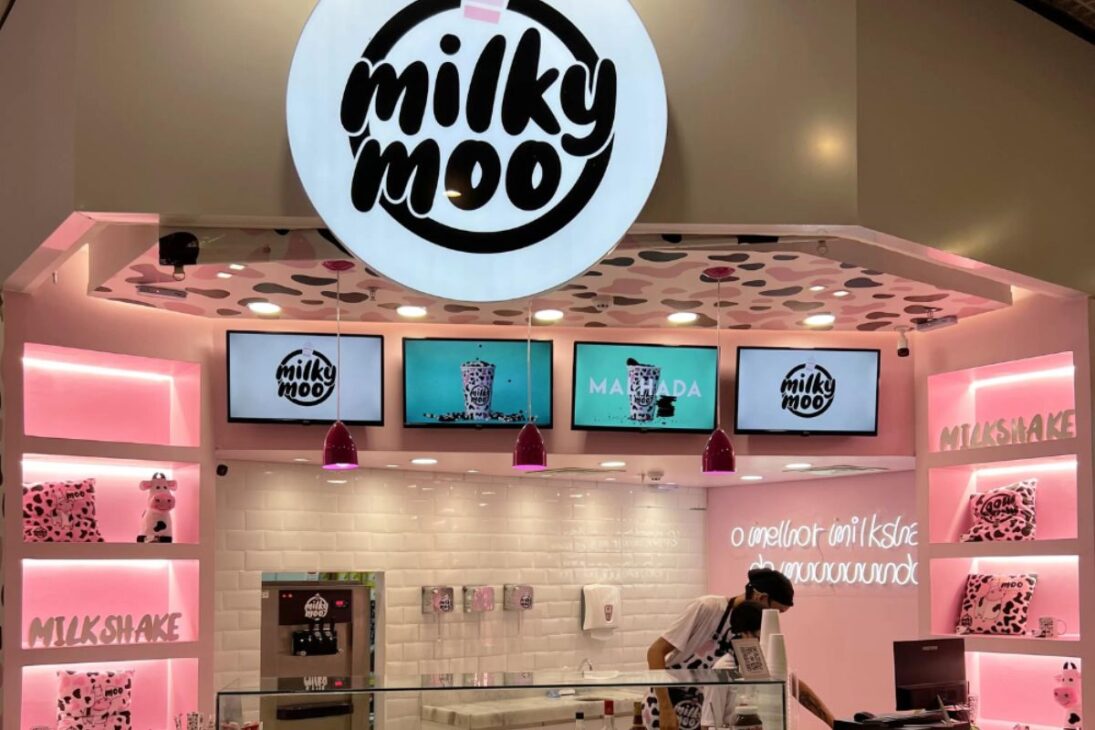
MilkMu was born 17 days before the closure of commerce due to the pandemic. The founding team operated deliveries and counter service to sustain the first operation.
Still in 2020, the chain closed the year with five stores, maintaining the expansion plan. In the second year, the goal of 30 became 39 stores; in 2022, the leap was to 180; in 2023, to 420.
By 2025, the operation reached about 750 stores with a projection to end the year with around 820.
The strategic goal is to reach the “Brazil plateau” of approximately 1,500 stores between 2026 and 2028, aligning opening capacity, support for franchisees, and maintaining standards.
Operational Model and Discipline of the Single Product
By opting for a single product, the chain minimizes stock and kitchen complexity, accelerates training, and ensures consistency.
The design of the cup, the names of the flavors, and the service reinforce brand recall. Repeatability reduces variability, improves service time, and facilitates daily management.
The operation was designed to be simple and scalable. Standardized processes, functional layout, and indicators of turnover and quality allow for comparing stores, correcting deviations, and sustaining margins.
The focus on the essential supports speed in openings without sacrificing customer experience.
Delivery as a Lever and Technical Differential
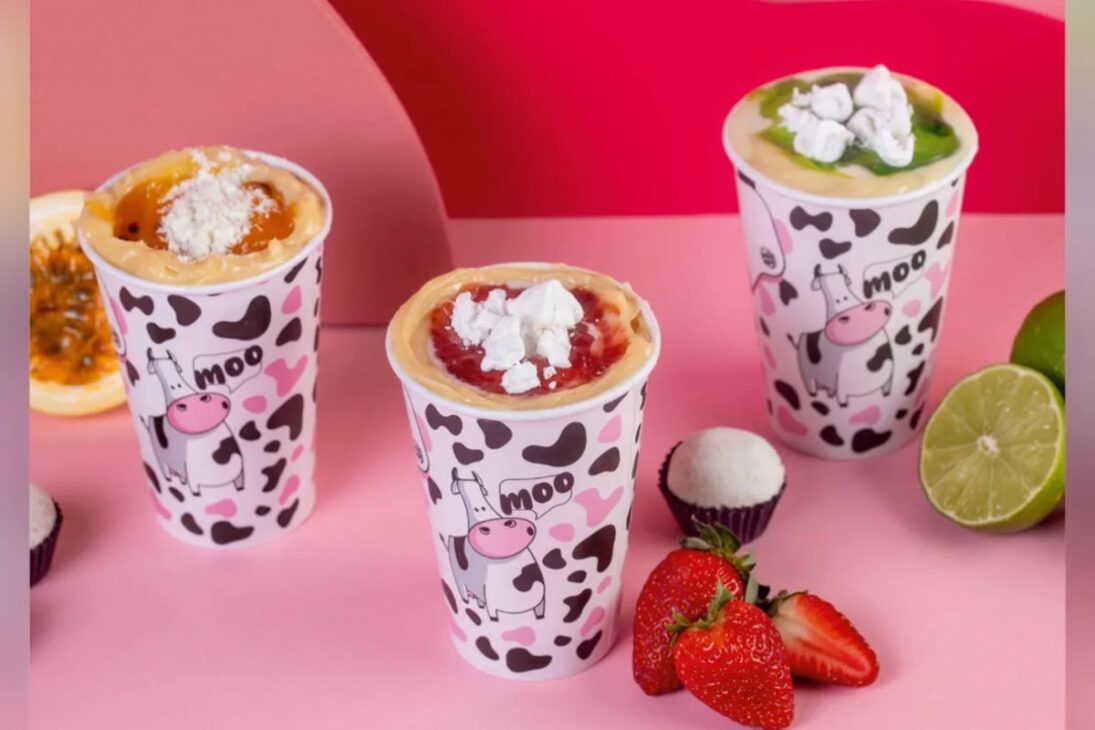
At the height of restrictions, the chain professionalized milkshake delivery, a challenge due to product consistency.
The team adjusted parameters to prevent melting and dilution, maintaining texture during transport. The result was transforming a sensitive item into a leading category in the delivery channel.
From this solution, MilkMu established a presence on platforms and became a performance reference for desserts in delivery in the country.
The learning from the channel continued after reopening, preserving external sales participation and brand reach.
Governance, Capital, and Brand Building
The culture emphasizes service, processes, and branding. Calling the customer by name, standardizing the journey, and maintaining clear language created a recognizable signature. The governance of growth includes an opening schedule, field support, and operational rituals for franchisees.
The initial capital was lean and directed towards a scalable MVP, trading variety for efficiency.
The brand grew with discipline: few promises, consistent deliveries, and closely monitored indicators. The cumulative effect is a network with a cohesive identity and replicable execution.
Internationalization: First Stores and Next Steps
International expansion began with two company-owned stores in Florida, in high-traffic centers, and the registration for franchising in the United States.
There are stores planned for the Orlando region and contracts in progress for Paraguay, forming a second front outside of Brazil.
Advancing outside the country requires operational and legal adaptation. The execution is more complex than the theory, but the choice of own assets in the first openings allows adjustments to the playbook before expanding the franchise base in new markets.
Geography and Formats in Brazil
MilkMu is present in different formats: street stores, metros, and shopping malls. In São Paulo, for example, there are units in stations like Vila Sônia and Ana Rosa, as well as high-traffic points in commercial centers and clubs.
The product has become a destination, not just a purchase for gatherings and celebrations at the stores.
This diversification reduces dependence on a single channel and helps balance seasonality. Each format has its own conversion metrics and ticket, allowing portfolio compositions by city and neighborhood without losing the concept’s identity.
Opening Rhythm and Long-Term Goals
The average established pace over recent years has been between 15 and 20 openings per month, with peaks of multiple openings on the same day.
In practice, the recent historical cadence amounts to two stores every three days, with teams dedicated to implementation, training, and operational kickoff.
Future goals combine growth and stabilization of the base, preparing the chain for the level of 1,500 units in Brazil.
The challenge is to sustain NPS, franchisee profitability, and product quality while new locations enter the map.
Challenges and Next Moves
Growing while maintaining standardization, experience, and margin is the axis of risk and success of the model. The chain addresses this with checklists, quality routines, and cultural reinforcement.
International expansion adds regulatory and logistical layers, which is why the initial curve outside Brazil favors company-owned stores and gradual implementation.
Next steps include consolidating already opened operations, supporting franchisees, and refining the international playbook.
The thesis remains the same: a unique product, memorable and delivered with operational precision, taking the milkshake from a supporting role to the center of the experience.
In your view, what was the deciding factor for the rise of MilkMu: the radical focus on the single product, delivering during the pandemic, or the discipline of expansion with standardized processes?








-

-

-

3 pessoas reagiram a isso.