





 Portuguese
  English
  Spanish
  5 min of reading
  0 comments


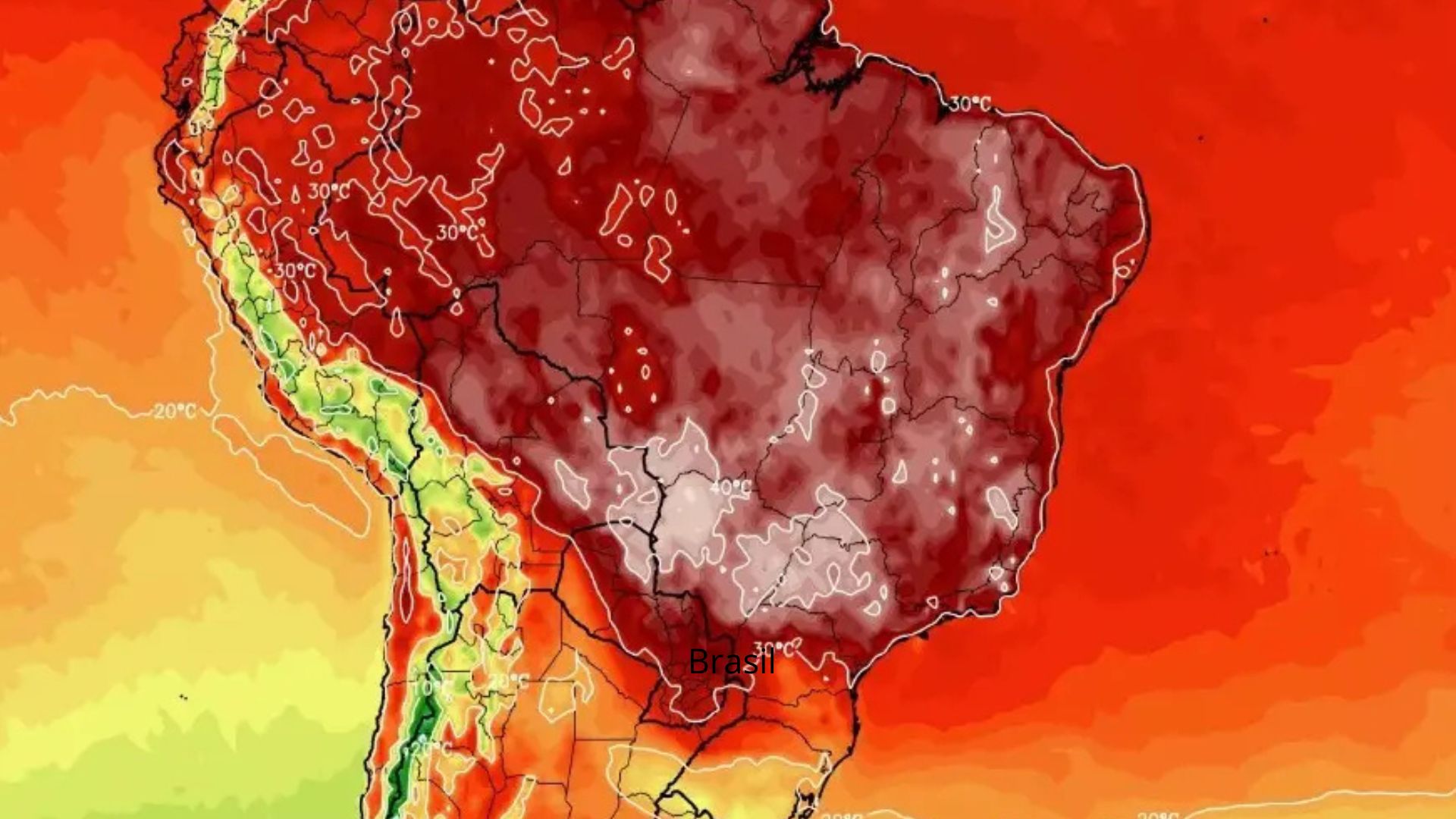
Persistent heat, drought risk, pressure on electricity bills, and health impact enter the radar with the projection of a new El Niño for 2026, in a scenario where global warming amplifies climatic extremes and challenges cities, public services, and food production.
Brazil has entered the radar of a new episode of El Niño for the second half of 2026, and the latest projection from the National Center for Monitoring and Early Warning of Natural Disasters indicates a greater than 80% probability of the phenomenon forming, possibly starting from the August, September, and October quarter.
The agency states that it is still not possible to determine the final intensity of the event, but it already considers the risk of more persistent heat, low humidity, and worsening climatic extremes in different regions of the country to be consistent.
According to information published this Tuesday (07) by Veja magazine, concern is growing because this possible return of El Niño does not occur in a stable climate.
-
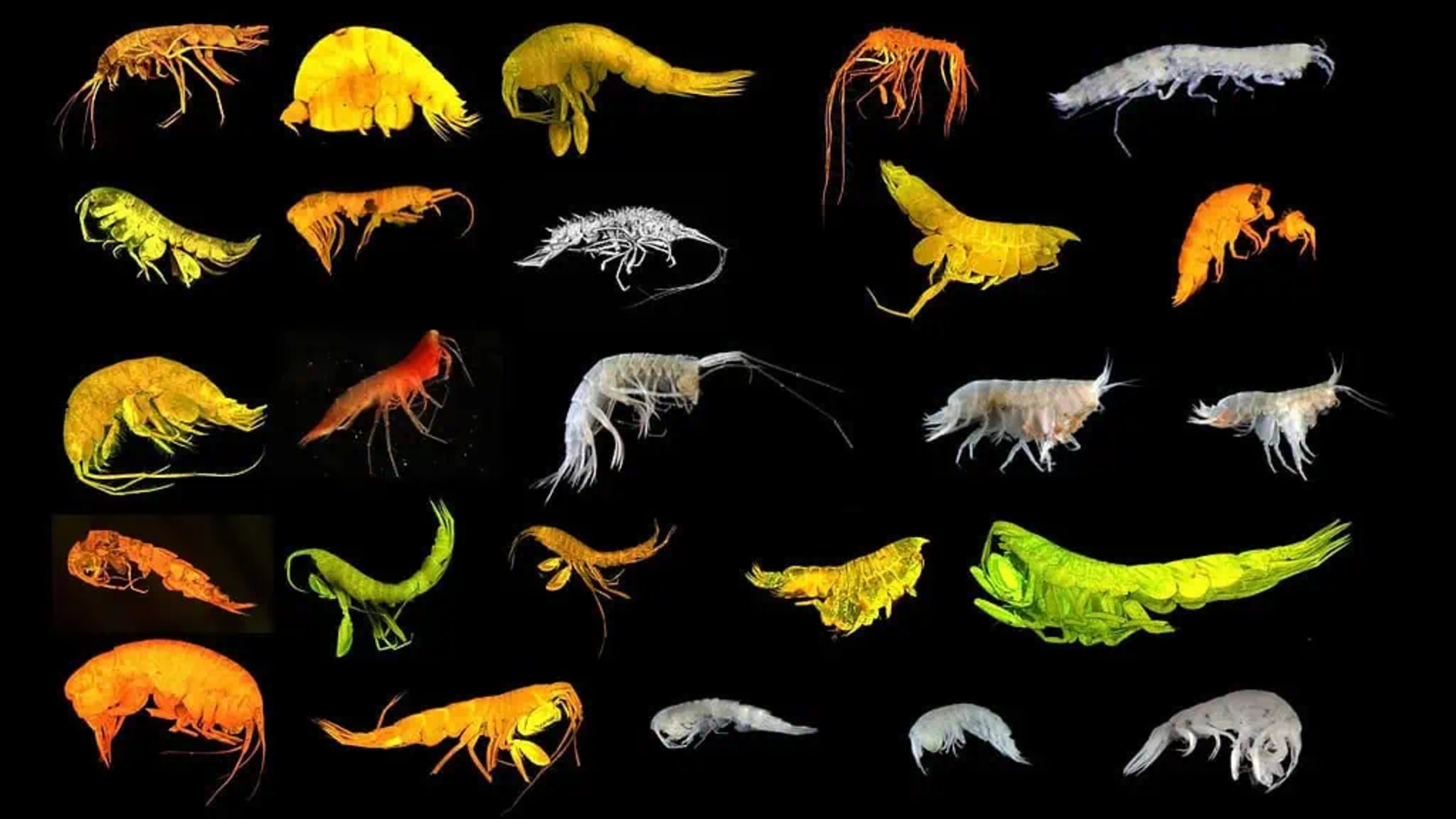
Scientists have just discovered a completely new and hidden branch of life on the ocean floor, exactly in the area that the United States plans to destroy to mine battery metals.
-
They seemed like just bricks, but heated to over 1,500 °C with renewable electricity, they began to challenge coal and gas in heavy industry. Technology developed in the USA is coming into operation and could change how the world produces steel, cement, and fuel.

-
What is behind the “Cicada” subvariant of Covid-19? With 75 mutations and presence in 23 countries, it reveals a curious behavior of the virus in the face of herd immunity.

-
Scientists may have overestimated microplastic pollution for decades, a study from the University of Michigan indicates that nitrile and latex gloves used in laboratories release particles that contaminate samples and inflate results that have informed public policies and environmental regulations worldwide.

The World Meteorological Organization confirmed 2025 as one of the three hottest years on record, and consolidated data shows that the period from 2023 to 2025 formed the hottest three-year period in the global historical series.
In other words, the phenomenon tends to act on an already warmed planet, a condition that increases the chances of prolonged episodes of heat, intense rain, and severe drought.
What is El Niño and why does it affect the climate
El Niño is defined by the abnormal warming of the surface waters of the Equatorial Pacific, especially in the central and central-eastern part of the ocean, and it typically reappears at intervals of two to seven years.
Even when the increase in sea temperature seems small, it alters atmospheric circulation on a large scale, changes wind patterns, and redistributes moisture, affecting rainfall and temperature in various parts of the world.
Historically, these episodes tend to develop between April and June and peak between October and February, although forecasts made so far in advance still have a significant margin of uncertainty.
Extreme heat and drought in Brazil enter the radar
In Brazil, the most immediate effect projected by Cemaden falls on the central region of the territory, where the frequency of heat waves and periods of drier air are expected to increase.
The same document indicates a greater risk of extreme rains, floods, and landslides in the South, while the North and Northeast may face worsening drought and conditions more favorable to fires.
This pattern does not mean uniform impact, but reinforces the expectation of a more hostile second half for cities already pressured by insufficient infrastructure and little adaptation to heat.
The warning signal does not start from zero.
The National Institute of Meteorology recorded nine heat wave episodes in 2023, a year that became the hottest in Brazil’s history since the beginning of the series started in 1961.
Meanwhile, the annual report from Cemaden indicates that the country had seven heat waves throughout 2025, with record temperatures, prolonged drought, and increasing pressure on urban services.
In 2025, according to the agency itself, intense heat was accompanied by increased energy consumption and impacts on public health.
Longer heat waves increase health risks
More than isolated peaks, what concerns researchers is the duration of these events.
In a report from the Ministry of Science, Technology, and Innovation, experts describe heat waves as a “silent emergency” and remind us that the number of days with this type of event increased eightfold in Brazil when comparing the period from 1961 to 1990 with the interval from 2011 to 2020.
The same material gathers evidence that prolonged exposure to high temperatures increases the risk of heat exhaustion, dehydration, heat stroke, worsening cardiovascular and respiratory diseases, in addition to increasing hospitalizations and mortality among more vulnerable groups.
This impact is not distributed equally.
The study cited by MCTI, based on more than 7 million deaths analyzed in the main metropolitan regions of the country, identified 48,000 deaths attributable to prolonged exposure to excessive heat between 2000 and 2018, with a greater burden on the elderly, Black and mixed-race individuals, more exposed workers, and residents of precarious urban areas.
The problem worsens where there is less greenery, higher construction density, inadequate public transport, and limited access to home cooling, a scenario that helps turn heat into a factor of social inequality and health risk.
Electricity bills and food prices under pressure
The economic burden appears first at home.
In 2025, Cemaden already related heat waves to increased energy consumption, and the trend is for greater pressure on electricity bills when hot periods extend for several consecutive days.
In very dry and extreme environments, relief also finds its limits.
The World Health Organization recommends avoiding fans when the temperature exceeds 40°C in dry conditions, and studies cited in a report by Exame indicate that above 35°C, the benefits of the device are restricted in certain scenarios, which reinforces the dependence on more expensive cooling equipment in urban areas.
In agriculture, the problem translates into more unstable production and greater price sensitivity, especially among fruits, vegetables, and greens.
The technical literature from Embrapa points out that food production in Brazil is highly vulnerable to extreme weather events, while the Brazilian Panel on Climate Change emphasizes that heat waves compromise animal and plant productivity, increase costs, and pressure food prices.
The recent dynamics of wholesale markets, monitored by Conab, show frequent fluctuations in vegetables and fruits when excessive heat or abnormal humidity affect harvest, supply, and product quality.
Global warming amplifies the effects of the phenomenon
Another central point is that El Niño is no longer seen as a single explanation.
Cemaden itself, when releasing the technical note, treated the scenario as part of a broader context, where extremes become more severe in an environment already warmed by greenhouse gas emissions.
MCTI, when commenting on the WMO data for 2025, reinforced that recent observations confirm the trend of increasing temperatures year after year, and that the window to reduce damage is narrowing.
In this context, urban adaptation, protection of biomes, risk management, and strengthening of alert systems cease to be emergency responses and become part of routine planning.
In future updates, meteorology may still adjust the exact date of consolidation and the strength of the event, as Cemaden itself emphasizes the typical uncertainty of projections made months in advance.
Still, the technical message is already clear: the country is heading towards a period where persistent heat, regionalized drought, fire risk, and greater pressure on energy, health, and supply are likely to gain ground in Brazilian daily life, with more pronounced effects as the second half of the year progresses.








Seja o primeiro a reagir!