





 Portuguese
  English
  Spanish
  3 min of reading
  0 comments


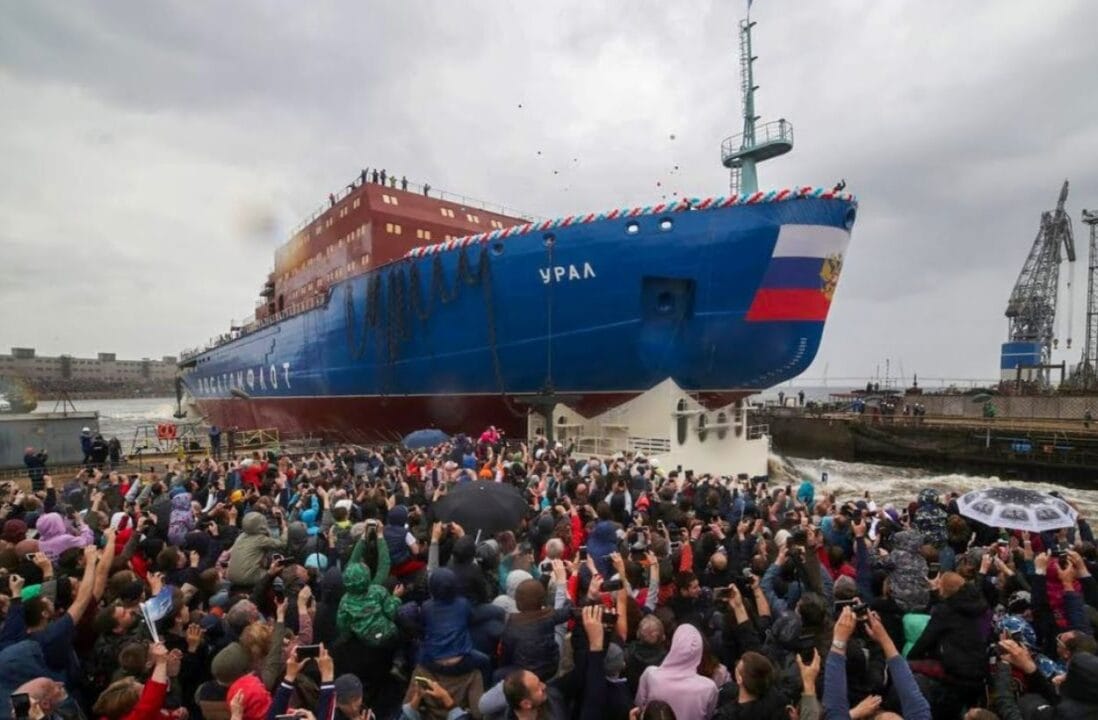
The Fascinating Technology of Nuclear Icebreaker Ships and the Intense Geopolitical Dispute Between the USA and Russia Over Dominance of Arctic Maritime Routes, Highlighting Advances in Naval Engineering that Enable Navigation in Some of the Planet’s Most Extreme Conditions.
Have you ever wondered how it is possible for a ship to navigate through frozen waters? The answer lies in icebreaker ships and nuclear icebreakers, wonderful engineering feats capable of breaking through immense layers of ice. These sea giants are not only examples of naval engineering marvels, but also key pieces in a strategic geopolitical puzzle, especially in the Arctic, where the United States and Russia are vying for supremacy.
While the USA boasts an impressive fleet of nuclear aircraft carriers, Russia stands out with its powerful icebreaker fleet, including five nuclear-powered vessels. These ice colossi, true titans of naval engineering, are essential for keeping maritime routes open in polar regions, crucial for trade and the exploration of natural resources.
Nuclear Icebreaker
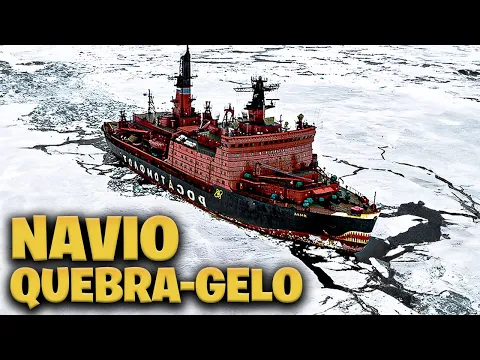

Historically, icebreakers have evolved from simple vessels to complex machines capable of facing the challenges of Arctic waters. The design and functionality of modern icebreakers, such as the USA’s Polar Star, reflect significant advances in naval engineering, with robust propulsion systems and reinforced hulls designed to break through ice up to six meters thick.
-
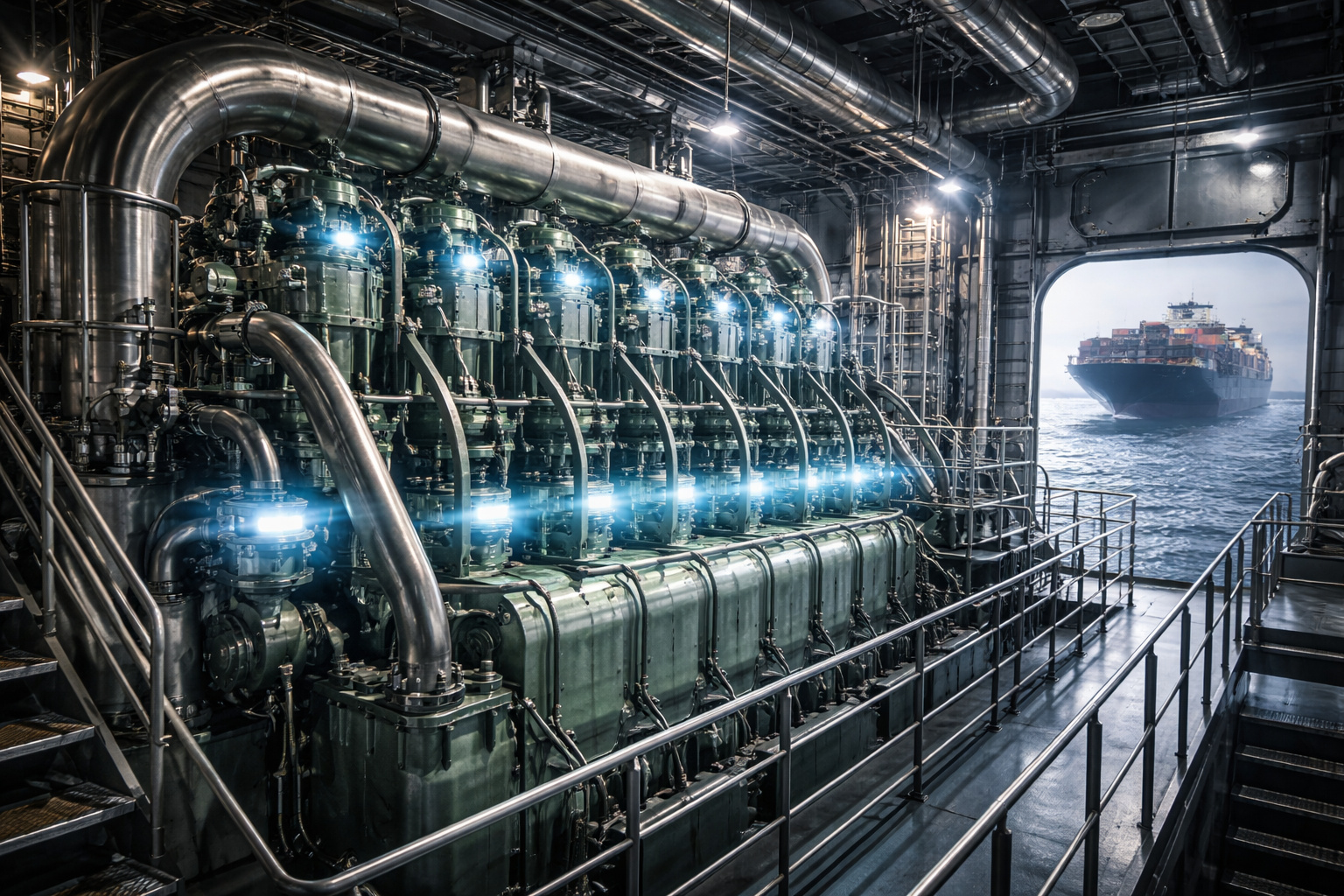
Europe is trying to create an ammonia-powered marine engine without auxiliary fuel, which could unlock the race for giant emission-free ships. The technology aims to eliminate one of the biggest obstacles to clean maritime propulsion.
-
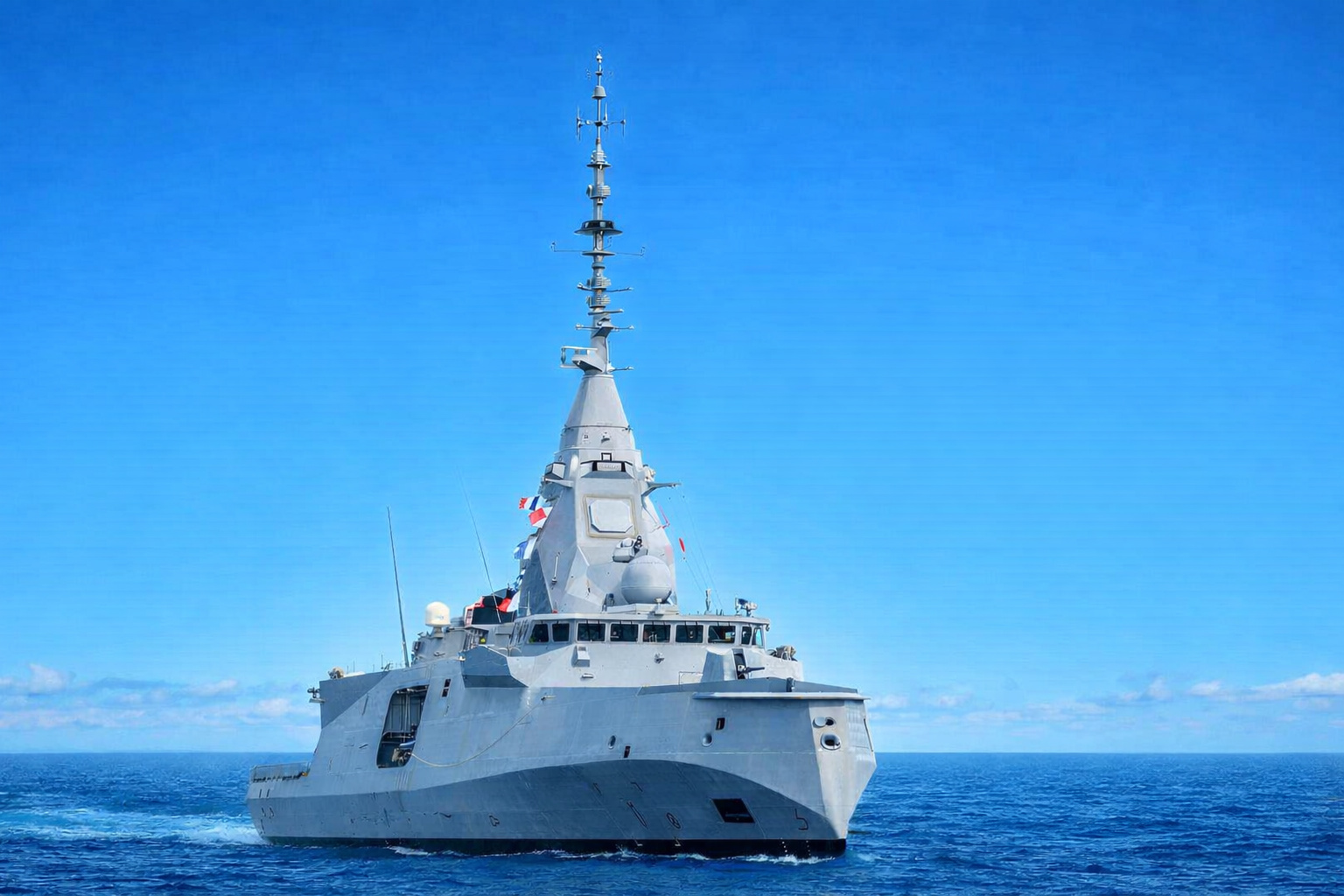
A 4,500-ton frigate with just over 100 crew members, state-of-the-art radar, and cruise missiles is being touted as the new standard of naval warfare in the 21st century.
-
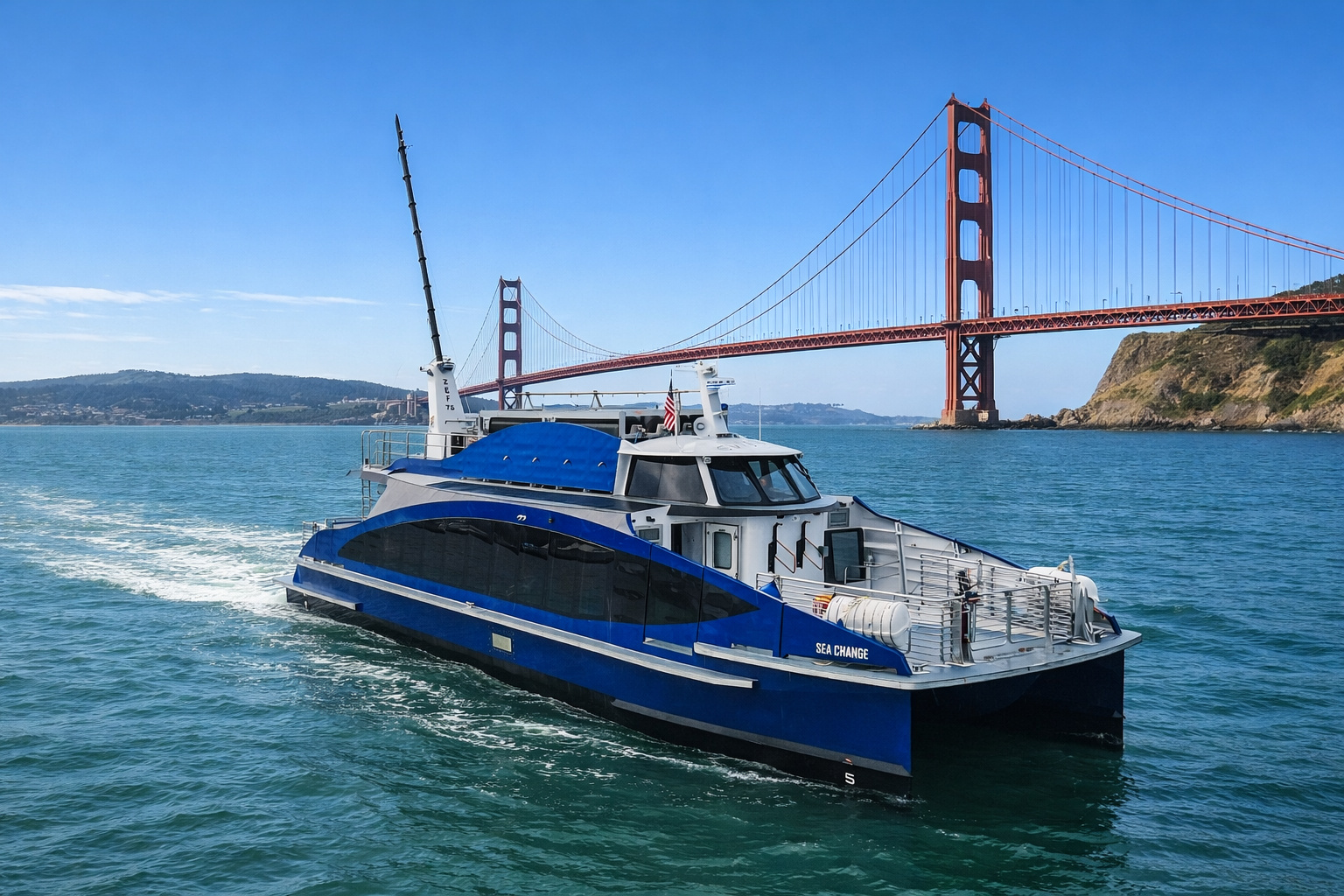
The first commercial hydrogen-powered ferry enters operation in the U.S., eliminates the use of diesel, uses fuel cells to generate clean energy on board, and transforms San Francisco Bay into a landmark of the new era of emission-free navigation.
-
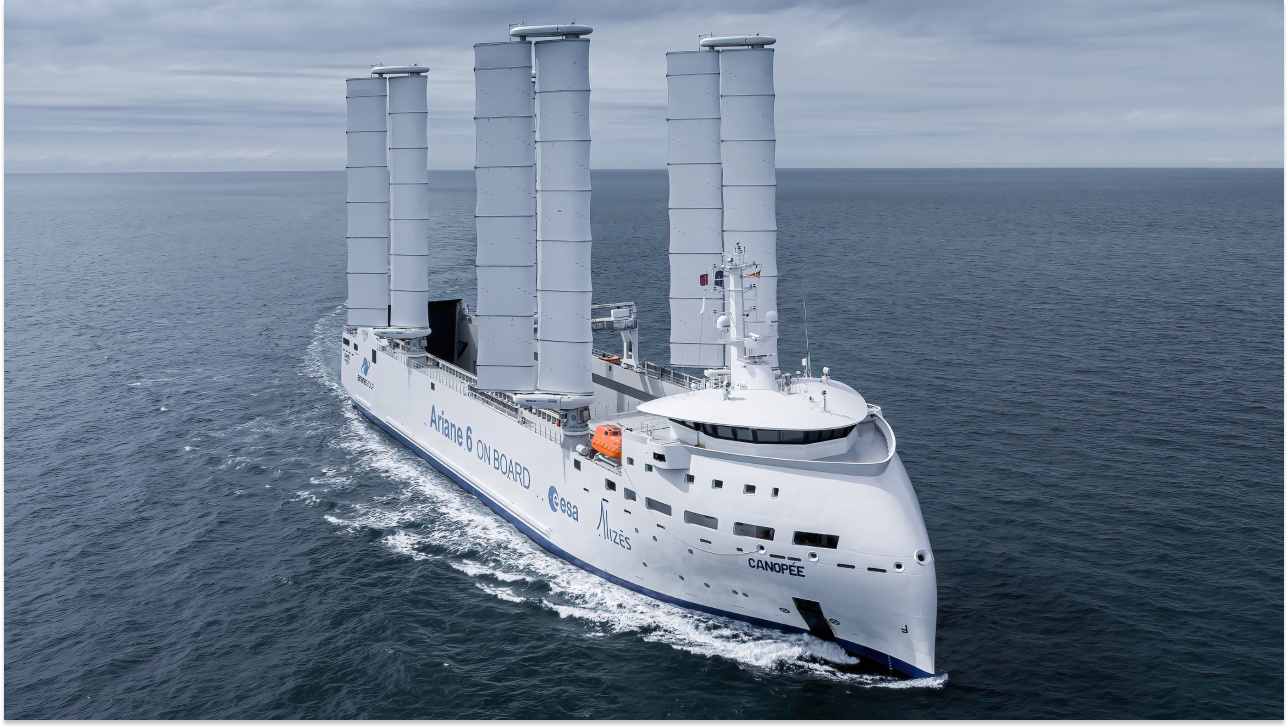
With a length of 121 meters and four rigid sails of 36 meters that automatically rotate to capture the wind, Canopée is the world’s first hybrid industrial cargo ship powered by wind, used to transport rockets and reduce fuel consumption by up to 30% on transoceanic routes.

Russia, on the other hand, not only has the largest icebreaker fleet in the world but is also heavily investing in nuclear icebreaker technology, aiming to enhance its navigation capabilities. The anticipated launch of a super nuclear icebreaker by 2027 exemplifies Russia’s commitment to leading the race for the Arctic, an area estimated to hold trillions of dollars in untapped natural resources.
Advances in Naval Engineering
Nuclear icebreaker ships represent a critical point in the Arctic dispute, reflecting not only advances in naval engineering but also the geopolitical ambitions of global powers. While Russia progresses, the USA seeks to regain its ground, underscoring the strategic importance of these powerful machines that dominate the frozen waters and shape the future of Arctic control.
Advances in naval engineering have transformed the way ships are designed, built, and operated, with a strong trend towards sustainability and energy efficiency. Stena’s vision for 2035, focused on producing green hydrogen through water electrolysis powered by offshore wind energy, well illustrates the commitment to reducing environmental impact and fostering renewable energy sources.
In the field of naval design and technology, initiatives such as those by the UZMAR shipyard in Turkey reflect this shift, with plans to transition to a fleet of methanol-powered tugboats aiming to cut CO2 emissions. The collaboration between Glosten and Hornblower Energy, which aims to establish the first green hydrogen refueling station at sea in the USA, is another example of how the industry is adapting to support the operation of sustainable vessels.
The Shipbuilding Industry Is Becoming Increasingly Aligned
Digitalization is also revolutionizing naval engineering, with the adoption of digital twins to perform detailed simulations and aid in the maintenance and operation of ships. This technology provides a means to predict and manage the lifecycle of ships more efficiently.
Looking to the future, the shipbuilding industry is becoming increasingly aligned with emerging technologies such as artificial intelligence, which assists in predictive maintenance and route optimization, and maritime robotics, which promises to alleviate labor shortages and enhance safety.
These developments indicate a Promising Future for naval engineering, with more sustainable and technologically advanced ships that align with the environmental and operational demands of the 21st century. This evolution is crucial to strengthen the position of nuclear icebreaker ships and other specialized vessels as cornerstones of progress and efficiency in the maritime sector.









Seja o primeiro a reagir!