Portuguese
  Spanish


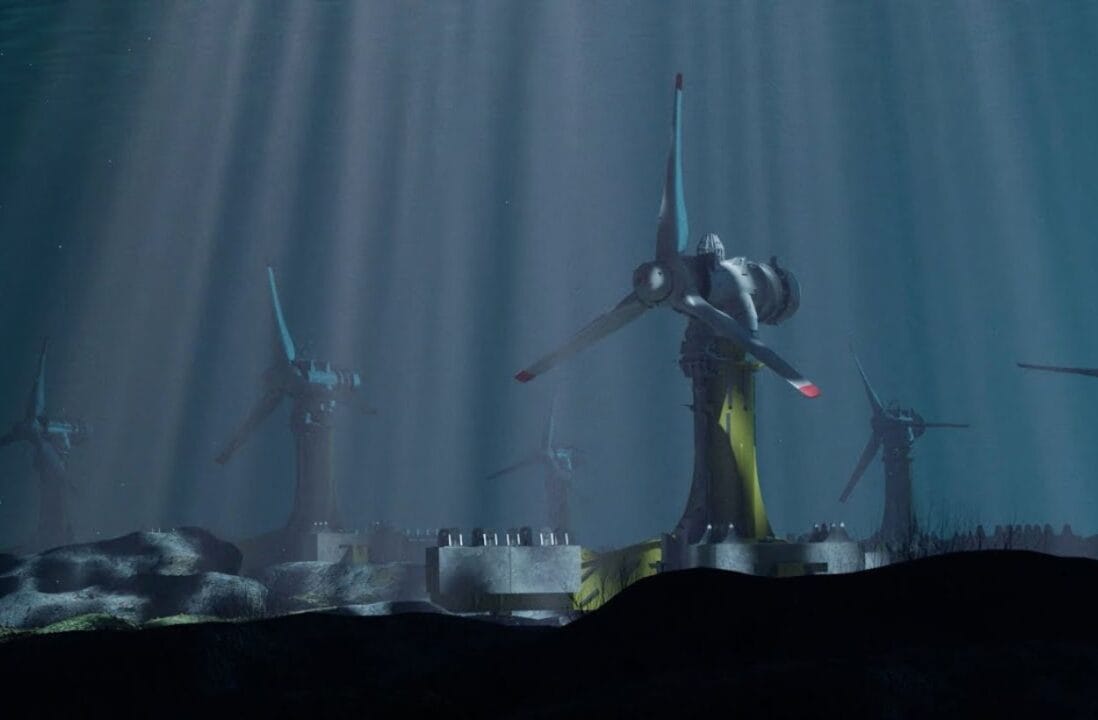

Tidal Energy Emerges As A Promising Solution To Overcome The Intermittency Of Renewable Sources, With Potential To Generate Ten Times More Energy Than Solar Energy, Ensuring A Constant And Sustainable Generation By Harnessing The Natural Forces Of Ocean Tides.
The world recognizes the urgency of generating energy in a responsible and sustainable manner. However, we face the challenge of intermittency with renewable sources such as solar and wind, which do not guarantee constant energy production. The innovative solution to this impasse is tidal energy, a method that is not only environmentally friendly but also provides a constant source of energy.
Unlike solar and wind energy, whose generation is limited by environmental and daily factors, tidal energy is generated by the constant movement of ocean waters, driven by the gravitational forces of the moon and the sun. This process ensures a more stable and predictable energy source.
Tidal Energy

In addition to constant production, tidal energy stands out for its ability to generate large amounts of electricity. Tidal power plants, such as the pioneering one in France and the subsequent one in Nova Scotia, demonstrate the viability and durability of this technology, capable of meeting the energy demand of thousands of homes.
-
World’s Largest Engie Solar Plant in Brazil Highlights Billion-Dollar Energy Waste Issue: Company Considers Batteries and Bitcoin Mining to Avoid Wasting Production

-
Air Products Cancels $2.9 Billion Clean Hydrogen Megaproject in Louisiana, Shuts Down Arizona Unit, Highlighting High Costs of U.S. Energy Transition
-
Over 60 Tractors Take to the Streets in Lopera as Solar Parks Compete with Olive Groves, Affecting 13,000 to 100,000 Trees According to Conflicting Reports

-
Green Hydrogen Projects in Northeastern Brazil Stalled for 18 Months Awaiting Government Decree, Delaying Billions in Investments


Facing challenges such as high implementation costs and potential environmental impacts, tidal energy is still in the improvement phase and seeks ways to integrate harmoniously with the environment. Innovation continues in the quest for solutions that balance cost, efficiency, and sustainability.
Tidal energy emerges as a powerful force in the field of renewable energies, promising more consistent and reliable energy production, marking a promising path for the future of clean energy generation.
Where Did Tidal Energy Originate?
Tidal energy originated on the coasts of England and France, where, as early as the 11th century, it was used to power grain mills, harnessing the mechanical energy generated by the tides.
Tidal power, as an electricity generation technology, was not created by a single person. Its evolution was a continuous process that involved many inventors and engineers over the centuries. However, the La Rance power station in France, inaugurated in 1967, is a significant landmark in the history of tidal energy, representing the first major modern application of this technology.
What Was Tidal Energy First Used For?
Initially, tidal energy was used for mechanical activities, primarily to move grain mills, utilizing the force of tidal waters to perform mechanical work. This primitive use was crucial for the development of coastal communities and represented the first step in utilizing tidal energy, long before its application for electricity generation.
This transition from mechanical use to electricity generation highlighted the potential of tides as a renewable and sustainable energy source, leading to significant advancements in tidal energy harnessing technology and its integration into the global energy mix.