





 Portuguese
  English
  Spanish
  5 min of reading
  0 comments


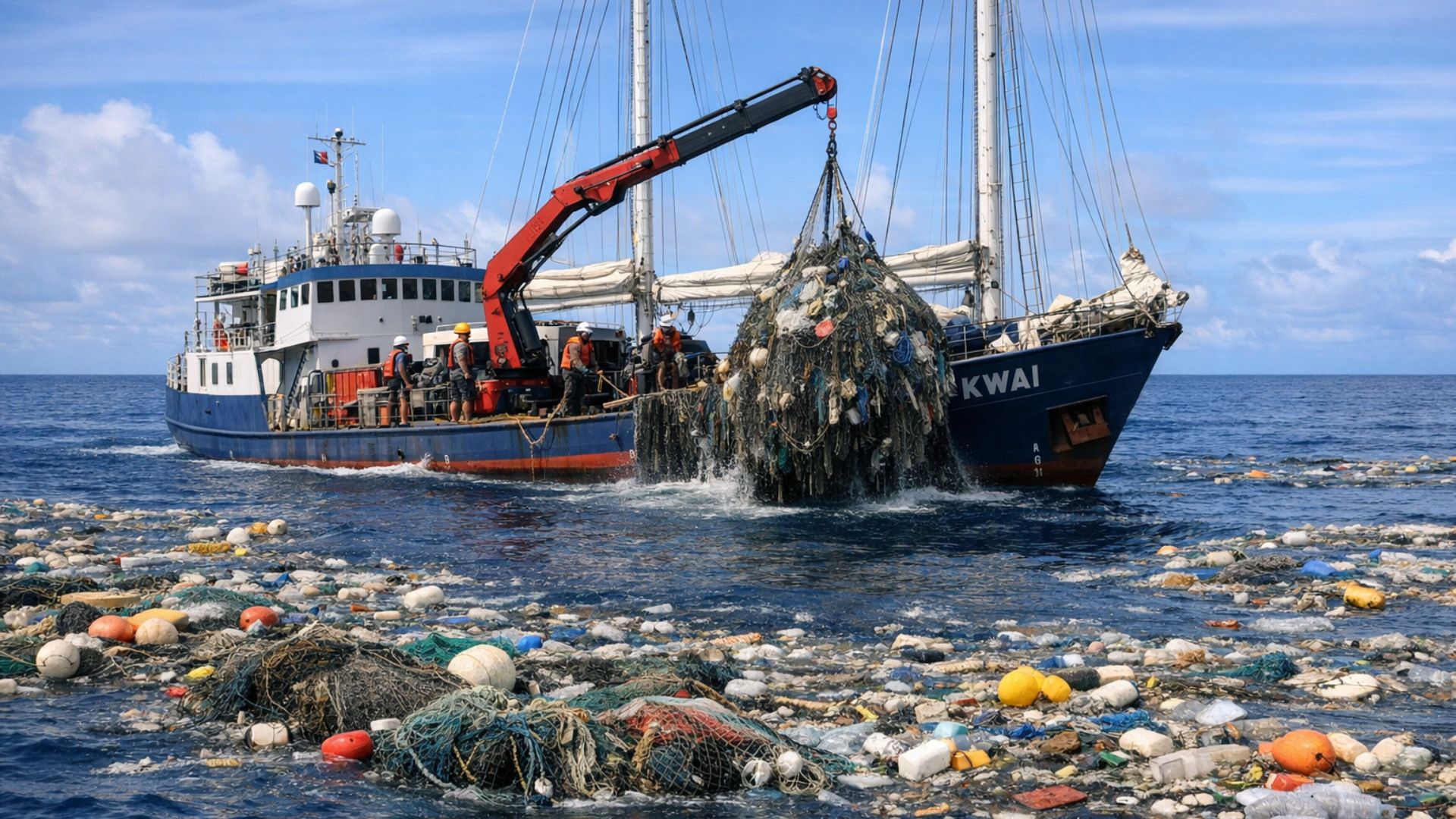
45-Day Journey Brought 96 Tons of Ghost Nets and Plastics from the North Pacific Gyre to California, According to the Ocean Voyages Institute.
Mission of the Sailing Cargo Ship KWAI Reinforces Challenges of Collection in Open Sea, Disposal Logistics, and the Scale of Ocean Pollution.
After 45 days at sea, the sailing cargo ship KWAI docked in California carrying 96 tons of waste retrieved from the North Pacific Gyre, an area associated with the Great Pacific Garbage Patch, according to a statement from the Ocean Voyages Institute, a non-profit organization based in Sausalito, in the San Francisco Bay Area.
The crossing, according to the same note, connected Honolulu to the California coast and passed through a stretch described by the organization as “ocean full of debris,” covering over 4,600 miles, until the ship’s first unloading in the state with this type of cargo.
-
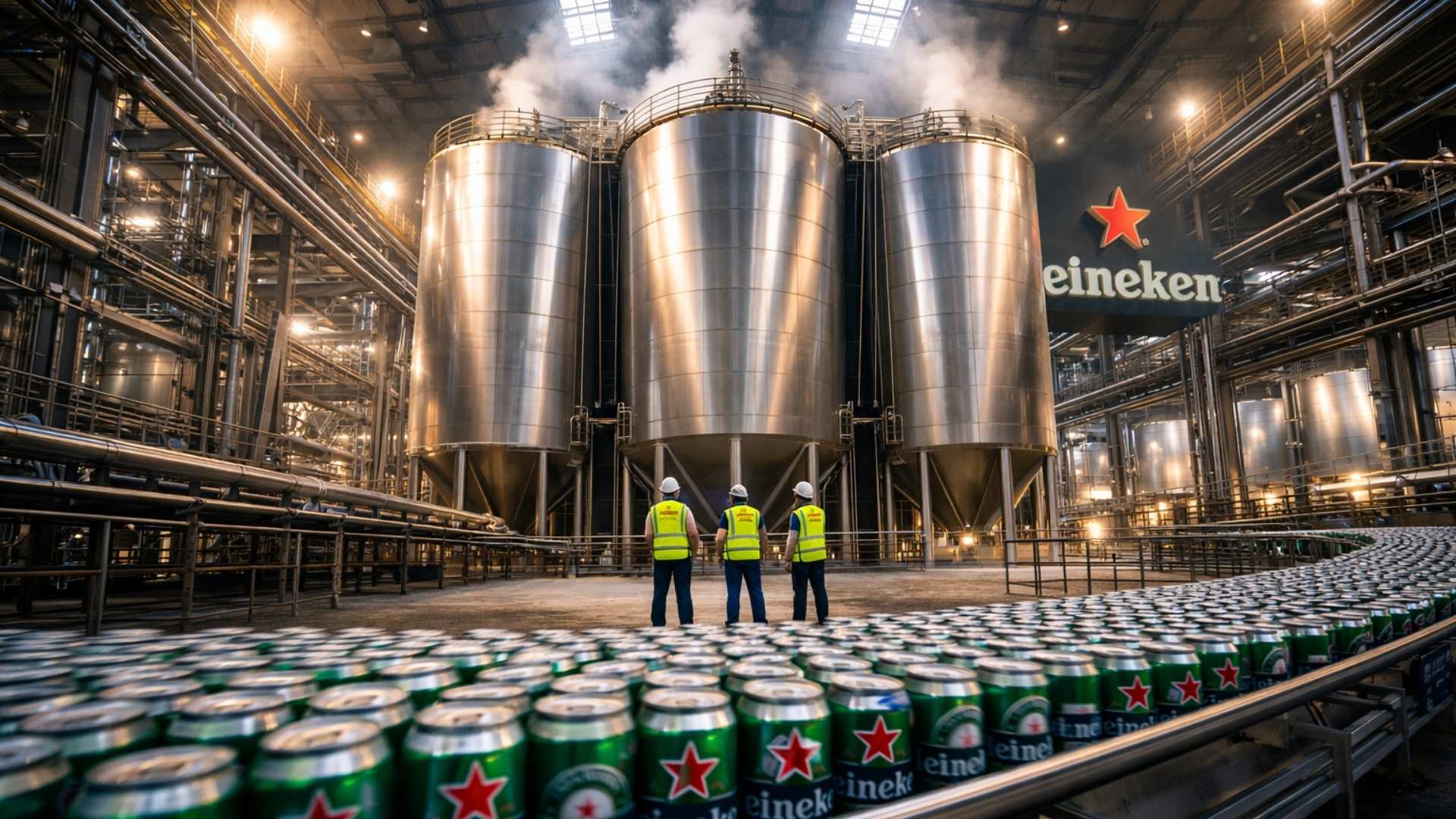
Heineken’s factory in Brazil produces 300 million beer cans in just 4 months, reaches 1 million hectoliters, received R$ 2.5 billion, and is already projecting an annual capacity of 5 million with sustainable technology.
-
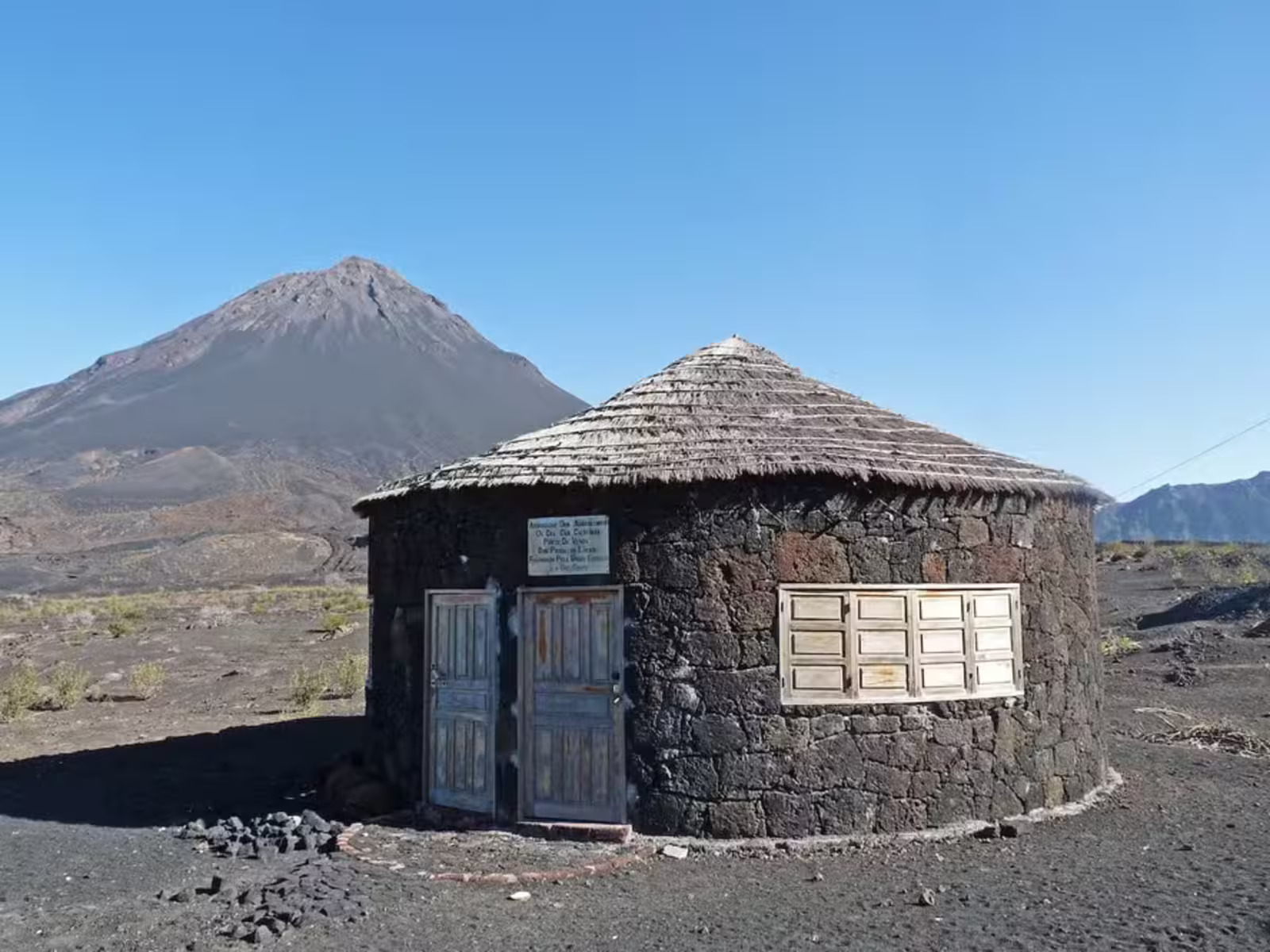
Inside an active volcano in Africa, residents use volcanic rocks to build houses in an impressive setting.
-
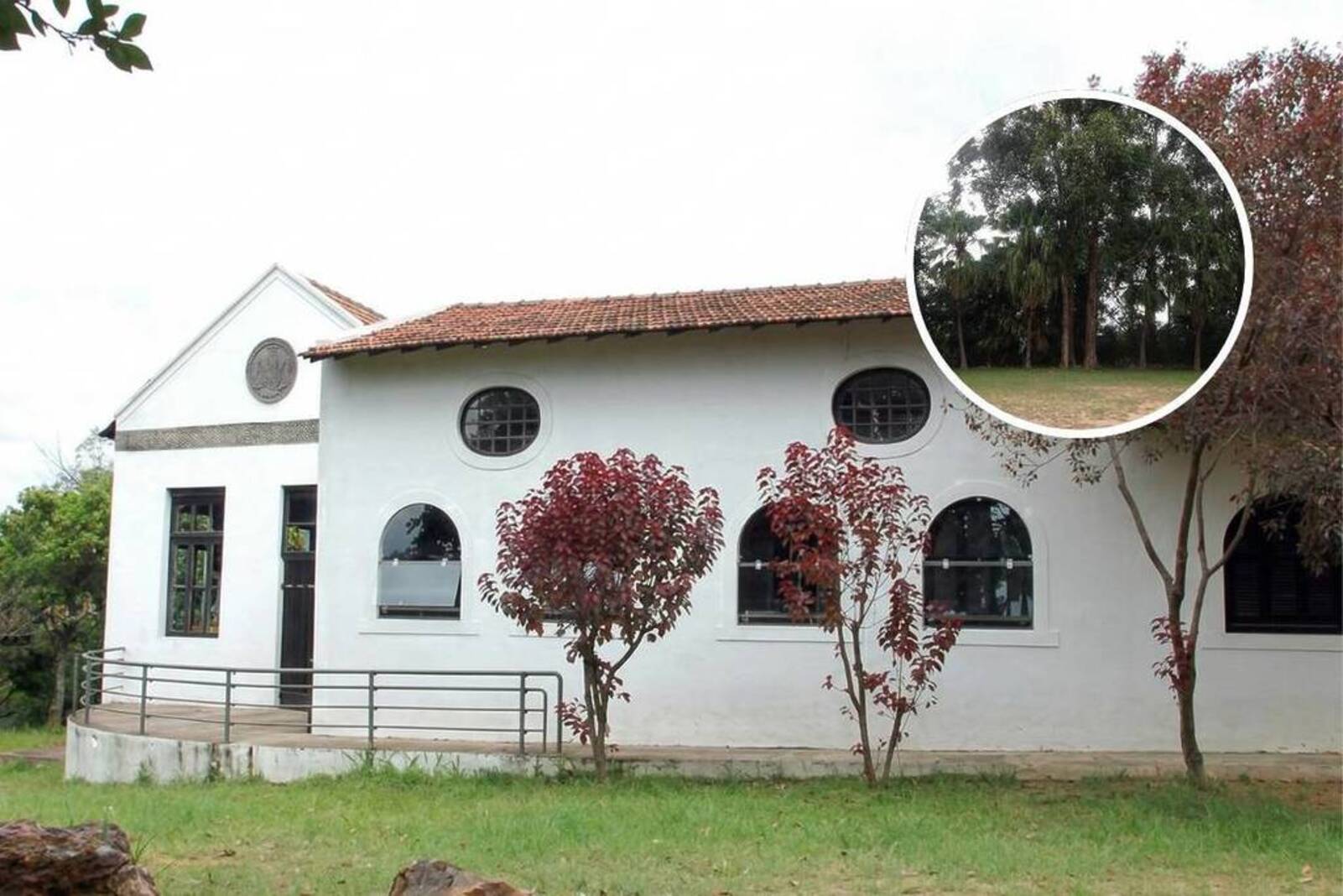
After 14 years of waiting, a rammed earth mansion built in 1702 in the North Zone of São Paulo will become a park with leisure facilities and green areas, with a million-dollar investment.
-
With 2 unfinished nuclear reactors, up to 25 billion in costs, and proven fraud, the Nukegate case has left 800,000 consumers still paying today for energy that will never be produced.

In the hold and on deck, the material consisted mainly of abandoned fishing nets, known as “ghost nets”, in addition to derelict fishing gear and consumer plastics collected directly from the high seas, where collection is often limited by the distance from ports and lack of continuous infrastructure.
Although the term “largest dump in the world” is popular, the phenomenon does not correspond to a compact island of waste, but rather a large convergence zone of currents, where floating objects accumulate and circulate repeatedly, with variable density.
Ocean Voyages Institute’s Open Sea Cleanup Strategy
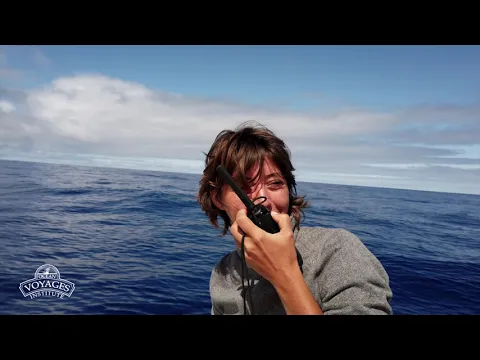

The Ocean Voyages Institute’s strategy is based on missions with defined beginnings, middles, and ends, where the ship departs fully stocked and spends weeks collecting debris until it reaches a safe storage limit, then returning to the mainland to unload and dispose of what was retrieved.
The organization describes the KWAI as a “sailing cargo ship,” used in operations in the North Pacific Sub-Tropical Convergence Zone, and asserts that the priority is to remove large objects before they fragment, especially nets and lines that continue to trap animals even after abandonment.
This focus is on a type of waste seen as highly persistent, because nylon or polypropylene nets can drift for long periods, accumulating plastics, entangling vessels, and ensnaring wildlife, as well as degrading into smaller pieces that spread more easily.
In reporting the return with 96 tons, the entity also stated that the total accumulated plastic removed by its expeditions exceeded 692,000 pounds, a number that includes previous missions in the same oceanic system between California and Hawaii.
Numbers, Route, and History of Expeditons in the Pacific
In covering the unloading, Scuba Diving magazine reported that the vessel traveled 4,600 nautical miles between Honolulu and San Francisco, with collection made in the North Pacific Gyre, citing a total of 211,644 pounds of waste removed from the ocean during that trip.
The publication also attributed to Captain Locky MacLean a first-person statement about the responsibility of leading the mission and the reason for the work, mentioning the presence of Pacific crew members and the idea of protecting the oceans for future generations.
In addition to the balance sheet about the 2022 trip, the organization asserts that it reached a previous milestone in 2020, when it announced it had conducted the “largest open ocean cleanup in history” within its own scope, with 340,000 pounds recovered from the North Pacific Gyre.
Also in 2020, a press release from the entity reported that the KWAI returned to the port of Honolulu after a 48-day expedition with 103 tons, equivalent to 206,000 pounds, made up of fishing nets and consumer plastics removed from the North Pacific Sub-Tropical Convergence Zone.
A year prior, in June 2019, another statement from the Ocean Voyages Institute said that the vessel completed a 25-day mission and arrived in Honolulu with more than 40 tons of nets and plastics, including a “ghost net” estimated to weigh five tons.
Ghost Nets and Direct Risk to Marine Life

The organization itself associates part of the results with the use of tracking technology, with satellites and markers that would help locate areas of higher debris density, arguing that the ocean “organizes” part of the material and causes one net to lead to others in the same area.
In practice, abandoned nets are seen as an immediate problem because they continue to operate as traps, and the removal of large whole pieces tends to be treated as a way to reduce direct risks to wildlife, before wear multiplies the fragments.
This type of mission also draws attention for the tangible dimension of the result, as tons of ropes, buoys, and meshes turn a topic often associated with almost invisible microplastics into a volume that can be weighed, photographed, unloaded, and directed for sorting and disposal on land.
Disposal of Material and Limits of Recycling
At the same time, the subsequent stage imposes limitations, as nets and gear arrive contaminated, degraded, and mixed, which reduces conventional recycling and requires partnerships and processes capable of separating and treating materials of different natures before final disposal.
Between the effort to clean the stock already accumulated in the gyre and the need to contain the continuous inflow of waste through rivers and coastal areas, expeditions like that of the KWAI position themselves at the hardest extreme of logistics, operating far from infrastructure and dependent on time, fuel, and safety on board.
If a vessel can cross the Pacific and dock with 96 tons retrieved in open sea, what combination of technology, funding, and land disposal could make such missions more frequent, without losing efficiency or safety?



-

-

-

-

8 pessoas reagiram a isso.