





 Portuguese
  English
  Spanish
  5 min of reading
  1 comment


With about 45 thousand tons and a deck capable of operating F-35B fighters, the America-class amphibious ships function as floating airbases capable of transporting more than 1,600 Marines.
Among the largest warships ever built for amphibious operations, the America class represents one of the most versatile and modern military platforms of the United States Navy. With a displacement of nearly 45 thousand tons, a deck designed to operate advanced aircraft, and the capacity to transport hundreds of troops and military vehicles, these vessels were developed to allow military forces to be rapidly projected from sea to land.
Unlike traditional aircraft carriers, which are primarily focused on air operations, America-class ships combine various functions in a single structure: troop transport, air operations, military command, and logistical support. This combination transforms these vessels into true floating military bases capable of operating in remote areas without relying on land infrastructure.
Origin of the America Class and Modernization of the Amphibious Fleet
The America class design emerged in the early 21st century, when the United States Navy decided to replace older amphibious ships of the Tarawa class. The goal was to create vessels capable of operating new military technologies, particularly short takeoff and vertical landing aircraft.
-
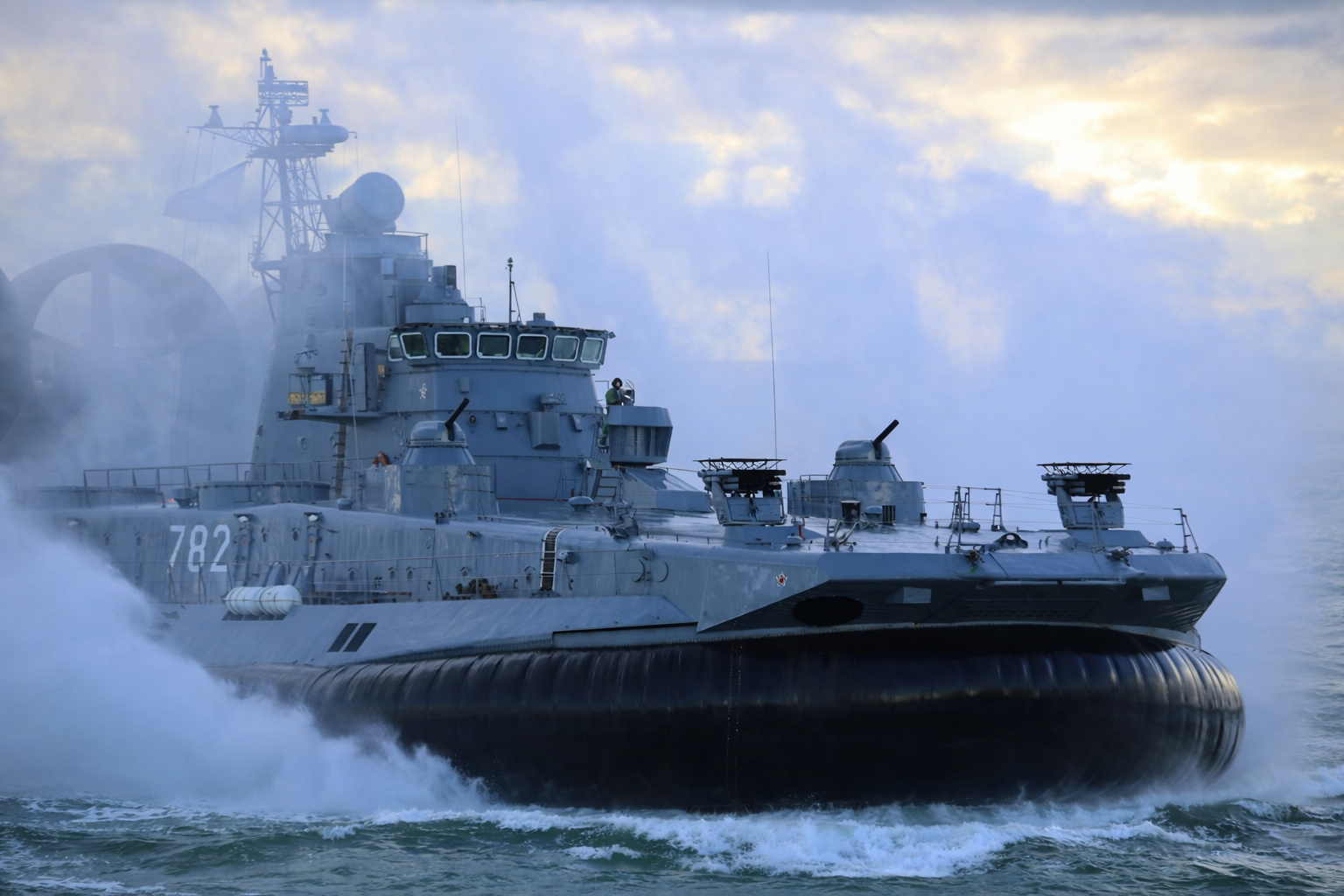
Classified as a “amphibious monster” weighing 555 tons, 57 meters long, and featuring three propellers with a diameter of 5.5 meters, the Zubr is the largest military hovercraft ever built, capable of transporting 3 tanks or 500 soldiers at speeds exceeding 100 km/h over water, ice, and sand, and China has resumed production of it to project power in the South China Sea.
-
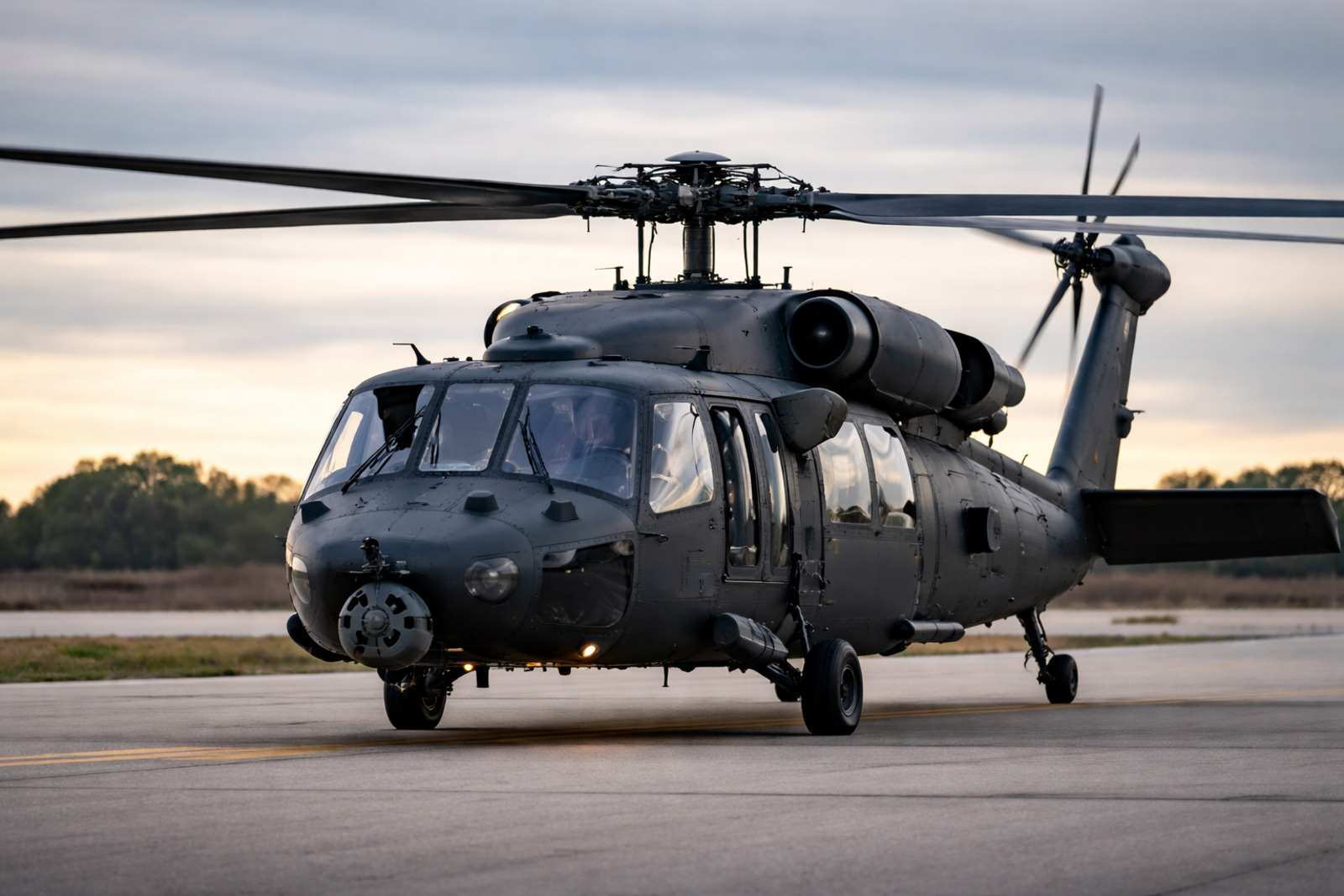
The U.S. Army receives the first Black Hawk helicopter that can fly without pilots, be controlled by a tablet, and even land on its own during high-risk missions.
-
With 11,000 tons and sensors capable of hunting submarines at long distances, the Type 055 has become one of the most feared floating arsenals of the Chinese navy.

-
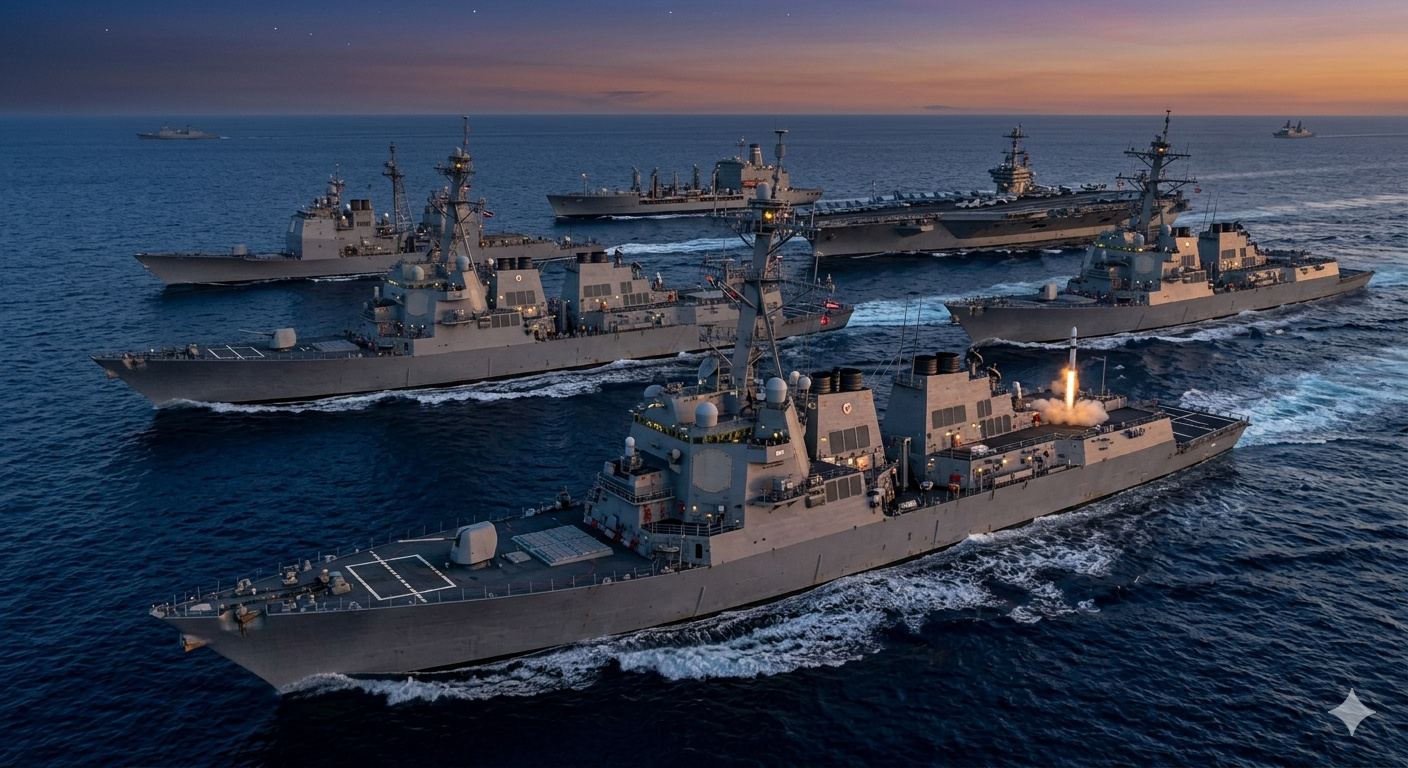
With over 15,000 tons, radars capable of tracking hundreds of targets simultaneously, and more than 120 missiles ready for launch in seconds, modern destroyers cease to be escorts and begin to dominate the naval battlefield.

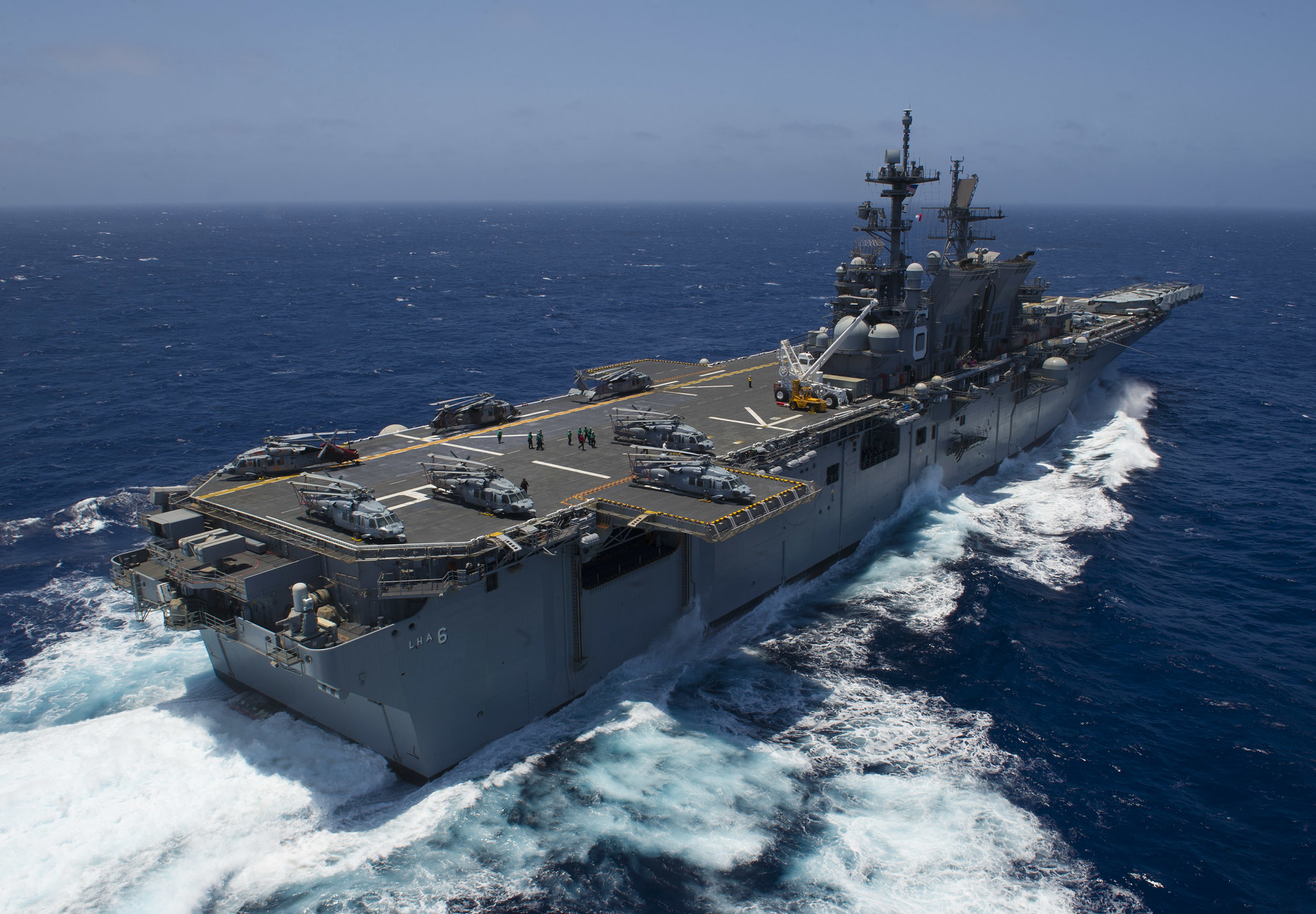
The first ship of the class, the USS America (LHA-6), entered service in 2014. It was followed by other units, such as the USS Tripoli (LHA-7), which further expanded the operational capabilities of this class.
These vessels were designed to function as central platforms in expeditionary operations, where military forces need to be mobilized quickly to any coastal region on the planet.
Dimensions and Characteristics of the Ship
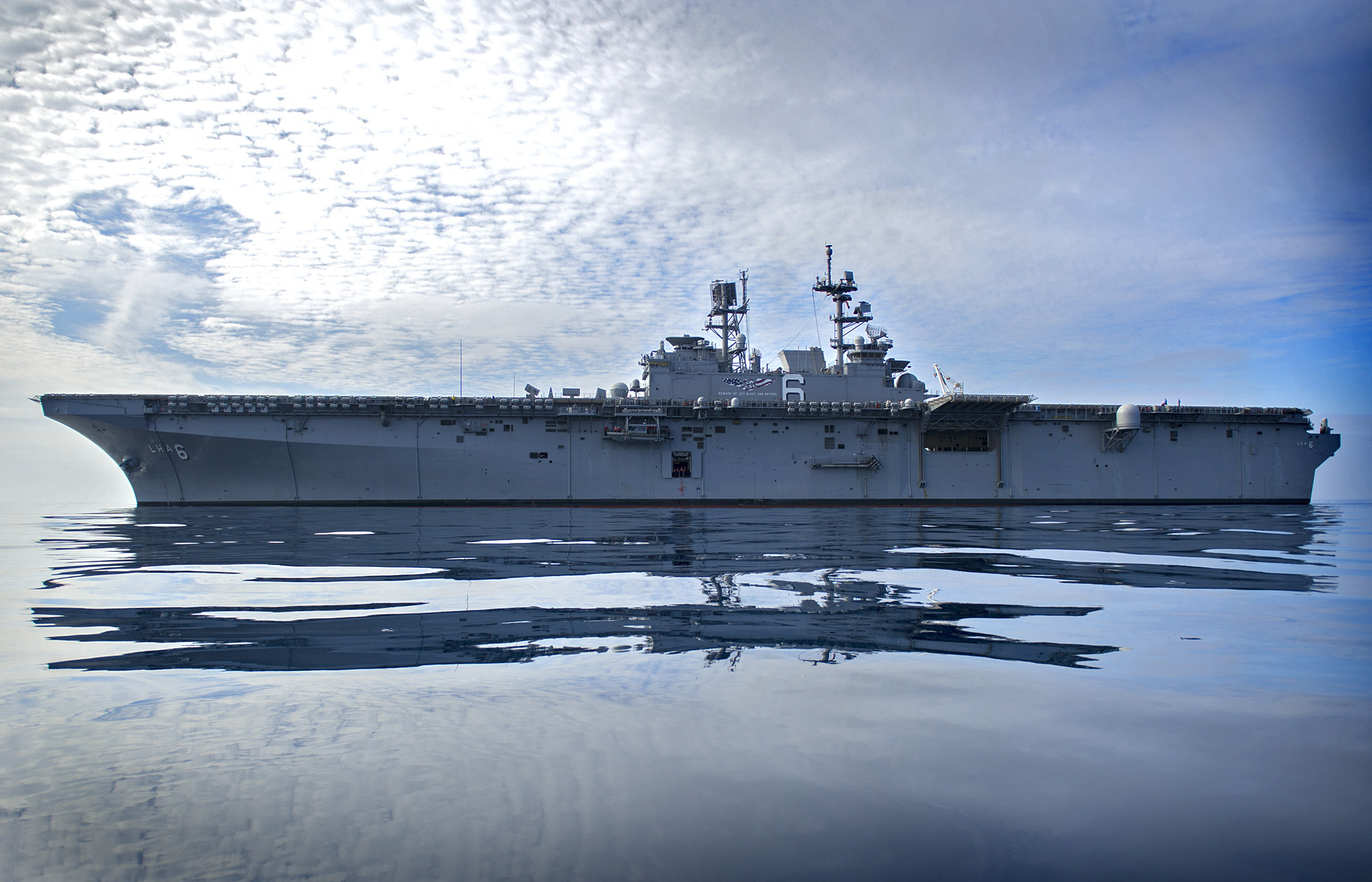
The America-class ships are among the largest amphibious ships in the world. Some of their main characteristics include:
- maximum displacement of about 44,900 tons
- approximate length of 257 meters
- width exceeding 32 meters
These dimensions allow for the accommodation of large quantities of troops, vehicles, and aircraft. The propulsion is based on gas turbines and modern electrical systems that ensure speeds of over 20 knots, equivalent to more than 37 km/h at sea. Additionally, the ship’s design prioritizes large internal space for the storage of military equipment and logistical support.
Deck Prepared to Operate F-35B Fighters
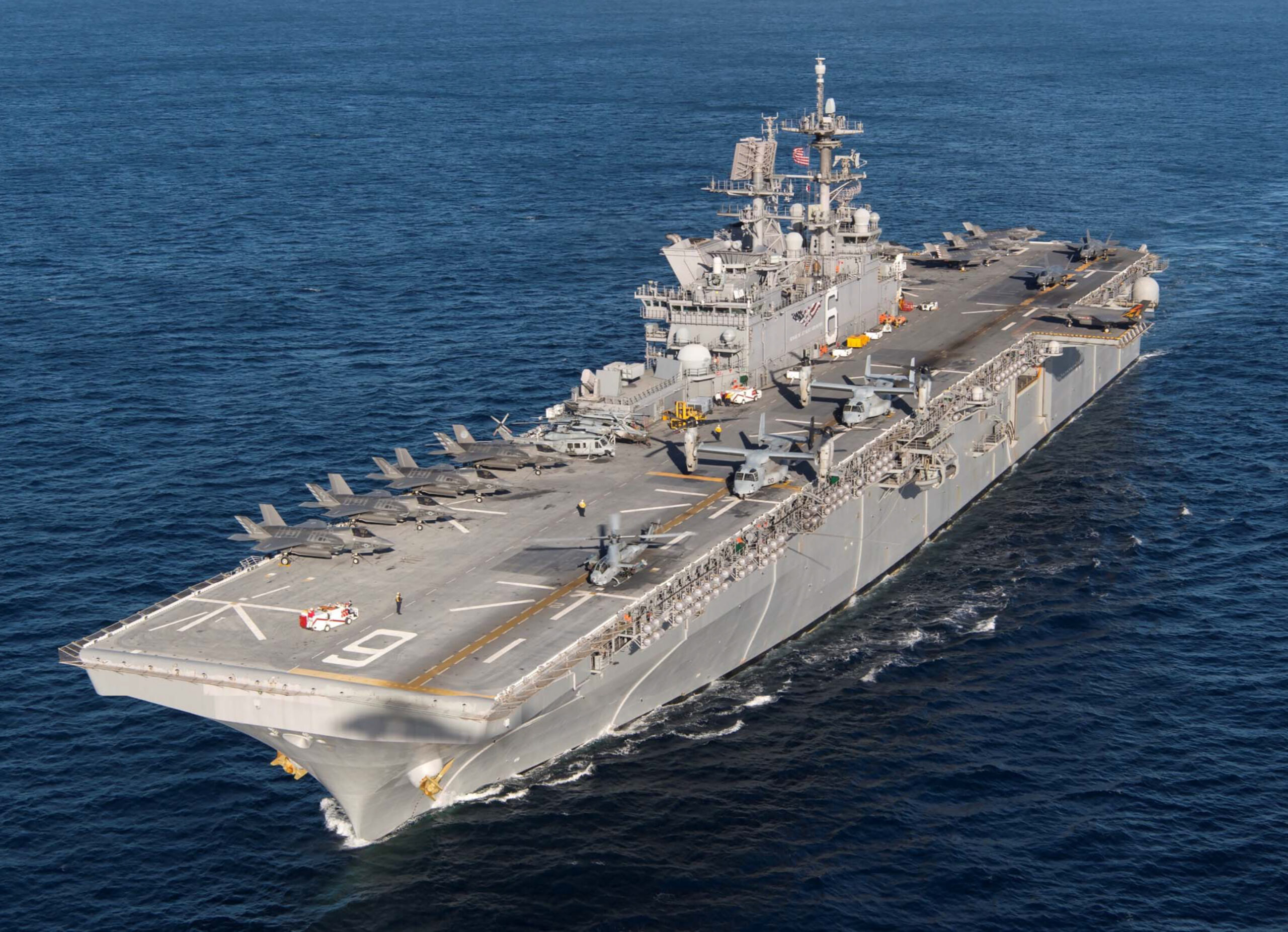
One of the most important elements of the America class is the expanded flight deck. It is designed to operate a wide variety of military aircraft. Among them is the fifth-generation F-35B Lightning II, which is capable of short takeoff and vertical landing.
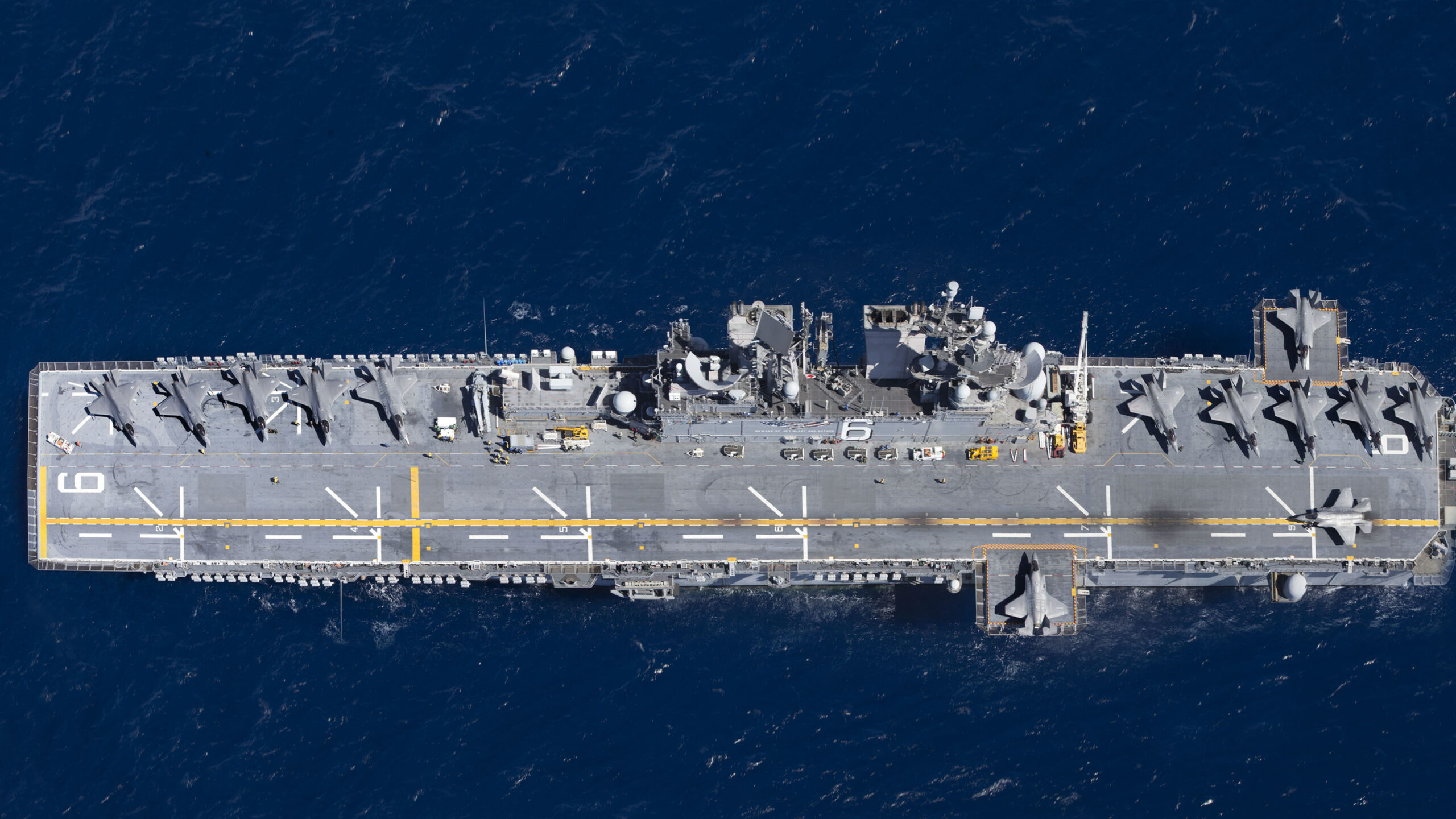
This feature allows the ship to operate advanced aircraft without the need for catapults or long runways. Depending on the mission configuration, an America-class ship can operate:
- transport helicopters
- attack helicopters
- tilt-rotor aircraft MV-22 Osprey
- F-35B fighters
In certain operations, the ship can carry up to about 20 aircraft, transforming it into a true airborne combat platform. This capability leads many analysts to describe the America class as a light aircraft carrier.
Troop and Military Equipment Transport
In addition to air operations, these ships were also designed to transport troops and combat vehicles. A single ship can carry approximately 1,687 Marines, a number that can vary depending on the type of mission. The internal space also allows for the boarding of various military vehicles, including:
- armored vehicles
- logistics trucks
- engineering equipment
This capability is essential for amphibious operations, where troops need to be rapidly landed in coastal areas. The combination of troops, vehicles, and aircraft allows these ships to function as complete military force projection platforms.
Amphibious Operations and Military Power Projection
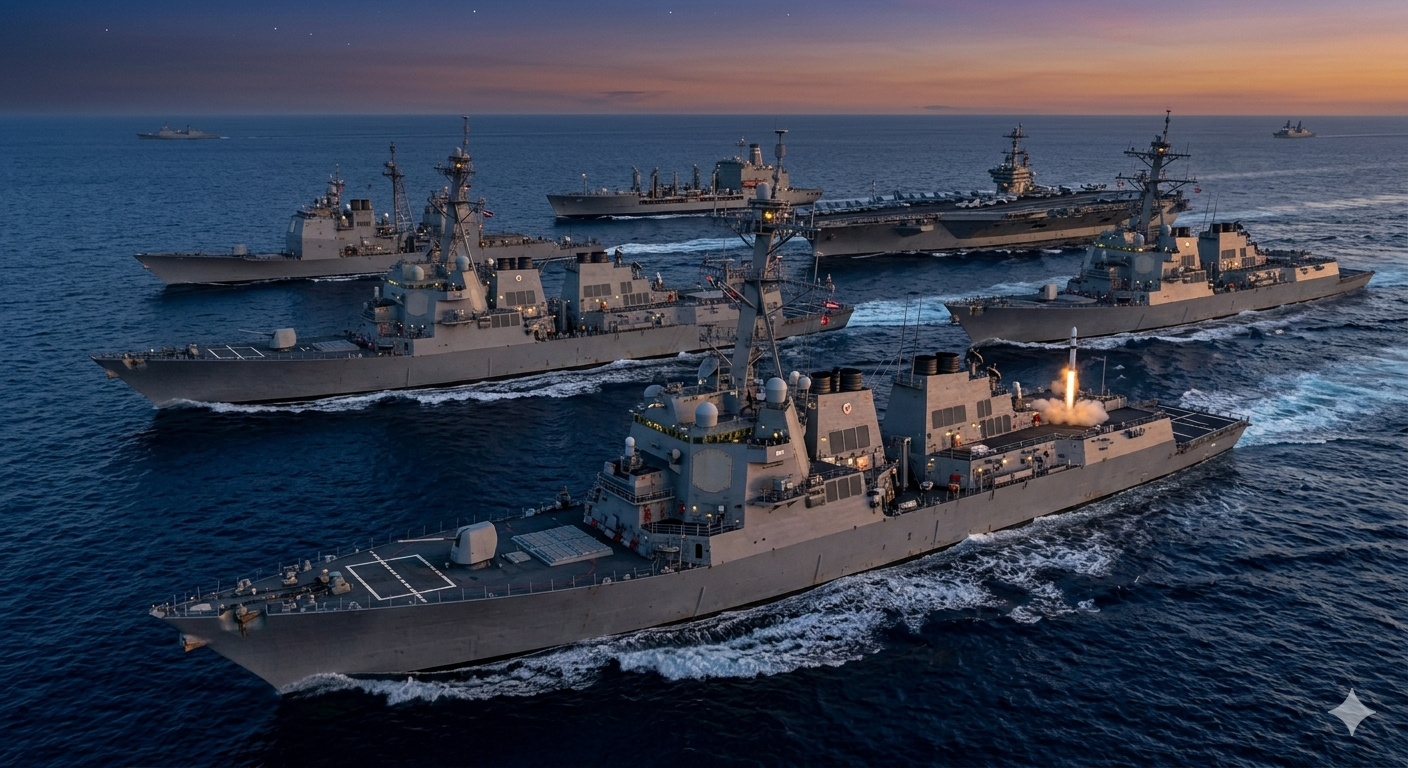
America-class ships are part of the expeditionary groups of the United States Navy. These groups are designed to conduct military operations in regions where there are no available land bases. In this type of mission, the ships serve as a launching point for military forces.
Helicopters and aircraft can transport troops directly from the ship to land, while amphibious vessels unload heavy vehicles and equipment. This operational model allows military forces to act quickly in strategic coastal areas. This rapid mobilization capability has made amphibious ships an essential element of modern military strategy.
Naval Command and Control Center
In addition to transporting troops and aircraft, America-class ships also function as command centers in military operations. They have advanced communication systems capable of coordinating naval, air, and land forces simultaneously.
This allows military commanders to utilize the ship as a central platform to control complex operations. In large military exercises or international missions, these ships often take on the role of flagship for the expeditionary force.
Versatility in Military and Humanitarian Missions
Although they are ships designed for combat, America-class vessels can also participate in humanitarian missions. Thanks to the large internal space and the ability to operate aircraft, these ships can transport supplies, medical teams, and emergency equipment to regions affected by natural disasters.
They can also carry out evacuations of civilians in conflict zones or international crises. This versatility expands the strategic role of these ships beyond traditional military use.
A New Generation of Amphibious Ships
The America class represents a significant evolution in how naval forces project military power around the world. By combining troop transport, operation of modern aircraft, and advanced command systems, these ships create a multifunctional platform capable of supporting different types of missions.
This combination of size, aerial capacity, and mobility has transformed America-class ships into some of the most powerful floating military bases ever built.
Today, these vessels continue to be key components of the United States’ naval strategy, demonstrating how naval technology has evolved to create increasingly versatile platforms capable of operating in any region of the planet.







45.000 Toneladas