





 Portuguese
  English
  Spanish
  3 min of reading
  0 comments


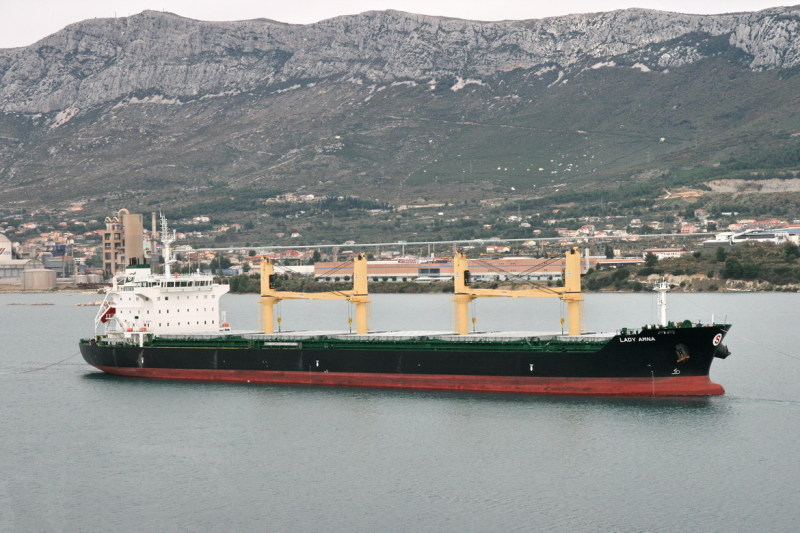
A ship carrying 20,000 tons of explosive fertilizer dumped part of its cargo into the sea, creating environmental concerns and risks to marine wildlife.
The cargo ship Ruby, registered under the flag of Malta, has become the subject of controversy again following a recent trip to the port of Great Yarmouth in the United Kingdom. The shipment, carrying 20,000 tons of ammonium nitrate fertilizer, has been accused of dumping contaminated cargo in the North Sea, prompting criticism from local and environmental authorities.
The case dates back to an incident involving ammonium nitrate, a substance that was at the center of the devastating explosion in Beirut in 2020.
At that time, the explosion of a cargo of ammonium nitrate at the port of Beirut killed over 200 people and caused billions in damages. According to authorities, the cargo aboard the Ruby represents an even greater risk: seven times the amount involved in the Lebanese tragedy.
-
The most famous volcano in the world could paralyze one of the largest metropolises on the planet: Japan accelerates emergency plans for the eruption of Mount Fuji, which could bury Tokyo in ash for over two consecutive weeks.

-
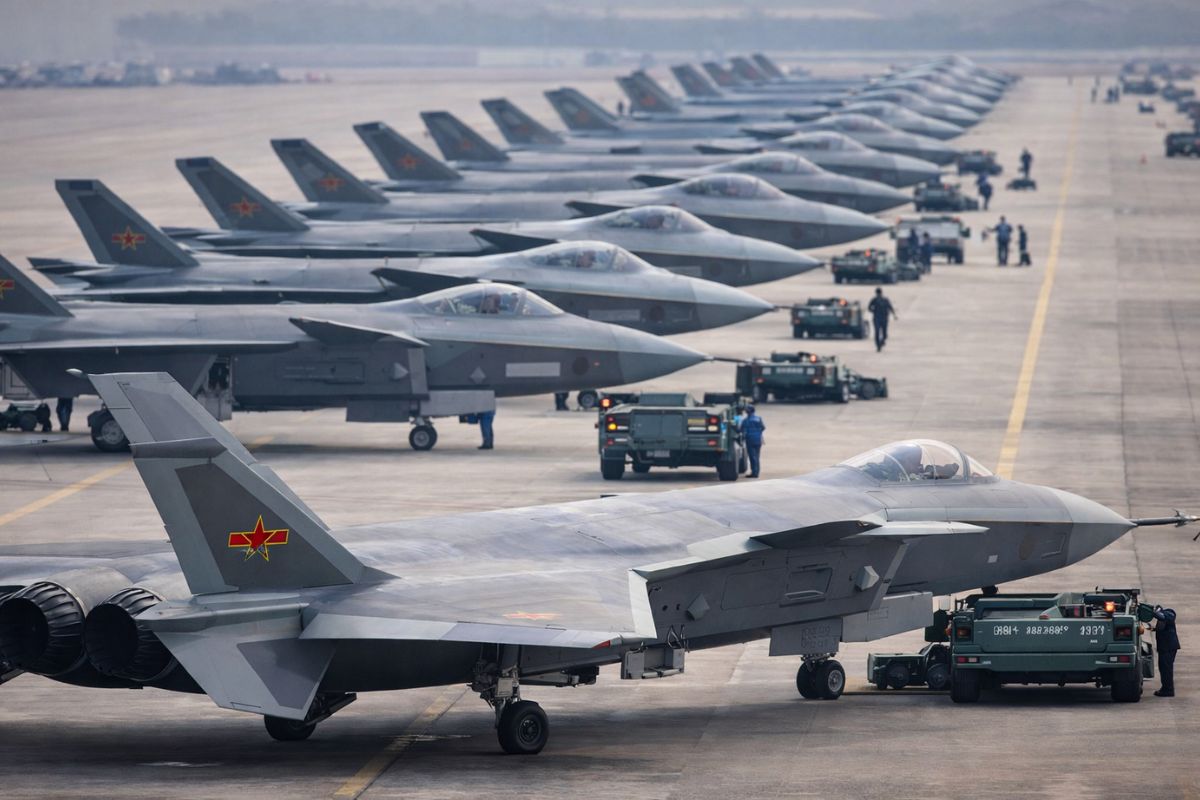
The United States has a serious problem with its F-35s: China is already producing fighters at a pace that exceeds American capacity and could manufacture up to 300 aircraft per year before the end of the decade, shifting the global military balance.
-
Remains with battle wounds of over 100 soldiers from the Roman Empire are found beneath a football field in Vienna, leaving everyone surprised.

-
Elon Musk notes Brazil and lowers the price of his internet, Starlink, promising to connect all corners of the country with affordable plans, 10,000 satellites, and 1 million active users in the national territory!


The British government’s decision to allow the ship to return to the port of Great Yarmouth caused outrage among politicians, who accused the Secretary of State of negligence. They claimed that the ship should never have been granted permission to dock, given the security implications involved.
Contamination and Environmental Concerns with the Ship
Initial reports indicate that part of the Ruby‘s cargo was found contaminated, which raised further concerns. The UK’s Maritime and Coastguard Agency (MCA) confirmed that a “small amount” of contaminated fertilizer was successfully removed. However, the situation raised questions about the exposure of ammonium nitrate to seawater, which could enhance marine ecosystems, as warned by environmentalists. The presence of the compound could affect the fishing environment in the region.
The ship, which left Great Yarmouth on November 16, made a brief trip of about 12 nautical miles from the coast before returning two days later, raising suspicions that contaminated cargo may have been dumped at sea. Although the operator of Great Yarmouth port justified the departure as an “operational necessity,” critics argue that the action was hasty and irresponsible.
Reactions and Government Defenses
The UK’s Department for Transport defended the operation, ensuring that the docking and unloading operations followed MCA and Health & Safety Executive (HSE) safety guidelines. The authority insisted that the decision was commercial, with no legal basis to prevent the Ruby‘s entry into the port.
However, the operation was not well received in countries such as Norway, Sweden, and Lithuania, which had previously denied the ship entry. The refusal was motivated by safety concerns after the ship suffered damage in a grounding incident in Norway in August. Temporary repairs were made, and the vessel was escorted by tugboats under the supervision of its classification society, DNV.
Cargo Transfer and Criticism of Dumping at Sea
The operator of the Ruby, Serenity Shipping, based in the United Arab Emirates, began transferring the cargo to another ship, the Zimrida, registered in Barbados, following contamination findings. However, delays occurred due to the need to remove contaminated cargo.
Despite the UK government’s assurances that ammonium nitrate “is not a persistent chemical” and dissipates quickly in seawater, environmental groups continue to criticize the dumping in the ocean, arguing that environmental consequences can be unpredictable and harmful in the long term.
The case of the Ruby remains in the international spotlight, with authorities, politicians, and environmentalists questioning the decisions made surrounding the shipment, especially after the warning issued by Norway in September. As new information emerges, the controversy over the safety and environmental impacts of ammonium nitrate continues to expand.







Seja o primeiro a reagir!