





 English
  Francês
  Alemão
  Italiano
  Japonês
  Norueguês
  Portuguese
  Spanish
  3 min of reading


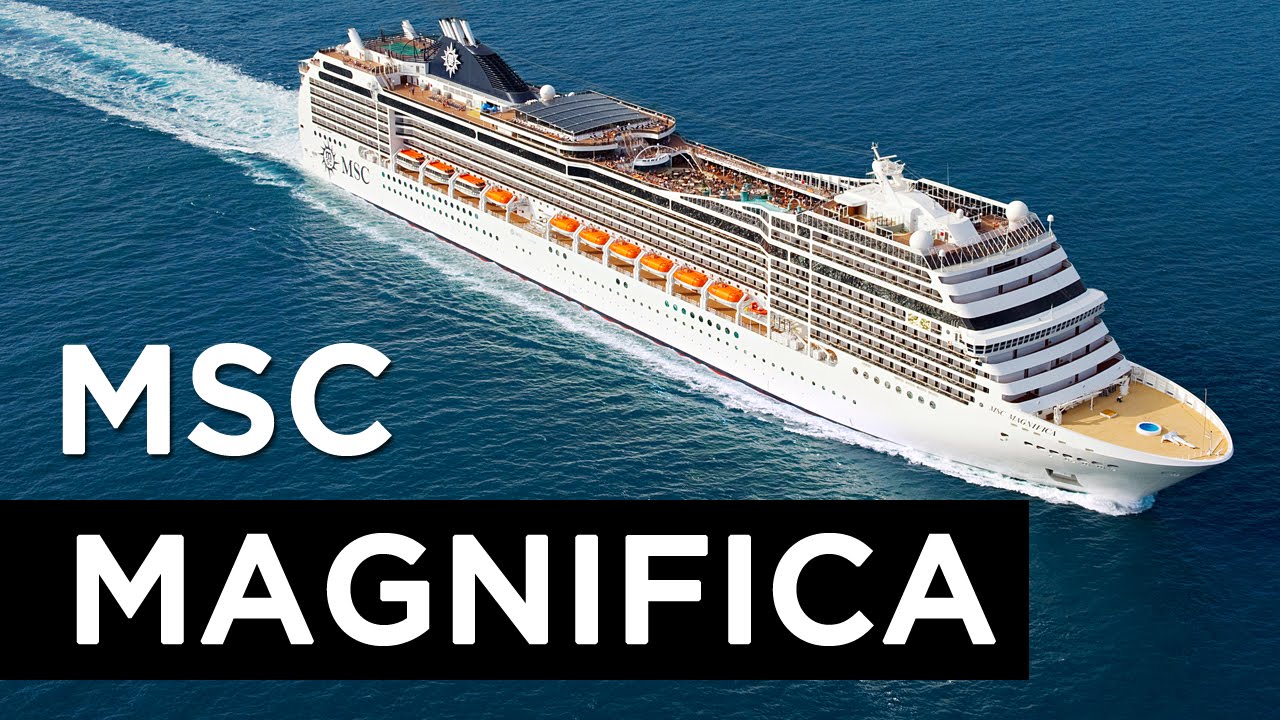
MSC Crociere S.A Was Condemned to Pay Compensation for Keeping 13 Brazilians in Slave Labor on Its Ship MSC Magnifica During the 2013/2014 Season
Seven people received a criminal action from the Federal Public Ministry (MPF) for keeping 13 Brazilians in slave labor during the 2013/2014 season aboard the MSC Magnifica cruise ship. The progress of the case could result in significant losses for MSC.
Read Other News
The Situation of Brazilians on the MSC Ship
The 13 Brazilians were hired through Brazilian companies that grouped labor for MSC Crociere S.A. and were subjected to slave labor conditions, working 11 to 16 hours daily, with no 24-hour rest periods during the week, with break periods being divided throughout the work shift and frequently interrupted by parallel work activities, standby system, work meetings, and safety training.
The workers on the ship who suffered from slave labor also had no right to vacation, FGTS, thirteenth salary, and other worker rights guaranteed by the Constitution.
-
Historic bankruptcy of Centauro shocks the market, and the century-old company puts more than 500,000 products, machines, and complete infrastructure up for online auction.
-
New shoe factory in Ceará is expected to create 400 jobs and strengthen the local economy.
-
No one imagined it, but a mixture of sawdust with a mineral that fights fires surprises scientists with a result that changes the course of fire-resistant construction.

-
From empty land to a high-end house, wooden construction uses a lightweight system, metal structure for the foundation, ventilated ceramic cladding, and special windows to create an efficient and comfortable living space throughout the year.


Know What Positions Were Held by Brazilians on the Ship
The MSC ship workers held positions as cabin attendants, waiters, bar attendants, assistant cabin attendants, buffet attendants, and assistant waiters. In addition to slave labor, the Brazilians also claimed that they suffered various types of psychological pressure from the ship’s chiefs and officers, who were reported to the MPF.
The rescued workers also stated that they faced moral harassment from superiors for refusing to accept slave labor and mentioned even the use of prejudiced expressions and threats that their situation would worsen when the MSC ship left the reach of Brazilian authorities.
Investigations of Slave Labor on the MSC Ship


Investigations indicate that, before signing the contract, enslaved workers paid an amount to the company regarding airfare for their work positions, training courses, and medical exams.
These debts left the enslaved individuals susceptible to pressure and slave labor from the officers, with threats of dismissal, without even receiving enough to cover the costs incurred to enter the ranks of MSC employees.
In March and April 2014, the investigation initiated an inspection on the ship when it docked at the ports of Santos, in São Paulo, and in Salvador, due to complaints from employees.
The team included members from the MPF, the Labor Public Ministry (MPT), the Ministry of Labor and Employment (MTE), the National Health Surveillance Agency, the Brazilian Navy, the Human Rights Office of the Presidency of the Republic, the Attorney General’s Office, the Federal Police, and the Public Defender’s Office of the Union.
In total, 175 workers confirmed the slave labor situation to the task force members. The 37th Labor Court of Salvador condemned MSC Crociere S.A to pay compensation in the amount of R$ 330,000 for collective moral damages.








Seja o primeiro a reagir!