





 English
  Francês
  Alemão
  Italiano
  Japonês
  Norueguês
  Portuguese
  Spanish
  3 min of reading


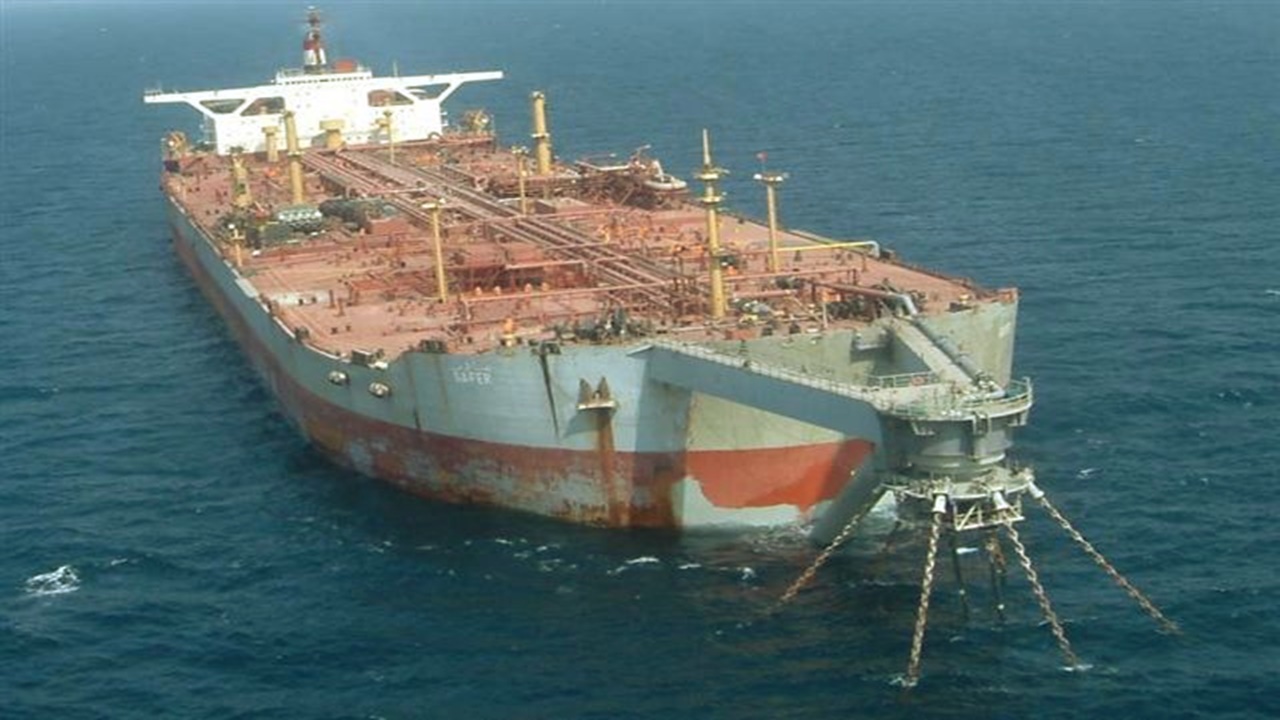
Oil Spill From Tanker Would Lead to Port Closures, Red Sea Ports of Hodeidah and Salif, Within Two Weeks, Threatening Delivery of 200,000 Tons of Fuel
A tanker, which has been decaying since 2017, could leave 8 million people without water. If the vessel, which has been abandoned in the Red Sea, starts leaking oil, the most affected would be the residents of Yemen’s west coast, a country located at the tip of the Arabian Peninsula. In addition to the population being left without water, the spill would destroy the country’s fishing industry in the Red Sea.
Read Also
- United States Tries to Contain Disaster Involving Massive Spill of 600,000 Liters of Oil, Caused by Ship Anchored in California Ports
- Venezuelan Oil Tanker FSO Nabarima at Risk of Capsizing While Loaded With Crude Oil and Attracts International Concern
- BMW, the Luxury Car and Motorcycle Manufacturer, Unveils Electric Motorcycle for People Without a Driver’s License
- 600 Elementary School Positions for Candidates Without Experience in Lifeguard Role Open in São Paulo
The tanker is named FSO Safe and negotiations are underway to unload the oil that has been inside it since it was abandoned (1.1 million barrels). The ship contains four times the amount of oil released by the Exxon Valdez in Prince William Sound in 1989, and a spill is increasingly likely.


Political Instability in the Region Hinders Oil Removal Before Disaster Occurs
A model published yesterday (10/11) in the journal Nature Sustainability calculated the impacts if the oil inside the ship begins to leak, showing that the spill would likely lead to the closure of the ports of Hodeidah and Salif in the Red Sea within two weeks, threatening the delivery of 200,000 tons of fuel to Yemen, equivalent to 38% of the national fuel requirement.
-
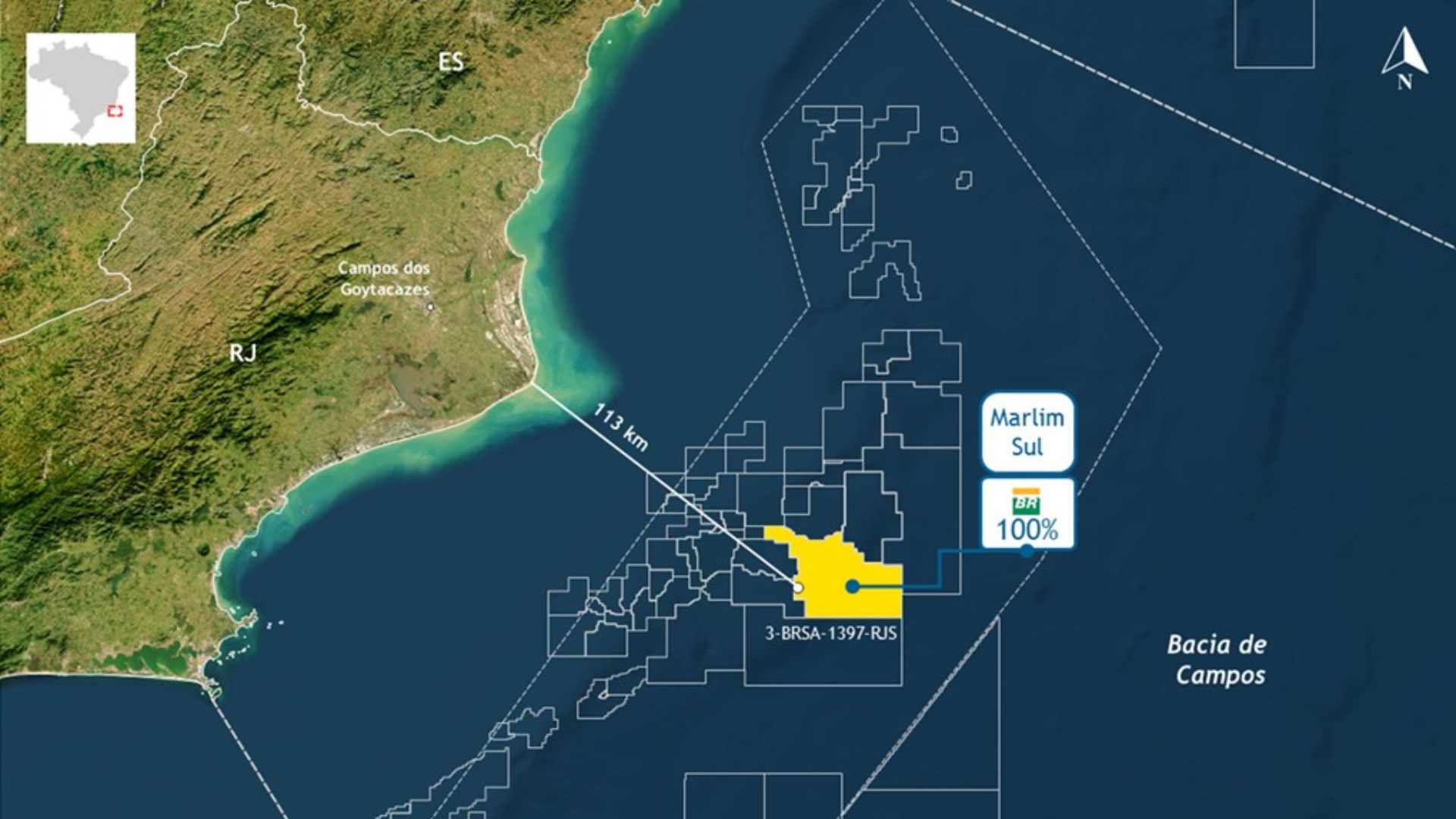
Petrobras finds high-quality oil in the pre-salt at 113 km from RJ and reignites expectations about strategic reserves in the Campos Basin.

-
Ocyan opens registrations for startups focused on innovation in the oil and gas sector and will select projects for Innovation Day with the support of Nexio.

-
Petrobras announces new oil discovery in the pre-salt of the Campos Basin and reinforces Brazil’s prominence with high-quality reserves that can increase production and energy revenues.
-
Alert in the fuel market: Analysts and a former director of ANP warn that oil prices may worsen in the coming months due to global instability.

Fuel prices are likely to rise by up to 80%, and the absence of fuel for water pumps will result in a lack of running water for 8 million Yemenis. About 2 million will lose access to water if the region’s desalination plants become polluted.
The disaster doesn’t stop there; Yemenis would not be the only ones affected. Residents of Eritrea, Saudi Arabia, and Djibouti, all with access to the Red Sea, would also suffer.
The spill would threaten 66.5%-85.2% of Yemen’s Red Sea fisheries within a week, and 93.5%-100% of those fisheries in three weeks, depending on the season.
The effects of air pollution from a spill, including increased risks of cardiovascular and respiratory hospitalizations, vary from 11.3 million person-days for a slowly-released winter spill to 19.5 million person-days for a rapidly-released summer spill.
Coral reefs in the Red Sea, which have been studied for their unique resilience to warming seawater, would also be threatened.
UN Has Issued Repeated Warnings in Security Council Meetings About the Risks from the Tanker’s Hull Breach
However, the political instability in the region hampers negotiations. The discussions involve the United Nations (UN), the UN-recognized Yemeni government, and the Houthi rebels operating in the region. As a result, discussions have not progressed.
According to the British newspaper The Guardian, the UN has issued repeated warnings in Security Council meetings about the risks from the tanker’s hull breach. Currently, the abandoned ship is monitored by a crew of only seven people.







Seja o primeiro a reagir!