Portuguese
  Spanish


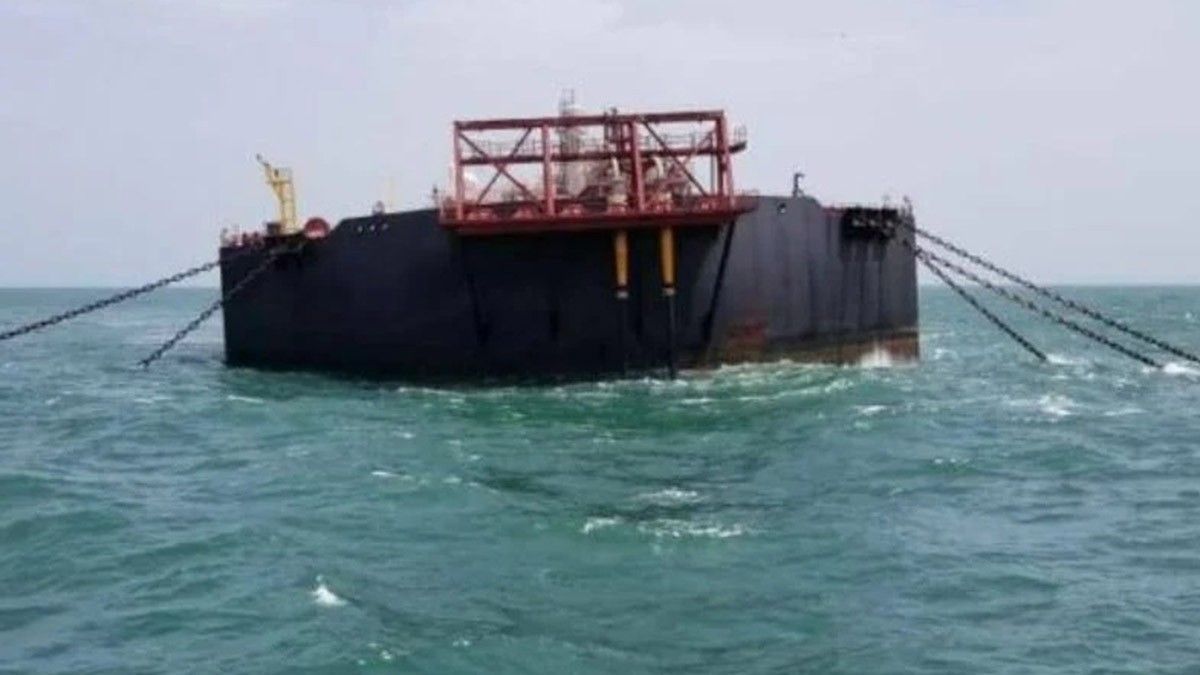

Crude Oil Is Usually Stored on the FSO for Transfer to Oil Tankers for Export. This Transfer Has Been Halted Since the US Sanctions.
The Ministry of Energy and Energy Industries (MEEI) continues to closely monitor the evolution of the situation regarding the Venezuelan oil tanker FSO NABARIMA – abandoned near the coast of Trinidad and Tobago, to avoid an environmental disaster in the Caribbean. Another similar case recently occurred, a ship heading to Brazil broke in two and spilled almost a thousand tons of oil in Recife in the Mauritius Islands
Read Also
- Rio de Janeiro: Guanabara Bay Becomes a “graveyard” for Ships
- Oil Multinational DOF Subsea Started Yesterday (04/09) Job Openings for Technicians and Engineers in Macaé and Rio de Janeiro
- Petrobras Contracts in Macaé Demand Labor in Many Functions. Compete for the Positions, Submit Resume by September 7
- Over 130 Vacancies for Candidates Without Experience! Mining Company Vale Calls for Recent Graduates in All Areas for Its Trainee Program 2021; There Is No Age Limit to Participate
As stated in the statement on September 2, 2020, the oil tanker FSO NABARIMA stores the crude oil produced in the COROCORO field that is operated by a Joint Venture (PDVSA 74% ENI- Italian Multinational 26%).
Crude oil is usually stored on the FSO for transfer to oil tankers for export. This transfer has been halted since the US sanctions.
-
Brazil’s ANP Opens 86 New Oil Blocks in the Equatorial Margin, Expanding the Amazon River Mouth Frontier

-
OPEC+ Boosts Oil Supply by 188,000 Barrels per Day in July 2026, Leading to Price Drop from $112 to $89 per Barrel in Under Two Months

-
TotalEnergies Signs 20-Year Deal to Purchase 2 Million Tons of LNG from Alaska, Boosting Project Viability
-
Turkey Deploys Çağrı Bey Drilling Ship to Explore New Oil Frontier Off Somalia’s Coast
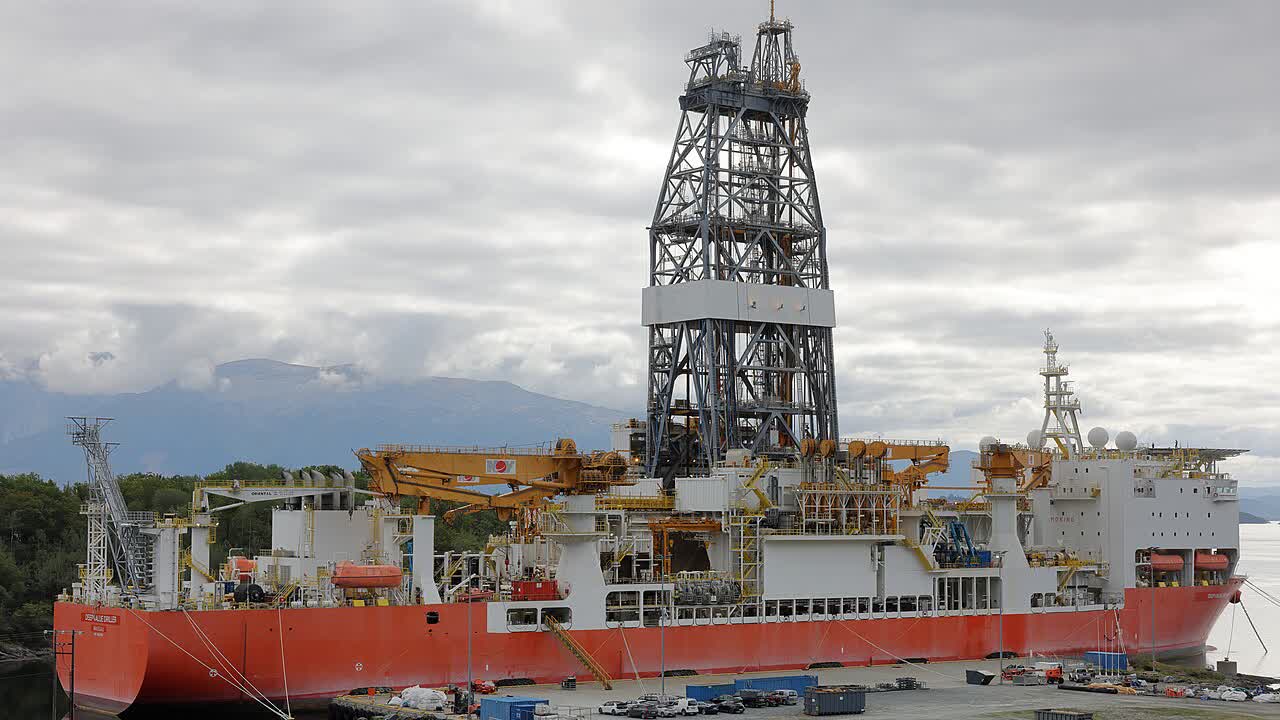
The FSO has already reached its maximum capacity (1.3 million barrels of oil). Initial reports from Venezuelan authorities indicated that the ship was upright and in stable conditions. There was no risk of oil spill. Moreover, it is a double-hulled vessel, which should provide protection against spills in case the vessel sinks.
Recent reports from the Venezuelan press claim that the oil tanker tilted 5 degrees to the right and sank 14.5 meters at the waterline. A report from ARGUS dated September 2 cites a statement from ENI, the Italian multinational energy company that has a minority stake in the field.
The report indicated that the FSO is stable and that the recent water leak has been resolved. The report also stated that there are plans in place to transfer the crude oil to another ship to further stabilize the FSO and that there is no risk of oil spill.
The MEEI has initiated official communication to obtain from the Venezuelan authorities an independent verification of the state of the ship. In addition, the MEEI, through the Venezuelan Embassy in Trinidad and Tobago, offered any technical or logistical assistance to the Government of Venezuela that may be required in this matter. Furthermore, the Minister of Energy is in contact with his Venezuelan counterpart for new updates as soon as they are available.
The Nation must be reminded that Venezuela is a sovereign state and Trinidad and Tobago cannot unilaterally enter Venezuelan territory to perform any recognition or other work without being invited to do so. There is a bilateral agreement between Venezuela and Trinidad for an oil spill contingency plan, should there be a genuine risk or an active spill. This agreement will guide the actions of the Government of the Republic of Trinidad and Tobago.