





 Portuguese
  English
  Spanish
  4 min of reading
  0 comments


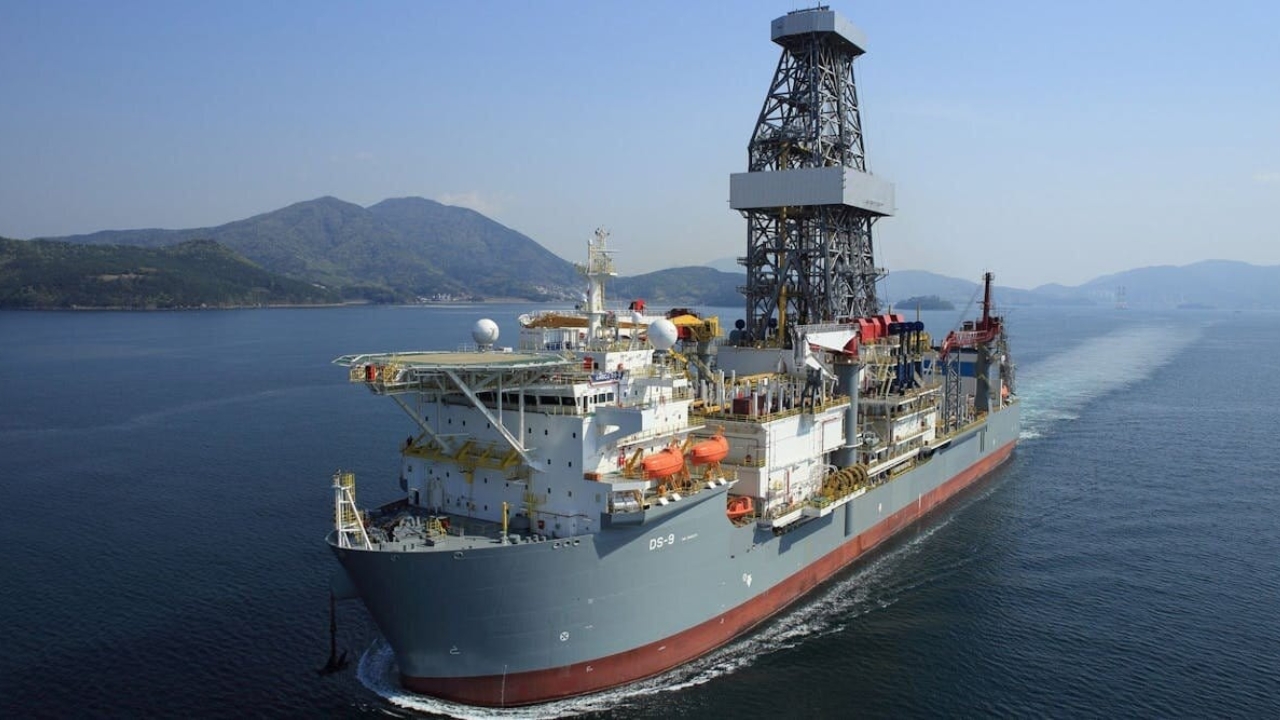
Deepwater Unit Combines DP3, 15,000 Psi BOP, and Large Logistics Capacity, and Has a Three-Year Contract with Petrobras.
Why the Valaris DS-8 Became a Reference in Deepwater
The Valaris DS-8 is a drillship designed for operations where the margin of error is minimal. The focus is to operate safely and efficiently in high-complexity offshore drilling scenarios.
What places the unit at this level is its ability to operate in demanding conditions, with a structure designed for long campaigns. This includes everything from stability in open seas to the volume of supplies and equipment necessary to maintain operational tempo.
Operating Depth: The “Ceiling” of Challenging Projects
Among the most impressive numbers is the operational limit reported for the type of mission that the DS-8 undertakes. The unit is rated to operate in water depths of up to 12,000 feet, equivalent to approximately 3,658 meters.
-
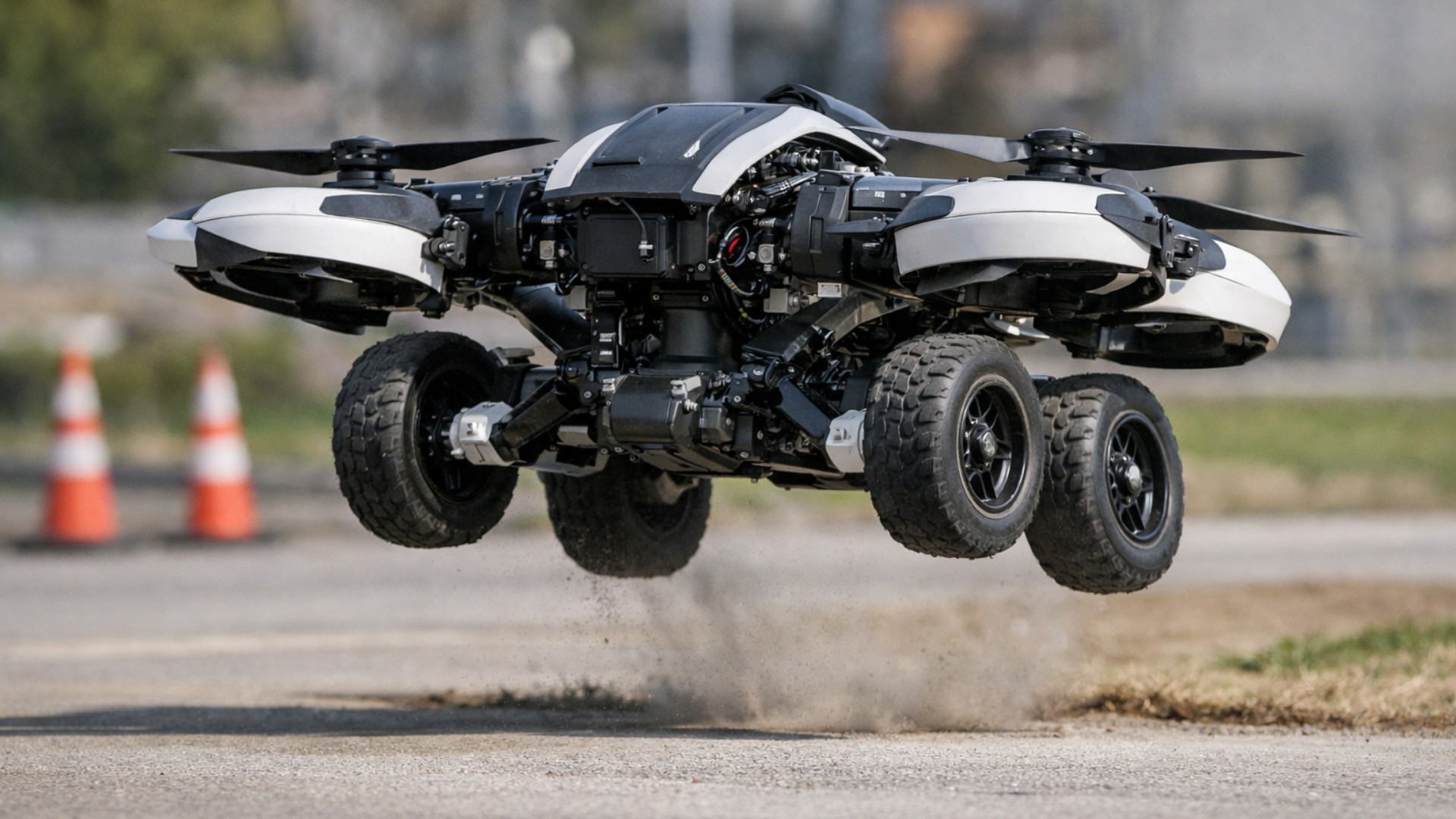
Researchers in the U.S. have created a flying robot that transforms into a land vehicle while still in the air. The technology, based on aerodynamic transition, converts landing into a scene worthy of Transformers and redefines mobility between sky and ground.
-
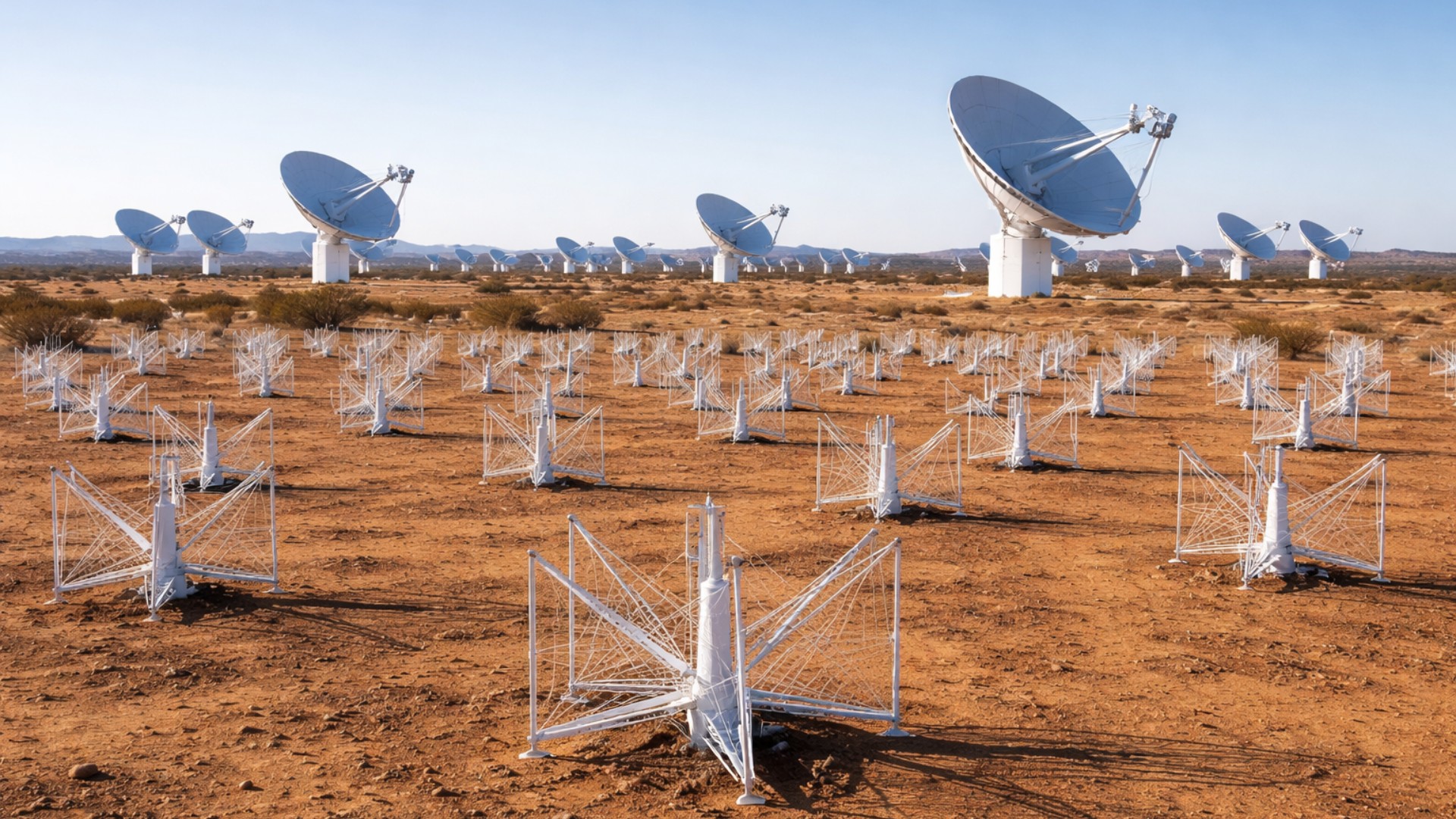
Spread across two continents, with 197 parabolic antennas in South Africa, 131,000 2-meter antennas in Australia, and a range of up to 150 km, the SKA begins to “listen” to the Universe on an unprecedented scale and accelerates the search for black holes, primitive galaxies, and nearly invisible radio signals.
-
Goodbye batteries: a new sensor created by Japanese scientists uses sweat as an energy source and points to a promising path for more sustainable devices, with greater autonomy and less need for frequent recharging.

-
The Brazilian Army inaugurated the assembly line for the Guaicurus armored vehicle with a contract for 420 units by 2033, and the same vehicle has already been tested in combat in Afghanistan and Lebanon by European armies.


In drilling, the cited limit is even more striking. The drillship is rated to drill up to 40,000 feet of total depth, positioning it in projects that require high performance and reliability.
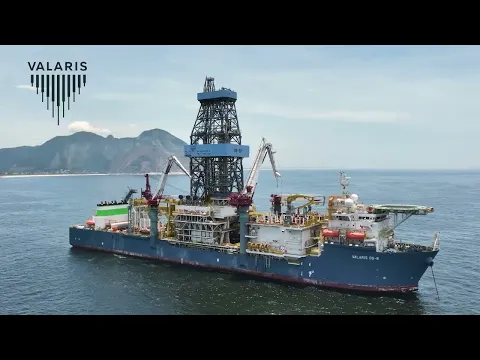

Dynamic Positioning and Power: Stability for Working with Precision
To remain stable over the well, the DS-8 is specified with a dynamic positioning class DPS-3, a reference linked to the DP3 standard in various market descriptions. In the text, this type of configuration is highlighted as a valued differential in critical operations, offering high redundancy and greater operational robustness.
The power package is also compatible with a top-of-the-line unit. The technical reference text indicates the presence of six Wärtsilä main engines and six Rolls-Royce azimuth thrusters of 5.5 MW each, a combination designed to support dynamic positioning and performance in open water, even under adverse conditions.
Lifting, Equipment, and Technology to Face the Sea
The DS-8 features a set focused on gaining efficiency in more demanding sea windows. According to the text, the derrick has a main capacity of 1,250 tons, with a simultaneous rated capacity of up to 1,750 tons, increasing operational flexibility during complex campaigns.
The text also highlights the adoption of NOV TDX 1250 top drives and drawworks with AHD system, a technology associated with active compensation for vertical sea movement. In practice, as described in the text, this type of solution helps maintain more stable operations when sea conditions impose greater challenges to drilling.
Well Control: 15,000 Psi BOP and Specification for H₂S
Another highlight of the DS-8 is in well control. The base text indicates a BOP with rams rated at 15,000 psi, in addition to choke lines with an upstream section also specified for 15,000 psi, reinforcing the focus on safety and reliability.
The text also notes the H₂S classification in the manifold. This level of specification helps explain, as the text itself indicates, why the unit is directed to environments with greater operational severity and higher regulatory demands.

Onboard Logistics and Helipad: Structure for Long Campaigns
The logistical aspect is treated as one of the strengths of the drillship. In the text, the DS-8 appears with a variable deck load rated at 22,000 tons, in addition to large storage capacities, such as diesel (42,020 bbl), drillwater (22,424 bbl), and liquid mud (16,420 bbl), among other significant volumes for long-duration operations.
The riser system mentioned in the base text follows this same operational profile, with a riser of 10,050 feet and a total tensioning indicated at 3.6 million pounds. The text also mentions accommodation for 200 people and a helipad specified for EH101 type helicopters, reinforcing the unit’s autonomy in extensive campaigns.
In Brazil, the helideck certification published by the Brazilian Navy, through DPC, is mentioned in the text as classifying the unit in the “drillship” category, with an expected operating area in the Campos, Santos, and Espírito Santo basins. The document cited in the text mentions a height of 36.00 meters, floor strength of 14.6 tons, and a maximum helicopter length of 22.80 meters, in addition to listing Ensco do Brasil Petróleo e Gás Ltda. as the operator, valid until 10/23/2026.
Who Contracts in Brazil: Petrobras and the Billion-Dollar Contract in Focus
In the Brazilian context, the company highlighted in the base text is Petrobras. The text indicates that Valaris announced a three-year contract with the state-owned company, mentioning the reactivation of the unit and a total value reported to be around US$ 500 million.
In this contractual package, the text also records a mobilization fee of approximately US$ 30 million. The charter period is described in the text as taking place between December 2023 and December 2026, with the note that the final value may vary according to the mobilization accounting methodology and additional services.
What May Happen After the Current Contract
The next developments still depend on new bids and Valaris’ commercial strategy. The base text indicates that the DS-8 is starting to come into the radar for continuity as the end of the current contract approaches.
In this scenario, as assessed in the text, Brazil remains a highly competitive market for deepwater units. This context is likely to increase interest in rigs with high-level specifications, especially those capable of sustaining long and technically demanding campaigns.






Seja o primeiro a reagir!