





 Portuguese
  English
  Spanish
  2 min of reading
  0 comments


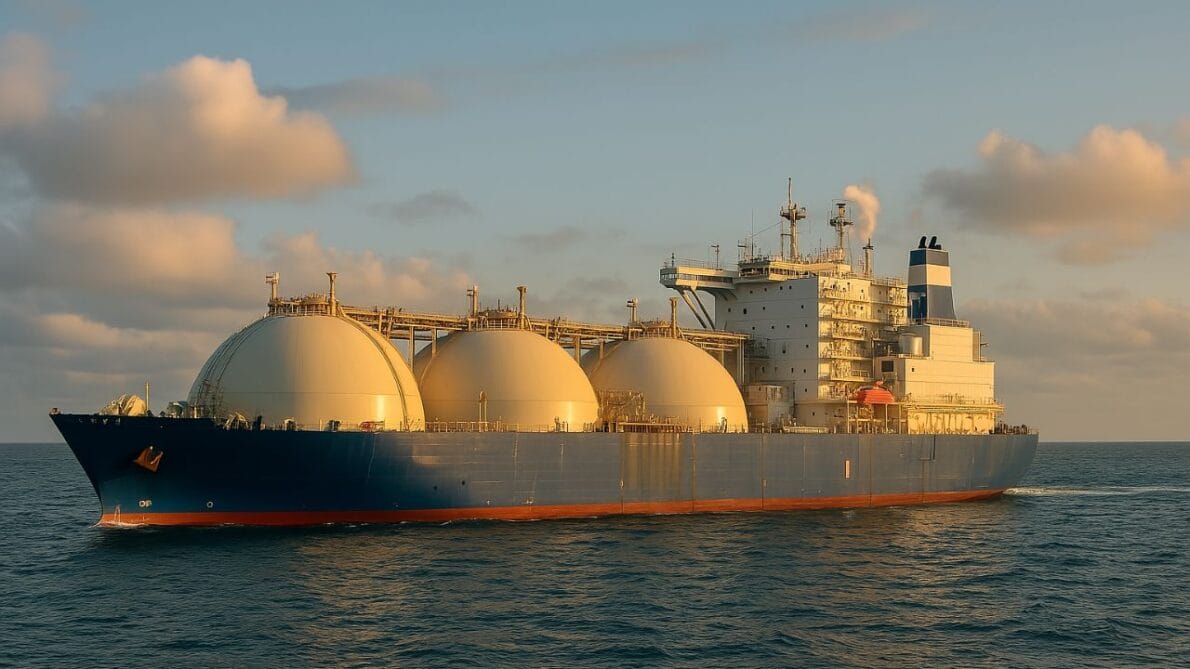
Japanese Technology Enables Maritime Transport of Hydrogen and Opens the Way for a New Global Energy Era
The era of green energy is getting closer to solidifying with the arrival of the first ships capable of transporting hydrogen in liquid form. The advancement, led by countries such as Japan and Australia, could transform global energy logistics and accelerate the transition to clean sources.
First Ship in the World Dedicated to Hydrogen Transport
The launch of the Suiso Frontier, a cargo ship built by Kawasaki Heavy Industries, marks a historic step in the energy sector. It is the world’s first ship designed specifically to transport liquefied hydrogen, a promising fuel in the fight against carbon emissions. With cryogenic tanks capable of keeping the gas at -253°C, the ship connects Australia, rich in sources for hydrogen production, to Japan, which strongly bets on the adoption of this renewable source.
According to information published by the site Eixos, the project aims to establish a safe and viable logistics chain for international transport, a technical and strategic challenge until now without a practical solution. With this innovation, Japan becomes a pioneer in the attempt to create a “hydrogen route,” similar to the already established oil and natural gas routes.
-
Renewable energy advances over protected areas in Brazil, and a survey by the Energy Transition Observatory reveals silent impacts that challenge environmental conservation and pressure sensitive traditional territories.

-
Rio Grande do Sul accelerates energy transition: State invests in renewable technologies and consolidates decarbonization strategies and pathways to attract billions in new industrial investments.

-
With 160,000 m² of collectors, an area larger than 20 football fields, Silkeborg, in Denmark, hosts a solar thermal plant that heats 19,500 homes and could become the largest solar heating plant in the world.

-
A study reveals the expansion of renewable energy procurement in Brazil and shows how companies are taking advantage of opportunities to reduce expenses, ensure energy efficiency, and strengthen strategic environmental commitments.

Hydrogen as a Pillar of the Energy Transition
Transport by ships represents a necessary advance to meet the growing global demand for clean energy. Countries such as South Korea, Germany, and the United States are also studying similar alternatives, closely observing the results obtained by Japan. Hydrogen is considered essential for decarbonizing heavy sectors, such as industry and long-distance transport.
However, there are challenges: costs are still high, and the energy efficiency of transport needs to improve. Additionally, hydrogen production must be carried out sustainably, preferably through electrolysis using renewable sources, to ensure that the energy cycle is truly clean.
Prospects in Global Trade
The consolidation of maritime routes for transport could completely transform international energy trade. Countries that currently rely on oil imports may, in the future, import hydrogen from regions with abundant solar and wind resources. This opens up room for new geopolitical alliances and business models in green energy.
Eixos highlights that the bet on hydrogen could also boost investments in port infrastructure, logistics innovation, and energy transition policies, consolidating hydrogen as a key component in the low-carbon economy.








Seja o primeiro a reagir!