





 Portuguese
  English
  Spanish
  5 min of reading
  0 comments


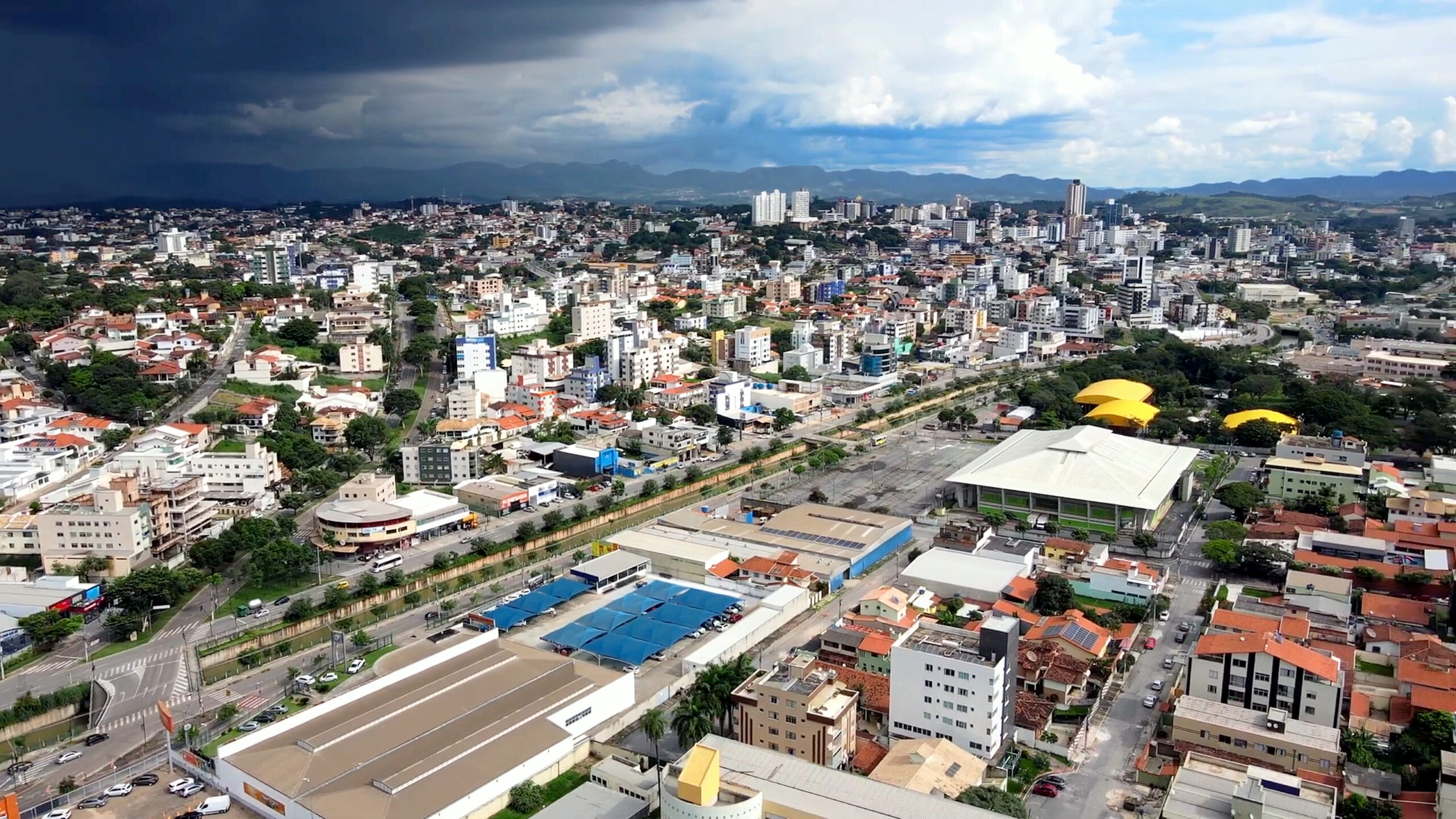
Betim has properties starting at R$ 139 thousand and price per m² well below Belo Horizonte, even with a strong industrial and logistical base.
In March 2026, the municipality of Betim, in the Metropolitan Region of Belo Horizonte, appears as one of the most relevant cases to understand the distortions of the Brazilian real estate market. According to data from the FipeZAP Residential Sales Index for March 2026, the city records an average price of approximately R$ 4,931 per square meter, significantly lower than that observed in the state capital, where the average price reaches R$ 10,622/m².
This contrast becomes even more pronounced when compared to the absolute value of the properties advertised. On recent offer pages in the local market, there is, for example, a 90 m² penthouse advertised for R$ 139 thousand in Betim and compact apartments of 42 m² to 45 m² in the range of R$ 180 thousand in neighborhoods of the city.
The most striking data is that, even with a strongly industrialized economic base, Betim maintains entry prices much lower than cities with a similar structure. According to the Betim City Hall itself, the industrial park of the municipality has grown and diversified over the last few decades, bringing together petrochemical, automotive, metallurgical, mechanical, service, and logistics activities. This helps explain why the case draws attention: it is a city with a strong productive and logistical presence, but with properties still positioned in entry-level ranges much lower than those of the state capital.
-
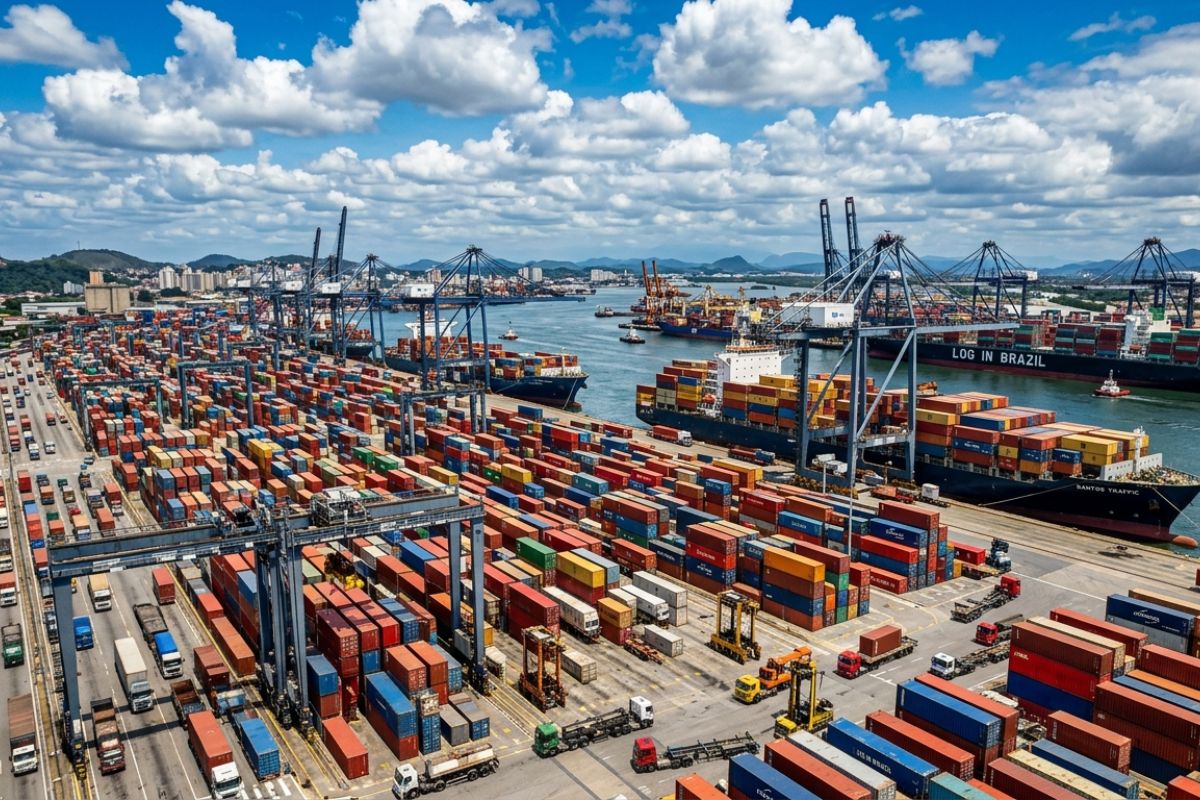
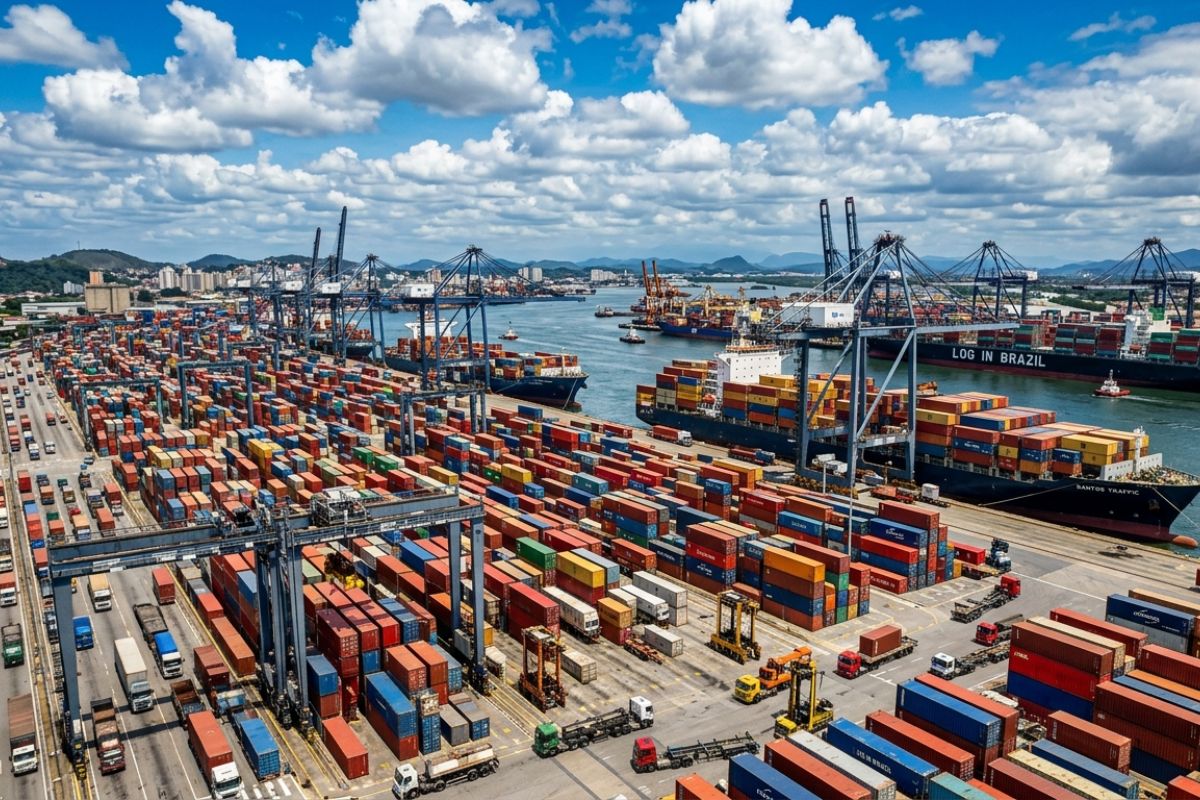
Ports like Santos and Paranaguá are operating at their limits and may block containers as early as 2030, warns a study by Macroinfra; bottlenecks increase costs and delays and push cargo to Rio, Salvador, Pecém, and Suape across Brazil.
-
Lula reveals in an interview that he asked President Xi Jinping three times to invest in a major project in Brazil, the Salvador-Itaparica bridge, which is set to begin in June with the participation of a Chinese consortium and is expected to be extraordinary, according to the president.

-
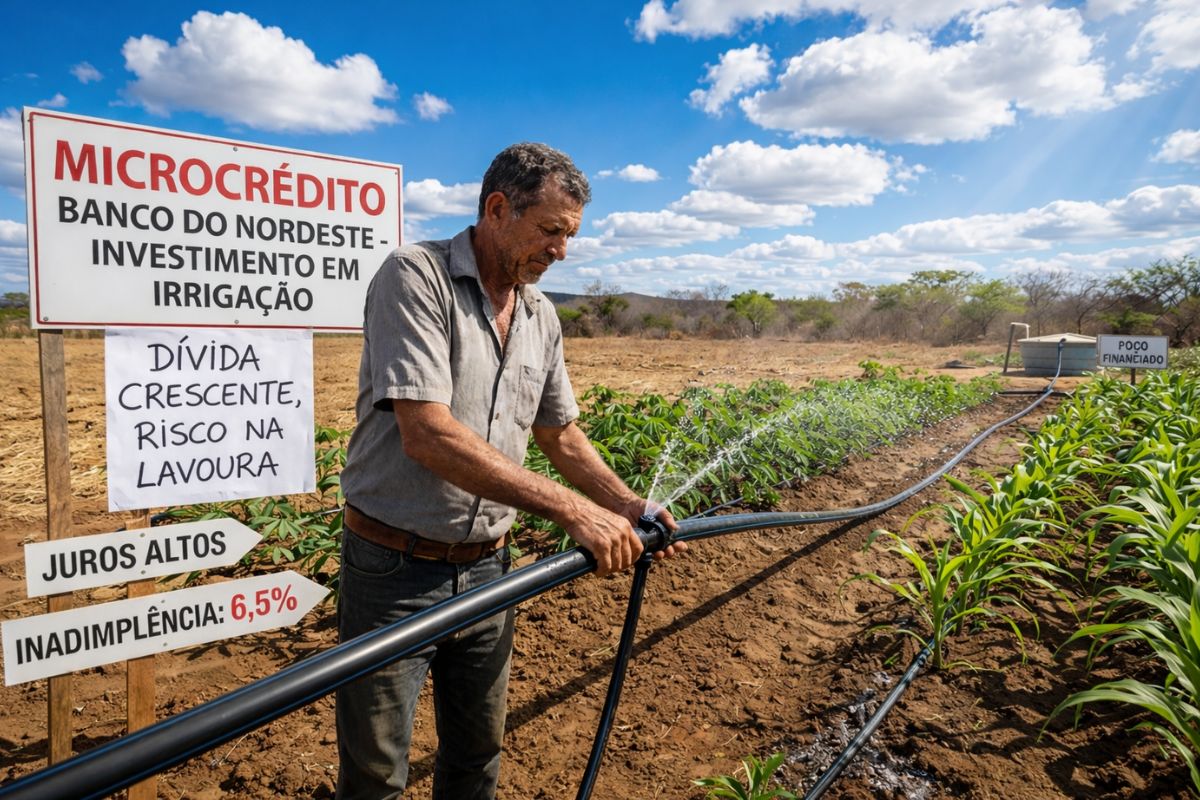
Drought in northern Bahia forces family farmers to invest in expensive irrigation and seek microcredit from Banco do Nordeste; with high interest rates and a default rate of 6.5%, the debt becomes a threat to the crops.
-
According to the FipeZAP index, Pelotas has the cheapest square meter in Brazil, with properties starting at R$ 90,000 and 33 m², and a market supported by universities, services, and a lower cost of living.
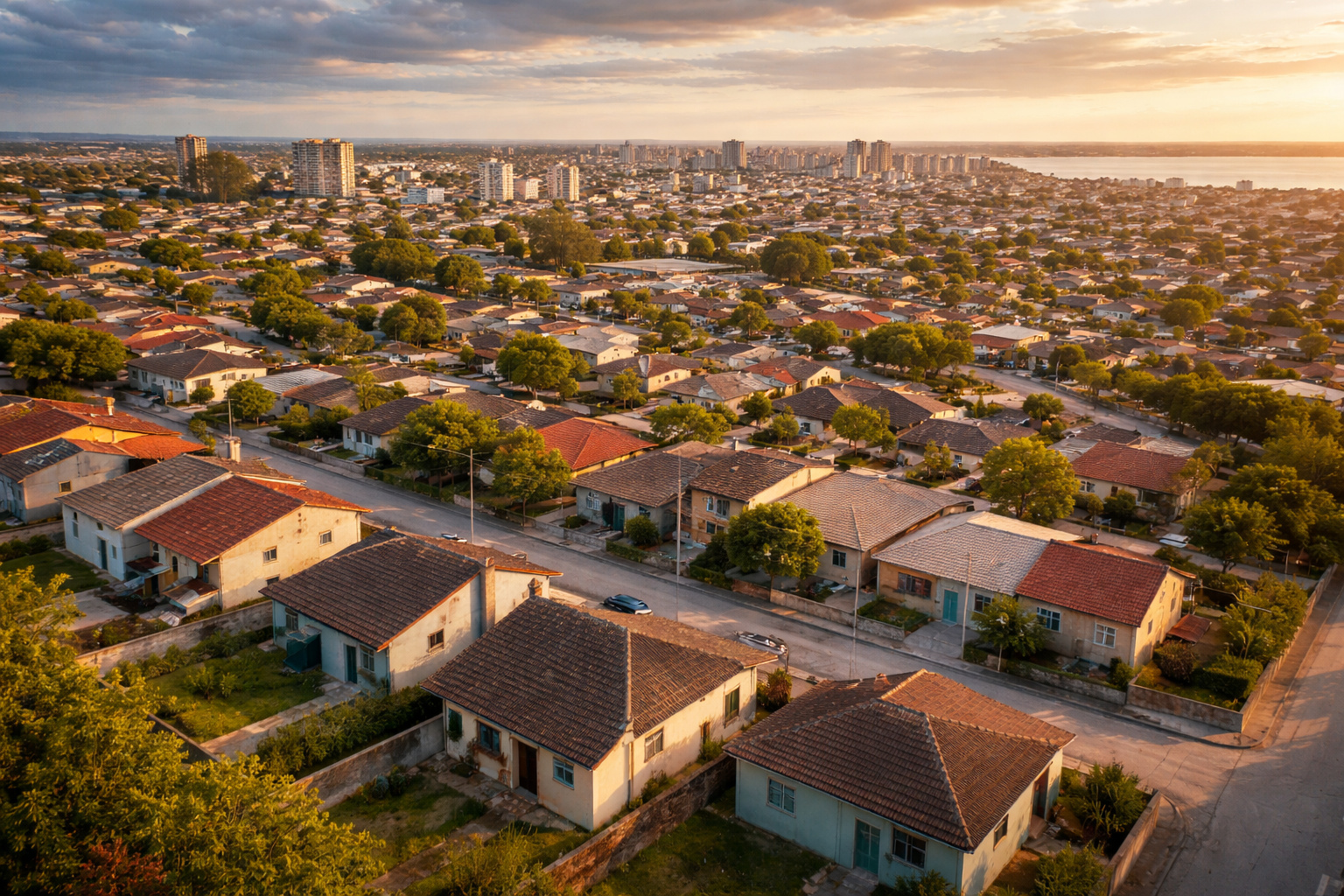

The automotive and petrochemical pole places Betim among the most relevant industrial centers in the country
Betim is not a peripheral city in economic terms. On the contrary, it is one of Brazil’s main industrial hubs. The municipality houses:
- one of the largest Stellantis factories in Latin America
- Gabriel Passos refinery (REGAP), one of Petrobras’s main refineries
- strategic logistics centers
- companies linked to the automotive and petrochemical chain


This industrial concentration generates jobs, stimulates the regional economy, and places Betim in a strategic position within the Metropolitan Region of Belo Horizonte. Furthermore, the city has strong integration with important highways, facilitating the flow of production and reinforcing its logistical role.
Proximity to Belo Horizonte creates a complementary real estate market
One of the main factors explaining the lower prices in Betim is its direct relationship with Belo Horizonte. The state capital concentrates:
- higher average income
- greater availability of specialized services
- higher property appreciation
- greater housing pressure
In this context, Betim functions as a more accessible alternative within the metropolitan region, absorbing part of the demand that cannot access the capital’s prices.
This dynamic is common in large urban regions, where neighboring cities have lower prices due to differences in income and appreciation.
Average income and population profile directly influence prices
Despite the strong industrial base, the average income of Betim’s population is still lower than that of Belo Horizonte. The real estate market responds directly to the payment capacity of residents, which limits price growth even in an active economic environment.

A large part of the population is linked to industrial and service jobs, with more stable but lower income than that observed in more specialized sectors of the capital.
This factor creates a natural ceiling for property prices, preventing them from keeping pace with the appreciation levels of wealthier cities.
Supply of properties and urban expansion keep prices under control
Another relevant point is the availability of areas for urban expansion in Betim. Unlike Belo Horizonte, where there is greater scarcity of land, Betim has:
- available areas for new developments
- expanding neighborhoods
- lower urban density in certain regions
This availability reduces pressure on prices and prevents the formation of real estate bubbles.
Additionally, the municipality has a large number of horizontal properties, which helps maintain the average cost lower compared to cities with strong verticalization.
The market for popular and entry-level properties dominates the local scenario
The lower prices in Betim are directly linked to the profile of the properties offered. A large part of the available units in the market consists of: single-story houses in peripheral neighborhoods, compact apartments, and properties aimed at housing programs.
This type of offer primarily serves a middle and low-income audience, reinforcing the accessible nature of the local market. The presence of housing programs and financing also contributes to maintaining active demand in this segment.
Comparison with Belo Horizonte evidences structural difference
The difference between Betim and Belo Horizonte is not only numerical but structural.
While the capital presents:
- greater verticalization
- greater presence of high-end properties
- greater income concentration
- greater demand for central locations
Betim maintains:
- a more horizontal profile
- less presence of premium properties
- prices adjusted to local income
- less pressure for location
This structural difference explains why the square meter in Betim can be less than half the value recorded in the capital, even being just a few kilometers away.
Lower living costs reinforce the attractiveness of the municipality
Another important factor is the overall cost of living. Betim presents: lower housing costs, lower average service prices, and lower local inflation pressure.
This set makes the city attractive for those looking to reduce expenses, especially workers who operate in the metropolitan area.
The combination of lower living costs and proximity to Belo Horizonte creates a balance that sustains the real estate market.
Appreciation exists, but follows a more moderate pace
Despite the lower prices, the real estate market in Betim is not stagnant. There is appreciation, driven by:
- growth of the metropolitan region
- industrial expansion
- infrastructure improvements
However, this growth occurs in a slower and controlled manner, avoiding sharp price fluctuations. This characteristic can be seen as a sign of stability, especially for buyers seeking predictability.
Betim positions itself as an accessible alternative within the metropolitan region
The combination of economic and urban factors places Betim as a relevant alternative within the Metropolitan Region of Belo Horizonte.
With properties starting at R$ 139 thousand, a significantly cheaper square meter, and a solid economic base, the city offers a more accessible entry point for those seeking housing or investment.
This positioning may attract:
- workers from the region
- first-time homebuyers
- investors in rental properties
The case of Betim highlights an important dynamic of the Brazilian real estate market. Even with a robust industrial economy, the presence of large companies, and a strategic position in national logistics, the municipality maintains low real estate prices due to the combination of lower average income, availability of affordable properties, and less speculative pressure.
This reality shows that the value of properties does not depend solely on the economic strength of a city, but on how that wealth is distributed and converted into the purchasing capacity of the population.
By consolidating itself as one of the most accessible cities in the metropolitan region, Betim demonstrates that there are still places in Brazil where it is possible to find properties at significantly lower prices than in the capitals, even in economically relevant areas.






Seja o primeiro a reagir!