





 Portuguese
  English
  Spanish
  5 min of reading
  0 comments


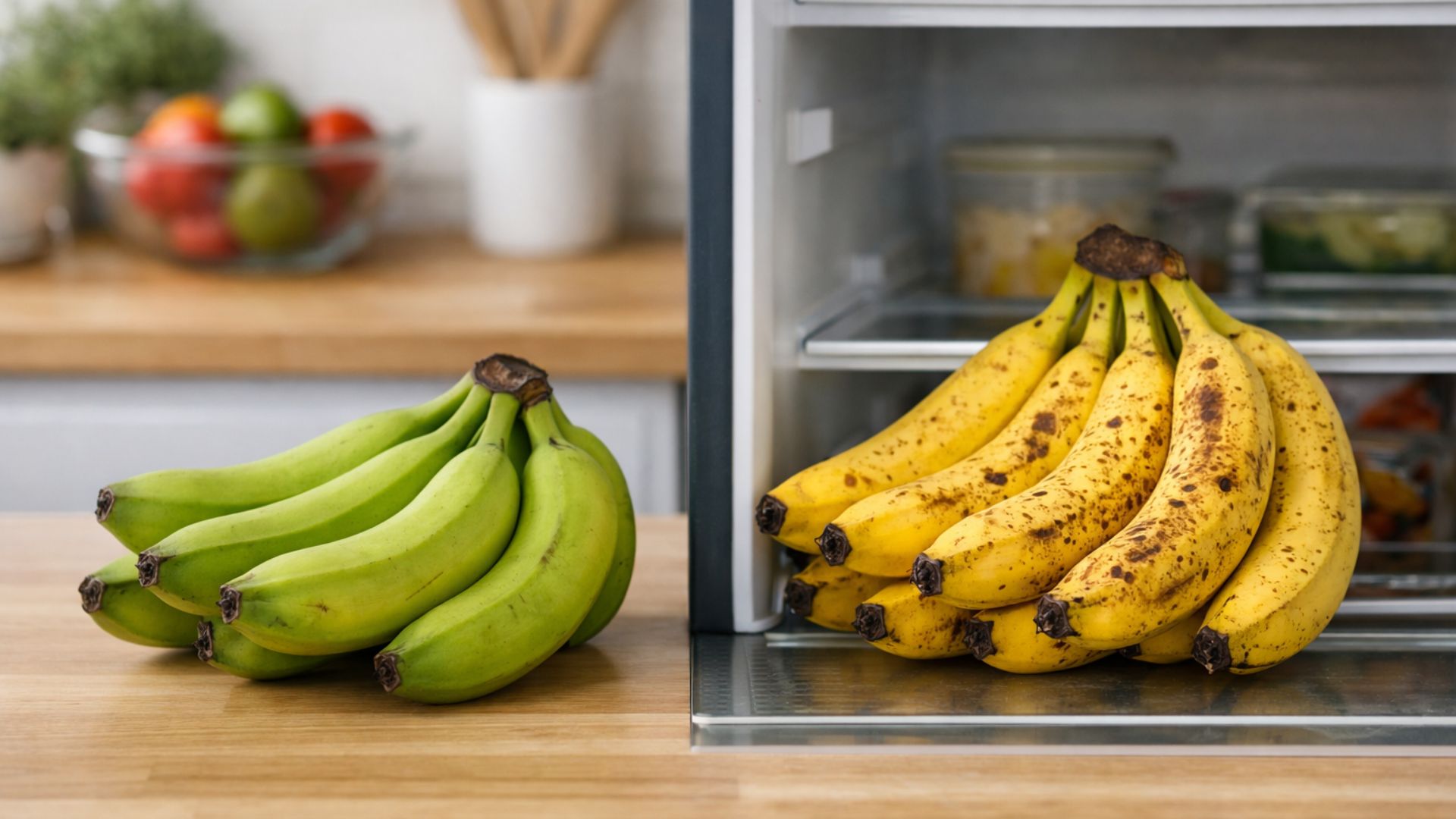
Simple change in storage prevents waste and increases the lifespan of bananas by considering the ripeness stage, balancing use between fruit bowl, refrigerator, and freezer without compromising texture, flavor, or domestic use over the days.
Storing bananas the same way from start to finish usually shortens the fruit’s shelf life and increases waste at home.
The safest recommendation is to separate storage by ripeness stage: when the peel still mixes green and yellow, the banana should be kept at room temperature; when it is already yellow with brown spots, the refrigerator becomes the best option for longer preservation.
According to the Iowa State University Extension and Outreach, ripe bananas can be refrigerated for up to two weeks, while those still ripening should be kept out of refrigeration.
-
Kitchens are replacing old items with a faster, more economical, and precise electric version for daily preparation.
-
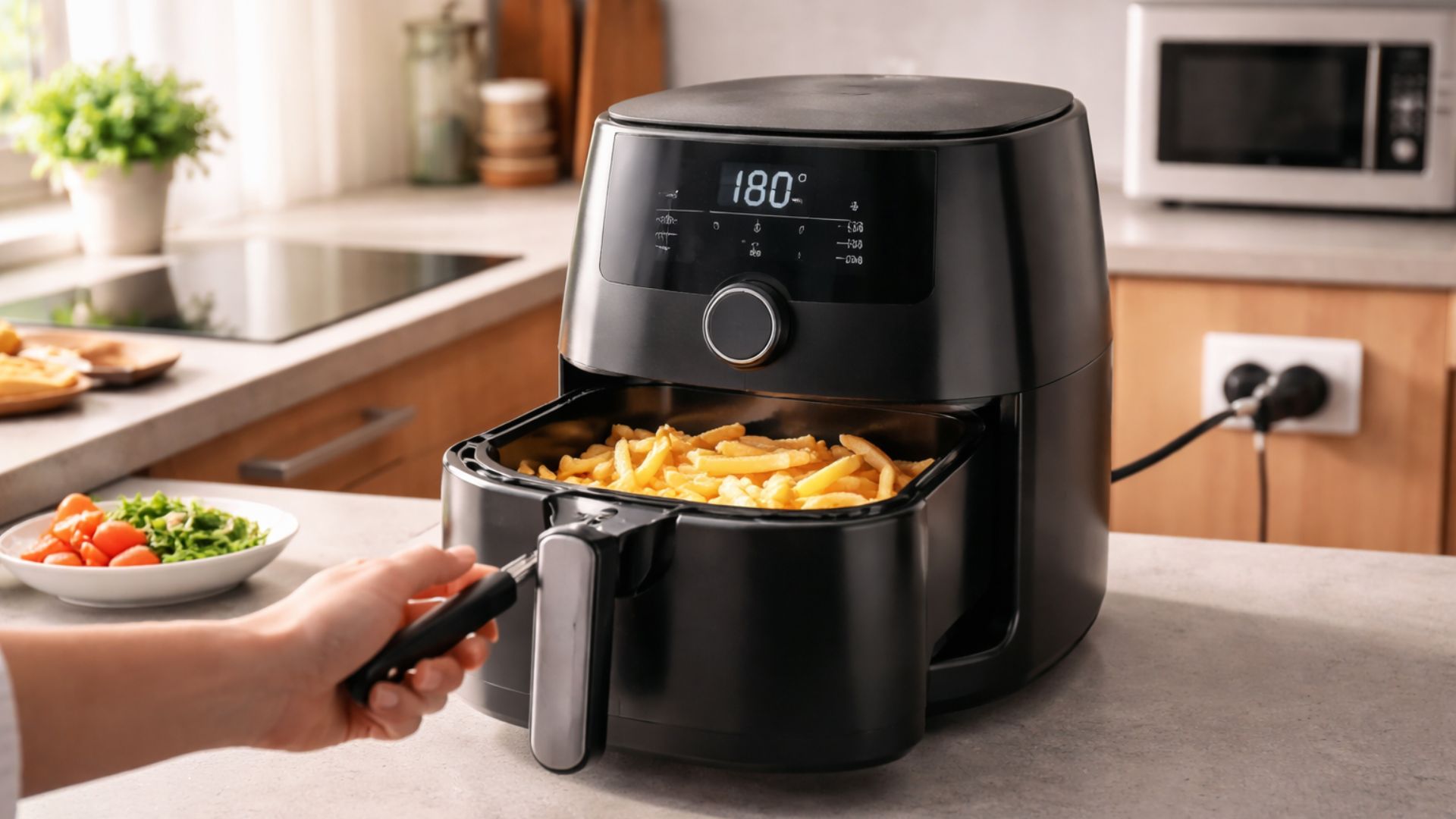
The air fryer entered Brazilian homes so quickly that the government began to measure its impact on energy, and the progress up to 2050 is already outlined.
-
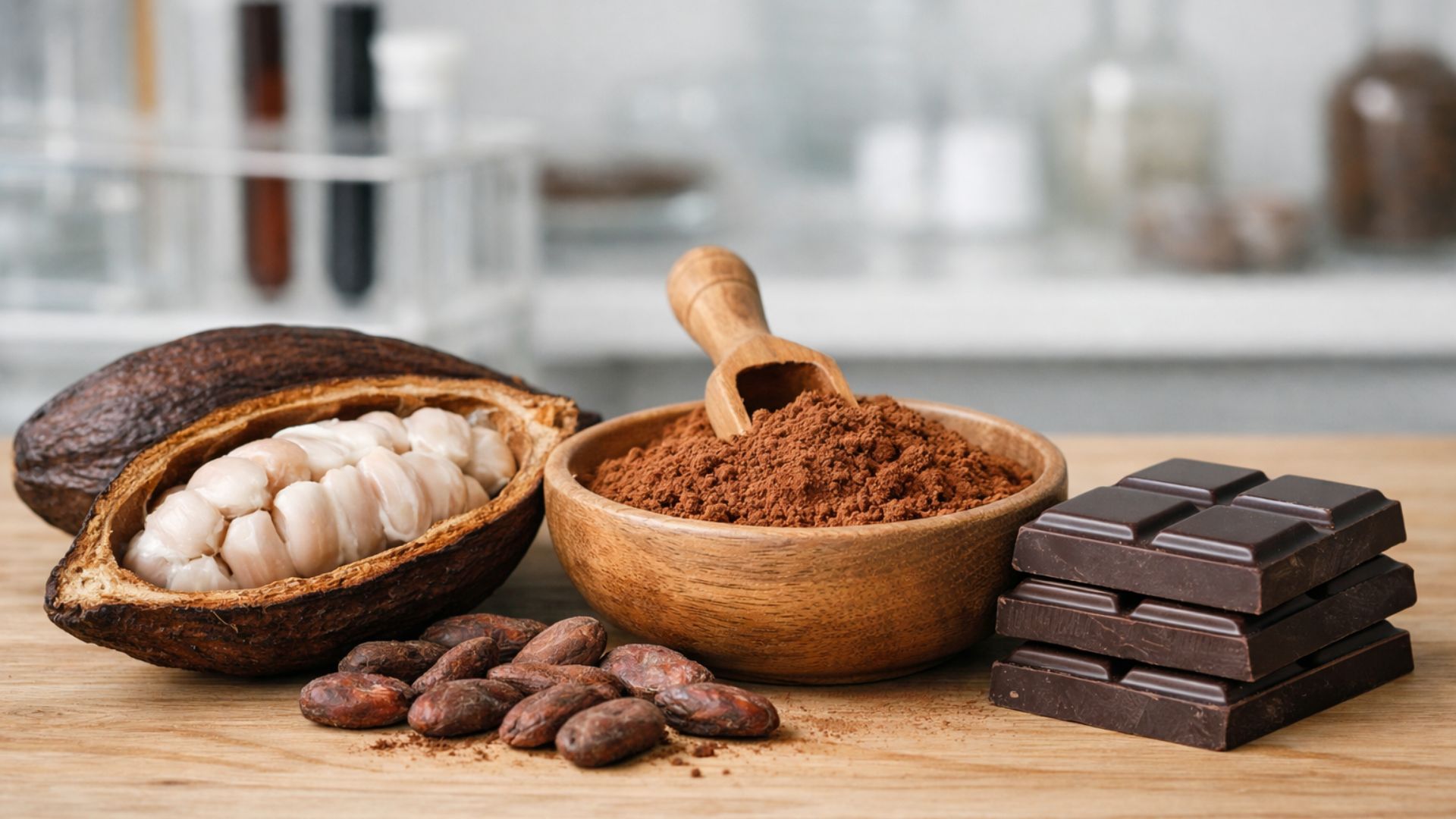
Millions of people have been consuming cocoa for centuries without knowing that this ancestral fruit contains flavanols that scientists link to improved blood flow and measurable effects on attention and memory.
-
A Dutch builder has erected a 122-meter Noah’s Ark with 25 barges, cedar, and pine, created 7 floors with cinemas and a restaurant, and now the vessel will be taken to Amsterdam.

Difference between ripening and preserving bananas
The most common confusion starts when ripening and preservation are treated as if they were the same stage.
They are not.
In the phase where the fruit is still firm, with greenish traces, the goal is to allow it to reach the ideal point for consumption.
In this scenario, the natural environment of the kitchen remains more suitable than the refrigerator, because the cold interrupts part of this process and can frustrate those who expected to find the banana ready a few days later.
On the other hand, the logic reverses when the banana is already ripe.
At this moment, leaving the bunch forgotten in the fruit bowl accelerates the loss of quality, especially in homes where consumption is not immediate.
The same guidance from the university informs that a ripe banana lasts less than a week on the countertop, which explains why many end up overripening before being consumed.
Refrigerating, in this case, is not a mistake: it is a strategy to buy time.
How to identify the ideal point of a banana
Observing the color and firmness of the banana is more useful than following absolute rules about the refrigerator or fruit bowl.
When the peel is still between green and yellow, with the fruit firm to the touch, the recommendation is to keep it out of refrigeration.
A yellow banana, with brown spots and a softer texture, has entered the phase where the priority shifts from ripening to preserving the point already achieved.
This difference seems simple, but it changes the kitchen routine.
Instead of putting the entire bunch in the refrigerator as soon as it comes from the market or leaving all units in the fruit bowl until the end, the more efficient management is to monitor the evolution of the peel and redistribute the fruit as it changes stages.
The banana that still needs to ripen stays out of the refrigerator; the one that has already reached the ideal point can go into refrigeration, prolonging its lifespan without requiring rushed consumption.
Common mistakes when storing bananas at home
Part of domestic waste arises precisely from the attempt to apply a single method to the entire purchase.
Those who put still green or just starting to ripen bananas in the refrigerator tend to halt the process too early.
On the other hand, those who keep ripe bananas for several days on the countertop accelerate darkening, loss of firmness, and the risk of disposal.
It is not the location alone that defines the correctness, but the condition of the fruit at the moment it is stored.
In daily use, this means that the fruit bowl may work well at first and become inadequate a few days later.
The refrigerator, in turn, is no longer seen as the villain when used at the correct phase.
The peel may darken with the cold, but the interior of the fruit remains usable for longer when the banana was already ripe before being refrigerated.
Market choice influences preservation
The way to store begins even before the banana arrives home.
The recommendation from the Iowa State University Extension and Outreach is to choose firm, yellow units with a slight presence of green at the stem and tip, and to avoid bruised or excessively soft fruits.
This care directly affects preservation because bananas that are already very advanced in ripening tend to require quick consumption or almost immediate refrigeration.
In larger purchases, this consideration makes even more difference.
Bringing a bunch with different stages of ripeness can help distribute consumption throughout the week, without concentrating all units at the same point at the same time.
When this does not happen, the chance of part of the fruit ripening too quickly increases, especially in warmer kitchens or in routines where bananas are not consumed every day.
When to use refrigerator and freezer to avoid waste
There are situations where refrigeration solves, but not for long.
If the banana is already quite ripe and consumption is not expected in the next few days, the freezer becomes the most useful alternative.
The university’s guidance recommends freezing very ripe bananas in a hermetic bag for later use in smoothies, cakes, and other preparations.
Instead of discarding the fruit due to the rush of ripening, freezing allows for the complete use of the food at another time.
This solution helps, especially when the fruit is no longer at its best point for eating raw, but still remains suitable for recipes.
It is a practical detail that reduces losses without complicating the routine: if it ripened beyond what was planned, but is still suitable for consumption, the freezer becomes the next step.
With this, the banana stops being a fruit that “spoils suddenly” and starts being managed according to the actual time of use in the house.
Domestic routine changes with simple adjustment
The technical guidance dismantles a widely held idea that there is a single right place to store bananas.
In practice, storage changes throughout the fruit’s shelf life.
Out of the refrigerator, the banana ripens; in the refrigerator, the ripe one lasts longer; in the freezer, the very ripe one remains useful for other purposes.
This separation by stages is more effective than insisting on fixed and generic rules.
By monitoring the peel, firmness, and the speed at which the bunch evolves, the consumer can adjust the destination of each unit more precisely.
The result appears in daily life: less overripe fruit in the fruit bowl, fewer bananas put in the refrigerator too early, and less waste at home.





Seja o primeiro a reagir!