





 Portuguese
  English
  Spanish
  4 min of reading


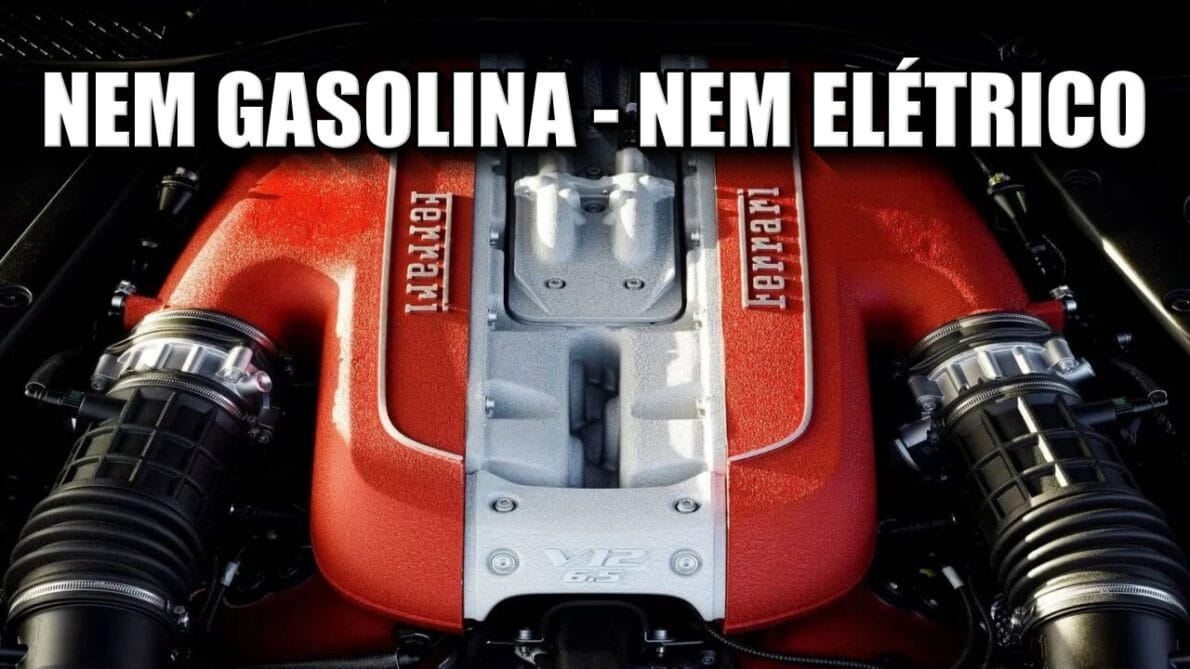
Discover The Secret Behind Ferrari’s Inverted Inline 6 Engine, Where The Power Of Technology Is Taking The Automotive World By Storm!
The Revolutionary Ferrari Inline 6 Engine: A Future Vision Without Gasoline or Electricity:
“Don’t put all your eggs in one basket.” This proverb seems to be the new maxim of Ferrari, which is keeping an eye on the future. Is the transition to “fully electric” really an option for a brand like Ferrari, or are carbon-neutral synthetic fuels the true salvation for supercars and the automotive industry?
It would be a mistake to think that Ferrari doesn’t have a plan for the day when internal combustion is “practically” banned. In fact, the brand has several strategies. Today, we highlight a rather radical plan: a supercar equipped with an inverted inline 6 engine, mounted centrally – an idea that anticipates a future free from gasoline and traditional electric motors.
Ferrari explores alternative solutions to the battery electric engine, anticipating a scenario where more gasoline sports cars cannot be produced or sold.
-
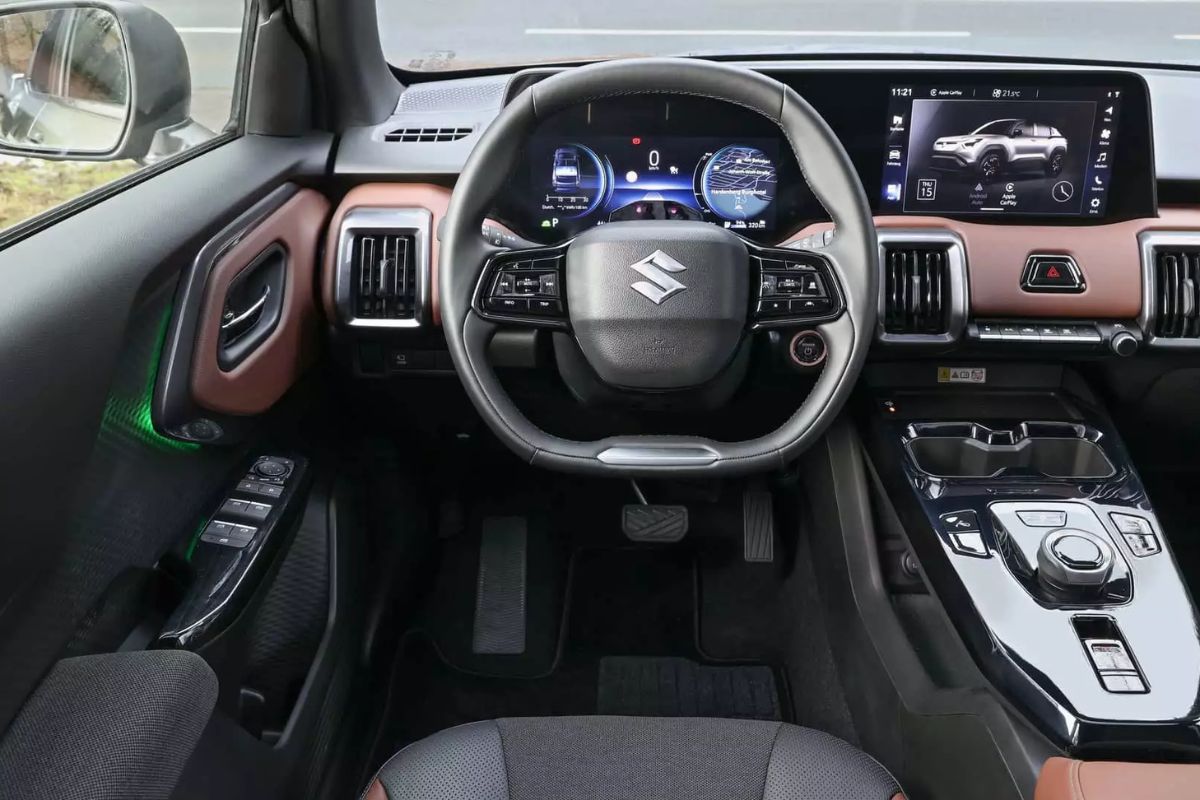
The 2026 electric Vitara arrives in Brazil and proves that Suzuki is not leaving: 4×4 traction, 184 hp, 61 kWh LFP battery, 293 km range, R$ 259,000, and a trunk capacity of 224 L.
-
Hyundai has unveiled the Boulder, a square SUV with a body-on-frame design, 37-inch mud tires, and carriage-style doors that seems to be made to take on the Ford Bronco and the Scout Traveller in the United States.

-
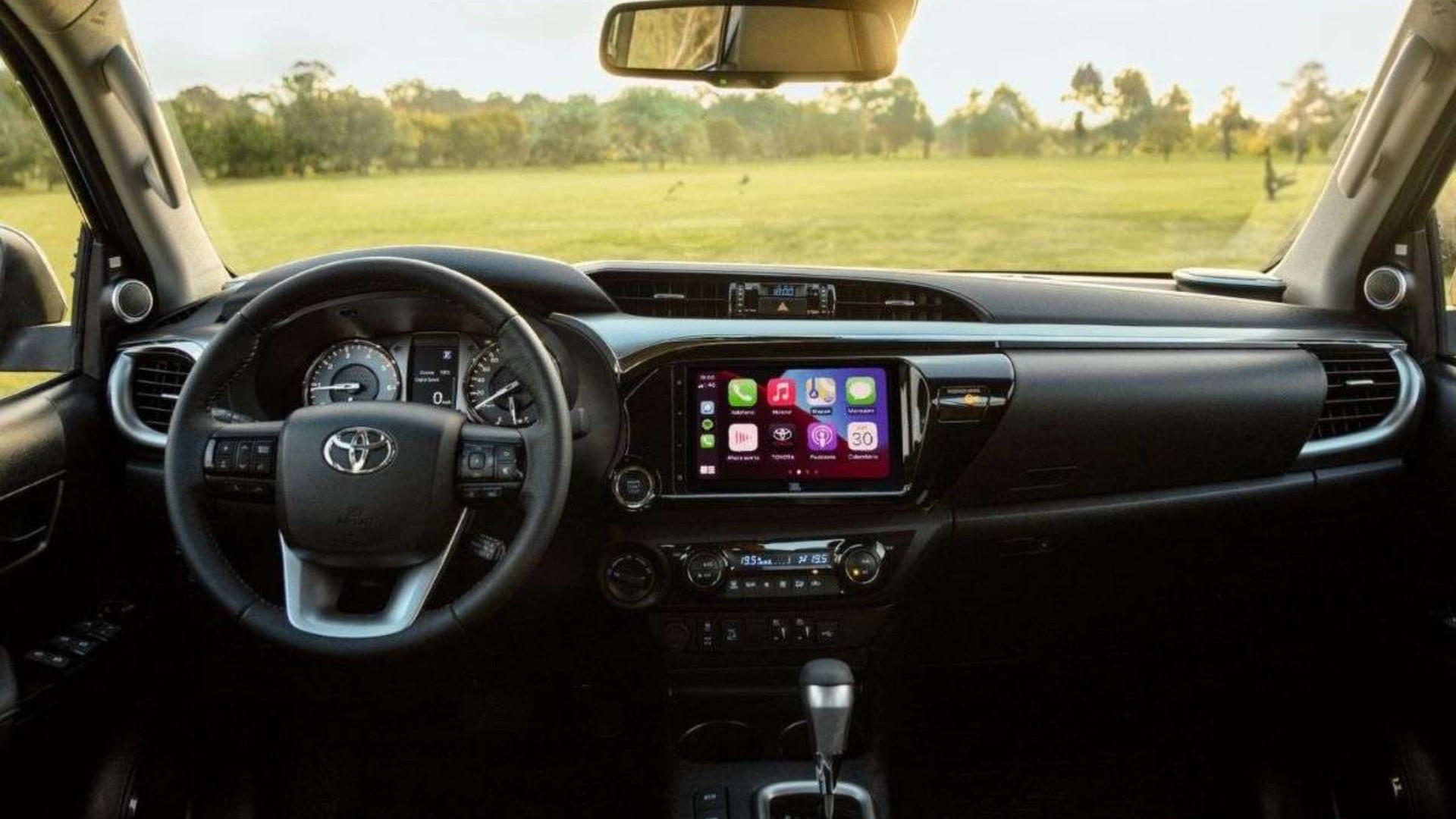
The Toyota Hilux is R$ 75.5 thousand cheaper and bets on the 2.8 turbodiesel engine with up to 204 hp and 50.9 kgfm to catch up with the VW Saveiro, which leads with 4,472 sales.
-
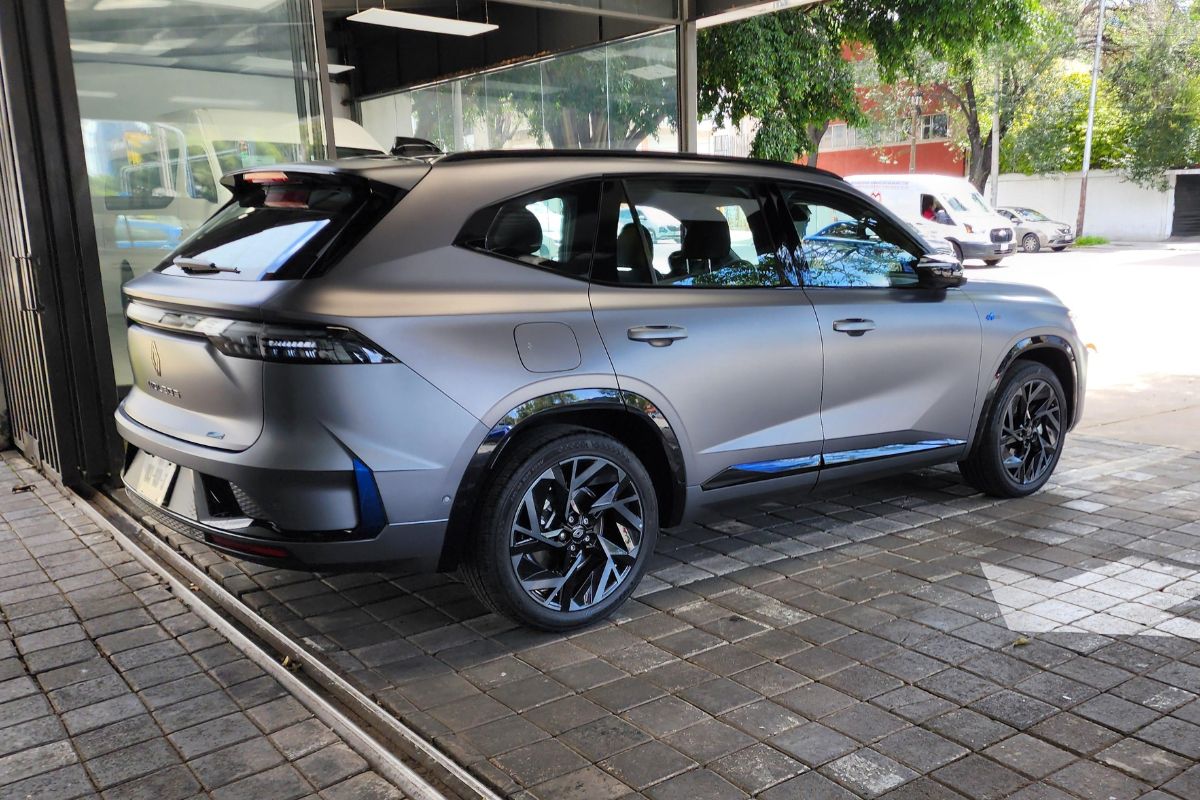
The new Renault Koleos has a screen exclusively for the passenger that is invisible to the driver, heated rear seats, and 29 assistance systems, but its Chinese competitors cost R$ 40,000 less and deliver more power.

An Inverted Inline 6 Engine for A Future Without Gasoline or Electricity
Ferrari appears to have registered a patent outlining the construction of a car with a hydrogen-powered internal combustion engine. According to information obtained via AutoGuide, the challenge of building vehicles that operate on hydrogen is not just about storage but also about the comparatively lower energy density compared to gasoline.
This would normally result in a large, heavy vehicle – a concept entirely opposite to what one expects from a Ferrari. Hence the need for a more innovative approach to preserve the brand’s distinctive characteristics.
The challenge is to create a hydrogen-powered vehicle that maintains the sporting spirit and performance expected of a gasoline Ferrari.
Hydrogen Combustion Engine with The Expected Performance of A Gasoline Ferrari
The patent mentions several possible mechanical configurations, including V engines positioned at the rear or centrally, just behind the cabin, as well as different arrangements for the hydrogen tanks.
Ferrari considers everything from two spherical tanks located on either side of the engine to two cylindrical tanks of different sizes placed above the engine, also suggesting the possibility of using all four tanks simultaneously.
This radical approach, far beyond what is already seen in Ferrari’s current lineup of supercars, demonstrates why the concept of a hydrogen supercar requires an exceptionally innovative mechanical configuration to achieve the expected performance goal of a sports vehicle while maintaining reasonable range.
Inverted Inline 6 Engine and False Electric Turbos
In the patent, Ferrari suggests using a six-cylinder inverted engine, coupled to a dual-clutch transmission positioned immediately behind the engine, in a central configuration, behind the cabin, and over the rear axle. This would allow for the accommodation of the four hydrogen tanks already mentioned, two spherical on each side of the engine and two cylindrical of different sizes above the engine. Such configuration and the location of the tanks behind the cabin would enable the creation of a compact vehicle without compromising internal space, like a two-seater supercar, for example.
Moreover, the patent addresses the idea of using turbos that, instead of increasing the engine’s pressure, would function as reverse electric compressors, where the rotation of the turbine would generate electric power. This energy would be used to power an electric motor independent of the transmission, located on the front axle, which would also assist in energy recovery.
Ferrari Is Exploring All Possibilities For The Coming Years
This innovative proposal, for the new gasoline-free engine, though radical, shows that Ferrari is exploring all possibilities for the coming years. The simple existence of the patent doesn’t guarantee that we will see it in action in the brand’s supercars anytime soon, but it highlights Ferrari’s futuristic vision.
The concept of a hydrogen-powered engine, especially one as revolutionary as the inverted inline 6 engine, stands out as a potential landmark in the automotive industry.
The use of “false electric turbos” adds an additional layer of innovation, leveraging technology to improve efficiency without compromising power. This system would allow Ferrari to deliver exceptional performance while adapting to the increasing environmental restrictions.
I Would Love To Know What You Think About This Engine. Let Us Know In The Comments Section. Don’t Forget To Enable CPG Notifications To Keep Up With All The News In The Automotive World. Until Next Time!










-

-

-

-

-

-

133 pessoas reagiram a isso.