





 Portuguese
  English
  Spanish
  3 min of reading
  1 comment





The Rise Of Chinese Automakers In Brazil Seems Inevitable, And BYD Symbolizes This Advance By Dominating The Electric Vehicle Market, Controlling 77% Of Segment Sales. However, The Brand’s Success Was Not Enough To Secure Absolute Leadership Among The Best-Selling Chinese Cars In The Country
Chinese automakers have firmly established their presence in the Brazilian market and show that the competition for space is becoming increasingly fierce. BYD, for example, reached the seventh overall position in licensing in the country in 2025, with 66,419 units and a significant 5.49% market share in automobiles.
On the other hand, Caoa Chery, with Sino-Brazilian capital, occupies 11th place, with 41,727 sales and 3.4% market share.
GWM appears just behind, in 13th position, with 23,016 units sold between January and August.
-
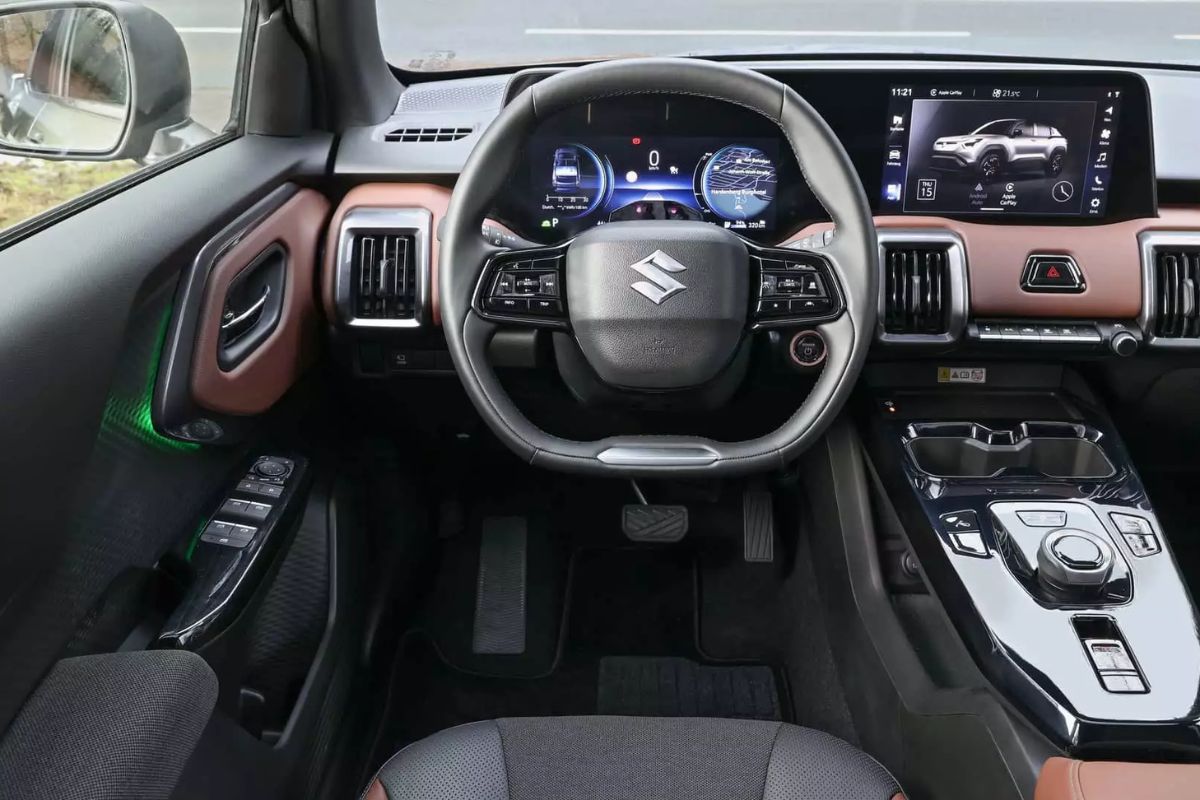
The 2026 electric Vitara arrives in Brazil and proves that Suzuki is not leaving: 4×4 traction, 184 hp, 61 kWh LFP battery, 293 km range, R$ 259,000, and a trunk capacity of 224 L.
-
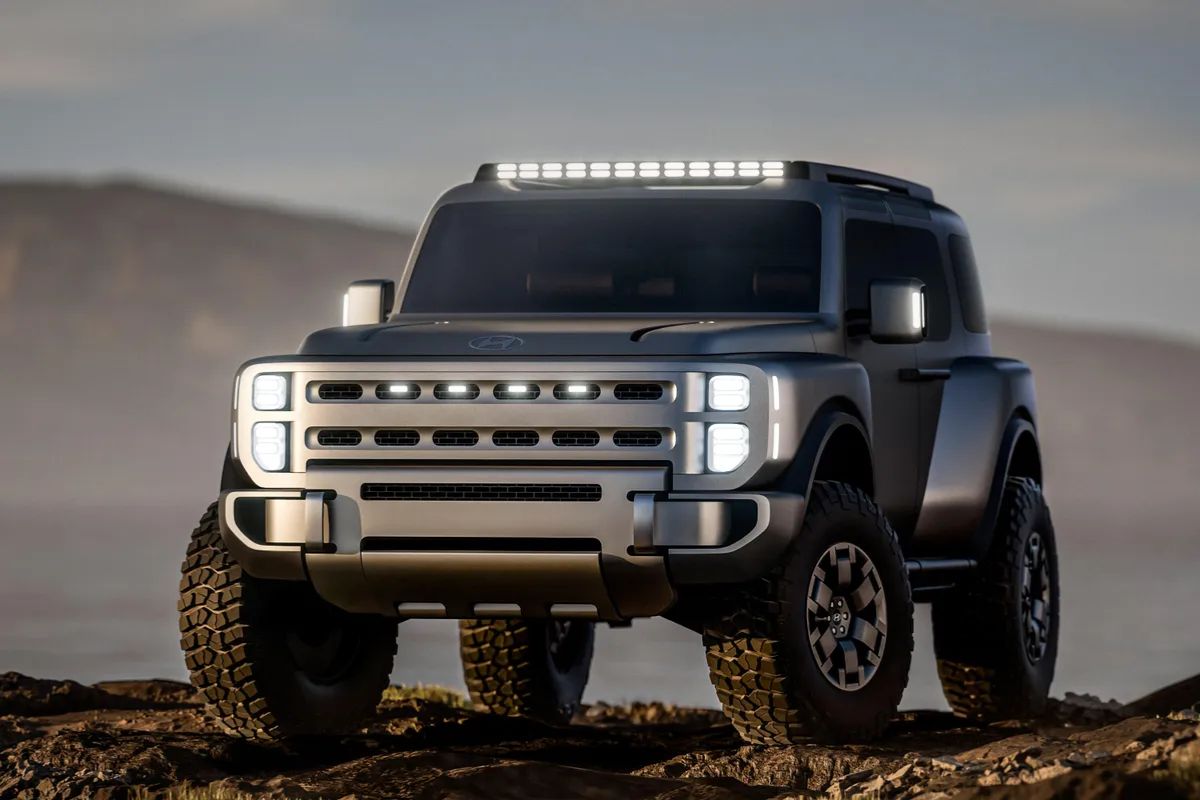
Hyundai has unveiled the Boulder, a square SUV with a body-on-frame design, 37-inch mud tires, and carriage-style doors that seems to be made to take on the Ford Bronco and the Scout Traveller in the United States.
-
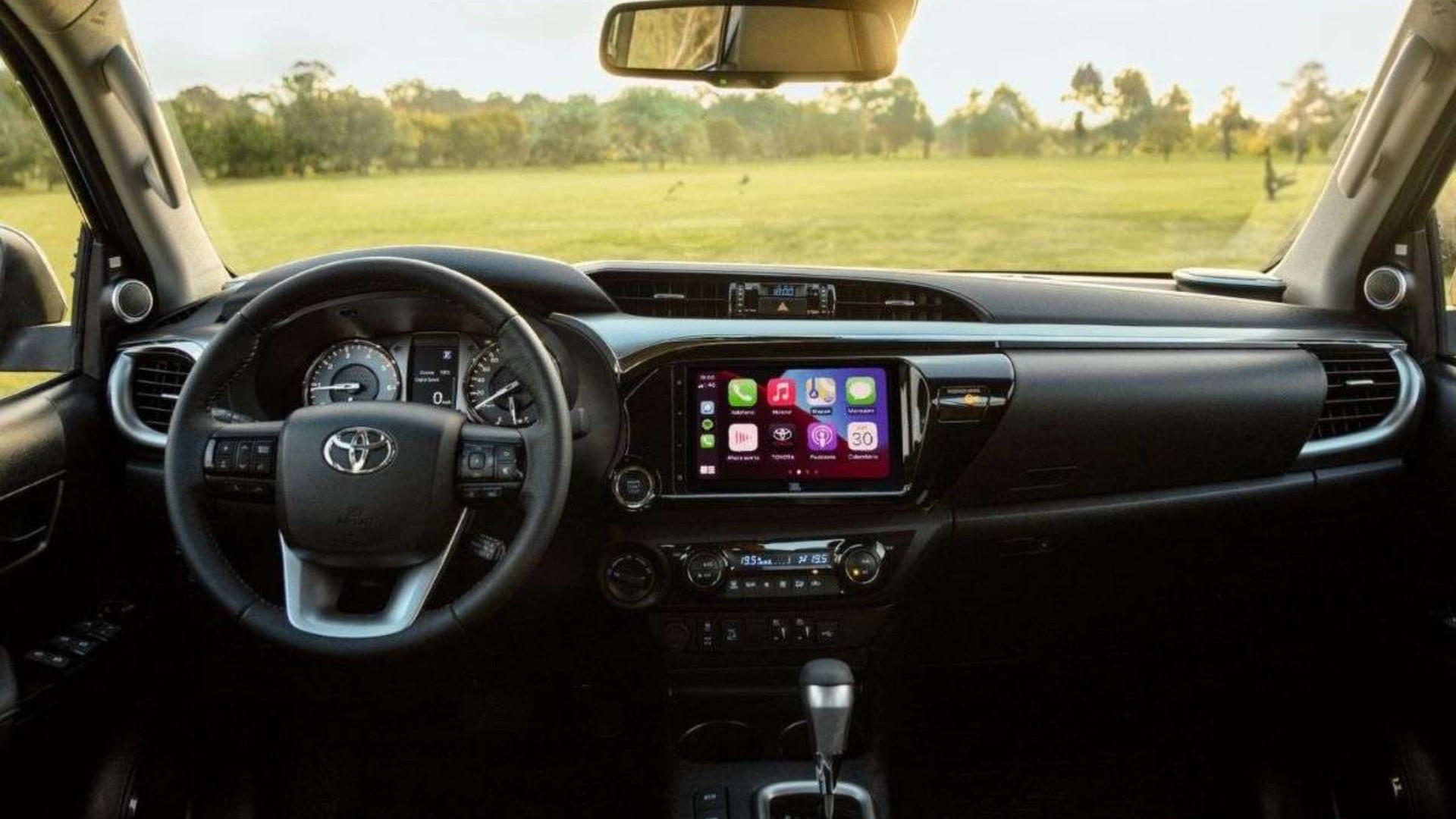
The Toyota Hilux is R$ 75.5 thousand cheaper and bets on the 2.8 turbodiesel engine with up to 204 hp and 50.9 kgfm to catch up with the VW Saveiro, which leads with 4,472 sales.
-
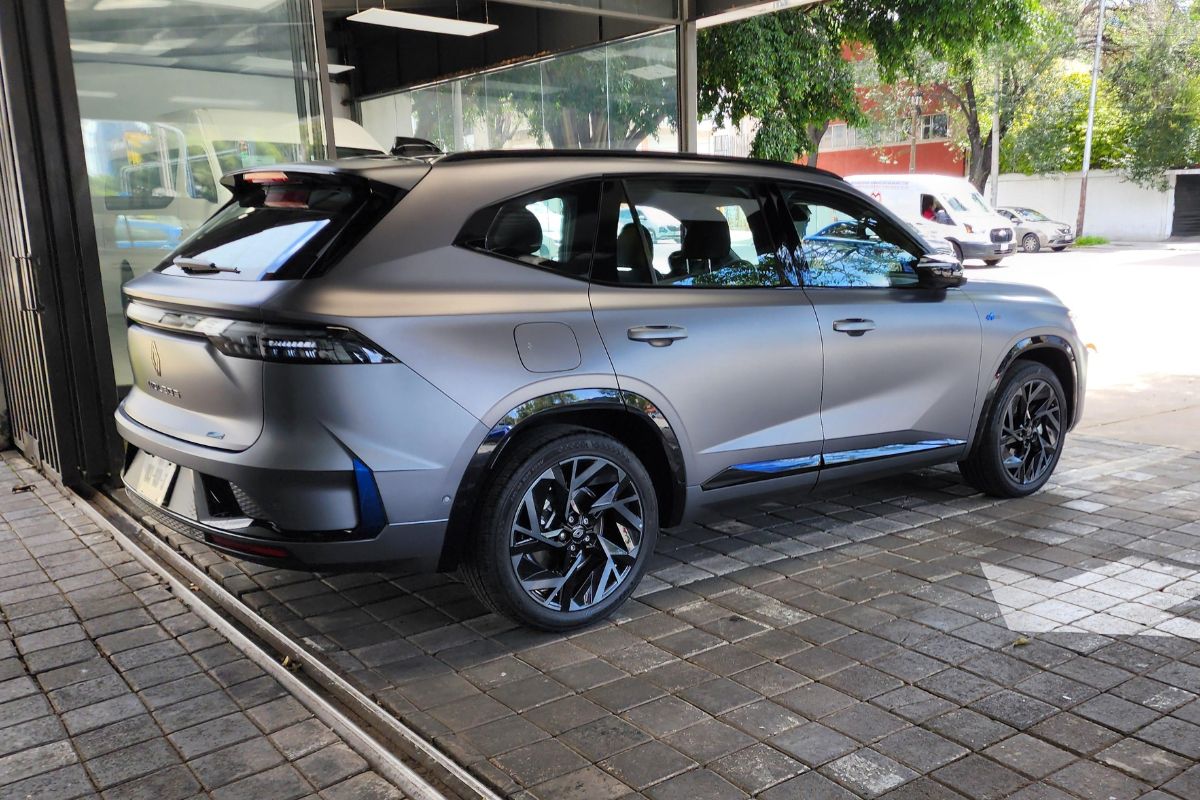
The new Renault Koleos has a screen exclusively for the passenger that is invisible to the driver, heated rear seats, and 29 assistance systems, but its Chinese competitors cost R$ 40,000 less and deliver more power.

Despite BYD’s dominance in the electric segment—where it alone accounts for nearly 77% of sales and, along with other Chinese brands, totals 84.4%—the top of the ranking for the 25 best-selling Chinese cars in Brazil in 2025 belongs to another name.
The leader is the Caoa Chery Tiggo 7, with 21,445 units registered, surpassing the BYD Dolphin Mini, which appears in second place with 19,516 sales, and the GWM Haval H6, third place with 16,509 units.
| 1°) Caoa Chery Tiggo 7 | 21,445 |
| 2°) BYD Dolphin Mini | 19,516 |
| 3°) GWM Haval H6 | 16,509 |
| 4°) BYD Song Pro | 13,830 |
| 5°) Caoa Chery Tiggo 8 | 10,823 |
| 6°) BYD Song Plus | 9,839 |
| 7°) BYD Dolphin | 8,893 |
| 8°) BYD King | 8,301 |
| 9°) Caoa Chery Tiggo 5X | 8,254 |
| 10°) BYD Yuan Pro | 3,221 |
| 11°) GWM Haval H6 GT | 2,607 |
| 12°) BYD Seal | 1,973 |
| 13°) Jaecoo 7 | 1,946 |
| 14°) GWM Tank 300 | 1,884 |
| 15°) GWM Ora 03 | 1,880 |
| 16°) Caoa Chery Arrizo 6 | 1,201 |
| 17°) BYD Yuan Plus | 784 |
| 18°) BYD Shark | 765 |
| 19°) GAC GS4 | 674 |
| 20°) Omoda E5 | 422 |
| 21°) JAC e-JS1 | 368 |
| 22°) GAC Aion V | 263 |
| 23°) JAC Hunter | 260 |
| 24°) Zeekr X | 216 |
| 25°) GAC Aion Y | 213 |
Caoa Chery SUVs Stand Out
In addition to the Tiggo 7, Caoa Chery also registered other models among the top spots. The Tiggo 8 appears in fifth place, with 10,823 units sold, while the Tiggo 5X comes in ninth position, with 8,254 registrations.
Even the Arrizo 6 sedan made the list, taking the 16th place with 1,201 sales for the year.
These numbers show that even with a smaller overall market share, Caoa Chery managed to position its models strategically and gain direct space in the preference of Brazilian consumers.
BYD Dominates Electrified Cars, But Not The Top Of The Ranking
BYD continues to be the giant in the sector, occupying the top positions among hybrids and electric vehicles, and dominating the electrified market with a wide margin.
Among the 25 best-selling models, it appears with names like Song Pro, Song Plus, Dolphin, Dolphin Mini, King, Yuan Pro, and Seal. However, none of them managed to surpass the isolated performance of the Tiggo 7.
The result highlights an interesting movement in the market: although BYD holds the largest share of sales by brand, the leadership by model goes to Caoa Chery, which demonstrates growing strength and an increasingly solid presence in the country.









A BYD pratica descontos volumosos pra conquistar a liderança dos importados, mas até as revendas estão reclamando da perdas causadas por esses descontos.