





 Portuguese
  English
  Spanish
  4 min of reading
  0 comments


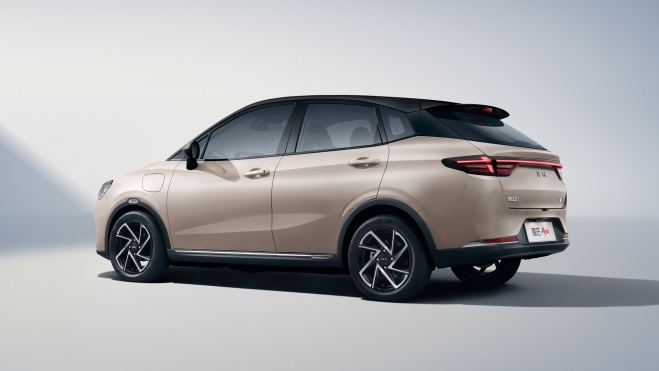
Chinese Electric Car Manufacturer On The Brink Of Bankruptcy Reveals The Challenges And Difficulties Faced In China’s Competitive Market
Historically, the car industry has always been led by Europe, the United States, and Japan. Their technological advancements have positioned these regions at the forefront of the market. However, the landscape has been changing rapidly, with new countries emerging as significant competitors.
Initially, South Korea gained ground, offering attractive vehicles with great cost-benefit. Now, with the popularity of electric cars, China is standing out to the point of threatening the dominance of traditional manufacturers. However, behind this rise, there are challenges and problems that are not always visible.
The Electric Car Revolution in China
In the past decade, China has revolutionized its automotive market, focusing especially on electric and plug-in hybrid vehicles. Today, the share of these vehicles in the market is the highest in the country, a result of a combination of massive investments, accelerated technological development, and competitive prices. For Chinese consumers, buying an electric car is more accessible than in other parts of the world, further boosting the sector.
-
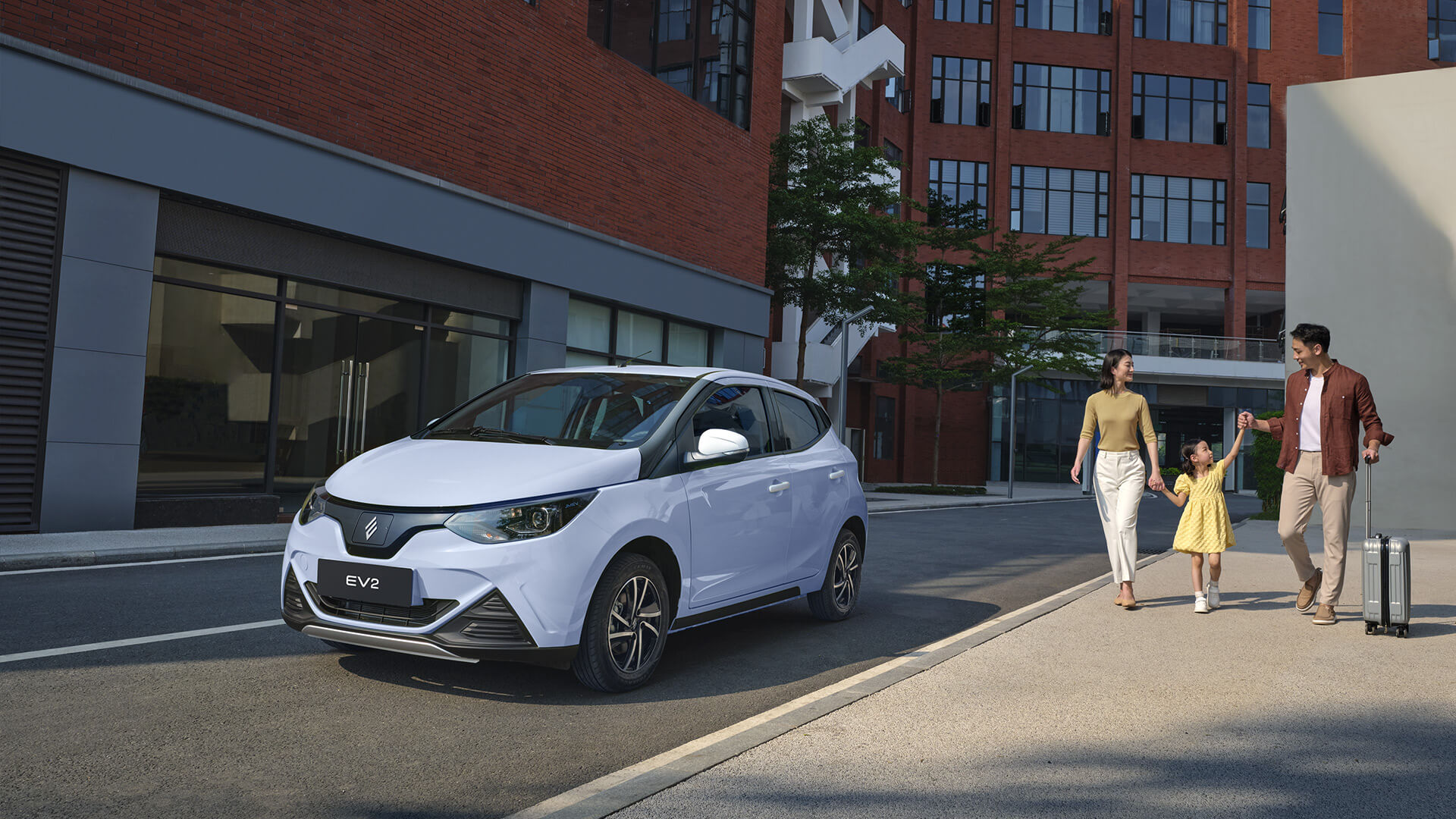
Goodbye expensive popular car: electric vehicle for less than R$ 70,000 starts being sold in Brazil with a range of 200 km and targets those looking to escape gasoline.
-
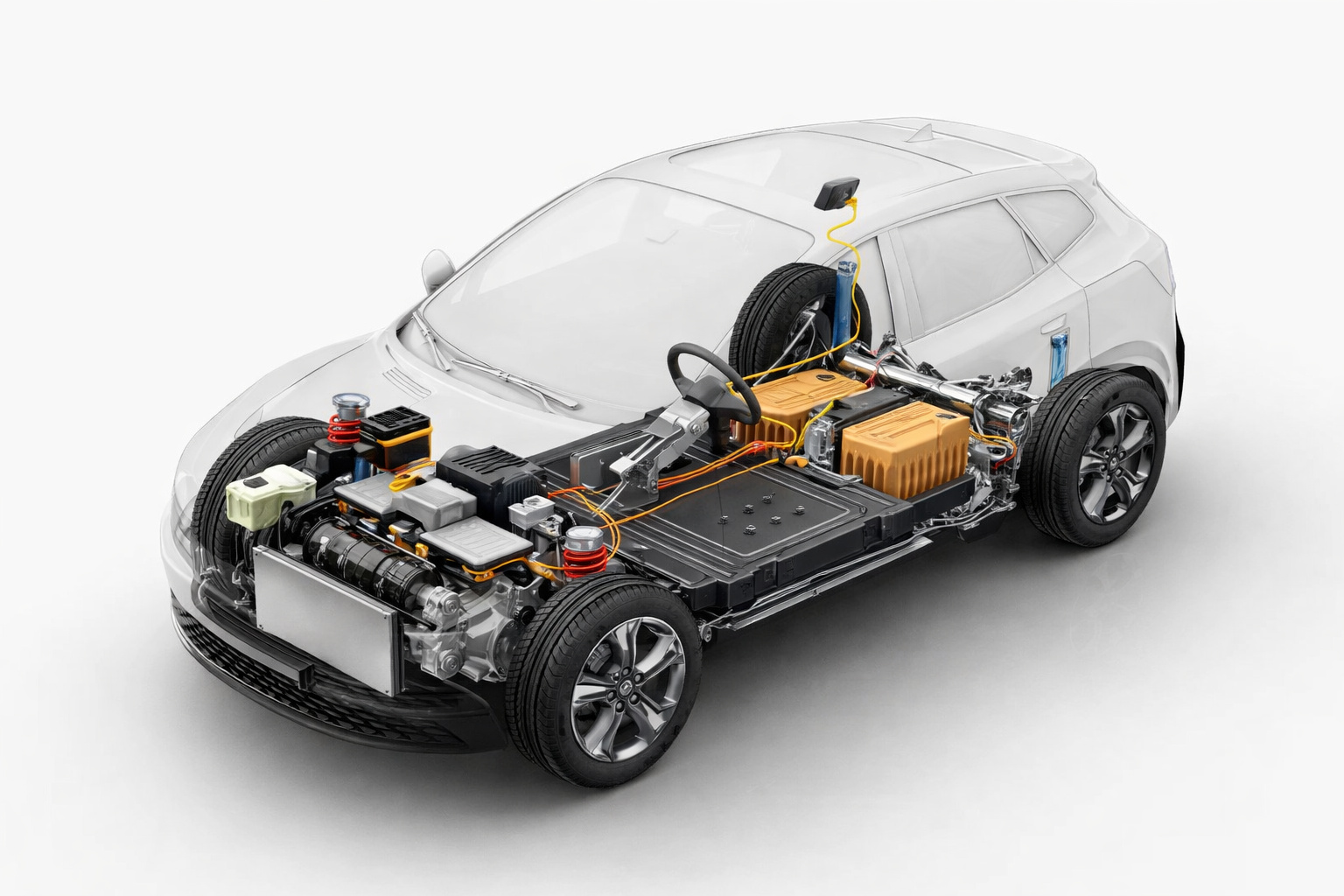
China Surprises Automotive Industry With Battery That Promises Electric Car Able to Run Up to 1,000 km Without Recharge
-
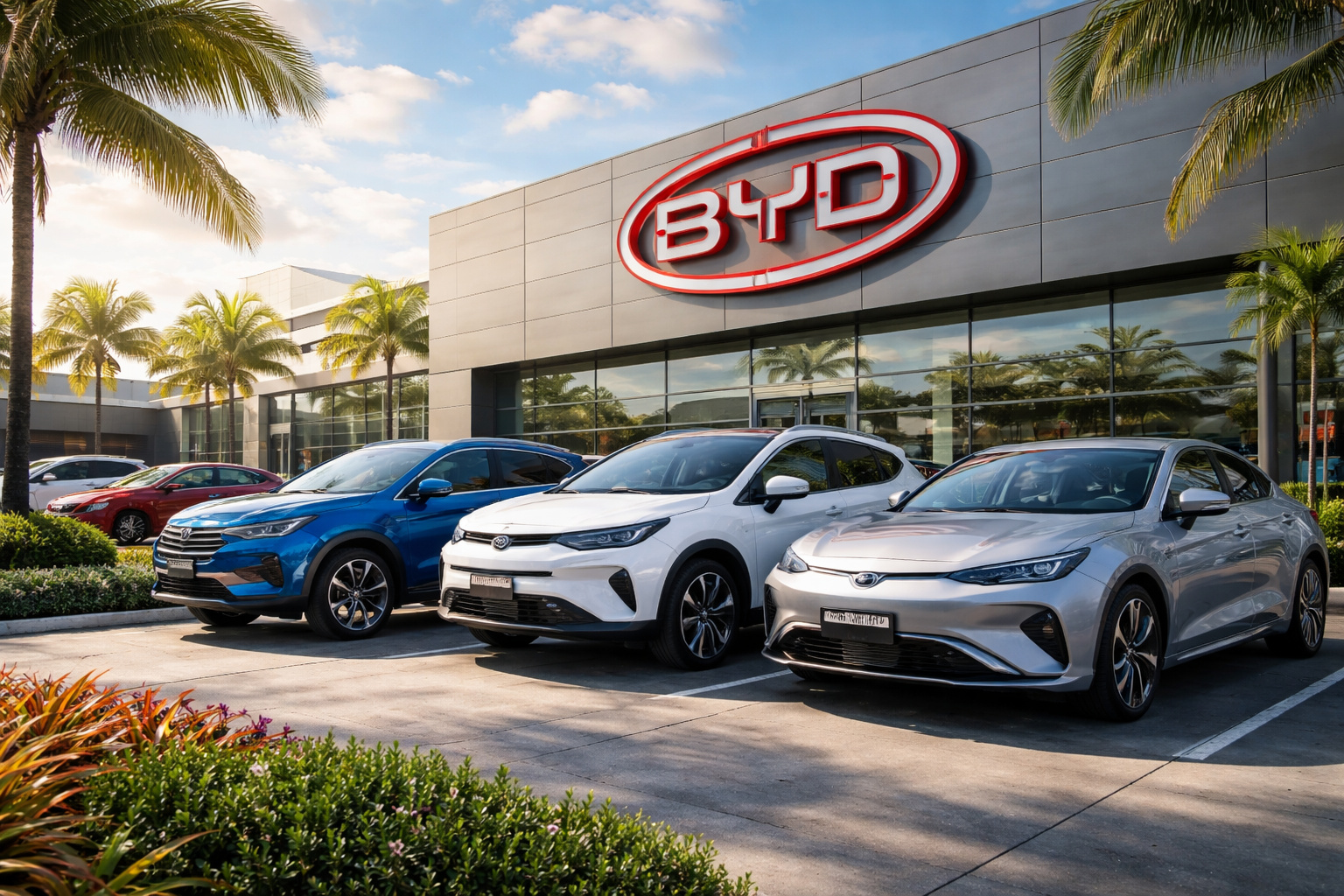
Why BYD Grew So Fast in Brazil and How Blade Batteries, Electric Cars, and Industrial Incentives Shaped This Expansion in the National Automotive Sector
-
Electric Cars Make Progress in Brazil in 2026 and Promise to Reduce Drivers’ Costs with Cheaper Energy, While Infrastructure Grows Slowly Across the Country
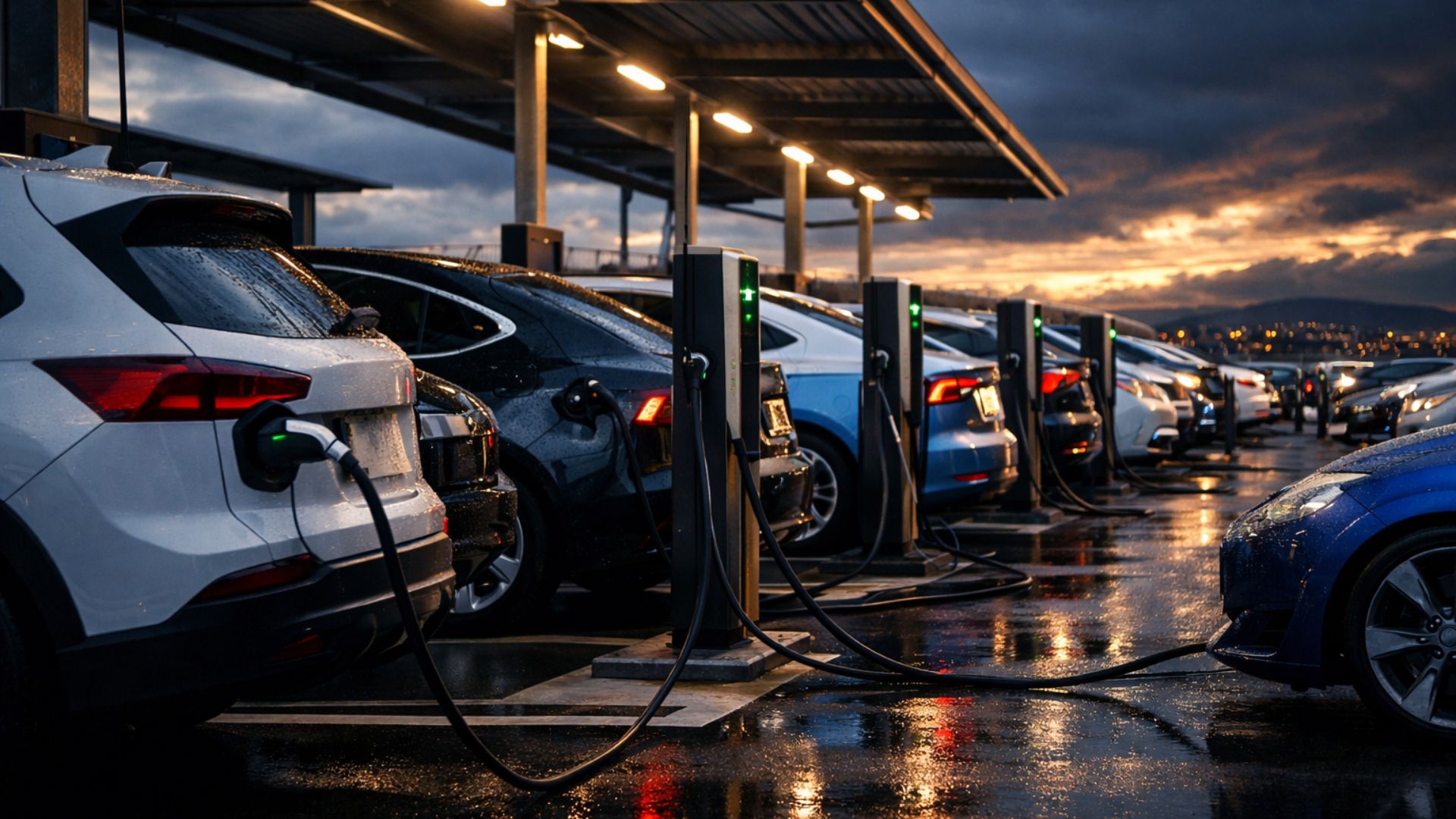

An example of this competitive offering is the CUPRA Tavascan, a model from the Volkswagen brand aimed at the Chinese market, priced lower than similar vehicles in the West. This type of initiative highlights how much the Chinese market has adjusted to popularize the electric car.
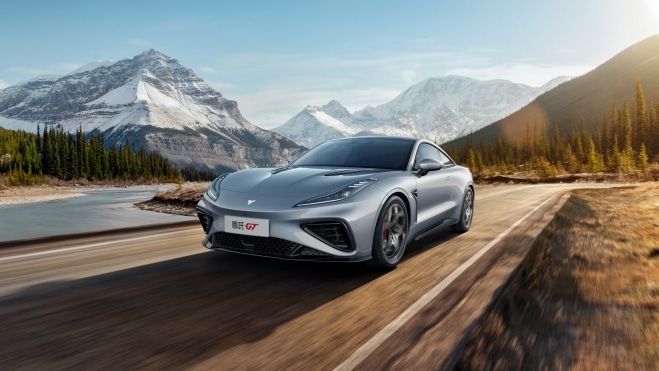
Tariff Barriers in Europe
The popularization of electric vehicles in China is accompanied by the growth of local companies. In the country, there are over 150 brands competing for consumer preference. This market, composed of more than a billion inhabitants, is currently the main focus of sales for European brands like Mercedes, whose sales in China account for about 36% of global totals in 2023.
With the increase in competition and the supply of electric vehicles, many Chinese companies have decided to expand their businesses abroad, seeking new markets. However, Europe, an attractive destination, presents challenges, primarily due to import tariffs that hinder the entry of Chinese manufacturers into the continent.
Neta: A Success Story and Problems in the Industry
Among the Chinese brands that sought to stand out, Neta, founded by Hozon Auto in 2018, quickly gained traction. Focused on affordable electric vehicles, the company surpassed more well-known brands such as Li Auto, NIO, and Xpeng in sales volume in 2022, with over 150,000 units sold.
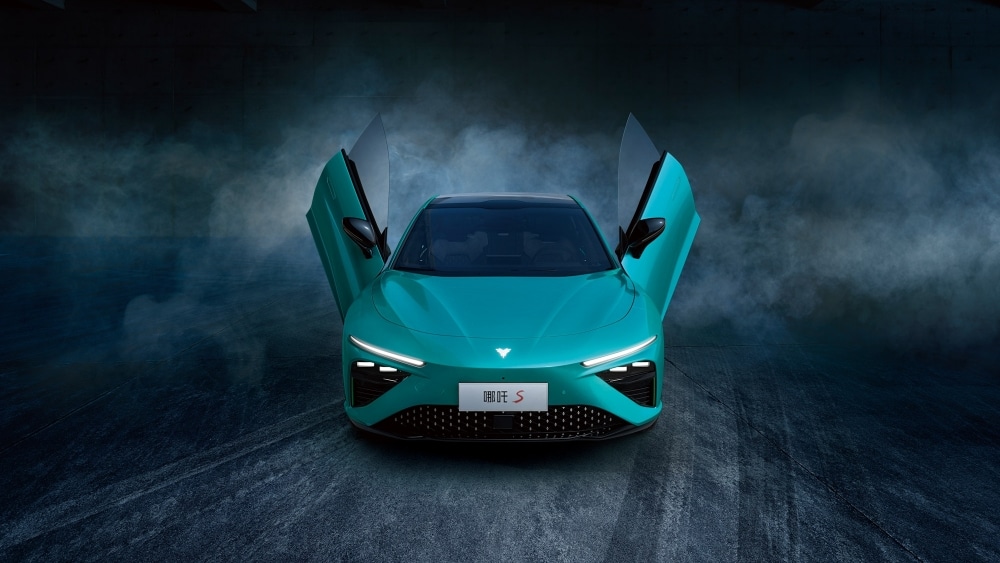
Excited by this success, Neta decided to invest in the luxury market, launching more sophisticated and expensive models. Currently, the brand has six models, including the Neta Aya, Neta X, and Neta S, all aimed at the audience seeking more exclusivity.
However, this change in strategy brought challenges. A significant portion of production was directed towards car-sharing services, but this bet was not well received in China. The company increased its prices, resulting in a loss of competitiveness and consequently a drop in sales. Between January and September 2024, Neta sold only 53,853 units, reaching just 30% of its annual target.
In light of this scenario, Chinese sources indicate that Neta’s factory, with a capacity to produce 200,000 vehicles per year, has temporarily suspended operations, as well as implementing salary cuts. These facts highlight that, despite innovation and growth, Chinese companies also face serious difficulties.
The International Market as an Alternative
Despite the difficulties in the domestic market, Neta is seeking to expand internationally, which could be its lifeline. Currently, the company is already present in markets in Central Asia, Southeast Asia, Latin America, and South Africa, and plans to expand into Europe. However, the European Union’s tariffs pose a significant obstacle to entering one of the most coveted markets.
The case of Neta exemplifies a broader problem in the Chinese automotive industry: although the country has dominated the electric car sector and excels in technology, there is not enough space for so many brands and models with similar prices in the domestic market. Companies that once seemed promising often struggle to sustain themselves in an environment of extreme competition and demanding consumers.
Final Reflection: The Future of the Electric Car Industry in China
The rise of the Chinese electric car industry raises questions about the sustainability of this growth. Although the country has achieved significant technological advancement, not all companies will be able to remain competitive in the long term. Dependence on external markets, such as Europe and Latin America, is a viable alternative, but it requires adaptation to regulations and tariffs.
Will China continue to be a powerhouse in the automotive sector? The answer seems to be positive, but on the path to consolidation, many challenges still need to be overcome.








Seja o primeiro a reagir!