





 Portuguese
  English
  Spanish
  7 min of reading
  0 comments


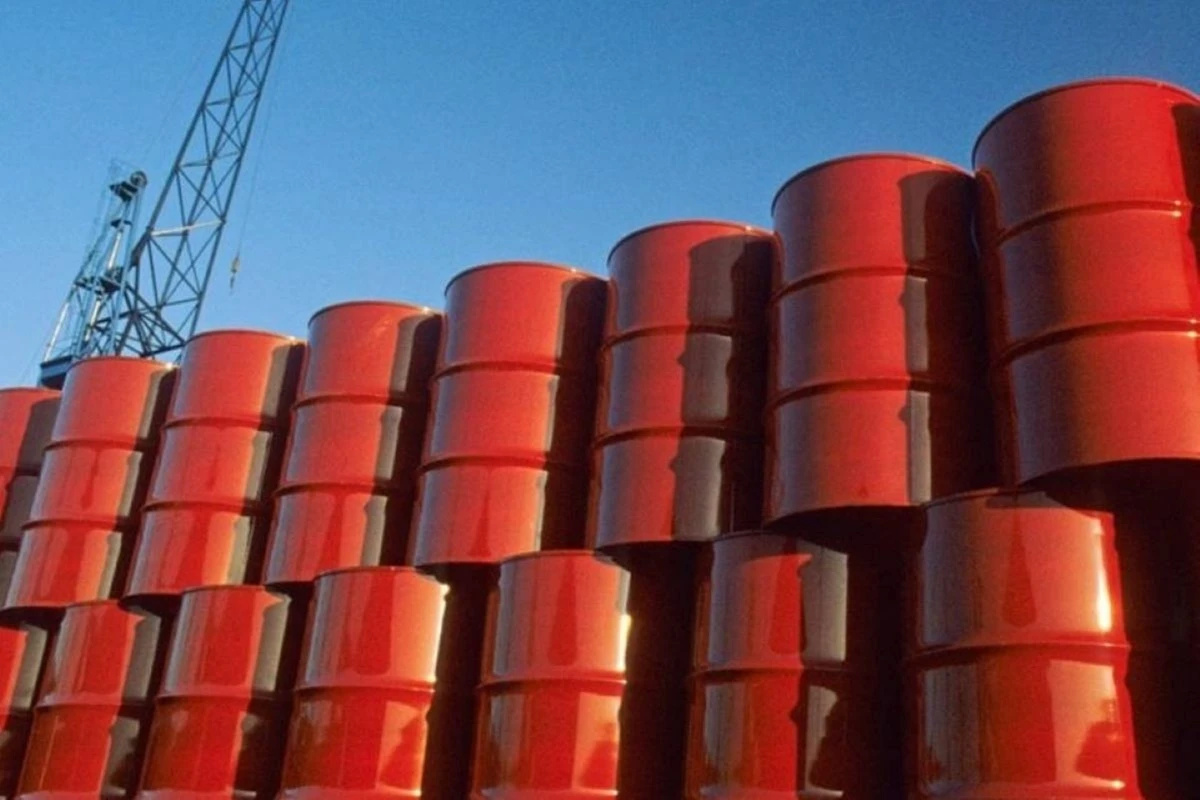
The international energy market faces severe instability with the new oil crisis, prompting governments to seek independence from fossil fuels through massive investments in renewable sources and storage technology.
The current oil crisis in the Middle East destabilizes the price of crude oil on the global market and forces nations to urgently revise their energy security strategies. Geopolitical conflicts in vital regions for crude oil flow reduce global supply, raising the cost of derivatives like gasoline and diesel across various continents.
In light of this uncertainty, the European Union, China, and the United States are accelerating decarbonization timelines to reduce economic vulnerability to external price shocks. In Brazil, Petrobras monitors market volatility while the productive sector calls for a faster expansion of wind and solar sources.
Experts point out that the current instability acts as a historical catalyst, transforming what was an environmental goal into a financial survival necessity.
-
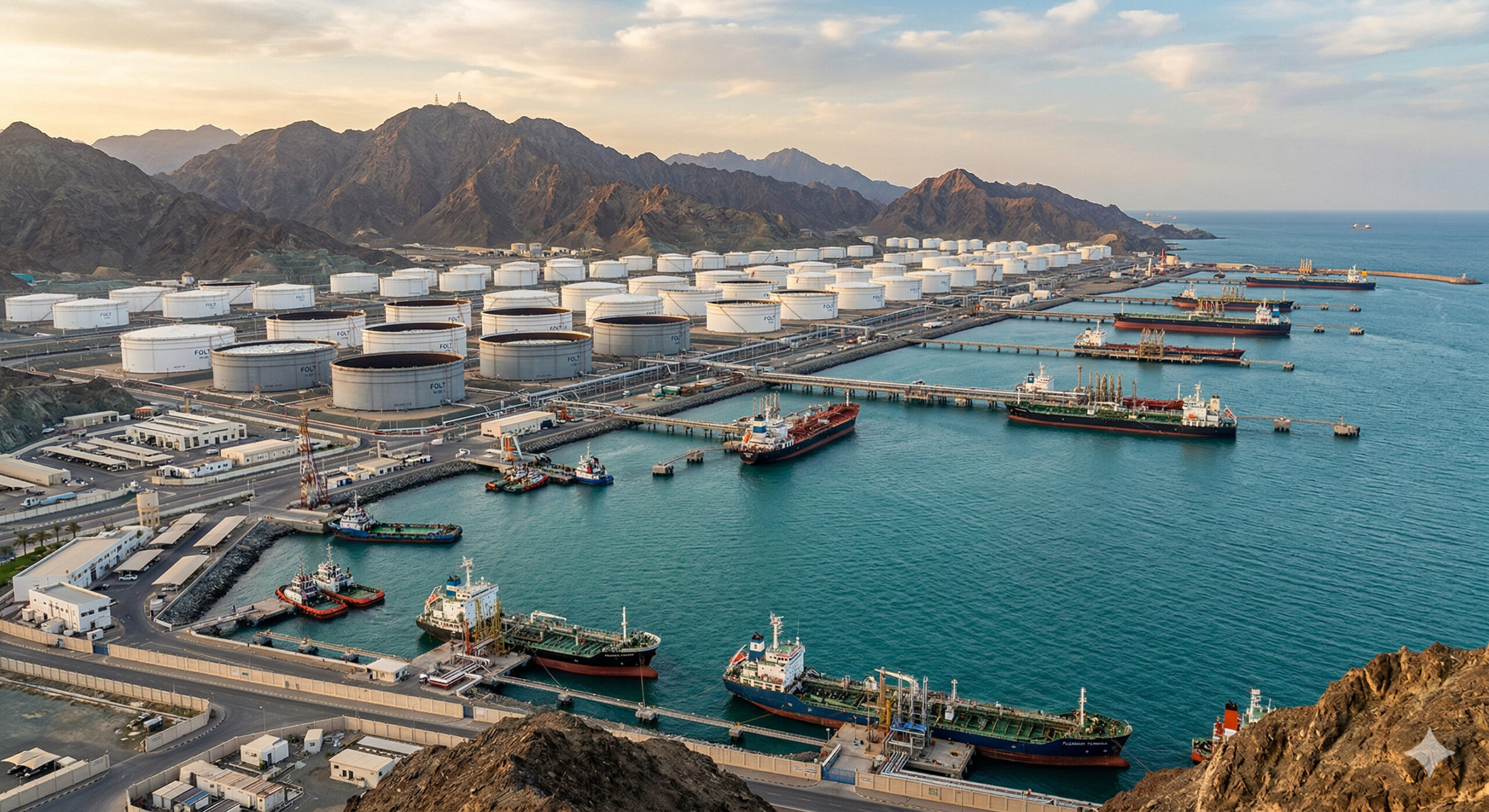
Giant reservoirs with a capacity of 18 million cubic meters have turned Fujairah into one of the largest energy vaults on the planet. This facility, located outside the Strait of Hormuz, stores oil on a colossal scale and has become a silent piece that supports the global flow of fuels.
-
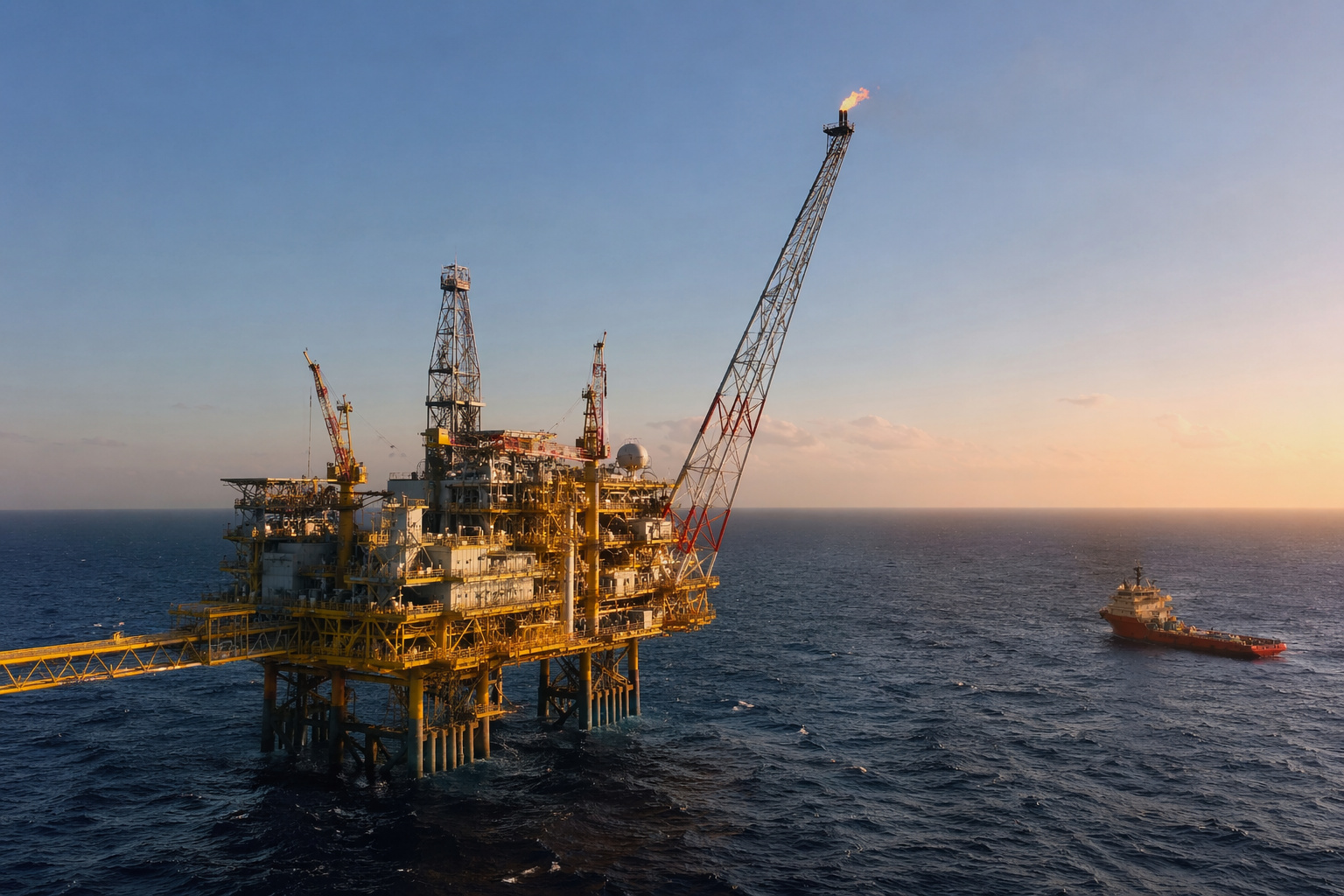
The next exploration auction in the pre-salt will offer 23 blocks in the Campos and Santos basins and may change the interest of oil companies in Brazil.
-
The next exploration auction in the pre-salt will offer 23 blocks in the Campos and Santos basins and could change the interest of oil companies in Brazil.
-
Red Sea, from biblical site to oil hope: South Korea reveals ambitious plan to create new oil routes through the Red Sea with the dispatch of 5 ships, agreements with 3 countries, and a focus on the strategic port of Yanbu.
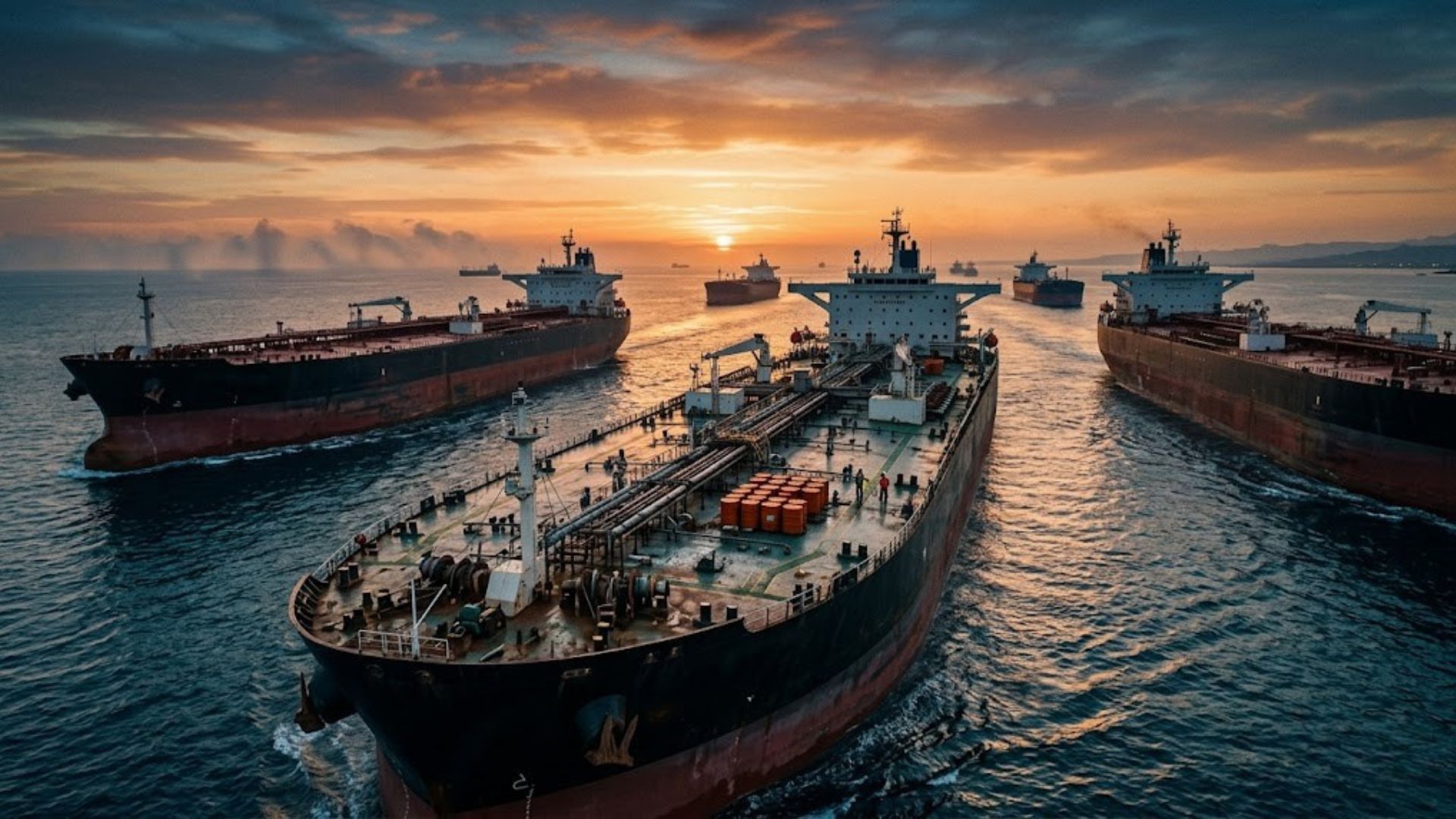
The movement seeks to protect national economies against supply disruptions, consolidating green hydrogen and transportation electrification as the definitive solutions for the near future.
The immediate impact of the oil crisis on the domestic economy
The oil crisis directly hits the pocket of Brazilian consumers through the pricing policy linked to the international market. When the Brent barrel rises in London or New York due to blockades in strategic straits, the cascading effect reaches fuel stations within days.
This increase raises the freight costs of food and basic products, fueling inflation and reducing the purchasing power of the population.
To mitigate these effects, the federal government and the private sector are seeking alternatives to ensure energy sovereignty. The increase in biodiesel blending and the encouragement of second-generation ethanol use stand out as ways to reduce the need for imported derivatives.
The current crisis proves that dependence on a single energy matrix centered on hydrocarbons poses a risk to national stability, driving the search for a diversified and resilient matrix.
Oil companies redirect investments to the renewable sector
The giants of the oil and gas sector do not ignore the signs of the oil crisis. Companies like BP, Shell, and Equinor are already allocating larger portions of their annual budgets to clean energy projects by 2026. They understand that oil will remain essential for a few more years, but long-term sustainable growth lies in green electricity.

In Brazil, Petrobras is intensifying research in offshore wind and sustainable aviation fuel (SAF) production. The strategy aims to transform traditional refineries into bioenergy complexes.
By diversifying their portfolios, these companies protect their shareholders against violent fluctuations in the commodities market. The focus now is on “total energy,” where pre-salt profits finance low-carbon infrastructure, ensuring that the transition occurs in an orderly and profitable manner.
The role of the Straits of Hormuz and Bab el-Mandeb
To understand the origin of the oil crisis, we need to look at geography. The Strait of Hormuz is the world’s most important maritime passage for energy trade. About 20% of global liquid oil consumption and nearly one-third of liquefied natural gas (LNG) pass through it.
Any threat of closure or attack on these routes creates immediate panic in the stock markets. Bab el-Mandeb, which connects the Red Sea to the Gulf of Aden, also plays a crucial role in the flow to Europe.
Instability in these areas shows how fragile the global logistics system based on fossil fuels is. This fragility motivates the construction of continental energy corridors based on integrated electrical networks, where energy travels through cables rather than just vulnerable oil tankers.
The battery revolution as a shield against volatility
One of the most effective technological responses to face the oil crisis is the advancement of battery energy storage systems (BESS). By 2026, large-scale batteries will allow countries to store excess solar and wind generation for use during peak times. This reduces the need to activate diesel or expensive natural gas power plants.

The drop in lithium cell prices and the emergence of sodium batteries make this technology accessible for industries and households. Storage provides autonomy to the electrical system, functioning as a strategic reserve that does not depend on imports from the Middle East.
The more efficient renewable energy storage is, the less the global economy will suffer from sudden cuts in crude oil supply.
Green Hydrogen: The new oil of sustainable nations
Green hydrogen (H2V) emerges as the ideal substitute for oil in hard-to-electrify sectors such as steelmaking and heavy maritime transport. Produced through the electrolysis of water with renewable energy, H2V allows countries like Brazil to become exporters of “bottled energy.”
The oil crisis accelerates the construction of hydrogen plants in northeastern Brazil, attracting billions in European investments interested in securing a clean and safe fuel supply.
Green ammonia, derived from hydrogen, also emerges as a solution for agricultural fertilizers, reducing national dependence on fossil inputs and strengthening global food security by 2026.
Electric Mobility: The end of dependence on gasoline?
Transportation consumes the majority of the oil produced in the world. Therefore, the oil crisis drives the sale of electric (EVs) and hybrid vehicles to record levels. By 2026, consumers realize that the cost per kilometer traveled on electricity is drastically lower than on inflated gasoline.
Brazilian cities are expanding public charging infrastructure and electric bus fleets. The transition away from internal combustion engines is no longer a luxury trend but becomes a household economy strategy.
Automakers that did not invest in electric platforms quickly lose market share, while companies offering affordable zero-emission cars gain leadership. The electrification of fleets removes the pressure power of oil-producing countries over the daily mobility of citizens.
Real impact: National security and energy autonomy
Governments around the world now treat the energy transition as a matter of national defense. The oil crisis has shown that dependence on external suppliers in unstable regions can paralyze a country in just a few days. The order now is the “localization” of energy production.
Investing in solar panels on rooftops and in regional wind farms decentralizes power. A distributed energy system is much harder to interrupt due to a conflict in another continent.

By 2026, Brazil utilizes its vast territorial expanse to create microgrids that ensure the operation of hospitals, schools, and industries independently, using local natural resources and advanced digital control technology.
Challenges: Mining critical materials for the transition
Although the energy transition protects the world from the oil crisis, it creates a new demand for critical minerals such as lithium, copper, nickel, and rare earths. Sustainable mining becomes the new vital link in the energy supply chain. Brazil has vast reserves of these materials and can lead ethical supply for the global battery industry.
The challenge lies in extracting these resources with the least environmental impact possible. The Brazilian government applies strict ESG regulations to ensure that the race for transition minerals does not repeat the past mistakes of the extractive industry.
Traceability of the ore ensures that the electric car produced in 2026 is truly sustainable throughout its life cycle, from the mine to final recycling.
Geopolitics: The redesign of the energy power map
The oil crisis accelerates the shift in the global balance of power. Countries that based their wealth solely on oil need to reinvent themselves to avoid losing relevance. Meanwhile, nations rich in sun, wind, and strategic minerals gain a voice in international forums.
Brazil acts as an important mediator in this new order. By offering abundant clean energy, the country attracts factories seeking “re-shoring,” the transfer of production lines to locations with cheap and renewable energy.
Northeastern Brazil, with its wind potential, is transforming into a global industrial hub. Thus proving that sun and wind are much more stable currencies than a barrel of oil in times of conflict.
The oil crisis as an opportunity for transformation
The oil crisis in the Middle East in 2026 serves as a harsh reminder that the energy model of the 20th century is unsustainable and dangerous. However, this instability offers a unique opportunity to accelerate the migration to cleaner and safer technologies.
The world is definitively moving towards a system where energy is generated in a decentralized and sustainable manner.
The energy transition is no longer just an agenda for environmentalists, but the backbone of a modern and resilient economy. Brazil demonstrates that it has all the ingredients to be the big winner in this new scenario.
By transforming crises into impulses for innovation, the country ensures a future with abundant energy, cleaner air, and above all, an economy protected against the shocks of a fossil fuel market that is heading towards its inevitable end.






Seja o primeiro a reagir!