





 Portuguese
  English
  Spanish
 3 min of reading
  0 comments


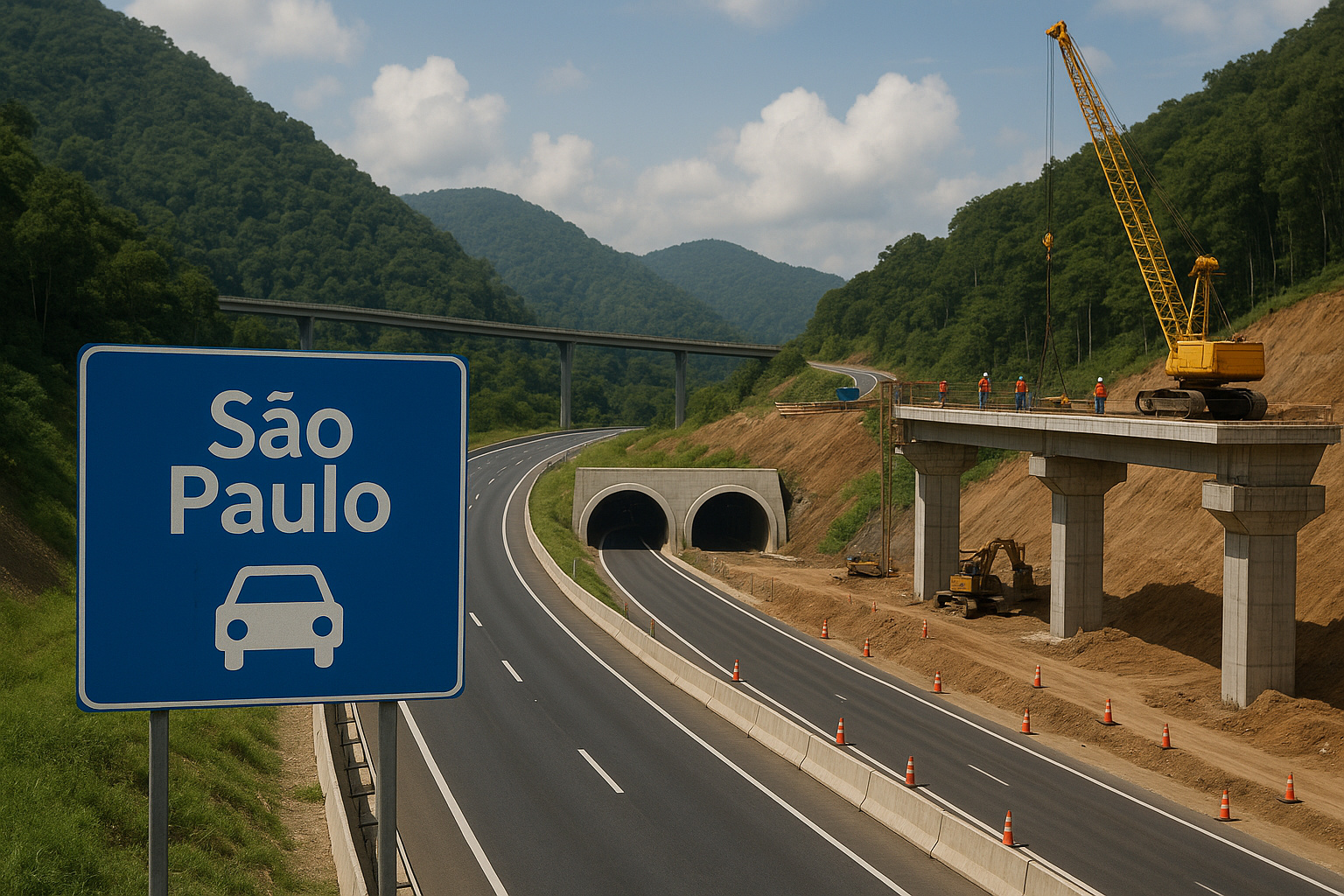
Project Presents Extensive Roadwork That Improves Access to the Coast and Reorganizes Movements Between the Capital and Santos
A roadwork considered strategic arises with the new highway planned by the São Paulo government and, therefore, profoundly changes the movement between the capital and Santos. Furthermore, the announcement highlights the creation of a direct link that reduces travel time and alleviates congestion that arises on weekends and holidays, when vehicle flow increases significantly.
The city of Santos becomes even more relevant because it houses the largest port in Latin America and concentrates intense tourism and logistics activity. Therefore, the investment of R$ 6 billion directs resources to a modern, safer, and more efficient road that reorganizes regional traffic and strengthens essential sectors of the Baixada Santista.
Technical Structure Reveals High Mobility Potential of the Project
The proposal for the new highway presents approximately 55 kilometers in length, which includes 17 kilometers of tunnels built in the Serra do Mar. In addition, the route connects to kilometer 43 of the Rodovia dos Imigrantes and continues, therefore, to the Rodovia Cônego Domenico Rangone in Santos.
-
The government puts R$ 8.6 billion on the table to change the highway (BR) with 50 overpasses, 28 bridges, 4 tunnels, and 40 km of bike lanes in 180 km of historic duplication.
-
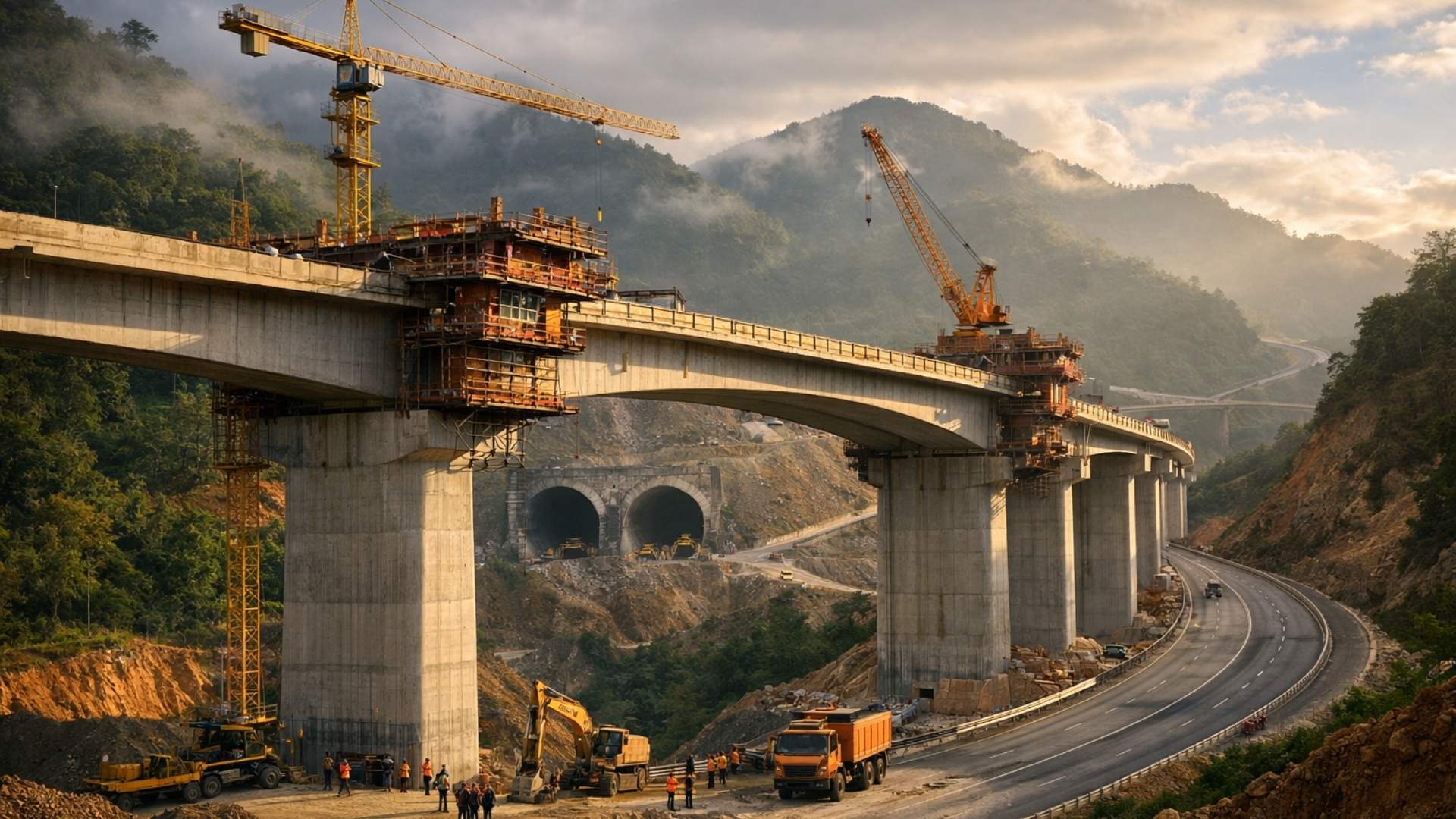
BRL 20.1 Million Bridge Project Kicks Off: 200-Meter Construction to Improve Access in Three Cities in Minas Gerais

-
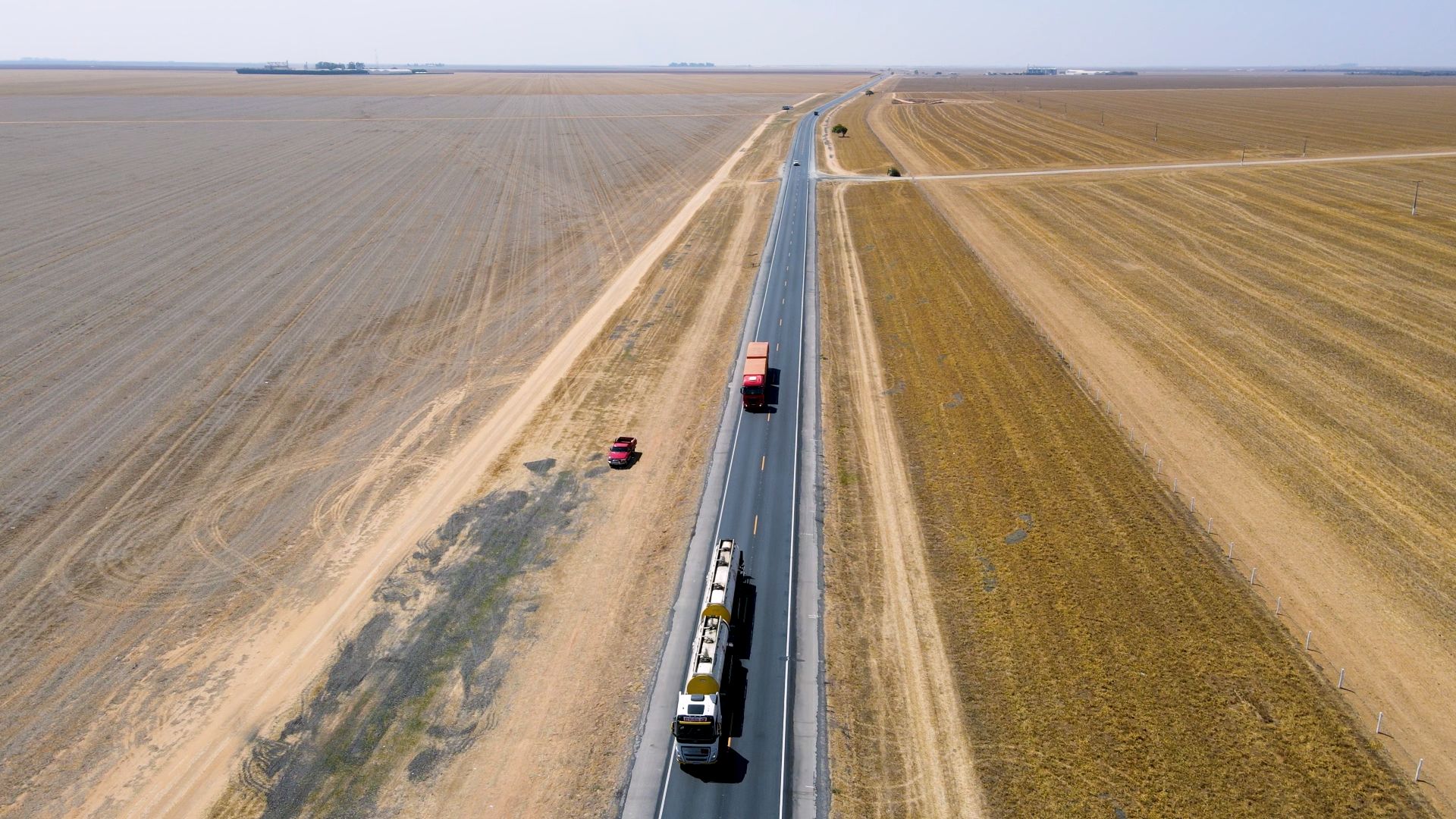
‘Endless Road’ In Brazil Is One of The Largest In The World: 145 Km Stretch On An Important Highway (BR) Crosses The West Of Bahia And Had 135.9 Km Revitalized With R$ 35.3 Million
-
Engineer From ITA Who Worked at Embraer Leads Free Flow Expansion With National Artificial Intelligence and Technology for Toll Without Barriers in Brazil


The project includes the construction of viaducts and an immersed tunnel, which, consequently, improves traffic flow and reduces historical bottlenecks in the region. The bidding is scheduled to occur by the end of 2025, and therefore, the start of construction will be planned for early 2026.
Thus, the initiative creates a complete structure that reorganizes movements and increases logistical efficiency between areas of high circulation.
Logistical and Urban Impacts of the New Link
The new road axis strengthens mobility, as it reduces travel time and improves integration between regions of high tourist and port demand. Moreover, the project facilitates the transportation of goods and, therefore, boosts sectors linked to the economy of the Baixada Santista.
The investment also brings relevant social impacts, as it expands the structural capacity for public service in the region. However, all stages of construction are planned to ensure efficiency without creating unrealistic expectations about deadlines or results.
Parallel Investments Reinforce Public Infrastructure
In addition to the new highway, the state government announced complementary investments that strengthen essential services. Thus, the Hospital dos Estivadores receives R$ 58.5 million allocated for modernization and equipment acquisition. Additionally, hospitals in Peruíbe and Bertioga receive R$ 66 million, which expands the service structure in the region.
These measures strengthen public policies that run parallel to road development and, therefore, create an alignment between mobility, logistics, and essential services.
Key Points of the Project
- 55 kilometers in length with 17 kilometers of tunnels.
- Direct connection with the Rodovia dos Imigrantes and the Rodovia Cônego Domenico Rangone.
- Immersed tunnel and viaducts to improve flow.
- Total investment of R$ 6 billion for the construction of the new road.
- Bidding scheduled for 2025 and construction planned for 2026.
- Hospital investments in Santos, Peruíbe, and Bertioga.
With this, the set of projects transforms the movement between the capital and the coast and, moreover, strengthens logistical and urban activities. However, implementation depends on rigorous technical execution and constant oversight to ensure that the results meet the real needs of the population.
The work could truly redefine mobility between São Paulo and Santos, but will this structural change meet the expectations of the population that relies on this route daily?









Seja o primeiro a reagir!