





 Portuguese
  English
  Spanish
 3 min of reading


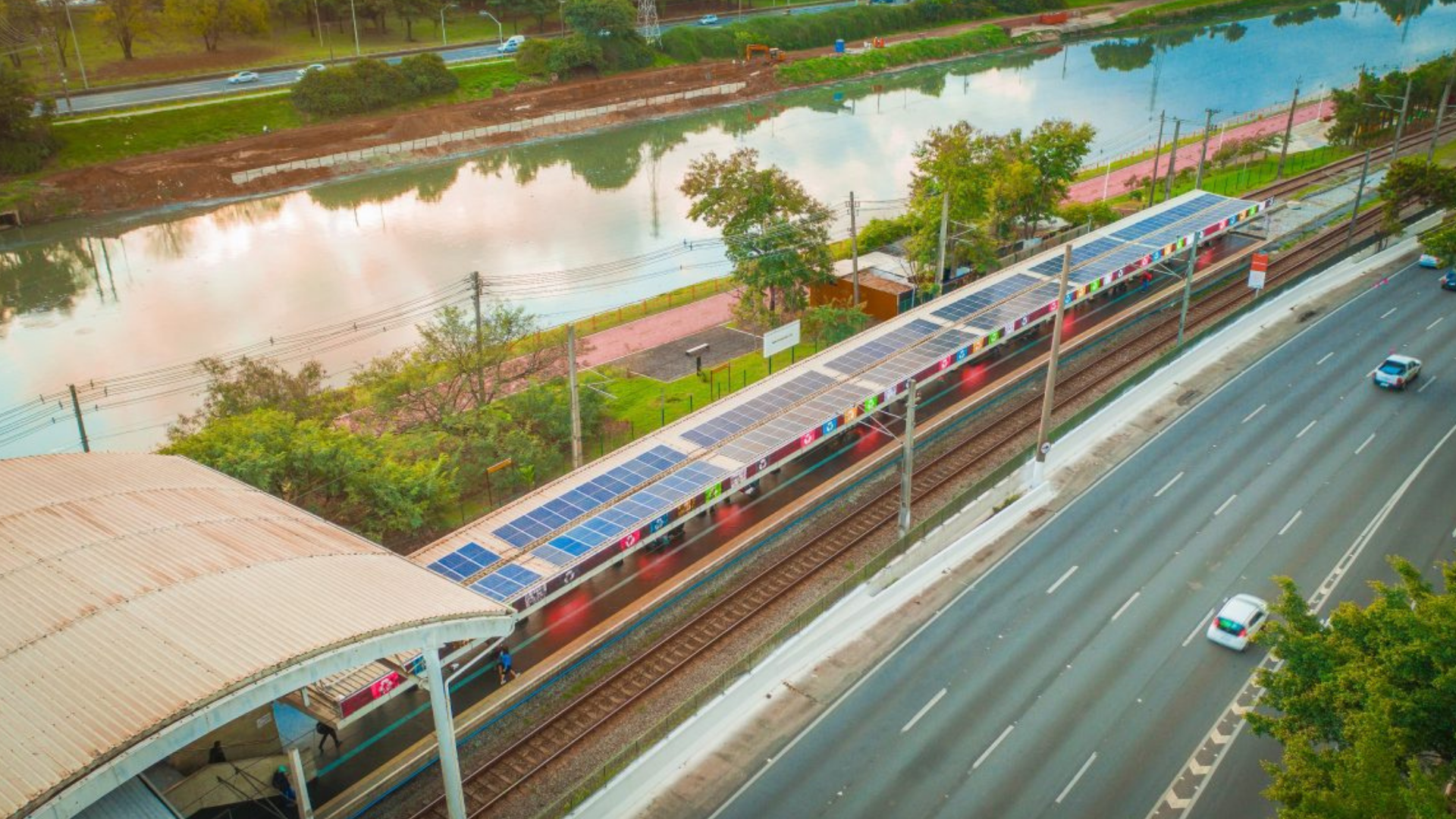
The Solar Energy Panels Installed at the Train Station in São Paulo Are the Result of a Partnership Between Eletromidia and Santander
In Vila Olímpia, in the city of São Paulo, it now has its first sustainable train station, designed in partnership between Eletromidia and Santander bank. EDP, a company that operates in all segments of the electric sector, was responsible for the solar energy utilization system, which will produce 8500 kWh of clean energy per month. Also see: In Ceará, 588 Solar Panels Are Installed at a Subway Station in the Capital
- Suzano Begins Operating Two Electric Trucks to Be Driven by Women
- IFSP Has 120 Openings for Free Courses in Administration, Industrial Automation, and Mechanical Manufacturing
- The State of Espírito Santo Has 4,700 Job and Internship Openings. Construction Work on the Port, Store Constructions, and New Factories Require Professionals
- The Government of Amazonas Foresees Investments of R$ 1.5 Billion and Creation of More Than a Thousand New Jobs in the State
- Nestlé Will Make a Billion-Dollar Investment for the Construction of a New Factory in the State of Santa Catarina. About 2,000 Jobs Will Be Created
The Solar Energy Panel Installation Project in São Paulo
The aim of this new train station with solar energy equipment is to contribute to a more pleasant experience for people commuting through the station. After carefully analyzing the flow of the station, Eletromidia’s creative team brought various solutions that reduce environmental impact, employing sustainability concepts that improve circulation and user retention.
The new sustainable Vila Olímpia station, designed in partnership between the OOH company Eletromidia and Santander, features solar energy utilization systems and sewage water reuse. The energy generated by the station can supply about 40 homes, and the monthly water savings is expected to reach 150,000 liters.
-
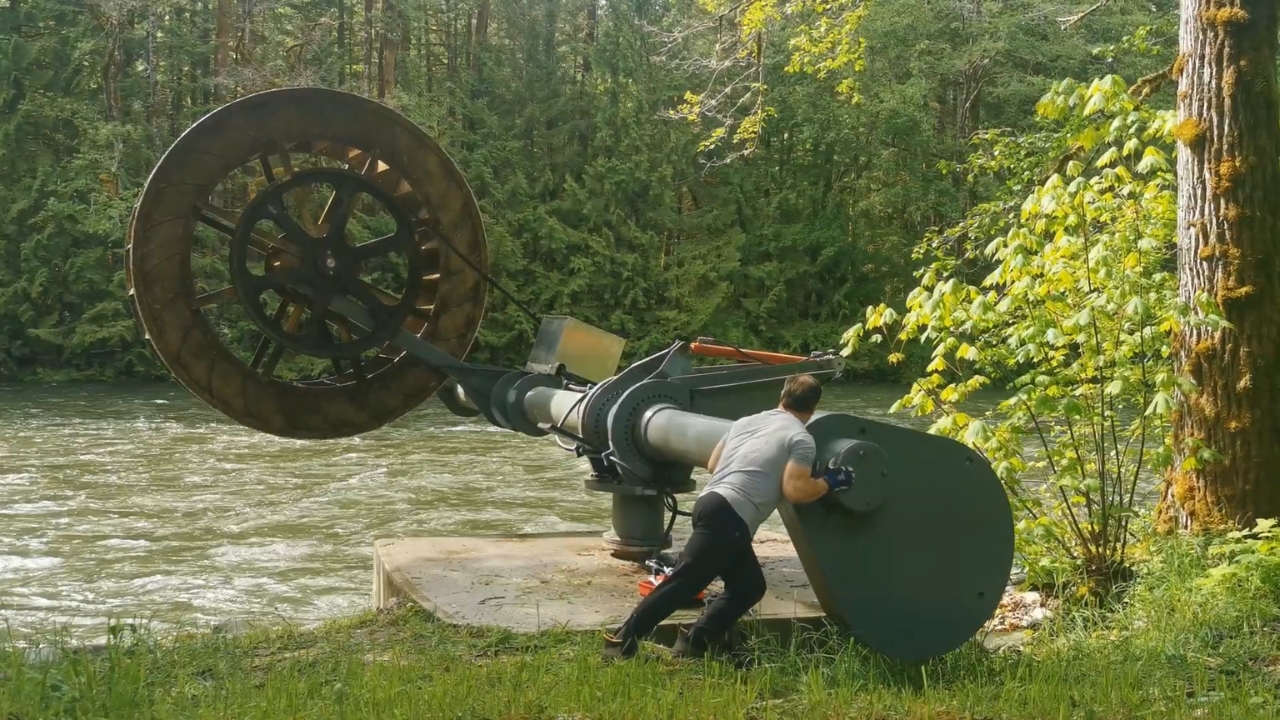
A Canadian retiree creates a hydroelectric system on a real river, generating energy continuously throughout the day and demonstrating how the power of water can supply a house with stability even in a simple structure.
-
Petrobras reaffirms its commitment to the market and ensures that it will carry out the energy transition safely to maintain national sovereignty.

-
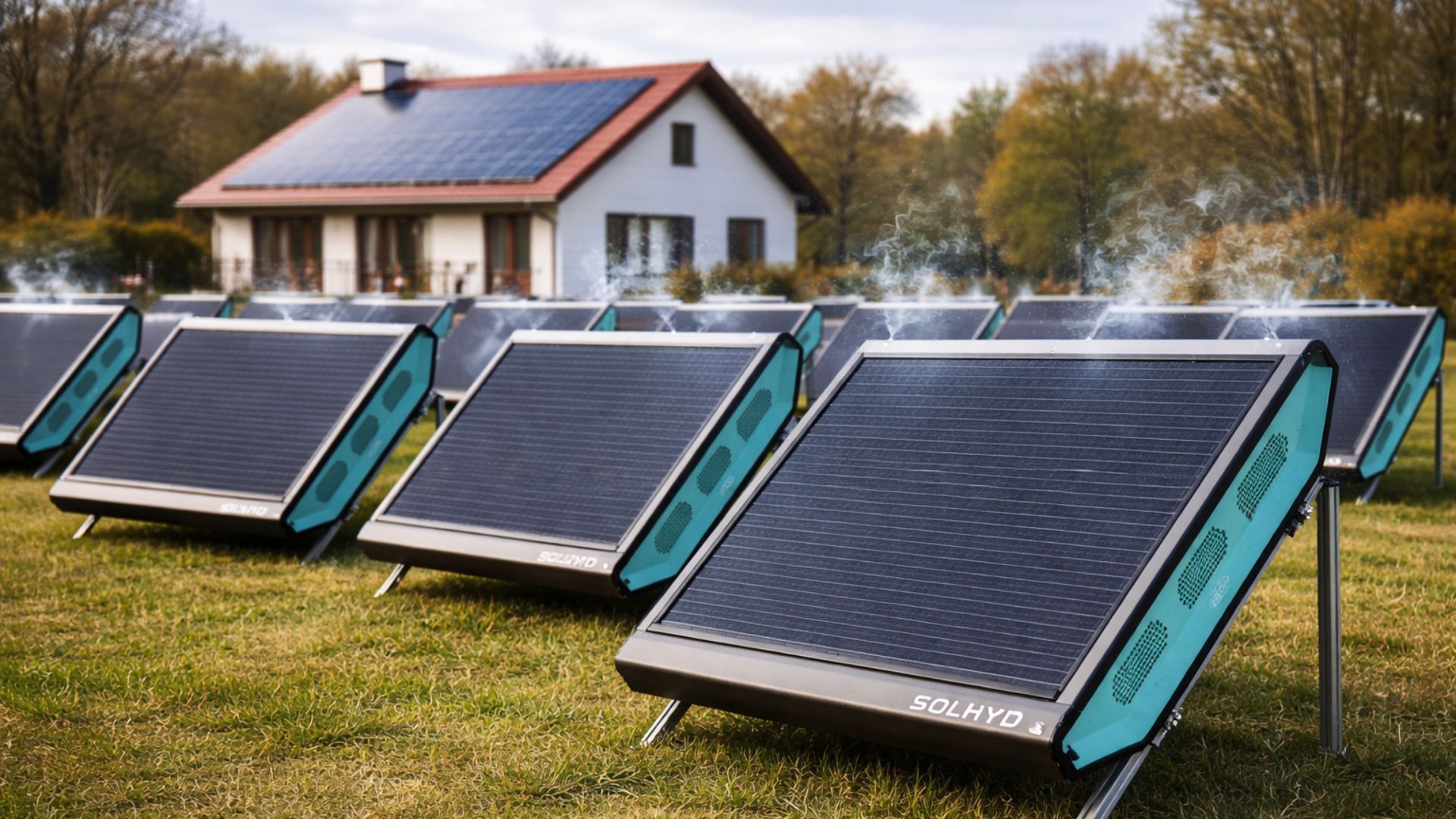
Researchers discover a possible hydrogen deposit of up to 46 million tons beneath an ancient coal basin, and the volume could exceed half of the entire global production.

-
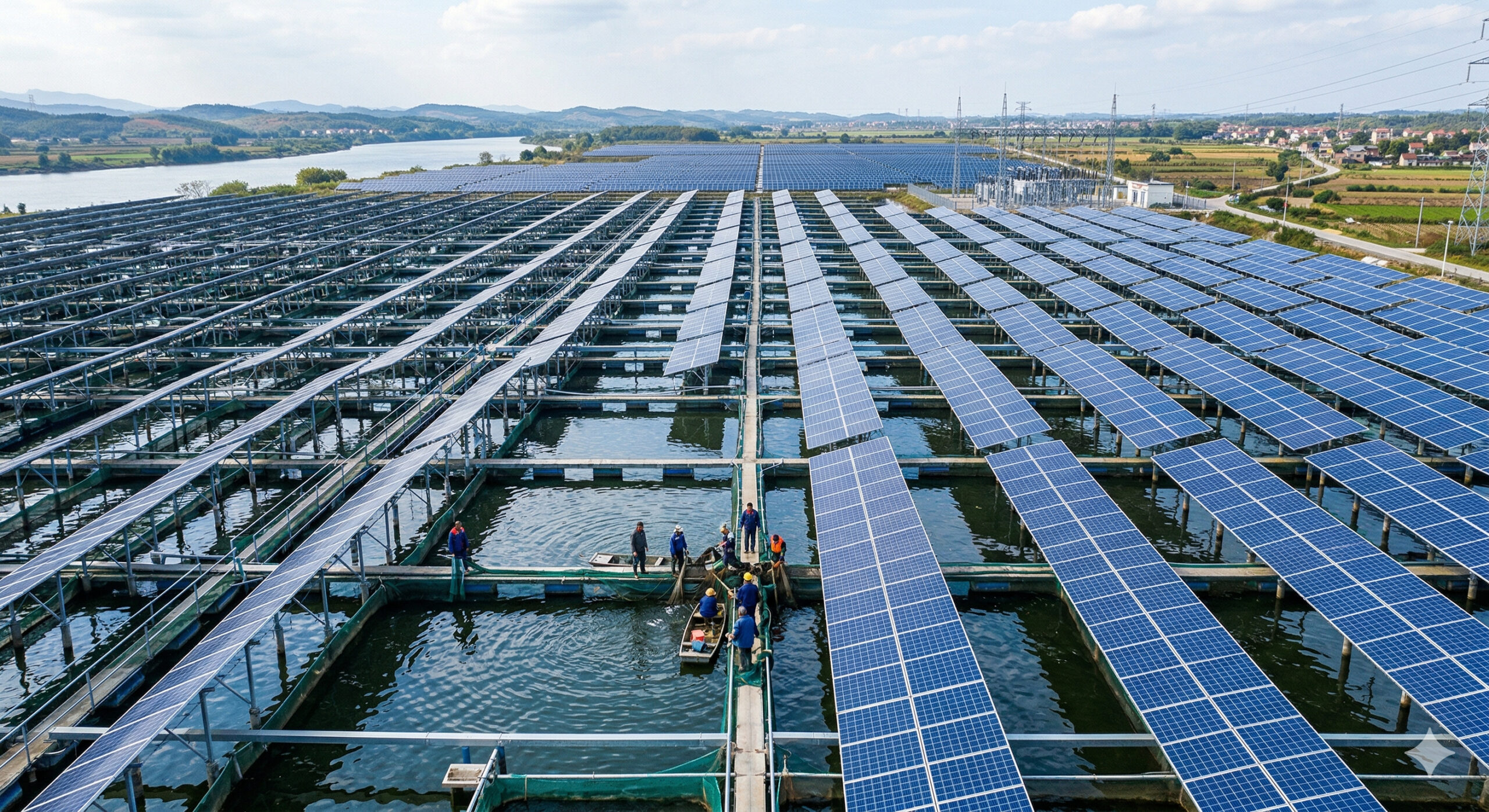
China bets on the Fishery-PV model and transforms fish farms into giant solar plants, covering ponds with panels that generate energy while utilizing the same space for large-scale aquaculture production.

In addition to the installation of solar energy panels, the station will also have over 1,500 m² of green space, which decreases the temperature of the environments, among other benefits. The vertical gardens will be irrigated by a system that reuses sewage water from the station through wetlands (filter gardens). Basic equipment such as benches and a new awning that protects users from rain are made from sustainable materials. The new benches feature USB charging points for electronics, and for cyclists, channels to facilitate the transport of bicycles up the stairs.
Great Potential for Energy Generation
EDP has developed a solution consisting of a solar energy generator connected to the station’s grid. This way, the station begins to generate the equivalent of 40 households with a consumption of 200 kWh/month. The installation on the metal roof occupies an area of about 500 m², with a generation capacity of 102 MWh per year.
André Pereira, director of EDP Smart, says that “Our ambition is to lead the energy transition in the country. That’s why we accepted the invitation to contribute to the first sustainable station in São Paulo. We took advantage of the environment of the station itself with an efficient solar energy solution that brings benefits to the environment. We believe that initiatives like this project of the new sustainable Vila Olímpia station point towards the sustainable future that the planet needs.”
See Also: Using Solar Energy to Move, the First Tourist Train in Latin America Is Offering Rides
The first tourist train in Latin America, powered by solar energy, the Tren de la Quebrada will traverse the mountains from Jujuy to Cusco, offering rides for those wishing to visit Argentina and Peru.
To make the project feasible, solar energy panels were equipped on the train’s roof. The goal of the project is to focus on environmental preservation and sustainability and to show that solar energy can be used in any type of transportation or company.
The investment in the first solar-powered train in Latin America was US$ 9 million, and it involved international professionals and specialists who were responsible for the first solar train in Australia.








Seja o primeiro a reagir!