





 English
  Francês
  Alemão
  Italiano
  Japonês
  Norueguês
  Portuguese
  Spanish
 4 min of reading
  0 comments


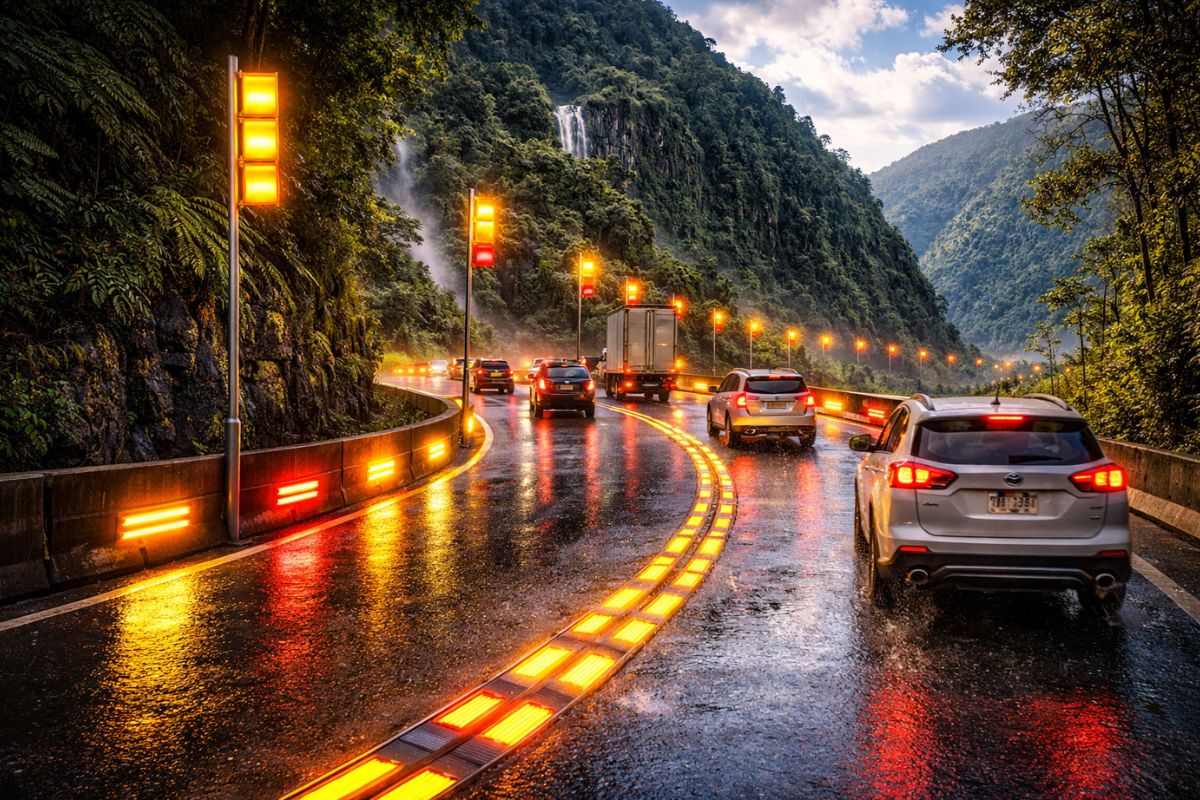
The technology began to be tested in Serra do Mar with lights to warn about risk, reduce accidents and give a faster response on the highway
The technology with lights installed in a critical stretch of Serra do Mar, in Paraná, emerges as an attempt to tackle a recurring problem on the roads: the delayed reaction of drivers to unexpected dangers. In a region marked by curves, rapid weather changes, and a high risk of accidents, the new system has been put into experimental phase to improve alerts to drivers before the situation worsens.
The proposal is simple in appearance but strategic in practice. By communicating more quickly that there is an accident, an obstacle, or a dangerous condition ahead, the technology aims to give the driver a few precious extra seconds to react, slow down, and make safer decisions.
The adoption of the new technology occurs in a context of concern about the increase in deaths on highways. According to the information presented, the number of fatalities rose by 14% in the first two months of the year, according to the Federal Highway Police.
-
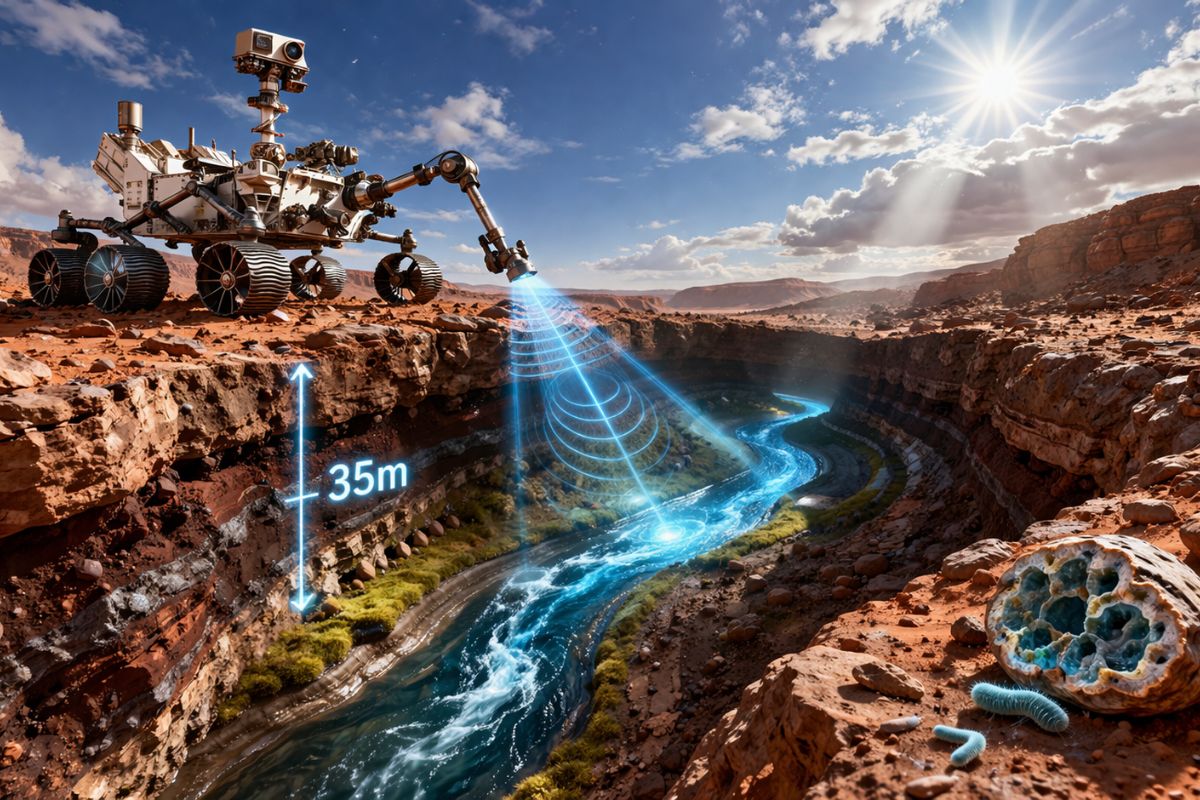
The Perseverance rover’s radar reveals a river buried 35 meters beneath Mars, pushing the presence of liquid water back to 4.2 billion years and increasing the chances of signs of life on the planet.
-
The climate in 2026 may surprise with extremes even more intense than in 2025, with heatwaves, out-of-season cold, and irregular rainfall in Brazil.

-
Astronomers identify 45 rocky planets that could harbor life, and one of them is just 4.2 light-years from Earth, making it the closest neighbor with the potential to have liquid water on its surface.

-
Archaeologists discover 43,000 ostraca in Egypt with tax lists, drawings, religious texts, and everyday notes that reveal what life was like in ancient Athribis before Cleopatra.


In addition to recklessness and speeding, one of the factors that most aggravate accidents is precisely the delay in risk perception. In mountainous stretches, this problem becomes even more serious because the scenario can change suddenly, whether due to weather, visibility, or incidents on the road. When the driver realizes too late what is ahead, the margin for avoiding impact drops dramatically.
Serra do Mar concentrates conditions that require faster response
The highway that connects Curitiba to the coast of Paraná has characteristics that increase the level of attention required from drivers.
Curves, descents, stretches with fog, and sudden changes in road conditions make the journey more delicate.
It is in this environment that the new technology tries to act. The logic of the system is to alert highway users more immediately whenever there is a dangerous situation, allowing the driver to be more alert before reaching the critical point.
Instead of relying solely on the driver’s delayed perception, the system tries to anticipate the communication of risk.
Light system wants to communicate danger more directly

According to the explanation provided, the project was developed to communicate to users when there is an accident or another dangerous condition ahead.
The focus is on creating a visual alert capable of quickly grabbing attention, especially in a stretch where response time can be decisive.
This technology comes into play precisely to address one of the weakest links in road safety in mountainous regions: the moment between the emergence of the problem and the reaction of the driver. If the warning arrives earlier, the chance of more controlled braking and safe maneuvering tends to increase.
Experimental phase will measure if the technology reduces accidents
The system is still in the experimental phase in the most critical stretch of Serra do Mar. The expectation is to evaluate whether the solution can indeed reduce accidents and improve driver behavior in risky situations.
This point is central because it is not enough just to install the resource. The efficiency of the technology depends on how drivers react to it, the clarity of the signaling, and the system’s ability to function well precisely in moments of greatest pressure. The ultimate goal is not just to modernize the highway, but to turn alerts into real prevention.
Delayed reaction remains one of the greatest challenges on the roads
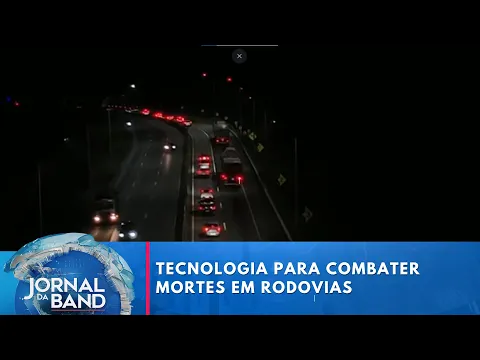

The discussion about accidents often focuses on speed and recklessness, but delayed reaction appears as an equally relevant factor. In many cases, the driver even tries to act, but no longer has enough time to avoid the collision.
In Serra do Mar, this problem gains weight because road conditions can change suddenly. Thus, the technology of lights tries to fill an important gap: to warn before the danger is practically upon the car. On mountain highways, seconds make a difference between control and tragedy.
Project tries to unite signaling and prevention
The new technology does not replace responsible driving, constant attention, or respect for road limits. Still, it can serve as an extra layer of protection in a stretch where the risk is already known.
If the tests confirm a reduction in accidents, the system could gain traction as a prevention tool in higher-risk areas.
The bet, at its core, is to use intelligent signaling to tackle an old problem on Brazilian highways. When danger is communicated more quickly, the chance of a safe response also increases.
Do you think this light technology can really help reduce accidents in mountainous stretches?





Seja o primeiro a reagir!