





 English
  Francês
  Alemão
  Italiano
  Japonês
  Norueguês
  Portuguese
  Spanish
  5 min of reading


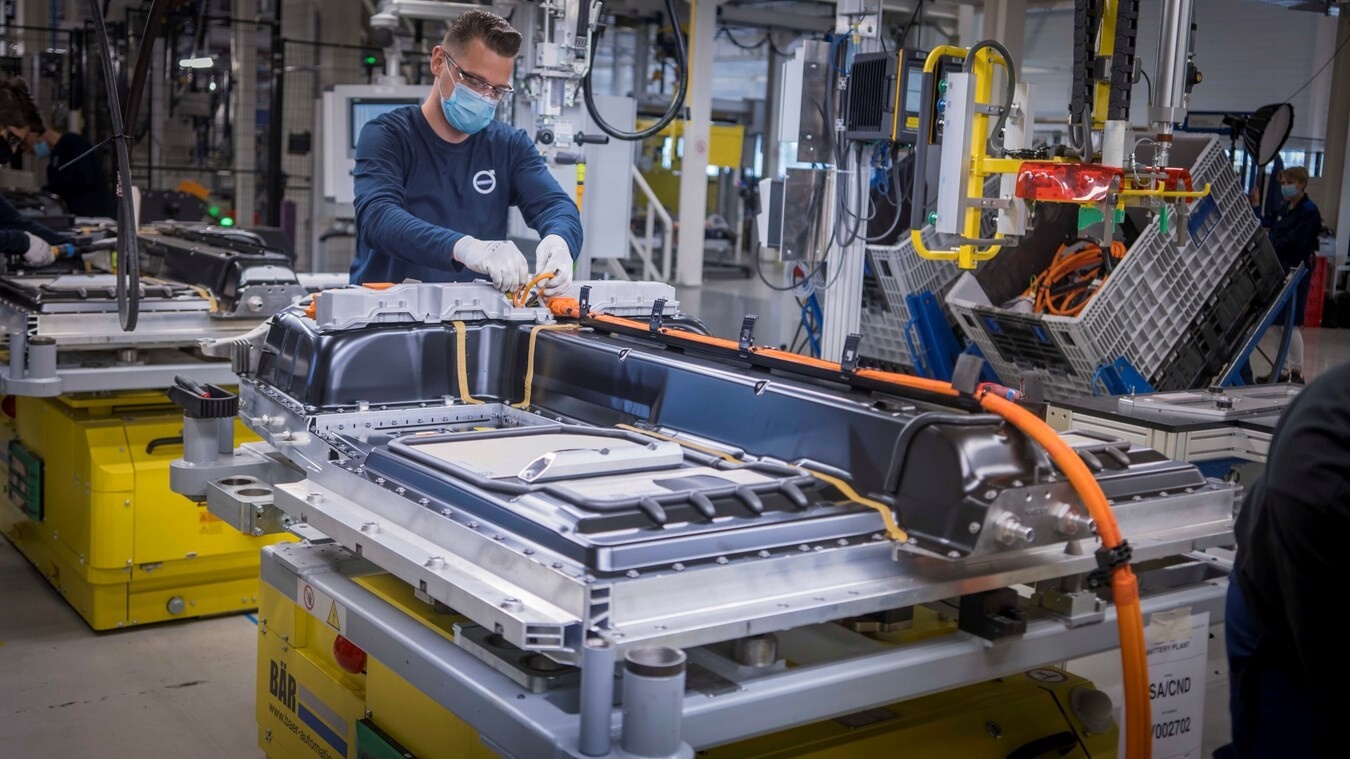
Niobium: The Wild Card of Future Industry and Abundant in Brazil, Becomes a Solution for Electric Cars and Along with Graphene Will Revolutionize the Future of Technology
A fundamental component in electric cars and, therefore, the most expensive of all, batteries are responsible for determining the range of these models, but they are not perfect: their capacity decreases over time shortening their lifespan and niobium, a material so abundant in Brazil, along with graphene, promises to revolutionize the future of humanity, would retain its lead role and become the solution in place of lithium to maintain the capacity of the batteries used by electric cars.
Read Also
- Niobium, the “Wild Card” for the Future Industry, with Lighter Cars, Lower Consumption in Combustion Engines, and Ultra-Fast Charging for Electric Vehicles. All of This is Possible with the Presence of This Metal So Abundant in Brazil
- Brazil Will be the Protagonist of the Niobium Revolution in the World, the Essential Metal for the Steel Industry, Electric Cars, Infrastructure, Technology, and Health
- The World Leader in Niobium Production, CBMM, Closes International Partnership and Adopts Canadian Technology to Increase Battery Performance in Electric Vehicles
- They Have Discovered the Third Largest Niobium Deposit in the World
Electric car batteries (as well as those of any electronic device) lose some of their energy capacity even before the first charge. As explained by Oak Ridge National Laboratory, the reasons for this are found in the degradation suffered by their chemistry and the impurities created in the first charge and discharge cycle. Check out the video below.


Understand the Composition of Lithium Batteries
To address this disadvantage, Stanley Whittingham began to work. He is the chemist who invented lithium batteries in the late 1970s: an achievement for which he was awarded the Nobel Prize in his field in 2019. He now leads a group of researchers who found a way to stop this degradation affecting the capacity of electric car batteries and, therefore, their lifespan: a coating that protects the cells from this loss.
-
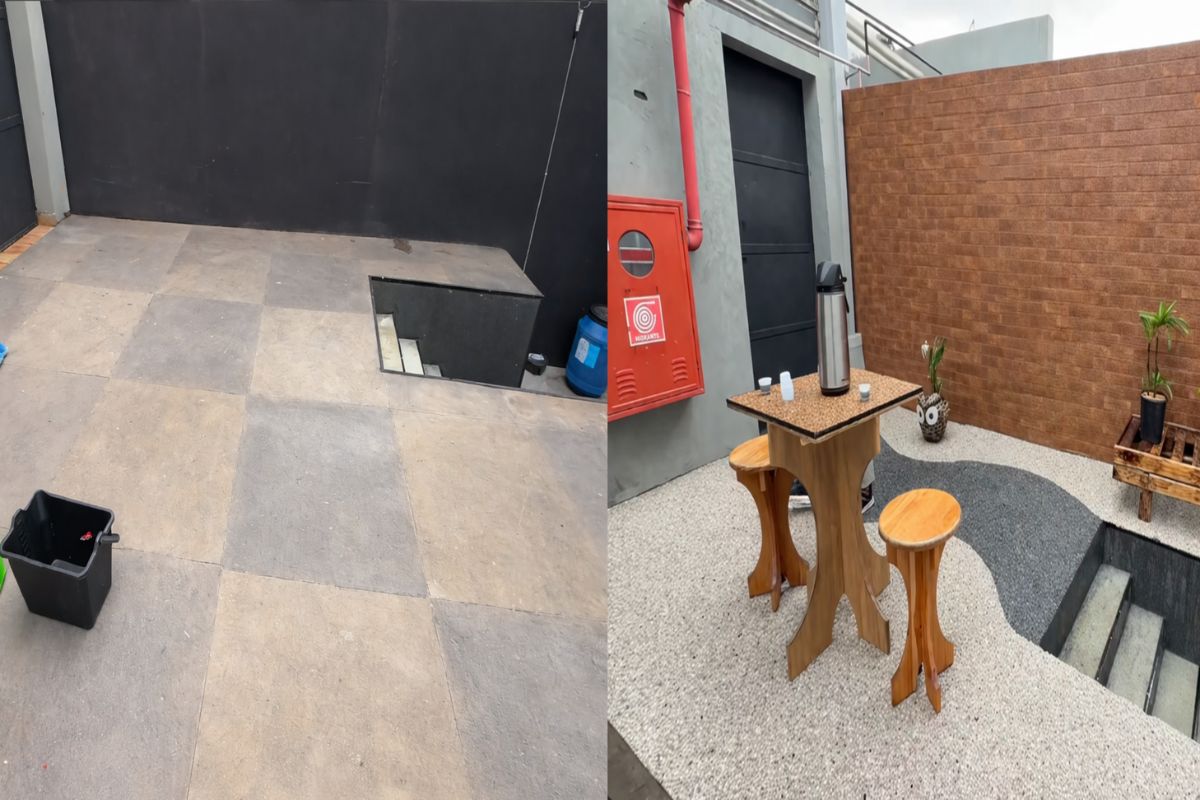
In just three hours, a natural stone floor transforms the entrance of the house with an organic effect, immediate drainage, and a sophisticated non-slip finish that doesn’t puddle water, dries quickly, and impresses with the final result.
-
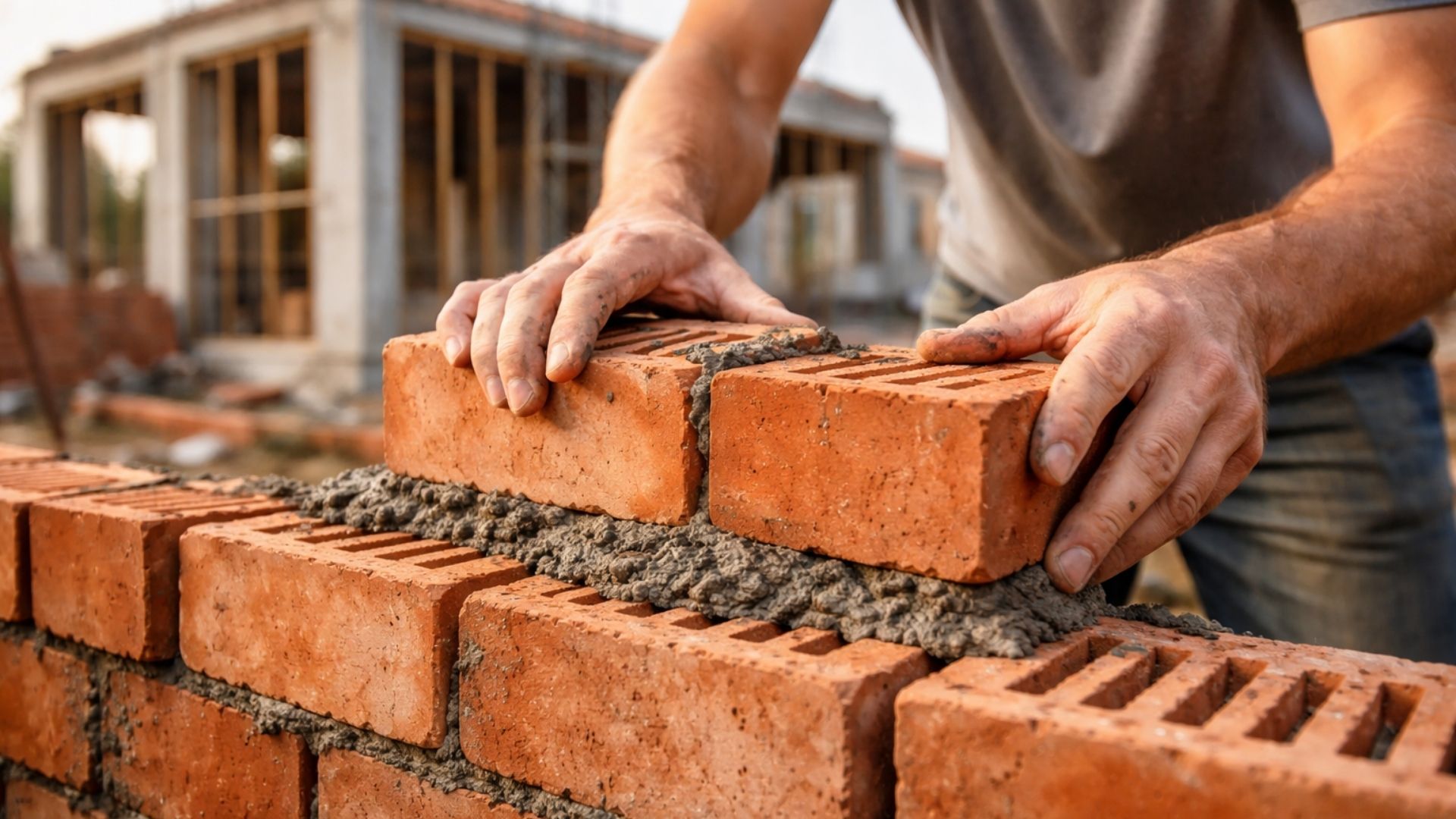
‘Interlocking brick’ made of earth arrives in the construction industry with cost reductions of up to 40% on the project.
-
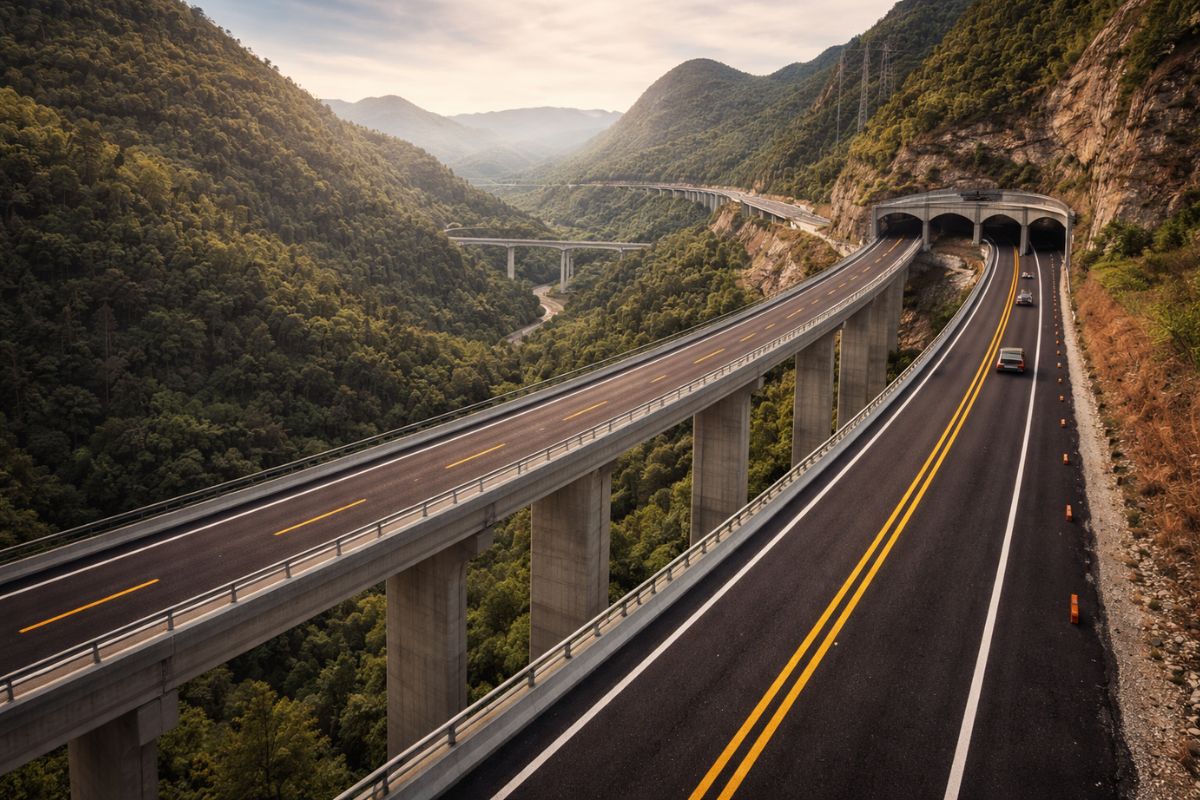
Espírito Santo will receive the largest engineering project in its history with the duplication of BR 262, which will have 50 viaducts, 28 bridges, and 2-kilometer tunnels cutting through the most challenging mountainous region of the entire state.
-
A project of nearly 9 million reais already has the first kilometer paved in Santa Catarina and promises to completely transform the access between Jaraguá do Sul and Rio dos Cedros in an area where tourism is growing at a rapid pace.


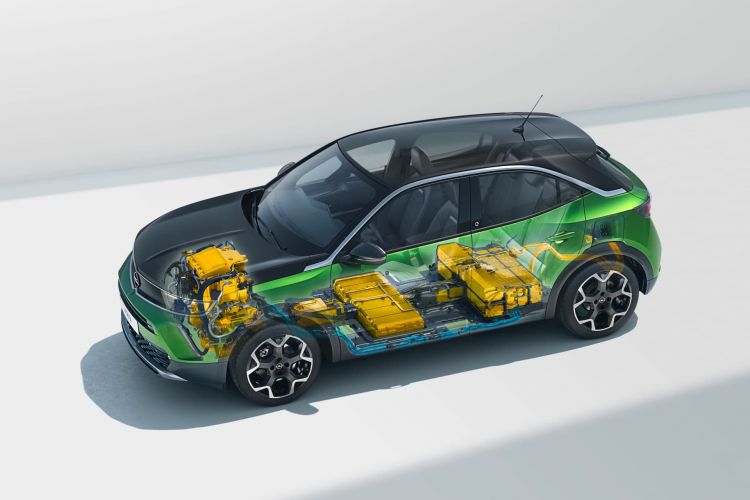
Before explaining his discovery, it is necessary to minimally understand the composition of lithium batteries. These have cathodes made with alternating layers of lithium and oxide from materials that are rich in nickel. This metal is used because it generates higher energy density and greater storage capacity… at a lower price, as it is cheaper than other materials.
However, not everything is an advantage: nickel in cathodes is unstable. This causes it to react easily, generating a series of impurities that cover the surface of the cathode and reduce the storage capacity by 10-18%… in the first charge and discharge cycle of the battery. It is not the only thing contributing to this decline: nickel can also generate instability within the cathode structure, something that decreases capacity during long charge and discharge periods.
Increased Capacity Thanks to Niobium Oxide
Stanley Whittingham found himself in this scenario and has been working on it with a series of diffraction studies performed with X-rays and neutrons. This has been the starting point to arrive at an experimental chemical treatment in which the cathodes forget about lithium to use niobium oxide.
The atoms of this chemical element have the ability to stabilize the surface and consequently reduce the losses that occur from the first cycle. They achieve this as the temperature rises, bringing the manganese atoms to the cathode to improve its long-term retention capability.
Translating this theory into practice and applying it to electric cars: by reducing the losses of the first charging and discharging cycle, the battery improves its long-term capacity, thus extending its lifespan.
Something that Stanley Whittingham and his team have already been able to verify, with this chemical treatment they managed to reduce capacity loss during the first charging and discharging cycle, which translates into better battery performance in the long term. At the laboratory level, after 250 charging and discharging cycles, the capacity retention was 93.2%.
Now, thanks to this advance, they want to develop next-generation lithium metal battery cells that deliver up to 500 Wh per kilogram, instead of the 220 Wh we have on average today.
With the development of these cells, the lifespan of batteries included in electric vehicles could be extended to make them, from the first charge, much more durable.
Brazil Gains the First and Largest Graphene Production Factory in South America, Capable of Producing Up to 5000 Kg per Year, Which Together with Niobium Will Revolutionize the Future of Humanity
Brazil has 1/3 of the graphite (or graphitic) reserves and approximately 97% of Niobium, which combined with graphene will revolutionize the future of humanity. The inauguration of the first and largest industrial-scale graphene production factory in South America, which took place on July 9, included the presence of the President of the Republic, Jair Bolsonaro, the Chief Minister of the Civil House, Luiz Eduardo Ramos, and the Minister of Science, Technology, and Innovations, Marcos Pontes. The unit will have the capacity to produce up to five thousand kilograms of high quality per year.
In his speech, President Jair Bolsonaro highlighted the Brazilian potential: “We have a blessed homeland. Returning to the periodic table, we have the entire table here in Brazil. Including in what is rare. We have about 1/3 of the graphite, or graphitic, reserves in several states. We have approximately 97% of Niobium, which combined with graphene will truly revolutionize the future of humanity,” he stated.

About Graphene
Graphene is a material recognized worldwide for its incredible physical properties, such as high mechanical resistance, lightness, malleability, and high thermal and electrical conductivity. Brazil is the third-largest global supplier of the mineral graphite and holds the second-largest global reserve of this material, which is the main raw material for Graphene. It is estimated that this market will move more than 3 billion dollars in 5 years.
Among the products that use this raw material are bulletproof vests, anti-corrosive, self-cleaning and antibacterial paints, fabrics, helmets for motorcyclists, rebars for civil construction, batteries, among others.
The Civil House monitors policies for advanced materials to promote the harmonization and regulation of this topic with the various sectoral actions conducted by other ministries.









Seja o primeiro a reagir!