





 English
  Francês
  Alemão
  Italiano
  Japonês
  Norueguês
  Portuguese
  Spanish
  8 min of reading


Niobium – also known as columbium – is relatively uncommon in the world but abundant in Brazil. It is an important element used as an additive in steel products for industrial applications, including automobiles, airplanes, pipes, spacecraft, nuclear weapons, and even drilling.
Read Also
Increasingly, this mineral has become essential for technology and sought after in the market for its characteristics of resistance to high temperatures and corrosion. Moreover, niobium is the metallic element with the lowest concentration in the earth’s crust, found in nature at a ratio of 24 parts per million.


Niobium (Nb) is a transition metal, and it got this name because it was inspired by the Greek goddess Niobe, who also named the character (cat) from the series Rome. It primarily occurs as an oxide and has a strong geochemical coherence with tantalum.
-
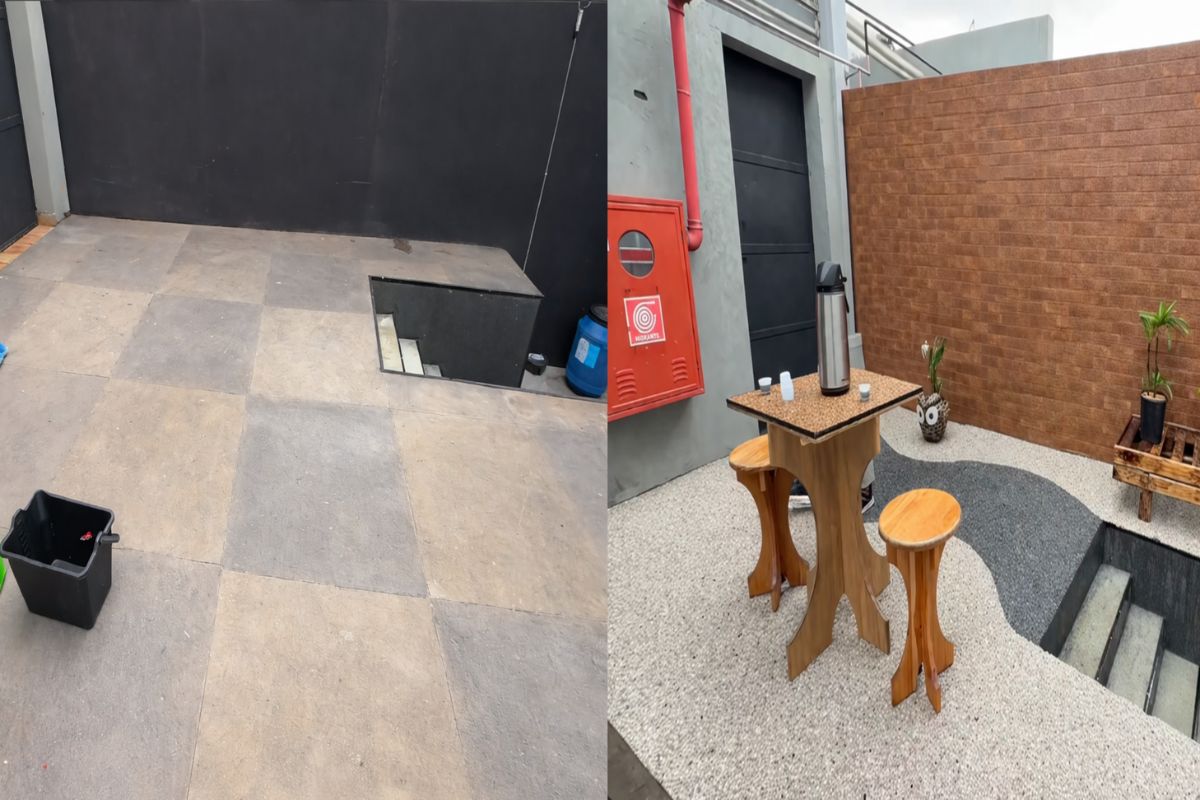
In just three hours, a natural stone floor transforms the entrance of the house with an organic effect, immediate drainage, and a sophisticated non-slip finish that doesn’t puddle water, dries quickly, and impresses with the final result.
-
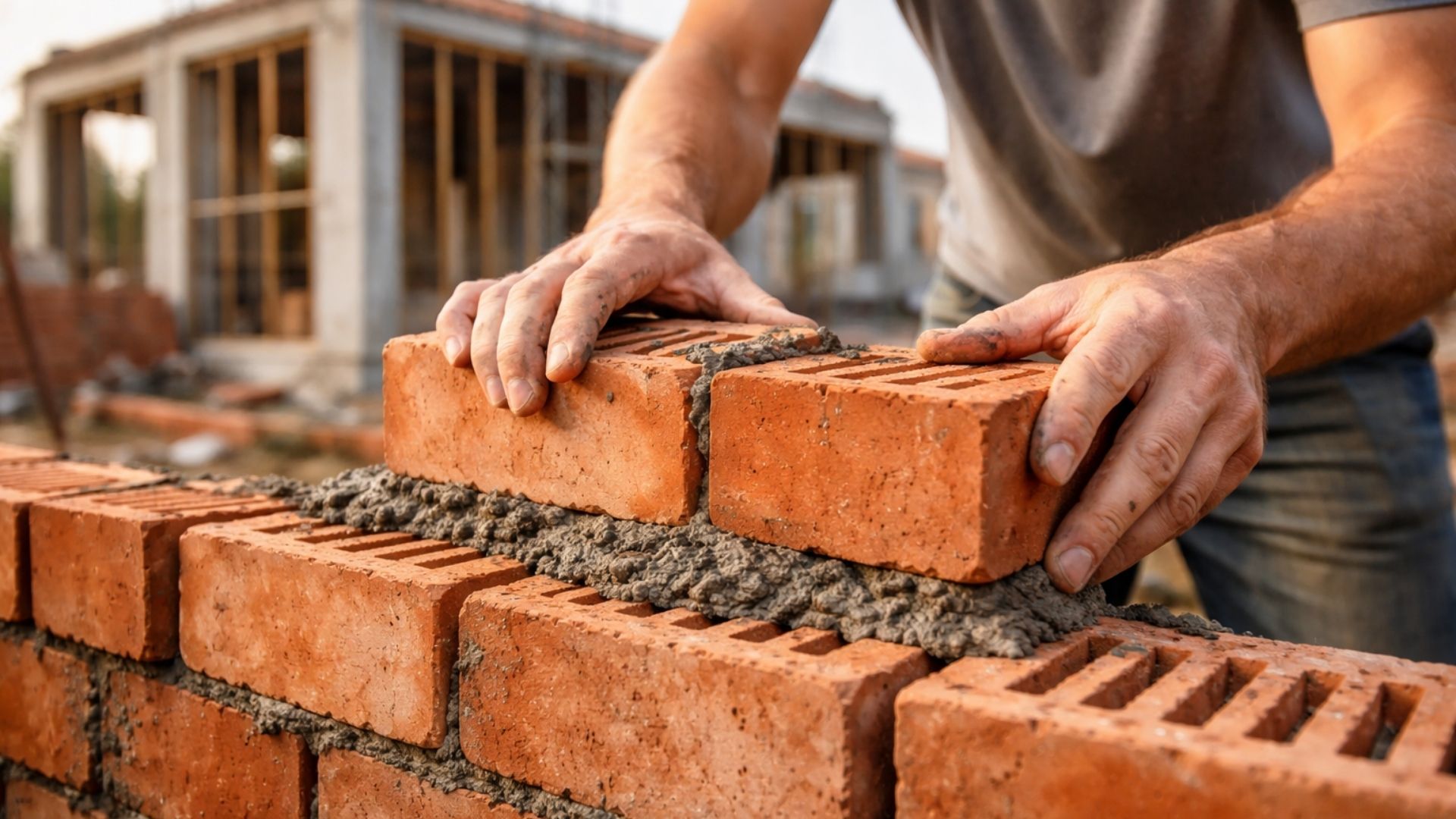
‘Interlocking brick’ made of earth arrives in the construction industry with cost reductions of up to 40% on the project.
-
Espírito Santo will receive the largest engineering project in its history with the duplication of BR 262, which will have 50 viaducts, 28 bridges, and 2-kilometer tunnels cutting through the most challenging mountainous region of the entire state.

-
A project of nearly 9 million reais already has the first kilometer paved in Santa Catarina and promises to completely transform the access between Jaraguá do Sul and Rio dos Cedros in an area where tourism is growing at a rapid pace.


The main niobium minerals are pyrochlore [(Na, Ca) 2Nb2O6F] and columbite [(Fe, Mn) (Nb, Ta) 2O6], composed of niobate, tantalate, iron, and manganese. Columbite is found in intrusive pegmatite and biotite and in alkaline granites. However, since most of these deposits are small and poorly distributed, they are usually extracted as a byproduct of other metals.
Niobium: The News About Venezuela’s Movements to Explore and Sell the Mineral to Russia Creates Alarm in the Government and Is False
In August 2020, a military report alerted the Planalto about Venezuela’s movements to explore and sell niobium to Russia. The illegal extraction of niobium by the Venezuelan government and Russia’s involvement raised concerns among the military. However, there is no evidence that this fact is true.
The military area reminds the Planalto that the United States has classified niobium as a strategic material for Brazil’s development. The metal is mainly used in the production of special steels and superalloys and acts as a “modifier”: just 400 grams per ton are needed to produce lighter and stronger steels.
According to data from the Geological Service of Brazil – CPRM, a public company linked to the Ministry of Mines and Energy, Brazil is responsible for about 98% of the world’s niobium reserves and 90% of the total transactions related to the mineral. However, there are no indications of smuggling of the mineral to the countries mentioned in the released report. Experts claim that the commercialization of niobium is not financially attractive in this illegal activity.
Scourge of Illegal Mining
The state of Amazonas, where the niobium deposits are located, is also the state with the most threatened indigenous reserves – a total of 30 being seen by land grabbers, large landowners, and oil and gas companies.
Mining companies have pressured for a change in Brazilian legislation so that it allows them not only to mine in a reserve but also on protected indigenous lands throughout the country.
This change could be introduced through the long-paralyzed mining law in Congress; however, it faces a series of obstacles. One of them stems from the Brazilian Constitution.
The Brazilian Constitution establishes that no measure can be authorized to allow mining in indigenous areas until a series of prerequisites are met, including the consent of the affected communities.
The Mines and Energy Commission, for example, has already rejected a proposal that created a national policy for the production of niobium requiring that only 100% Brazilian companies could explore niobium. Another three projects regarding niobium beneficiation were rejected by the same Commission (PLs 1581/15, 11088/18, and 11249/18).
Brief History of Niobium Exploration in Brazil
The first large niobium reserve in the world was discovered in 1960 in Araxá. Five years later, American Arthur W. Radford, a member of the board of the mining company Molycorp, and Brazilian banker Walther Moreira Salles set up a company to explore this element.
The association between the investments of the Brazilian banker and the mining company in which the American was a counselor – which had acquired some mines in Araxá – led to the emergence of the Brazilian Company of Metallurgy and Mining (CBMM).
In 1965, the Brazilian government allowed the Brazilian Company of Metallurgy and Mining (CBMM), in partnership with the American government, to explore the available reserves in the country. At that time, niobium’s use was not yet proven.
Only in 1970, after some studies, niobium was attributed commercial uses. It was during this time that Salles, also owner of Banco Itaú, gradually began to buy the company’s stake that belonged to the Americans.
CBMM markets niobium in the form of metal alloys, such as ferroniobium, which consists of 2/3 niobium and 1/3 iron. In 2011, the Brazilian Company of Metallurgy and Mining negotiated 30% of its shares with an Asian company with certain stipulations, among them that confidentiality regarding the processes developed by Salles’ company would be maintained.
Anglo American Brazil explores niobium in Catalão, Goiás. Analogous to this, we can mention the reserves of this mineral that exist in the Amazon. There are two known niobium deposits in the region, in Seis Lagos and in Santa Isabel do Rio Negro.
What Is the Probability of Niobium Development in the Amazon?
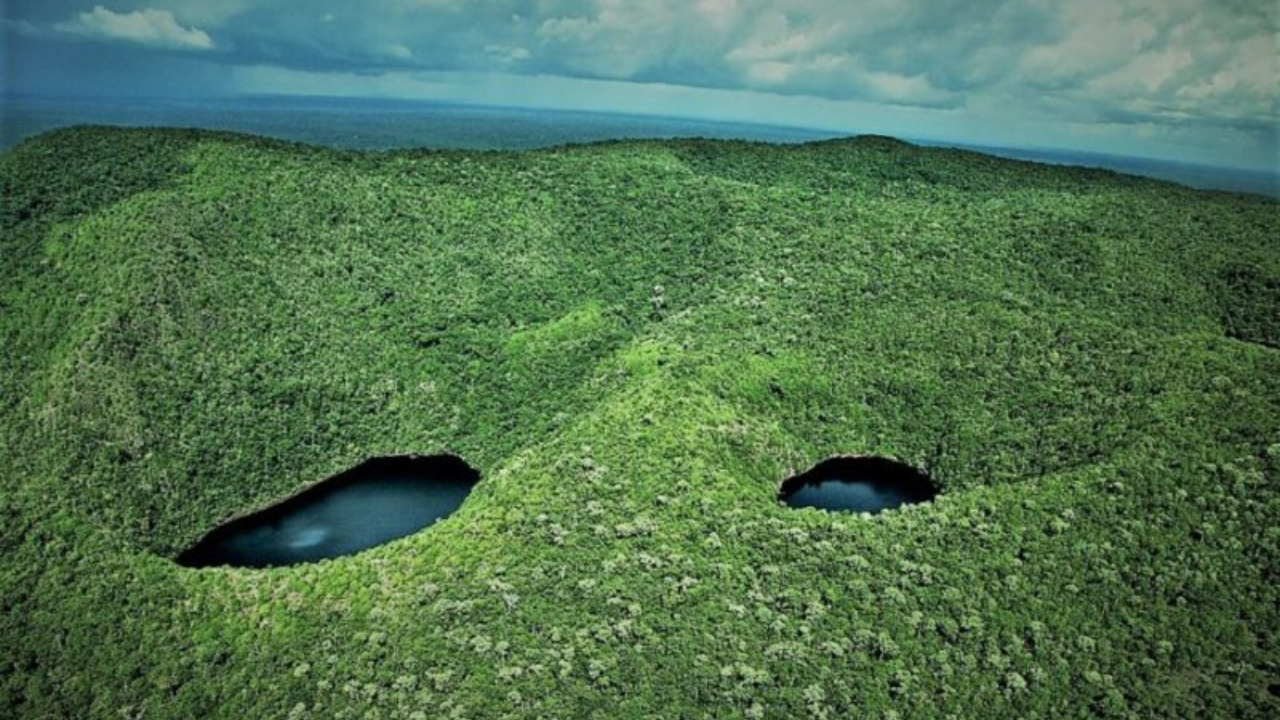
Consisting of a biological reserve that covers 36,900 hectares (91,181 acres) of primary rainforest, Seis Lagos also includes an inselberg – an isolated rock outcrop – and six lakes, each with water of different colors due to various dissolved minerals, such as iron, manganese, and niobium.
Seis Lagos is located in São Gabriel da Cachoeira (AM), mining rights of the Geological Service of Brazil/CPRM, with about 2.9Gton at 2.81% Nb2O5, which would yield around 81.4 Mton of contained Niobium oxide, approximately 14 times the current known reserves in the world.

Between Seis Lagos and Santa Isabel do Rio Negro lies Pico da Neblina, Brazil’s highest peak at 2,995 meters (9,827 feet) above sea level. The niobium deposits are located in the Rio Negro basin, the largest blackwater basin in the world. Twenty-three indigenous groups, including the Yanomami people, live in the Brazilian portion of the Rio Negro basin.
The country has a sufficient reserve to meet the world’s niobium demand for the next 200 years. Overall, 98.2% of the planet’s niobium reserves are in Brazil.
There is significant betting and speculation regarding the commercialization of niobium and the benefits it could bring to Brazil; however, despite the possibilities for using the mineral, it can be substituted by vanadium or titanium, for example, which are more accessible to other countries. The cost of niobium exploration is still very high.
Finally, the amount of niobium required for the production of industrial-use metal alloys is very small, leading to a devaluation due to the law of supply and demand. For niobium to be marketed at higher prices, it would be ideal to add value to the mineral by using it in new technologies and avoiding selling the compound as raw material.
Brazil Is the World Leader in Niobium Production
Almost all niobium in the world is in Brazil. The country is recognized as a leading producer and participant in the global market for mineral commodities, especially metallic minerals. Among these, iron ore, copper, gold, aluminum, and niobium stand out.
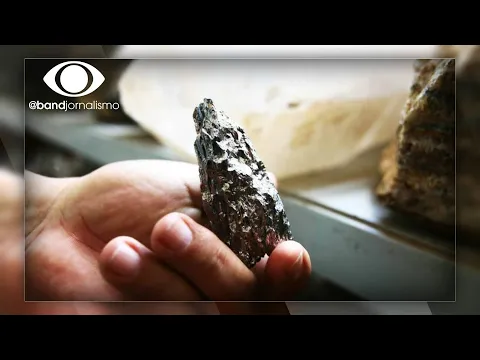
According to the National Mining Agency (ANM), the country holds about 98% of the niobium deposits in operation worldwide, representing an 82% share of the global market.
The largest Brazilian reserves are concentrated in the city of Araxá (MG) with 75% of the niobium deposits, followed by Amazonas with 21% of non-commercial deposits and another 4% in Catalão (GO).
The Brazilian Company of Metallurgy and Mining (CBMM) is responsible for the exploration of niobium in Brazil under a concession regime. Brazilian niobium is extremely sought after in the foreign market, with no national exploitation, sending it out of the country.
In 2018, CBMM allocated 95 thousand tons of ferroniobium, niobium metal, niobium nickel, and niobium oxide to the international market, according to a survey by the Revista Pesquisa Fapesp.
Approximately 10% of all steel produced in the world contains Niobium as an alloying element. China is the main market that demands this element, consuming about 25% of the global production, mainly for steel production (it produces about half of the world’s steel).
Brazilian Company of Metallurgy and Mining Increases Ferroniobium Capacity to Meet the Growth of the Technology Sector Demand
The Brazilian Company of Metallurgy and Mining recently completed a US $ 555 million expansion of its ferroniobium plant in Araxá, Minas Gerais, in southeastern Brazil. This will provide an increase in sales of ferroalloy that primarily supplies the global automotive sector, renewable energy, and electronics.
The ferroniobium capacity at CBMM’s plant was estimated at around 100,000 tons/year before the expansion. With this expansion, the plant’s ferroniobium production capacity increased to 150,000 tons/year, which is more than the current total market demand of around 110,000 tons/year.
The ferroniobium market shrank to around 95,000 tons in 2020 due to the impact of the COVID-19 pandemic. Last year, CBMM sold about 72,000 tons of ferroniobium.
The use of ferroniobium is growing in high-strength low-alloy steel applications in the automotive industry, in superalloys for turbines, including wind turbines, in semiconductors and medical imaging equipment, and it is also used in pipelines, he said. Niobium oxide is the raw material for superalloy production.
Brazil holds the largest niobium reserves in the world and CBMM is the largest niobium producer in the world, producing niobium oxide and ferroniobium, which it describes as its main business and flagship product.
Brazil produces the Fe-Nb alloy and other products, besides actively participating in all segments involving Niobium. CBMM – Brazilian Company of Metallurgy and Mining (private) holds about 80% of national production, with the remainder being produced by Mineração Catalão de Goiás; CBMM mines openly and without the use of explosives.
Ferroniobium is also produced by China Molybdenum Corp in Brazil and by Niobec in Canada. Other countries with potential niobium deposits include: Angola, Russia, Saudi Arabia, Democratic Republic of Congo, Denmark, Finland, Gabon, Tanzania, Nigeria, Malawi, Ethiopia, USA, among others.
1st Brazilian Niobium Fair and the Inauguration of New Installations of CNPEM/MCTI, in Campinas (SP)
The President of the Republic, Jair Bolsonaro, and Ministers Marcos Pontes, of the Ministry of Science, Technology and Innovation (MCTI), and Milton Ribeiro, of the Ministry of Education (MEC), participate in the afternoon of October 8, 2021, in a series of events and inaugurations at the National Center for Energy and Materials Research (CNPEM), a social organization supervised by MCTI.

Niobium, considered one of the “new metals,” has had its use highlighted by cutting-edge technologies that have emerged in recent years. In Brazil, the most explored are particularly Rare Earth Metals (REE), niobium, tantalum, lithium, vanadium, copper, and nickel.
The 1st Brazilian Niobium Fair showcased products already developed by companies in partnership with academia, aimed at applying the mineral to contribute to Brazil’s positioning in the global scenario as a reference focused on the production, characterization, and application of niobium.







Seja o primeiro a reagir!