





 Portuguese
  English
  Spanish
  4 min of reading
  0 comments


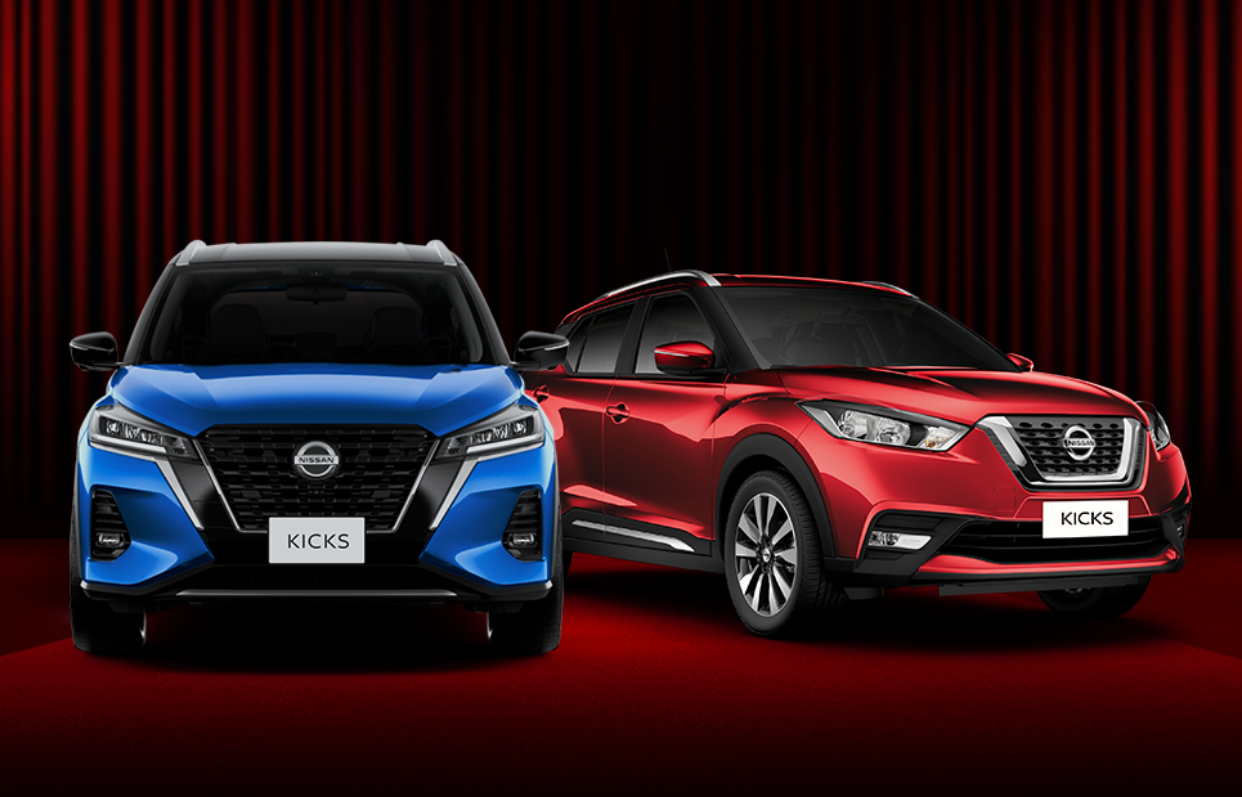
Learn Who Controls Nissan, One of the Largest Automakers in the World, and Discover Where Its Vehicles Are Produced to Meet the Global Market.
Although less popular than Toyota, Nissan remains one of the top 10 automobile manufacturers in the world. Its iconic models have won fans all over the globe, while its history intertwines with constant innovations and challenges.
The origin of Nissan dates back to 1911, with the founding of Kwaishinsha Motor Car Works in Tokyo. Three years later, the company launched the DAT, a car named after the initials of its founders: Kenjiro Den, Rokuro Aoyama, and Aketaro Takeuchi.
In 1934, after being acquired by Nihon Sangyo Co., the automaker was renamed Nissan Motor Co. Ltd., but the vehicles continued to be known by the Datsun brand, which would last until the 1970s. In 1937, the Nissan brand also began to be stamped on its models.
-
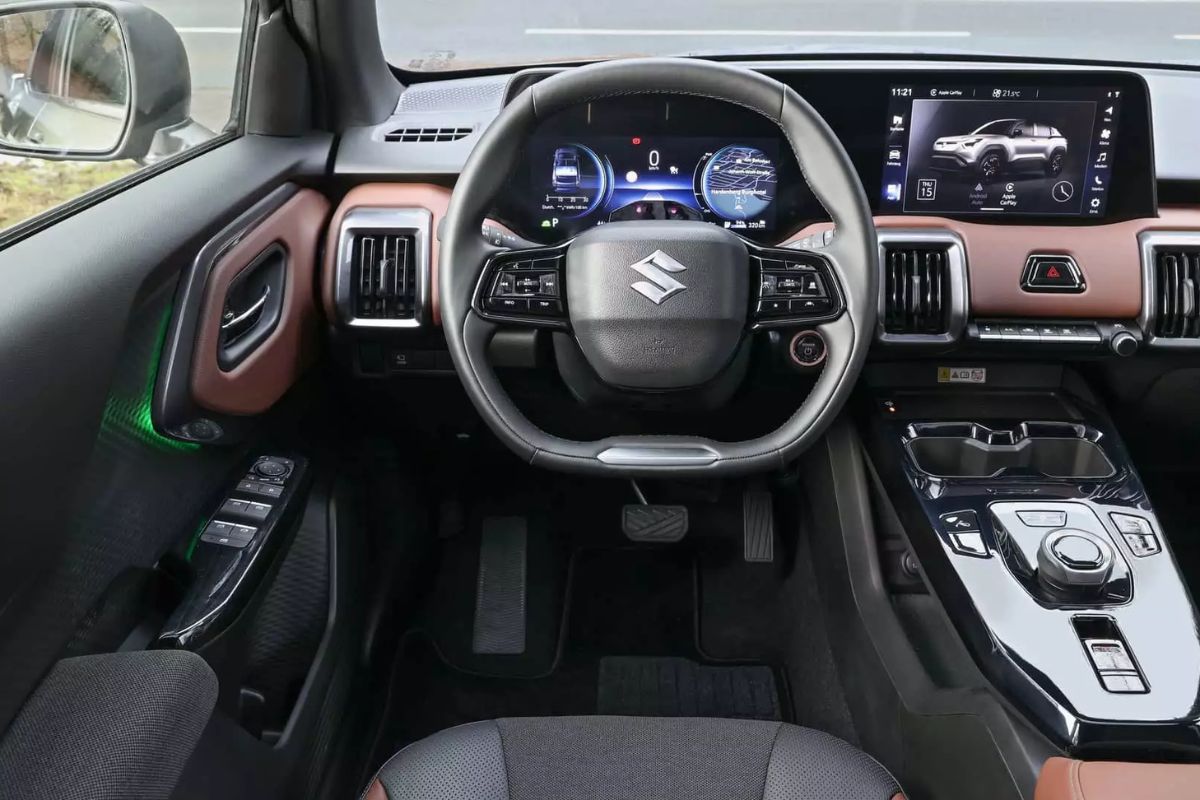
The 2026 electric Vitara arrives in Brazil and proves that Suzuki is not leaving: 4×4 traction, 184 hp, 61 kWh LFP battery, 293 km range, R$ 259,000, and a trunk capacity of 224 L.
-
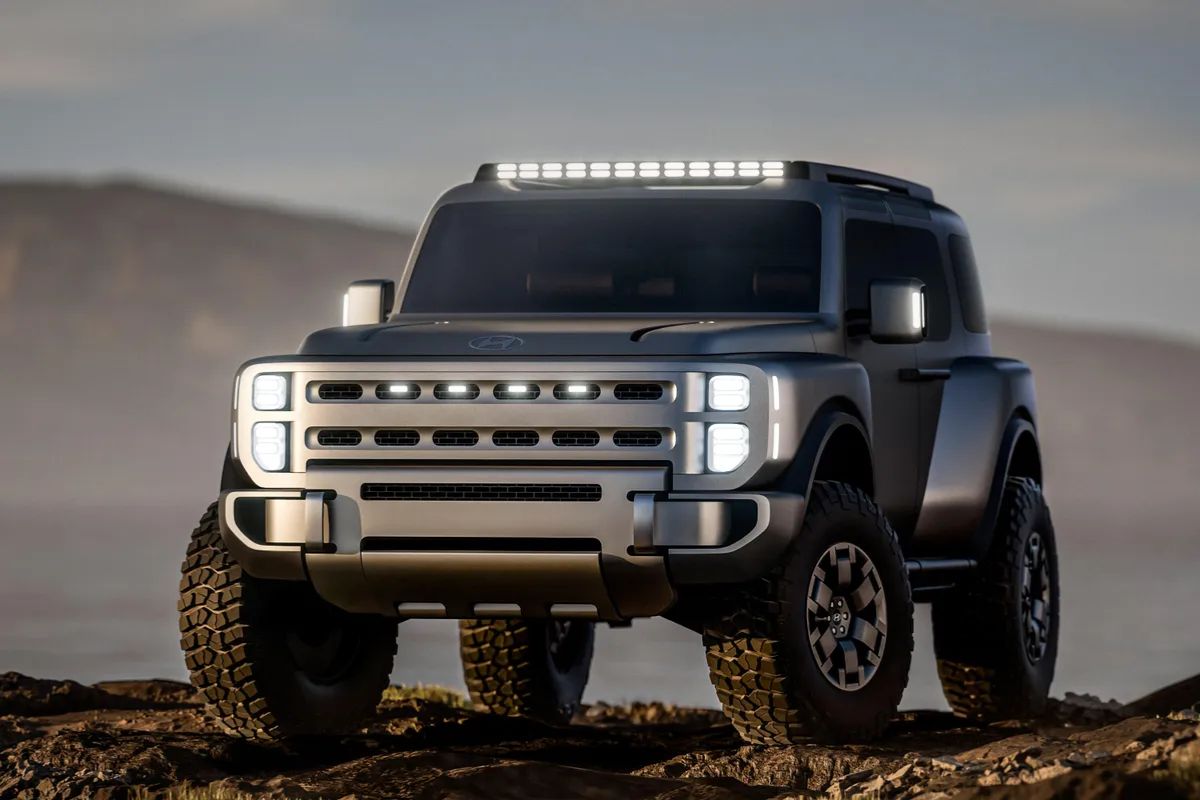
Hyundai has unveiled the Boulder, a square SUV with a body-on-frame design, 37-inch mud tires, and carriage-style doors that seems to be made to take on the Ford Bronco and the Scout Traveller in the United States.
-
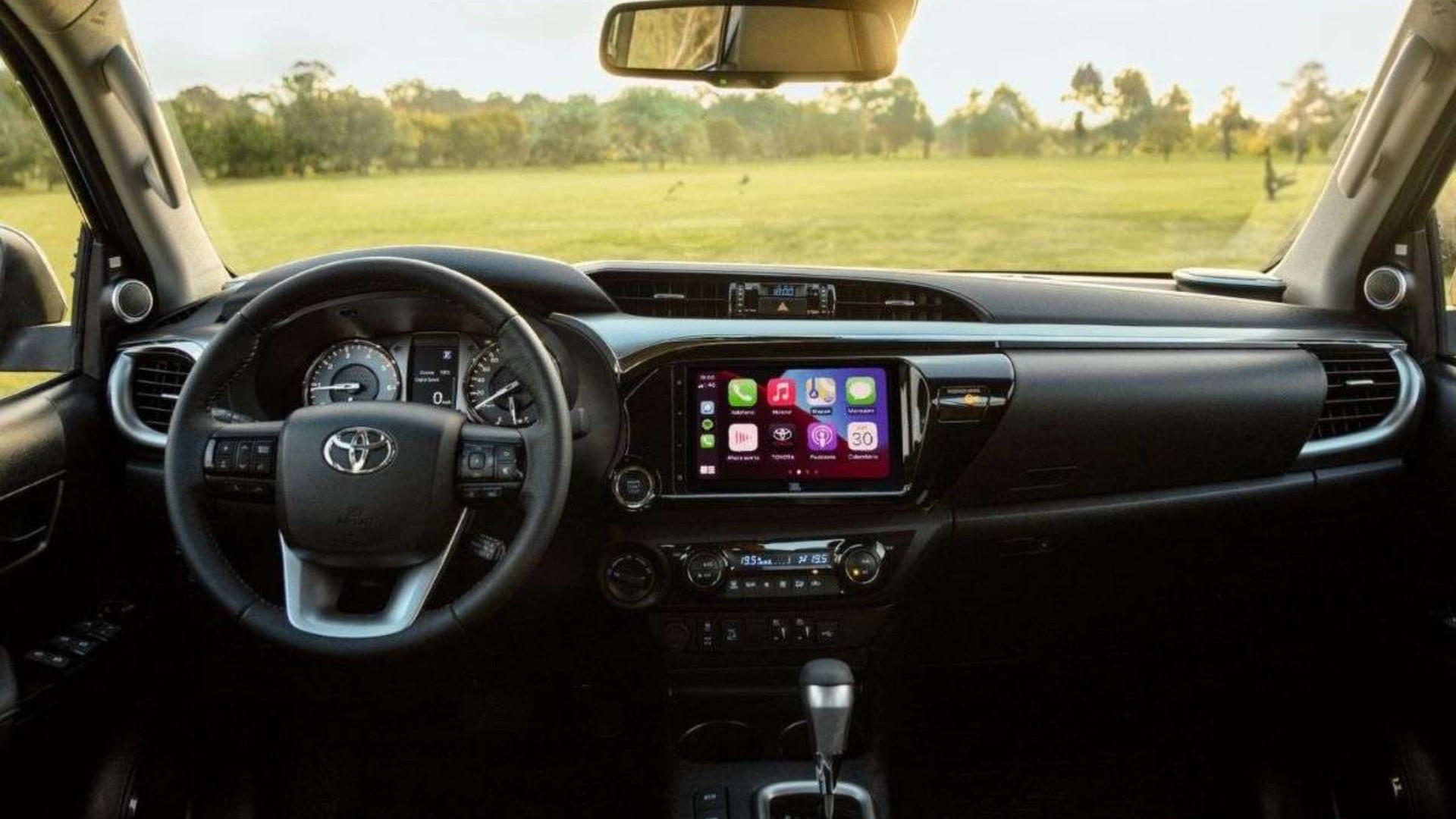
The Toyota Hilux is R$ 75.5 thousand cheaper and bets on the 2.8 turbodiesel engine with up to 204 hp and 50.9 kgfm to catch up with the VW Saveiro, which leads with 4,472 sales.
-
The new Renault Koleos has a screen exclusively for the passenger that is invisible to the driver, heated rear seats, and 29 assistance systems, but its Chinese competitors cost R$ 40,000 less and deliver more power.

In the following decades, Nissan expanded its operations into international markets. In the 1980s, it recorded significant growth, culminating in 1985, when it surpassed Toyota and Honda in sales in the United States, with about 830,000 units sold.
In 1999, the automaker joined the Renault-Nissan-Mitsubishi Alliance, strengthening its global position.
Who Owns Nissan
Nissan Motor Co., Ltd. is a multinational Japanese automobile company. The shareholding structure of Nissan is diversified, but most of its shares are linked to large institutional investors and Renault Group, which is its strategic partner in the Renault-Nissan-Mitsubishi Alliance.
Currently, Renault holds about 43.4% of Nissan’s shares, while Nissan owns 15% of Renault, with no voting rights. This partnership was established in 1999 and continues to be one of the major alliances in the global automotive sector.
The CEO of Nissan, who is responsible for the company’s operations, may change over time. As of my last update, the position of CEO of Nissan was held by Makoto Uchida. I recommend checking the most recent information for updates on the company’s leadership.
Global Production and Key Markets
Nissan has consolidated operations in four key markets: Japan, China, Europe, and North America. In China and the U.S., models such as Sylphy, Rogue, and Altima dominate sales.
In the United States, the automaker operates factories in Canton, Mississippi, and Smyrna, Tennessee, as well as a dedicated engine facility in Decherd, Tennessee.
The Canton plant produces models such as Murano, Frontier, Titan, and NV, while the Smyrna plant manufactures Maxima, Rogue, Pathfinder, and Leaf. The Altima is assembled in both facilities.
Sports models, such as the GT-R and 370Z, are produced at the Tochigi factory in Japan, while SUVs like Armada are manufactured in Kyushu. Popular models like Versa and Sentra come from the Aguascalientes plant in Mexico.
Global production includes factories in 11 countries, such as the United Kingdom, Spain, Russia, China, Thailand, Indonesia, Brazil, and South Africa. Parts are manufactured in another seven countries, including France, Taiwan, and Nigeria, demonstrating the scale of the company’s infrastructure.
Financial Results and Recent Challenges
Despite a revenue of US$ 118 billion in 2024 and an increase in global sales to 4.2 million units (compared to 3.44 million in 2023), Nissan faces challenges.
Current sales are still far from the peak in 2017, when the company sold 5.77 million vehicles.
The automaker’s financial situation is delicate. In November 2024, a senior official revealed to the Financial Times that Nissan is at risk of collapse, following massive cuts of 7,000 jobs due to restructuring prompted by an 85% drop in quarterly profits.
Competition with Chinese brands has strongly impacted its sales in Japan and the U.S.
Moreover, Renault, its historical partner, has started gradually selling its stakes in Nissan, signaling a possible rupture of the triple alliance. Mitsubishi, the third member of the collaboration, is also facing uncertainties.
A Possible Merger on the Horizon
Amid the crisis, Nissan found a possible lifeline through negotiations with Honda for a strategic merger.
Mitsubishi is also involved in the discussions, indicating that the three Japanese automakers may join forces.
The negotiations were confirmed in December 2024, with a final decision expected to be announced in the next six months.
A union between Nissan, Honda, and Mitsubishi has the potential to transform the global automotive industry, creating a partnership that could rival the giants of the sector.
For now, the market is watching closely, awaiting the next steps from the Japanese automaker.
Nissan continues to be one of the most influential brands in the automotive sector, with a presence in over 18 countries and a history marked by innovation and resilience.
Even in the face of uncertainties, the company demonstrates adaptability, and the outcome of the negotiations with Honda and Mitsubishi could define its future in the global industry.










-

-

-

-

-

15 pessoas reagiram a isso.