





 Portuguese
  English
  Spanish
 7 min of reading
  3 comments


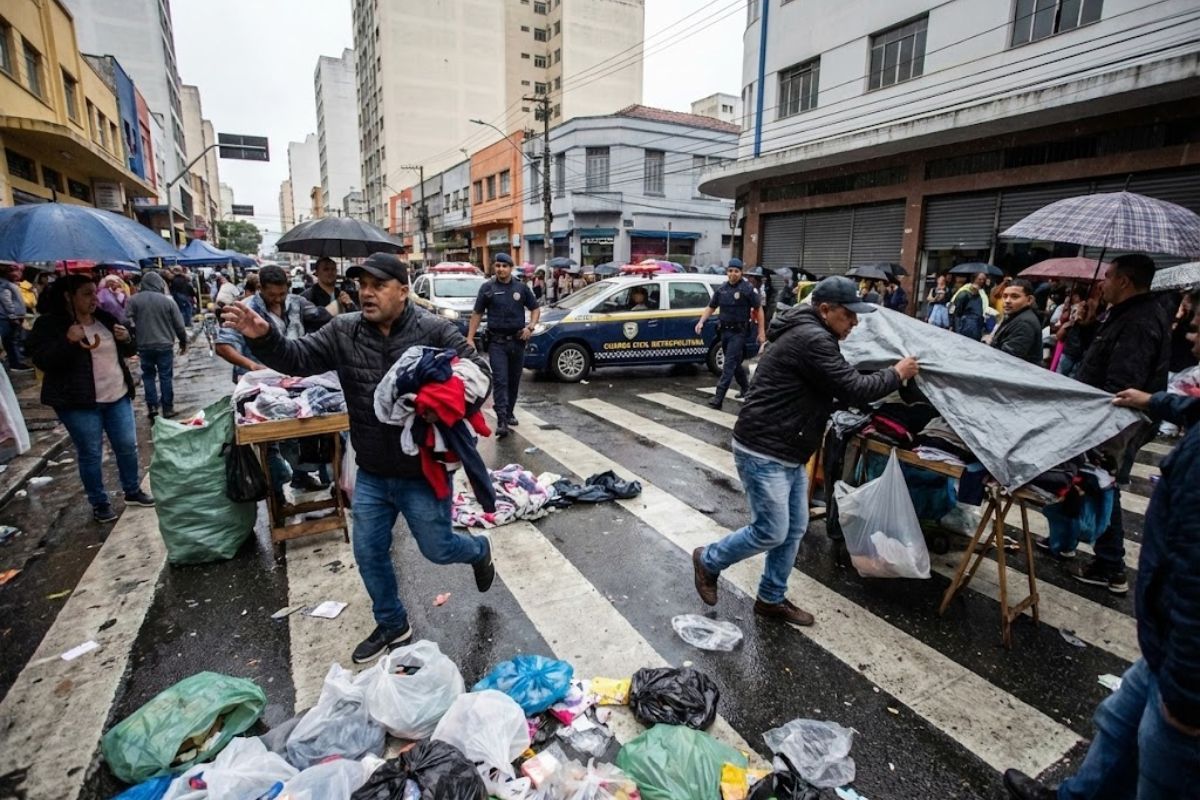


In Brás, The Largest Street Market in Brazil, Nearly Half a Million People Cross Crowded Streets Every Day While More Than Twenty Thousand Street Vendors Face Sun, Rain, Forced Removals, Seizures of Goods, and Constant Risk of Losing Their Sole Income That Pays Rent and Food at the End of Each Day
In December 2025, as store windows flash Christmas lights and crowded buses drop off shoppers before dawn, Brás proves once again why it is called the largest street market in Brazil. In just over one square kilometer, nearly half a million people cross the streets on ordinary days and more than a million squeeze in during the weeks leading up to Christmas, in a human anthill that mixes wholesalers, resellers, retailers, and thousands of vendors trying to make ends meet in shifts of over twelve hours.
The story of these workers is marked by dates that weigh heavily on their bodies and memories. In December 2020, a street vendor arriving from Rio Grande do Norte landed in São Paulo with 1,150 reais in his pocket and found in Brás the only chance to pay rent thanks to a bountiful December. In April of this year, the same region made headlines for another reason after the death of a Senegalese vendor during a goods seizure operation, an incident that raised alarms about the level of conflict between vendors and security forces in the neighborhood.
A Human Anthill in The Largest Street Market in Brazil

In just over one square kilometer, Brás concentrates around fifteen thousand points of sale, ranging from small shops to shopping centers and galleries, and about twenty thousand vendors competing for space on sidewalks and street corners.
-
The Federal Revenue Service now automatically cross-references everything you declare with data from banks, credit cards, brokerage firms, and insurance companies, and any discrepancy between your income and your expenses triggers an alert in seconds.

-
Amid global tensions, Brazil blocks the United States’ proposal at the WTO and paves the way for a trade crisis and possible retaliations.

-
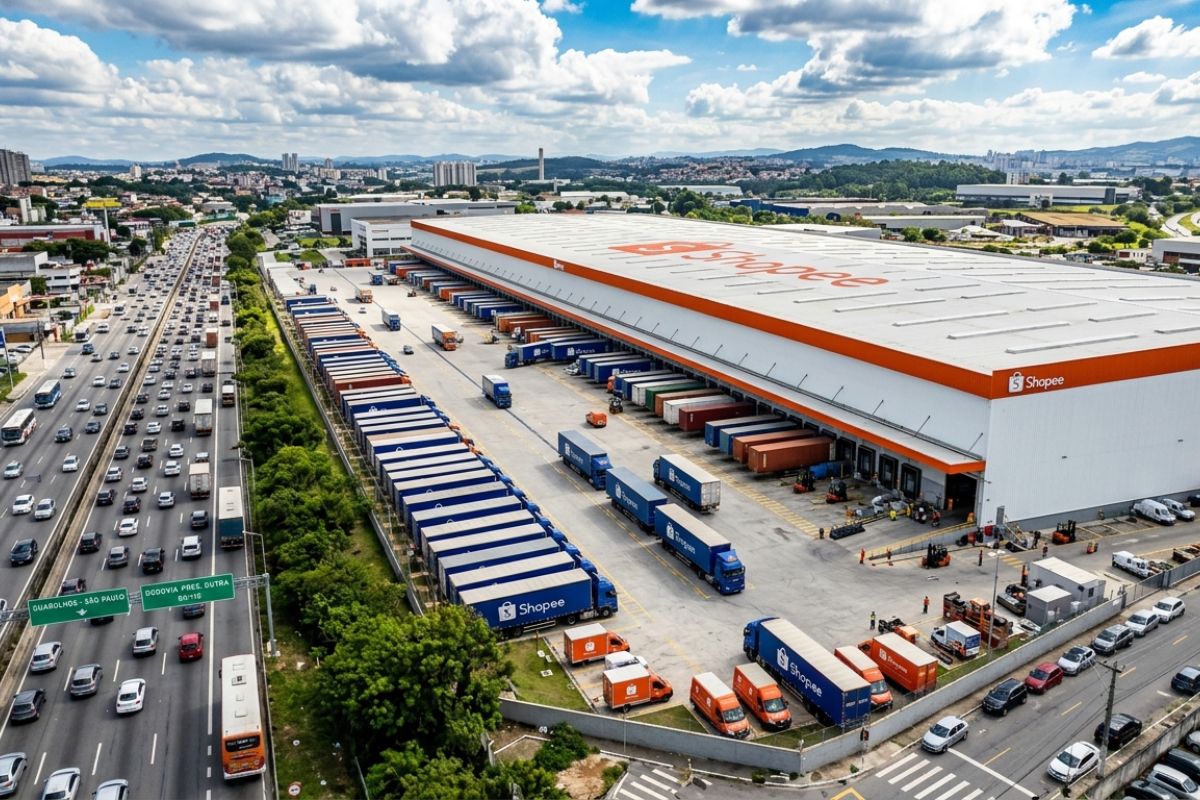
Shopee opens the largest logistics warehouse in Brazil in Guarulhos: 220,000 m² on Dutra, contract signed before construction, pays R$ 45/m² and accelerates deliveries at scale, putting pressure on Mercado Livre and Amazon.
-
After mistakenly transferring R$ 50,000 via Pix, a man will receive the amount back along with R$ 10,000 for moral damages from the recipient.


In practice, the neighborhood functions as a parallel city, with traffic that can rival airports and bus terminals, driven by tour buses, vans from resellers, and overcrowded trains arriving in the early hours.
For thousands of informal workers, this piece of the eastern zone is their only source of income.
It is estimated that nearly half a million people circulate daily in the area, a number that rises to over a million in the weeks leading up to Christmas.
It is in this context that the largest street market in Brazil thrives: between the promise of quick cash for those who can keep up and the constant risk of losing everything in a single inspection operation.
The Rush That Begins Before Dawn

The day for Brás vendors begins long before the stores open.
Around 4:30 AM, trains and buses are already dropping off sellers pushing carts loaded with packages, mannequins, and disassembled stall structures.
By shortly after 6 AM, many are already fully set up and ready to take advantage of the initial rush of buyers.
A vendor from Rio Grande do Norte who arrived in São Paulo in December 2020 recounts that all his initial capital came from his own pocket, without credit or savings.
With just 1,150 reais, he set up his first stall selling popular clothing.
One strong December of sales was enough to allow him to move into a simple house in the outskirts, something he doubts he would have achieved with a formal job paying 2,200 reais a month, a salary range more common in the advertised job openings.
In Brás, the calculation is straightforward: those who can keep up in the rush, do; those who can’t, go home empty-handed.
Earnings Greater Than Formal Employment, With No Protection

The possibility of earning in one December the equivalent of several months of formal salary attracts people from all over the country.
There are reports of workers who left public sector jobs in healthcare to sell on the streets because they managed to buy an apartment and a car with the income from Brás, something they deem unlikely in their original jobs.
However, this apparent bonus comes with a total absence of protection. There are no vacations, 13th salary, regular social security, or health insurance.
If a vendor falls ill or suffers an accident, their income disappears overnight.
The same applies to those targeted for goods seizure in an area where, according to the city hall, around eleven tons of products are confiscated each month in the Mooca Administrative Region, which covers Brás.
Inspection, Delegated Operation, and the Fear of Losing Everything
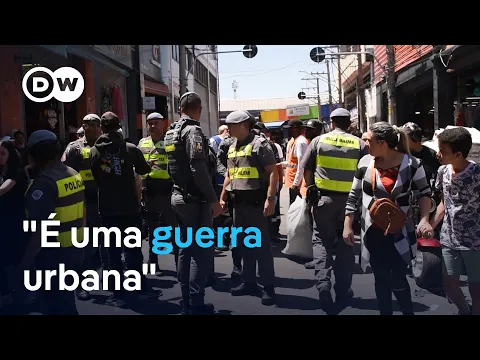
In recent years, the most repeated complaint on the sidewalks of the largest street market in Brazil is the increase in inspection operations.
Vendors report that, in the last two years, actions have become more frequent and aggressive.
In April of this year, a Senegalese vendor died after trying to prevent the seizure of goods, a case that brutally exposed the level of tension between police, civil guards, and informal workers.
The main target of criticism is the so-called Delegated Operation, an agreement through which the city hall pays around 320 million reais per year for military police to reinforce efforts against street vending.
For lawyers involved in grassroots causes, these resources could be used to map and regulate the activity, instead of fueling an urban war in which, at every siren, stalls are hurriedly dismantled and the crowded street empties in minutes.
Organized Vendors, Revoked Permits, and Stalled Lives
The majority of vendors in Brás work without formal permission.
The president of the oldest association in the region, Vânia Maia, states that the city hall has revoked authorizations for hundreds of workers in recent months.
The Term of Use Permission is the document that authorizes the setup of stalls without direct risk of seizure. Today, according to official data, there are only eighty-nine valid permits in the entire area.
The contrast is stark. When Vânia began working there 47 years ago, there were about 56 vendors on the street where she set up her stall.
Today, the estimate is over ten thousand street vendors scattered throughout the neighborhood, competing for customers with megashopping centers and wholesale stores.
While the number of vendors increases, the number of permits decreases, creating a mass of workers who live permanently on the margins of official rules.
The Tô Legal Program and the Loopholes of Regulation
To address criticisms, the city hall claims it is trying to regulate street vending with the Tô Legal program.
According to official data, 932 valid authorizations valid for up to three months have been granted to vendors who registered in the system.
In practice, the short timeframe is one of the main reasons for the low adherence. Workers complain that it makes no sense to invest in goods and infrastructure if the document expires in a few months, with no guarantee of renewal.
Moreover, the city hall lists several reasons for revoking permits, which include not starting the activity within 30 days after issuance, using sound equipment, working shirtless, or even playing games on site.
For those who live off Brás and the daily hustle, any misstep could mean going back to square one.
Crowded Parking Lots, Rising Debts, and the Weight of Time Stalled
The informal economy in the largest street market in Brazil goes beyond the stalls.
Private parking lots store carts and goods from vendors for a daily fee that continues to accrue even when the owner is unable to work.
A female vendor reports being inactive for four months, following the revocation of her permit, and has accumulated around 4,000 reais in debt just for storing the cart and goods.
This type of situation turns bureaucracy into a trap.
When the document expires, the vendor loses their income and, at the same time, sees their debt with the parking lot increase as it secures the stock.
To get out of the hole, they need to pay to retrieve their own cart and also replace the goods lost in previous inspections, often without any access to formal credit.
Daily Humiliation and the Invisible Resistance on the Streets of Brás
The phrase is repeated in different voices: not everyone can withstand this work.
Strong sun, sudden rain, pushing and shoving with customers, rushing to escape inspections, insults, and, in many cases, pushes and violence.
For an older vendor who has spent nearly half a century in Brás, humiliation weighs as heavily as physical exhaustion. She describes the scene of having to run from the authorities at an age when she expected to be in a regular, formal job with a signed contract.
At the end of the day, when stalls are taken down and carts roll back up the slopes to the parking lots, the balance is measured in crumpled bills, lost goods, and relief at still having something to take home.
Those who have gone three months without working know what it is like to open their bag and find not even a real to buy coffee, as recounted by another vendor who got emotional remembering the period when she lost everything after a series of seizures.
In the midst of this machinery that makes Brás the largest street market in Brazil and the largest popular shopping circuit in the country, do you think the path should be to intensify the repression of informality or to expand regulation so that vendors can work without living under the constant fear of losing all their goods in a single day of inspection?








Puxa , deixa o pessoal trabalhar.Seria bom se facilitasse esse pessoal para formalidade, de uma maneira mais fácil.
Deixa trabalhar…melhor di q roubar
Os cara trabalhando e o governo atrapando, roubando as mercadorias deles e tirando o bem estar dessas pessoas, tudo para arrecadar e dar aos políticos que não sabem mais onde enfiar o dinheiro desviado, acabaram até dando um pouco pra Dilma