





 Português
  Inglês
  Espanhol
  4 min de leitura
  0 comentários


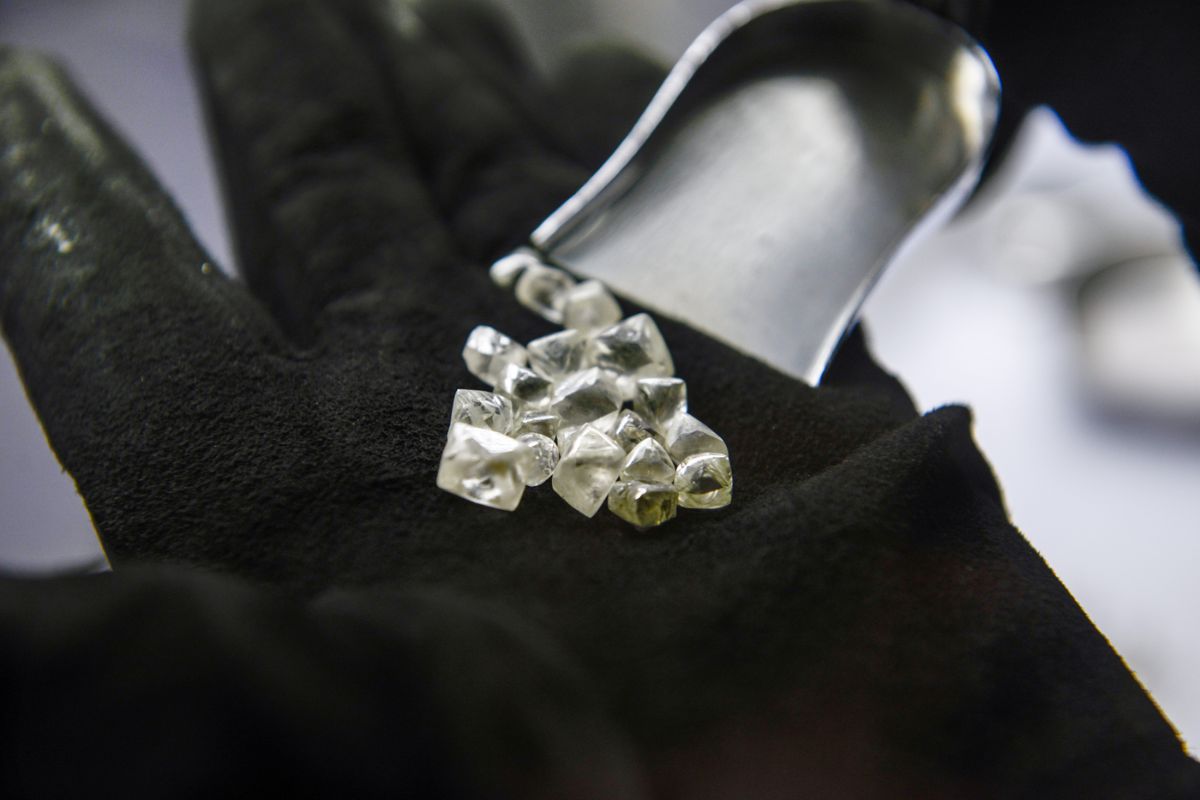
Discover the History of Kimberlite Braúna, the Innovative Operation of Lipari Mining in Bahia and How It Established Itself as One of the Largest Mines in South America, Facing Challenges and Redefining Diamond Extraction.
We will address the pioneering nature of the mine, the trajectory of Lipari Mining, its environmental innovations, socio-economic impacts, and the challenges that position it as one of the largest mines in South America.
In the heart of Bahia, the discovery of kimberlite Braúna unfolded a new and significant chapter in diamond mining on the continent. This primary deposit gave rise to Mina Braúna, operated by Lipari Mining Ltd., a venture that stands out for its scale and technology.
Kimberlite Braúna: A Milestone in Diamond Mining in Bahia
The discovery of kimberlite Braúna, in the municipality of Nordestina, Bahia, represents a turning point for the diamond industry. This project is pioneering, being the first commercially developed primary kimberlitic diamond mine in all of South America. This marks an important transition, as South American production has historically relied on alluvial sources.
-
Brazil extracts 26.3 million tons of ore from what was previously treated as waste, transforming residues into wealth, producing over 3 million tons of sand, and demonstrating how national mining is relearning to generate value.

-
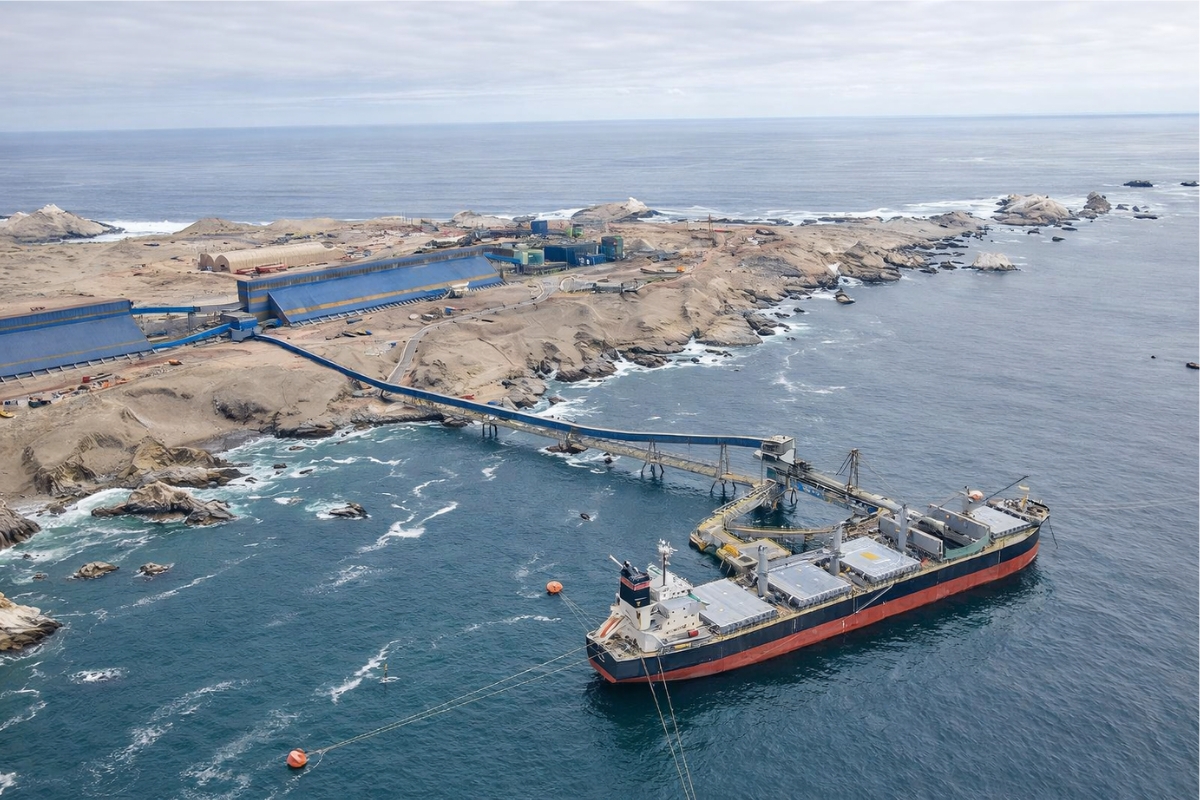
A $3.5 billion megaproject in Latin America pumps desalinated seawater at 1,050 liters per second over 194 km to keep a copper supermine in the Andes operational for another 20 years.
-
A hidden mine in the Andes valued at nearly R$ 1 trillion is starting to attract global attention, containing copper, gold, and silver, and raises an intriguing question: why do Argentina and Chile need to act together to exploit this gigantic wealth?
-
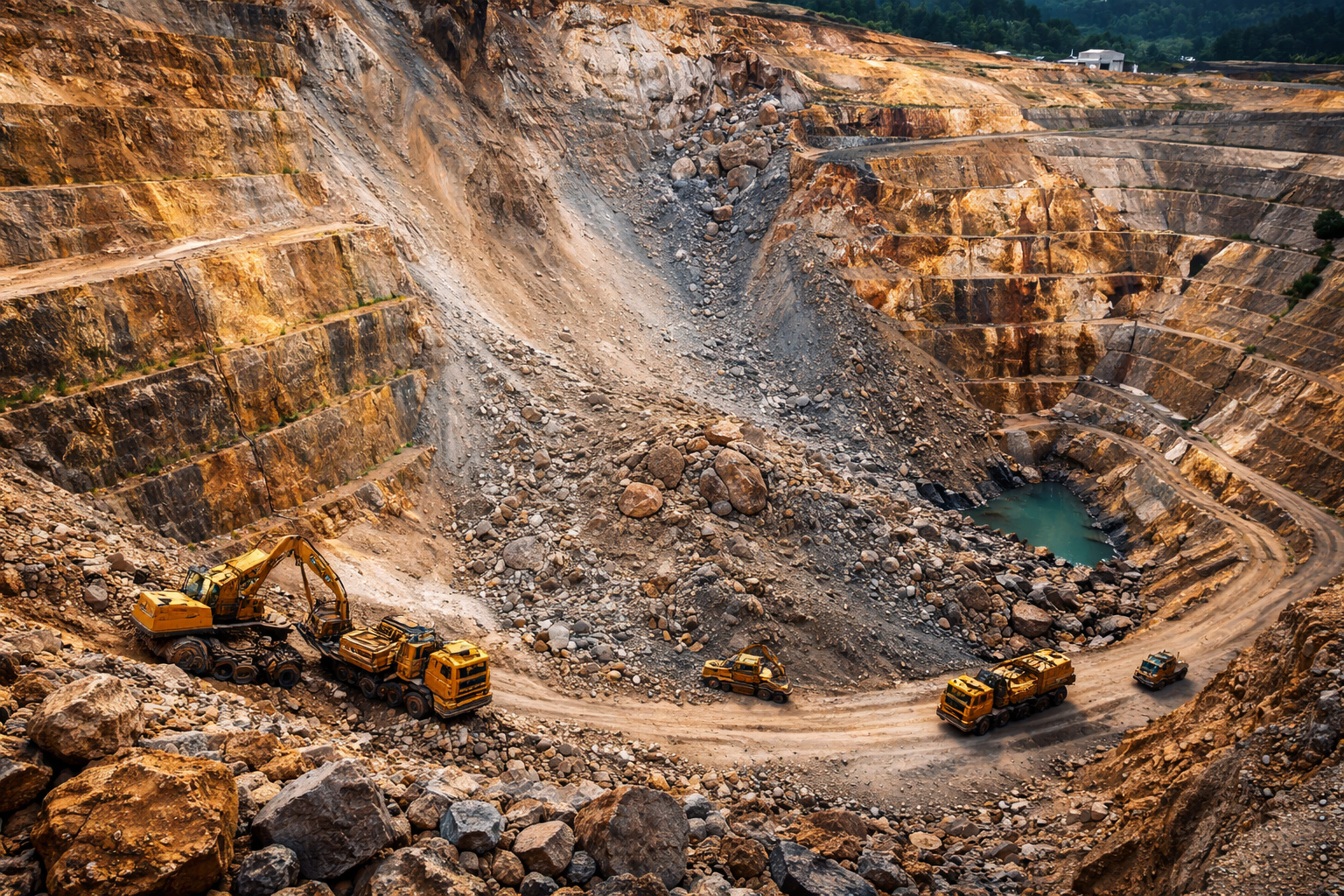
A silent discovery in the interior of Bahia could change the future of energy in Brazil: a uranium reserve in Lagoa Real has an estimated capacity to produce 400 tons per year and is already attracting the attention of energy sector specialists.
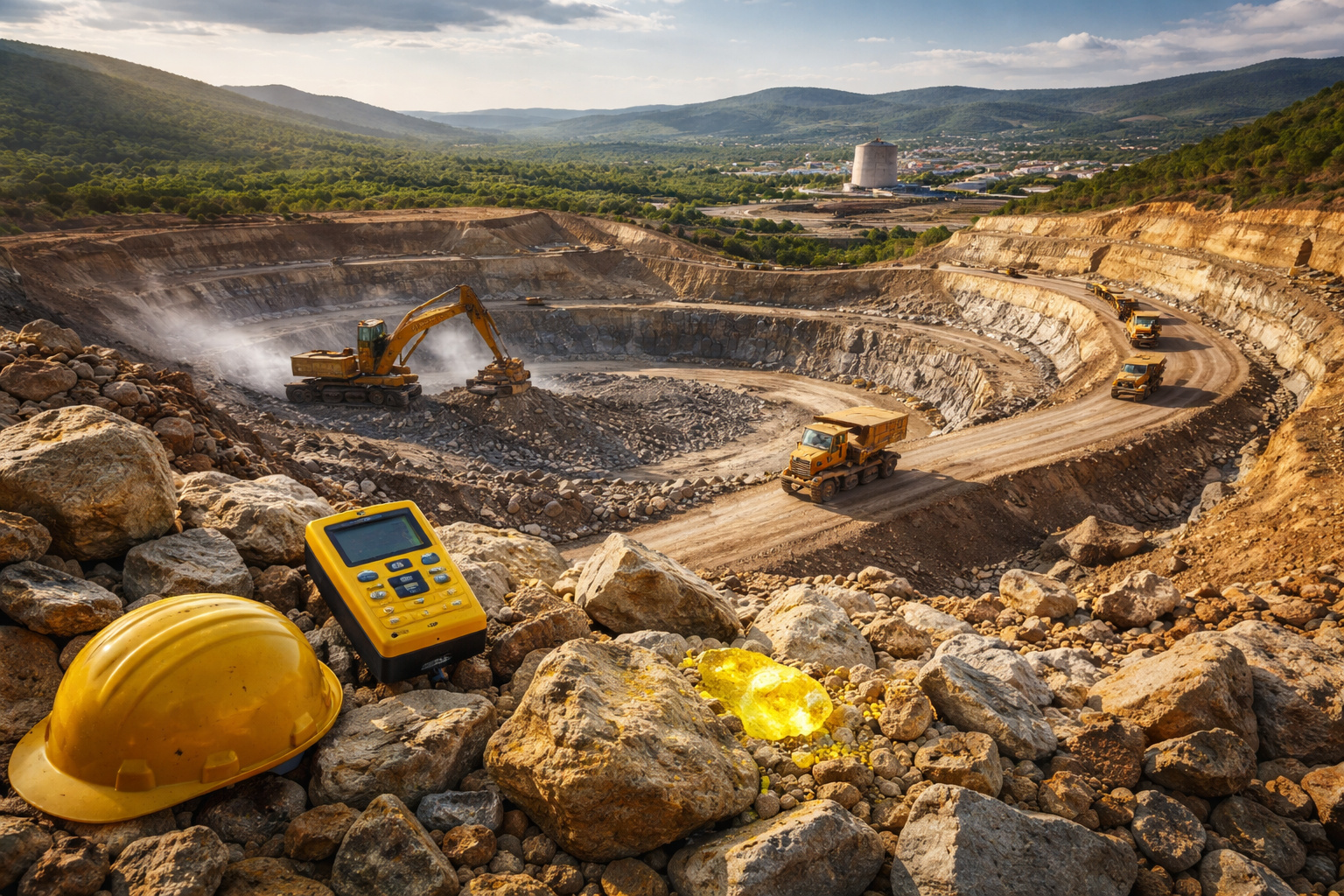

The Braúna kimberlites, dated from the Neoproterozoic (approximately 642 million years), are the oldest known primary source of diamonds in the São Francisco Craton. The extracted diamonds are described as high-quality, associated with the Itapicuru Greenstone Belt.
Lipari Mining: The Evolution of the Company Behind Mina Braúna

Lipari Mining Ltd. is the operator of Mina Braúna. The roots of the ownership of the Braúna asset date back to 2005, when the current management group acquired the kimberlites under the banner of Vaaldiam Resources Ltd., a Canadian diamond producer. Subsequently, Lipari Mineração Ltda. was formed, a private entity that developed and constructed the mine. In February 2025, after a reverse takeover (RTO) transaction with Golden Share Resource Corporation, the company changed its name to Lipari Mining Ltd., becoming publicly traded and listed on Cboe Canada (LML) and the Frankfurt Stock Exchange.
The portfolio of Lipari Mining also includes the promising diamond project of Tchitengo in Angola, which is seen as the main growth vector for the company.
One of the Largest Operating Mines in South America: Technology, Production, and the Underground Future
Commercial production at Mina Braúna began in July 2016, with open-pit mining at the Braúna 3 deposit. One of the highlights of the operation is its innovative environmental technology, pioneering in the global diamond sector: a recycling system that recovers over 95% of process water, eliminating the need for traditional tailings dams. The dehydrated tailings are disposed of in dry piles.
Between 2016 and the end of 2024, the mine produced over 1.18 million carats of rough diamonds, with a historical average price of US$ 185 per carat. Open-pit mining was completed in May 2023. In February 2024, the company began the crucial transition to underground mining, using the sublevel retreat (SLR) method, aiming to extend the mine’s lifespan by at least another four years.
Braúna on the Podium: Why Is It One of the Largest Mines in South America?
Mina Braúna has established itself as one of the largest mines in South America in terms of production from a single operation. In 2023, for example, it accounted for 87% of Brazil’s natural diamond production. Its estimated annual volumes (around 140,000 carats) individually exceed the total national production reported by other relevant South American countries, such as Guyana and Venezuela, in recent years.
Its importance also lies in modernizing the formal diamond production in Brazil, which previously relied primarily on numerous small alluvial operations and garimpos.
The Socioeconomic Legacy and Challenges of Mina Braúna
The establishment of Mina Braúna brought socioeconomic benefits to Nordestina and Bahia, including the creation of hundreds of direct jobs and increased tax revenue such as the Financial Compensation for the Exploitation of Mineral Resources (CFEM) and ISS. Lipari also made investments in local infrastructure and social programs, such as support for hospitals and educational projects.
However, the mine faces serious socio-environmental challenges. In January 2025, the Federal Public Ministry (MPF) filed a public civil action alleging serious damage to 12 quilombola communities in the region, mainly due to the lack of prior, free, and informed consultation, as required by ILO Convention 169. The MPF seeks to suspend operations and compensation of R$ 10 million for collective moral damages. All production from the mine is conducted in compliance with the Kimberley Process Certification Scheme (KPCS), which aims to prevent the trade in conflict diamonds.
Growth, Sustainability, and Responsibility

The future of Lipari Mining is strongly linked to the success of developing its Tchitengo project in Angola. In parallel, optimizing the newly initiated underground mining phase at Mina Braúna is crucial to maintain cash flow.
Resolving the socio-environmental issues and the lawsuit in Bahia is imperative for the company, essential to ensure its social license to operate, investor confidence, and the long-term viability of its operations in Brazil. The challenge for Lipari will be to reconcile its growth ambitions with a genuine and demonstrable commitment to best sustainability and social responsibility and governance (ESG) practices.









-

Uma pessoa reagiu a isso.